Reading guide
Content guideOverview
Compiled by Li Xiantang in the early 1970s (Republic of China year Renzi), Xuan Kong Zhai Mi is a systematic manual of Xuan Kong feng shui theory and diagrams. Grounded in the He Tu, Luo Shu, and the Earlier and Later Heaven bagua, the book collects ancient methods and organizes them into five volumes covering both liqi (energy patterns) and luantou (landscape forms). Topics include He-Luo diagrams, bagua orders, the numbers of the Later Heaven, star patterns (Purple-White and Nine Stars), the Five Elements, and mountain and water forms. The author aims to correct misconceptions and refute false methods, asserting that Xuan Kong is the orthodox method rooted in the yin-yang mysteries of the He-Luo. Numerous diagrams—such as the Two Pieces, Male-Female, Forward-Reverse, Upper-Lower Cycle, and Parent-Children diagrams—make the text accessible. In his preface, the author describes spending over a decade collecting feng shui texts and composing five volumes. The work reflects his intent to revive the true tradition and is a valuable reference for feng shui students with some background in the field.
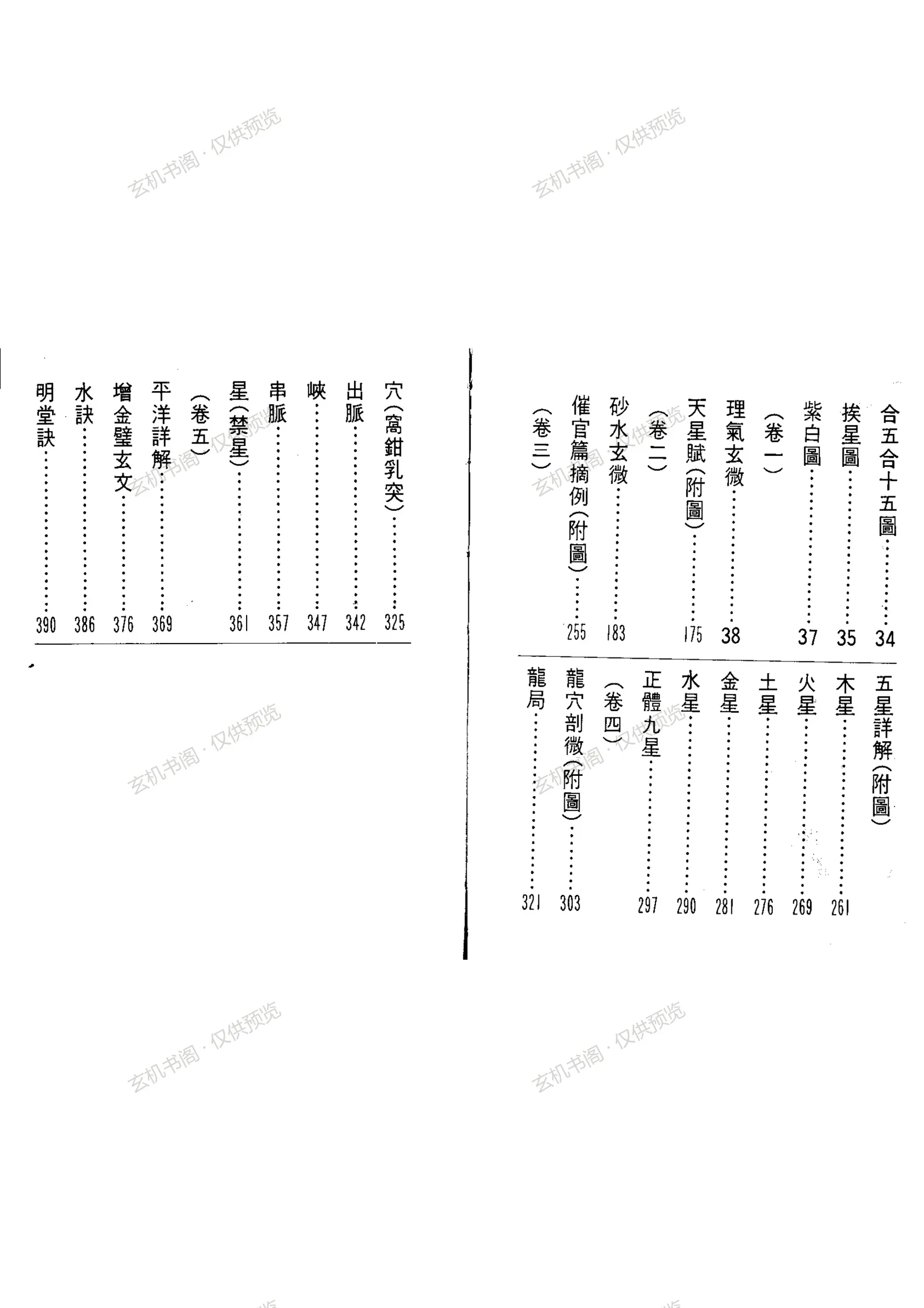
Contents
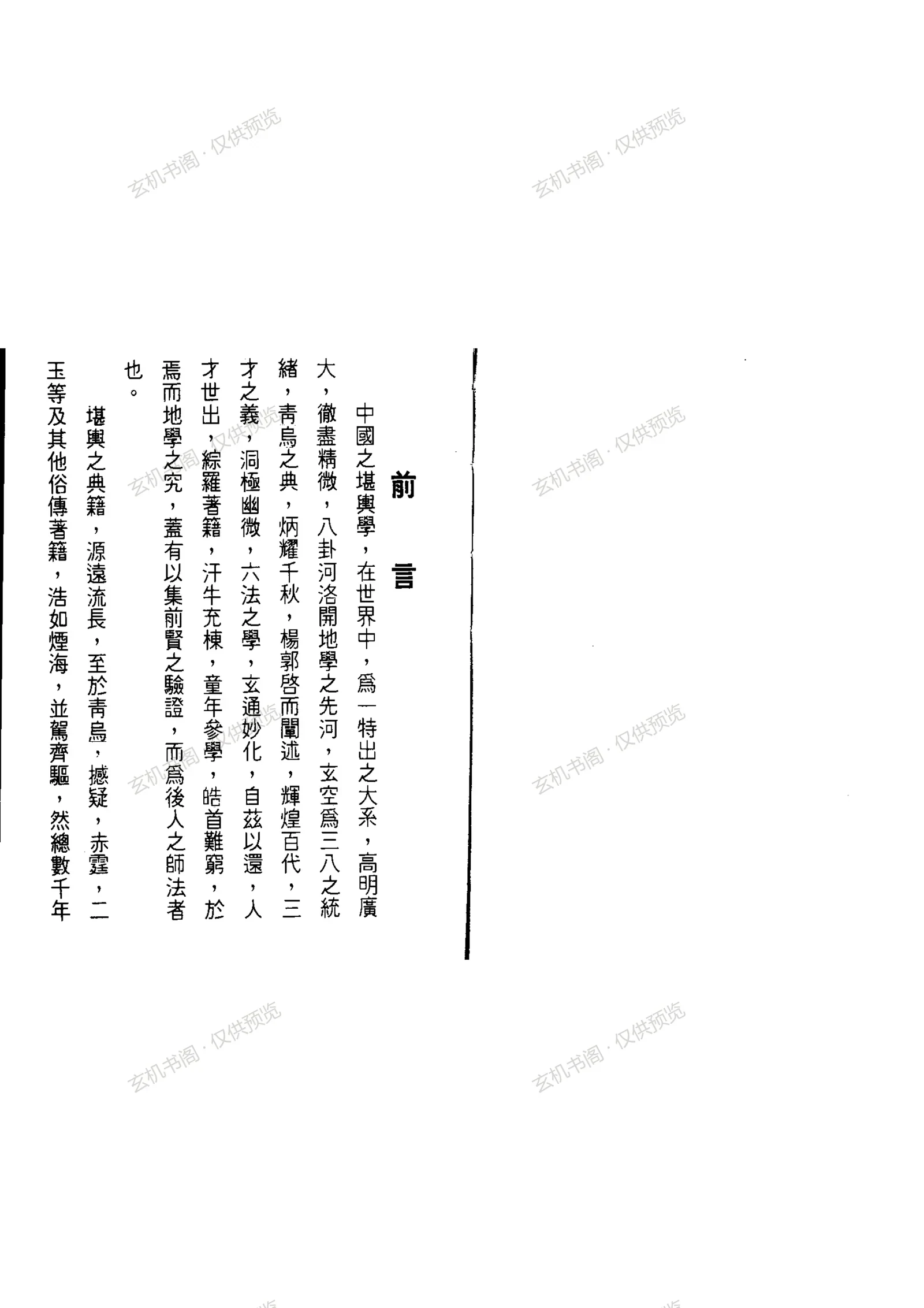
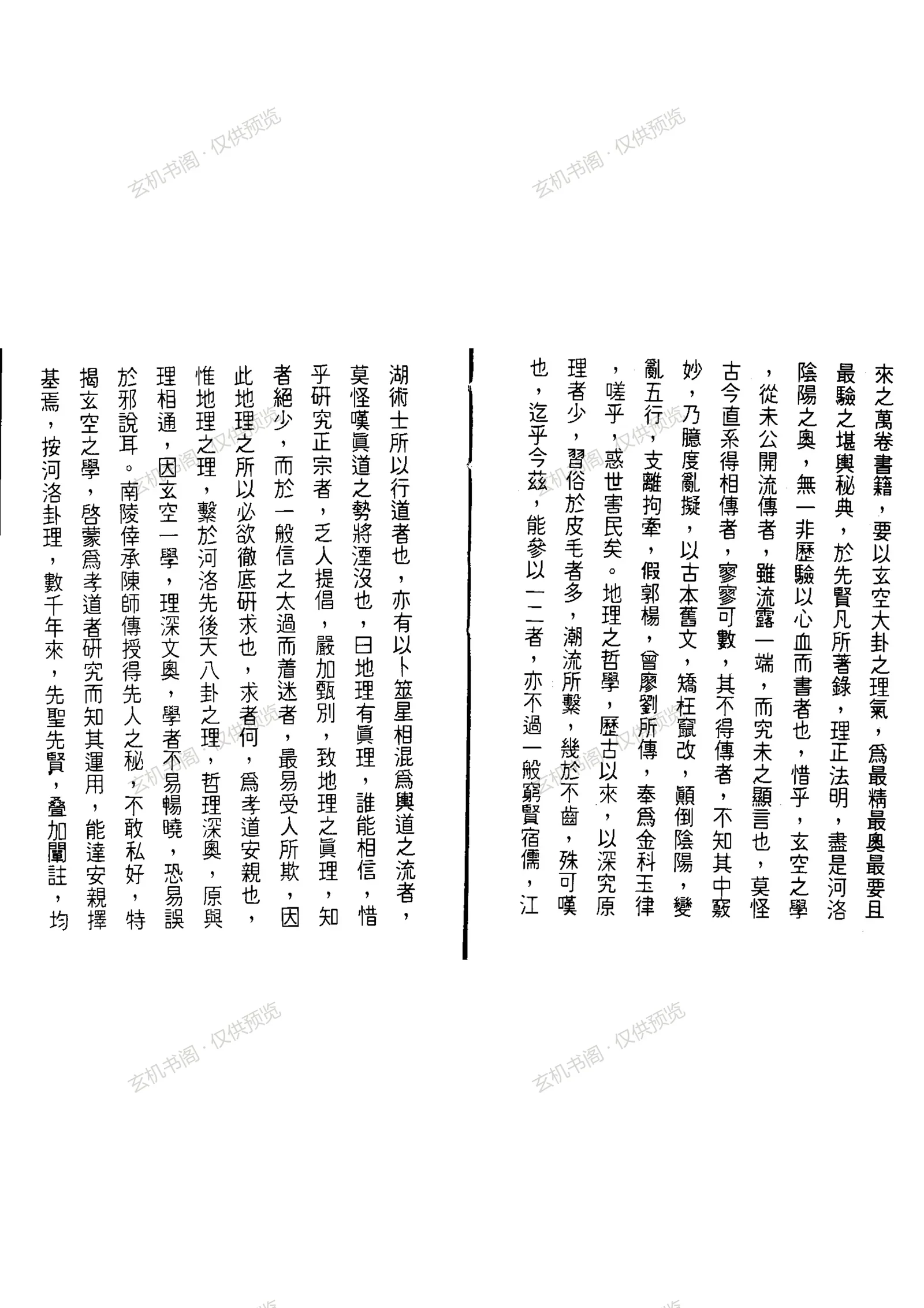
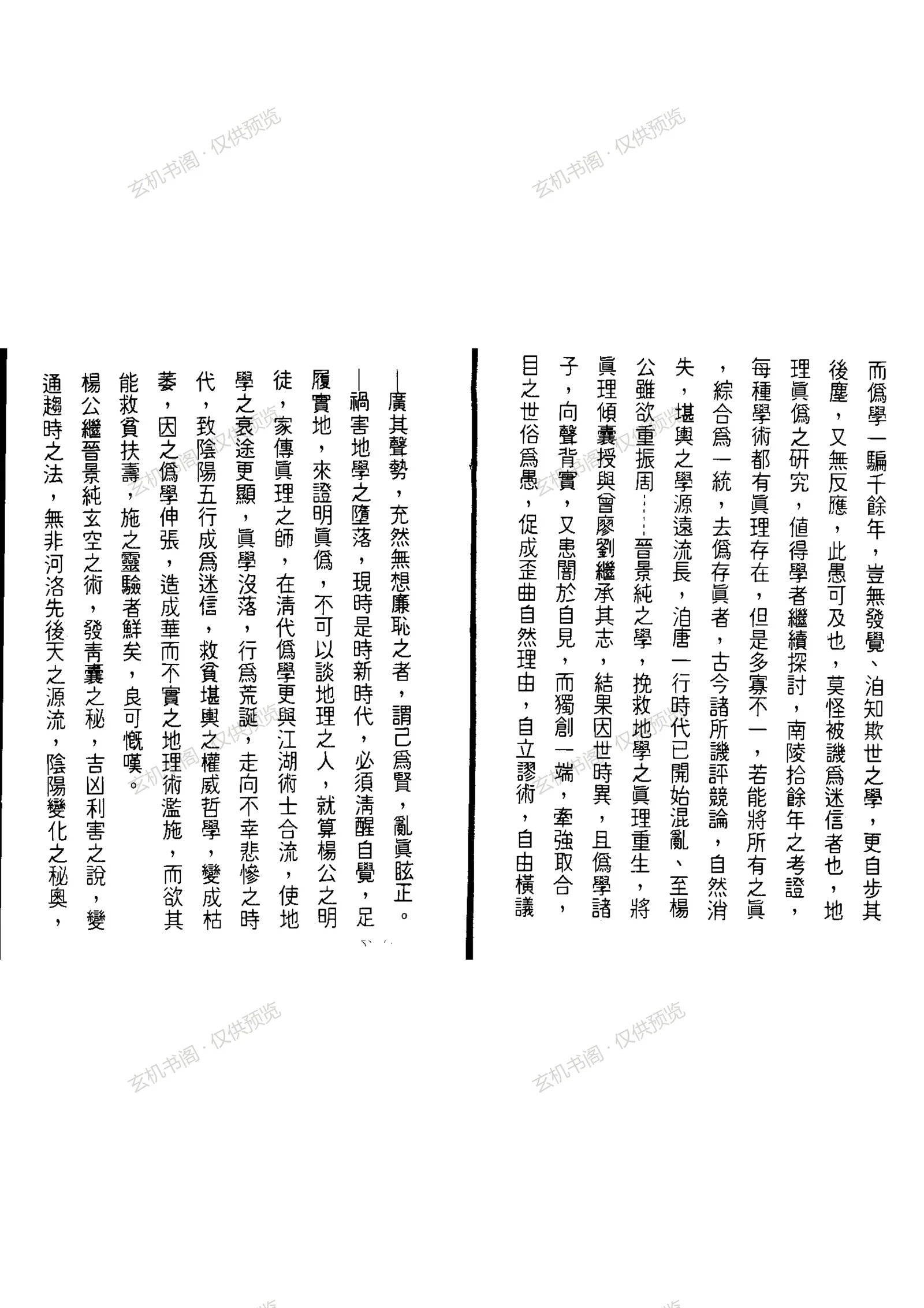
Preface tracing the origins and orthodox method of Xuan Kong feng shui
Volume 1: Principles of Liqi—Taiji, He-Luo, Earlier and Later Heaven bagua diagrams
Volume 2: Celestial Star Rhapsody—Purple-White diagrams, Nine Stars, detailed Five Elements
Volume 3: Cuiguan Pian—sand and water secrets, dragon veins, star patterns
Volume 4: Methods for dragons, points, sand, and water, with geographical notes
Volume 5: Explanation of flat plains, water methods, essential secrets and supplements
Appendix: Bright Hall formulas and water formulas
Key Points
Firmly grounded in He-Luo and bagua theory, emphasizing the roots of Xuan Kong liqi
Stresses the integration of liqi and luantou, critiques false practices, and bridges ancient and modern methods
Includes many diagrams (Male-Female, Forward-Reverse, Two Pieces) for visual study
Organized into five volumes, from principles to stars to dragon and water methods
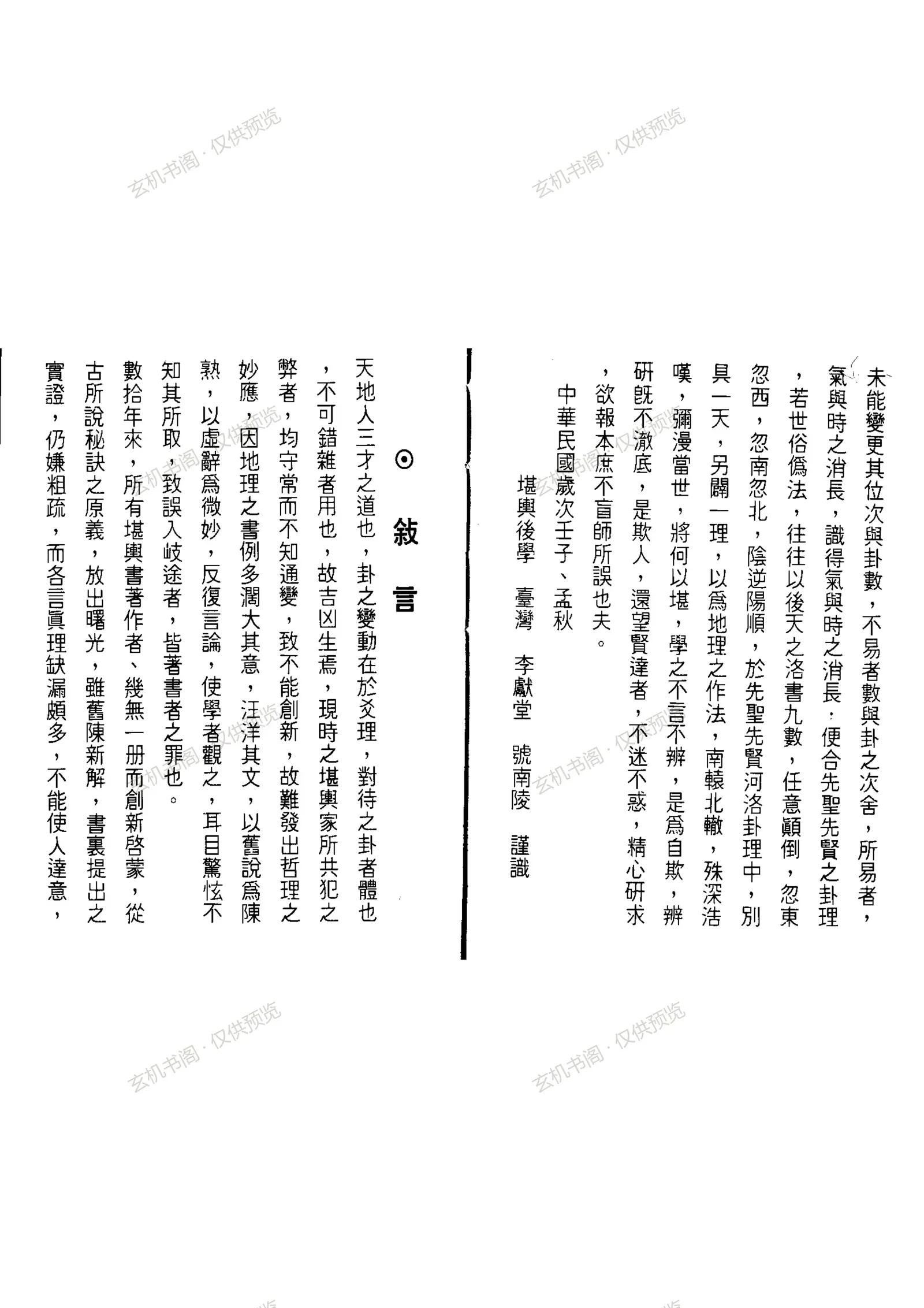
Critiques the feng shui abuses of its time, reflecting the author's goal of reviving the tradition