Reading guide
Content guideOverview
Written by Fang Zhelun, this book examines the relationship between traditional Chinese divination poems and the sixty-four hexagrams of the Yijing. It first traces the origins of the sixty-jiazi poems back to major events in Chinese Buddhist history, the translation of Buddhist scriptures, and the Chan lineage, arguing that the poems are closely tied to the spread of Buddhist culture. The core chapters then propose specific principles for matching each of the sixty poems with a hexagram. The book also discusses methods for reading the Yijing, stressing that the original text should be understood through the sounds and meanings given in the Shuowen Jiezi rather than through modern assumptions. It is suitable for readers interested in divination poetry, Yijing applications, and folk divination traditions.
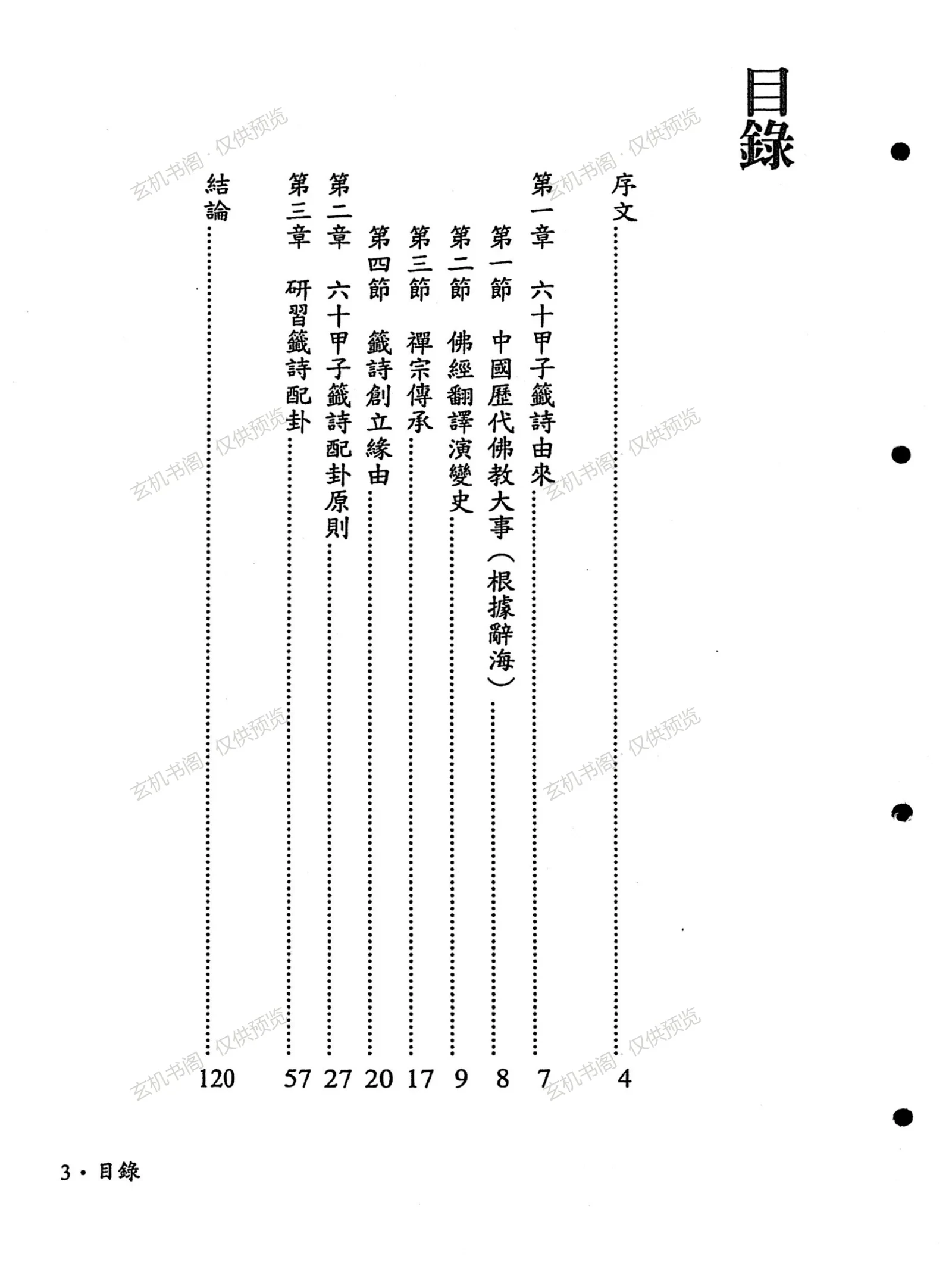
Contents
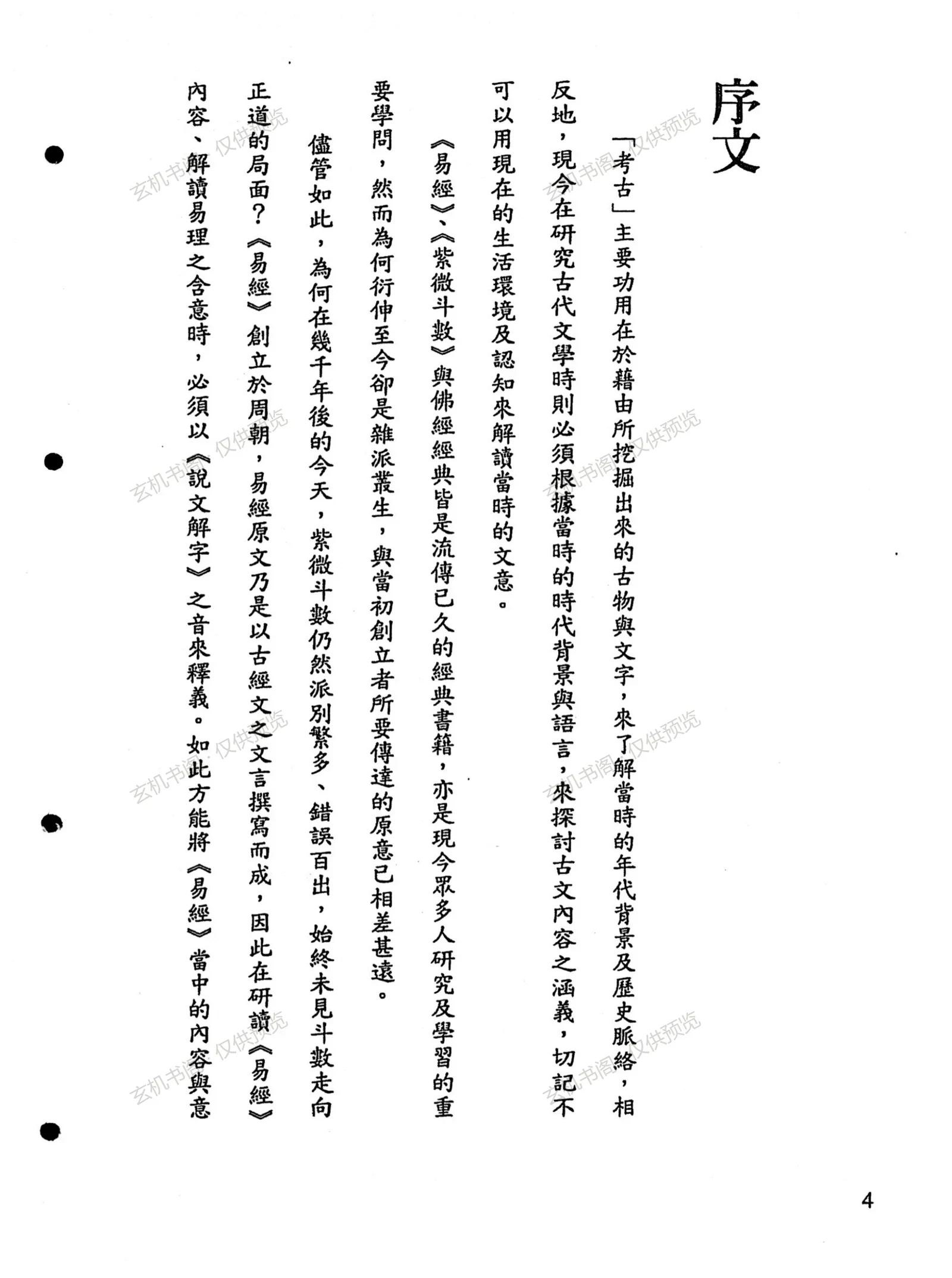
Preface: methods for interpreting ancient texts
Chapter 1: Origins of the sixty-jiazi poems (Buddhist events, translation, Chan transmission)
Chapter 2: Reasons for the poems' creation and pairing principles
Chapter 3: Studying poem-hexagram pairing
Conclusion
Key Points
Traces the sixty-jiazi poems to Buddhist translation and Chan transmission
Proposes principles for pairing the sixty poems with the sixty-four hexagrams
Argues that the Yijing should be read through the Shuowen Jiezi
Notes the proliferation and errors among schools of Ziwei Doushu and other arts