Reading guide
Content guideOverview
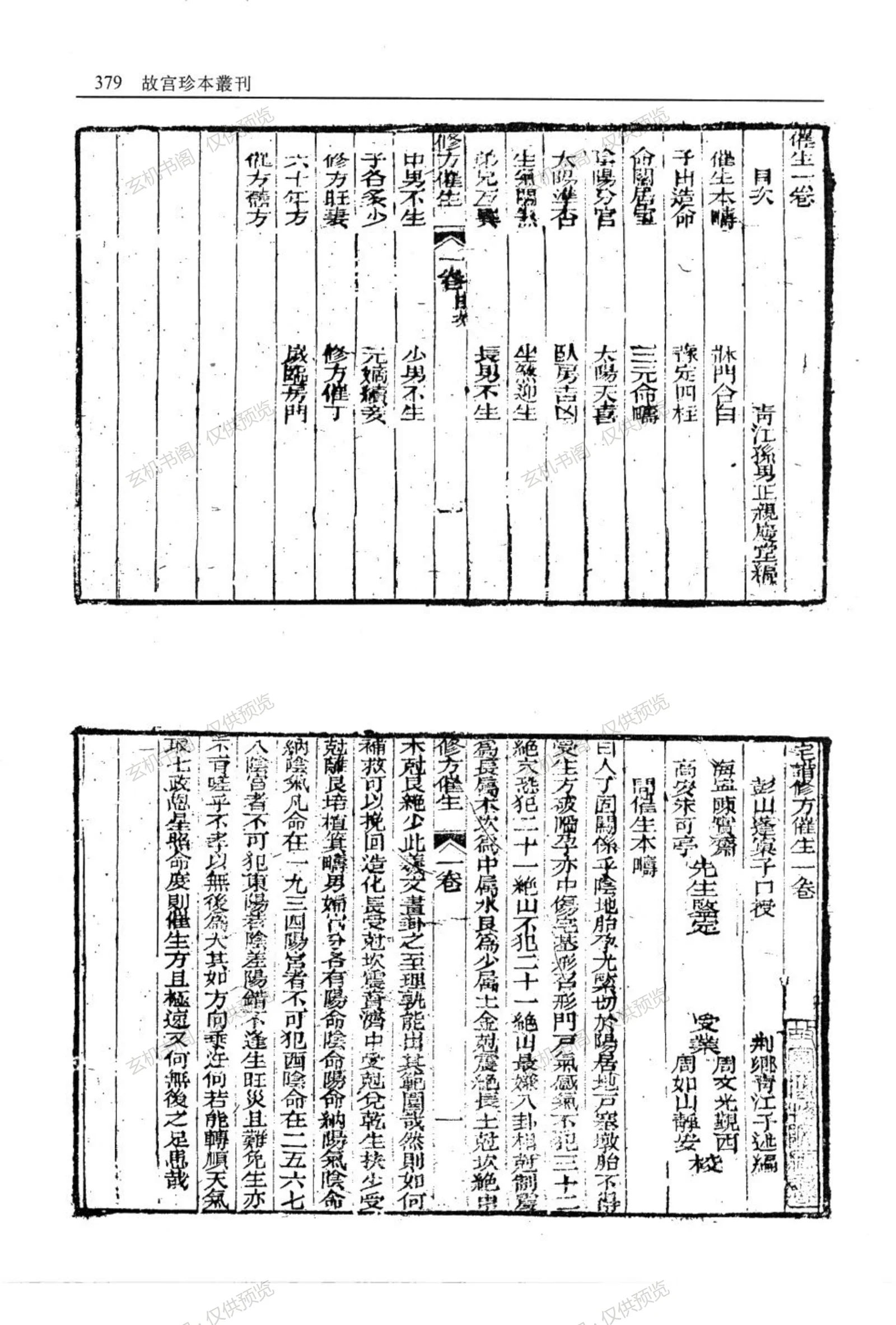
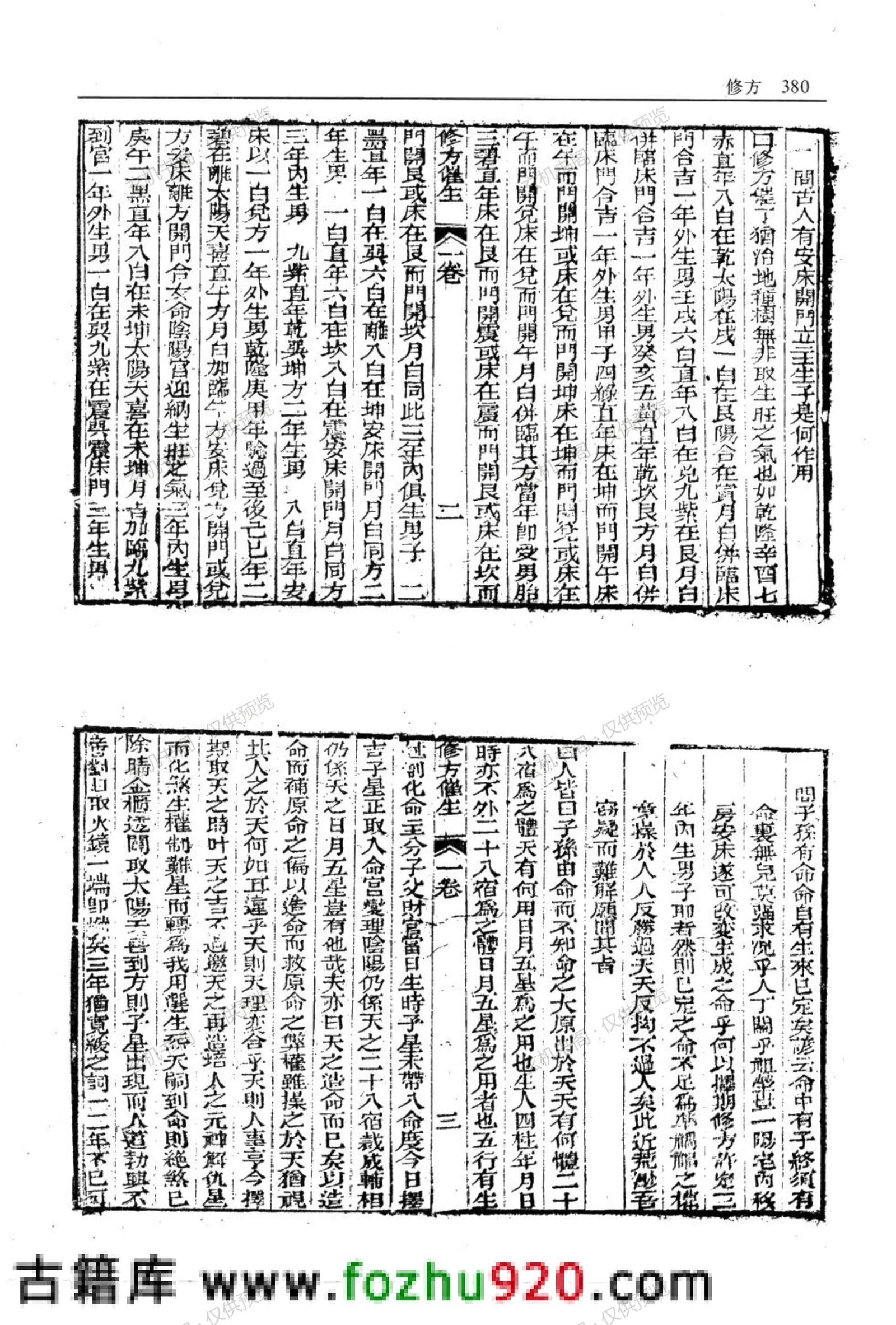
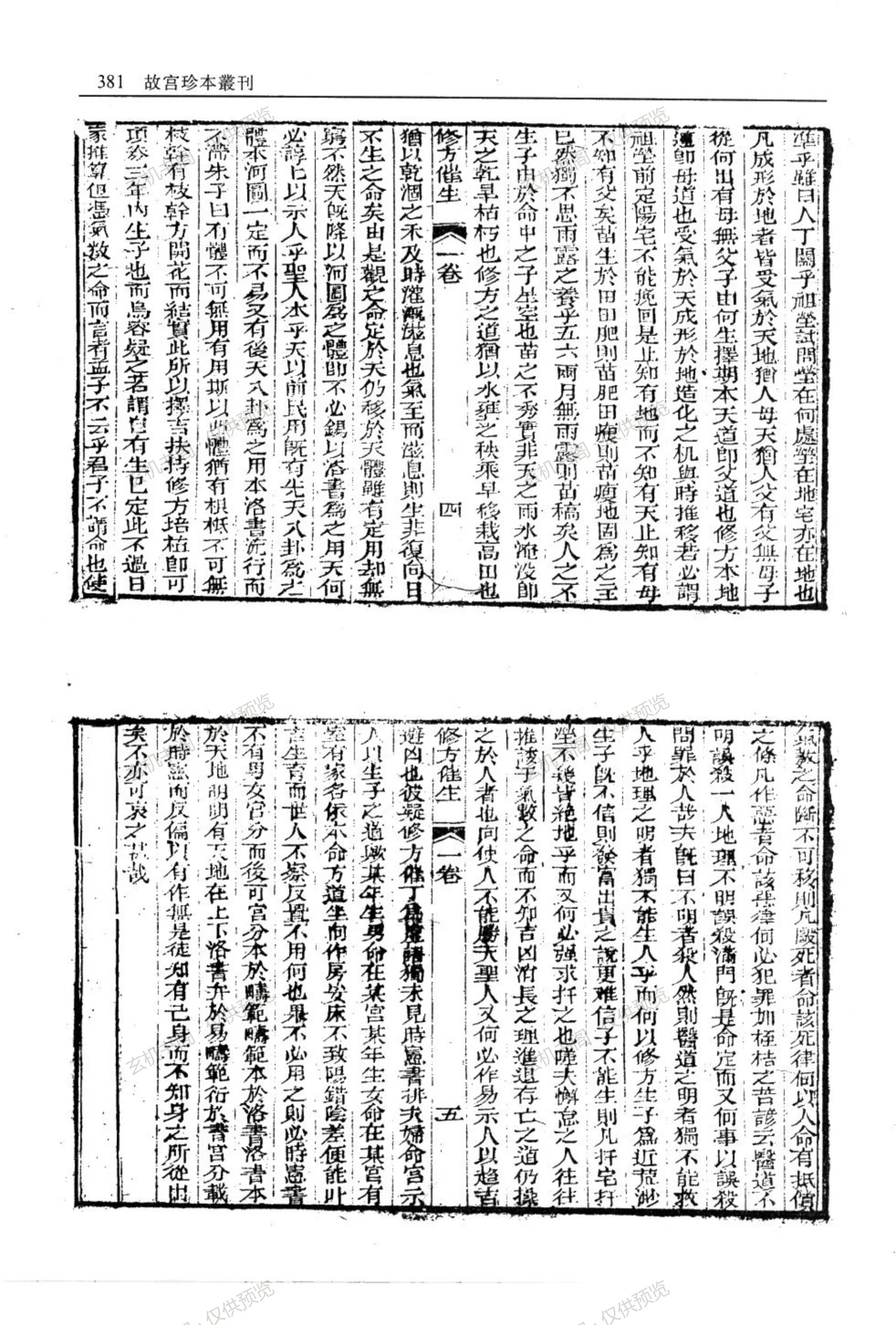
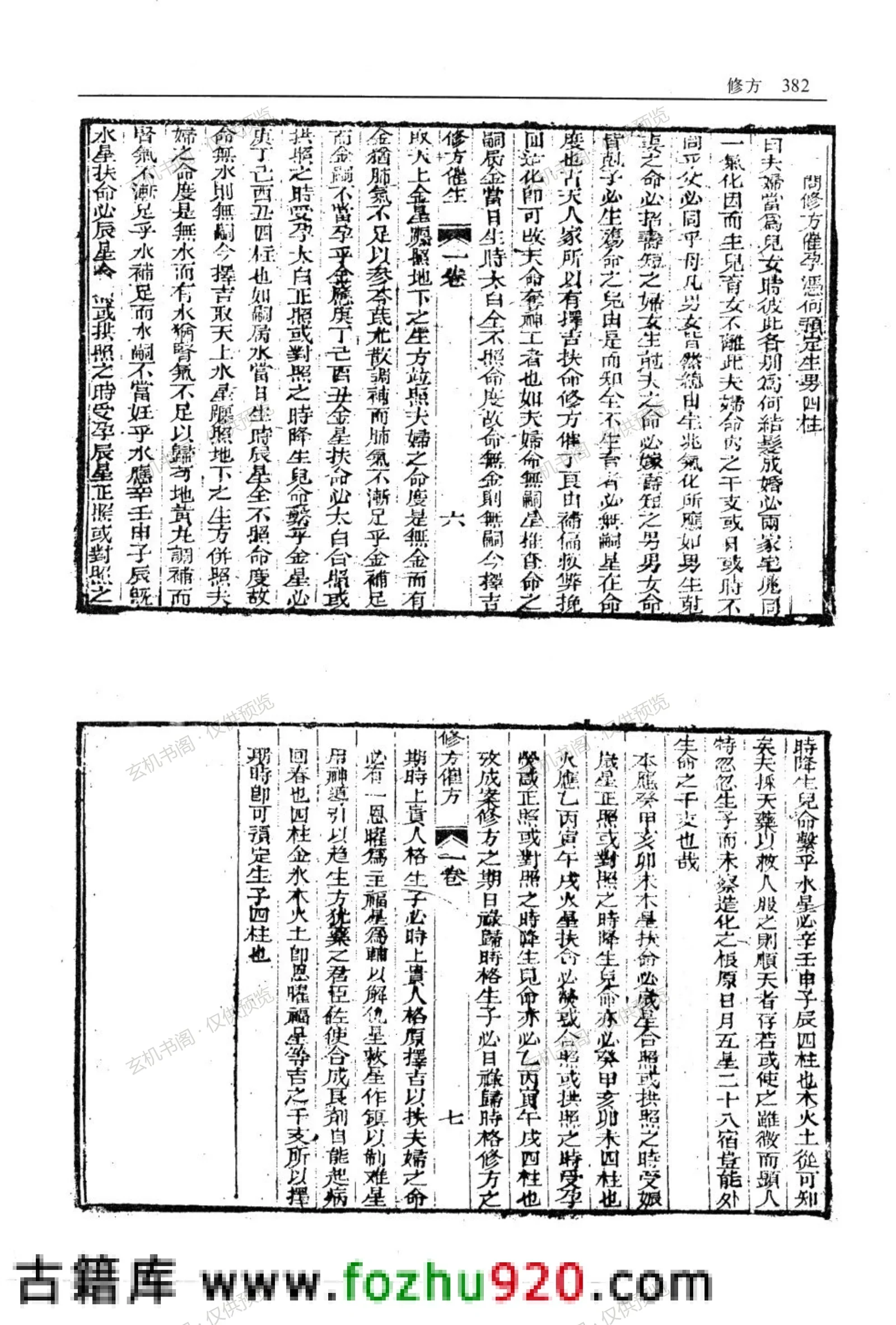
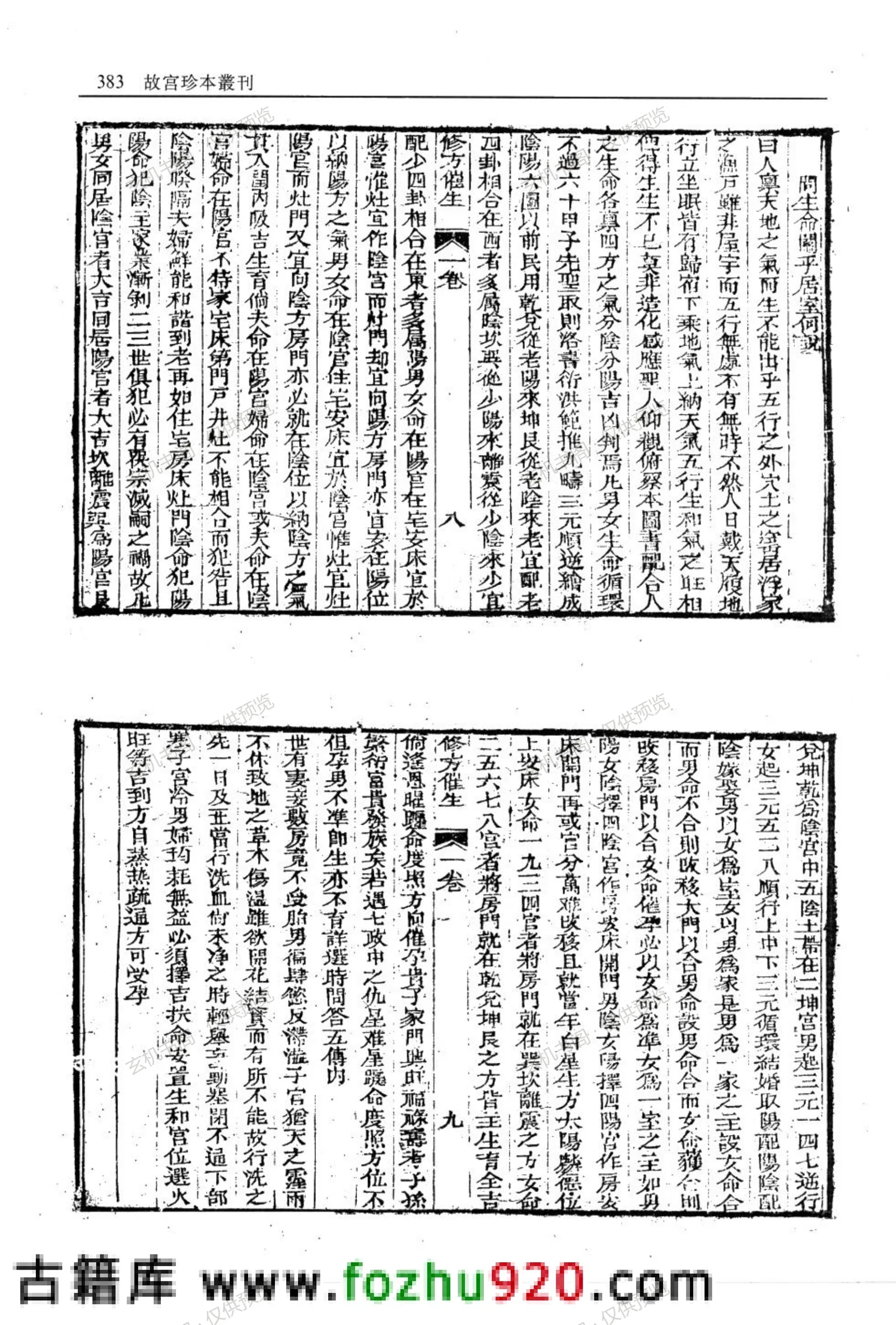
This volume, titled 'Zhaipu Xiufang Cuisheng' from the larger Yangzhai Dacheng collection and attributed to Wei Qingjiang, focuses on using house orientation and spatial remedies to address fertility, difficult childbirth, and lack of male heirs. It draws on Three-Element Nine-Palace theory, yin-yang life hexagrams, the twenty-four mountains, and the twenty-eight lunar mansions. The text includes a preface dated 1724 by Guo Xiongfei, a table of contents, and detailed discussions of bed placement, door openings, incense altars, and kitchen stoves, with prescriptions tuned to the occupant's life trigram and the yearly and monthly auspicious directions. The surviving pages offer a useful glimpse into Qing-era Jiangnan yangzhai practice and fertility customs, though the full text remains to be checked.
Contents
Volume 1: Preface on spatial remedies for childbirth
Contents: natal mandate of birth, palaces for heirs, fetal origin
General principles of spatial remedies
Bed and door placement for childbirth
Remedies for fertility and decline
Auspicious birthing rooms and restrictions
Key Points
Uses Three-Element Nine-Palace and yin-yang life hexagrams to analyze fertility
Emphasizes corrective placement of beds, doors, incense altars, and stoves
Links spatial remediation to personal trigrams and yearly/monthly omens
Discusses sex selection and restrictions on birthing rooms
Prefaces preserve clues to Qing-dynasty transmission of yangzhai lore