Reading guide
Content guideOverview
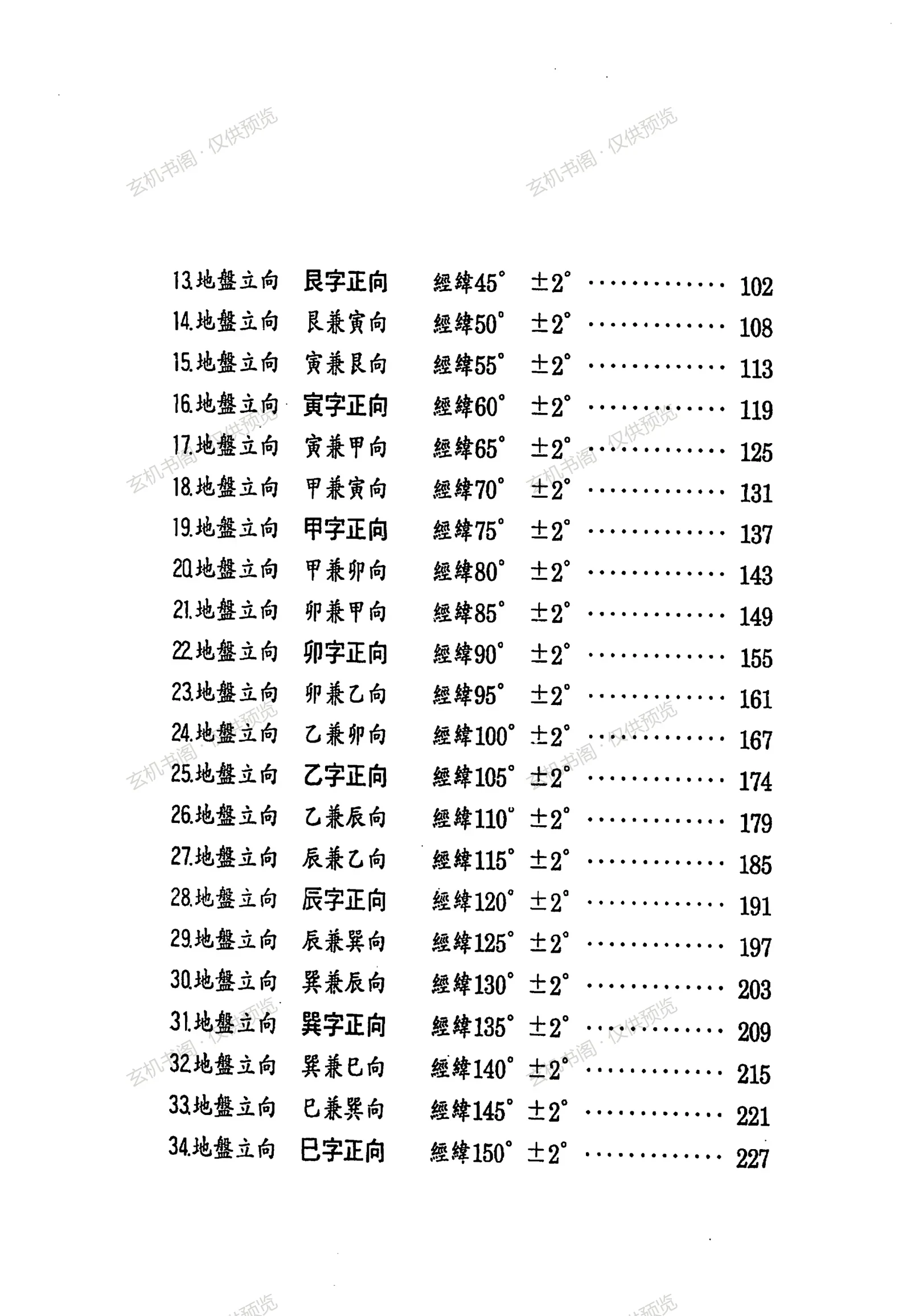
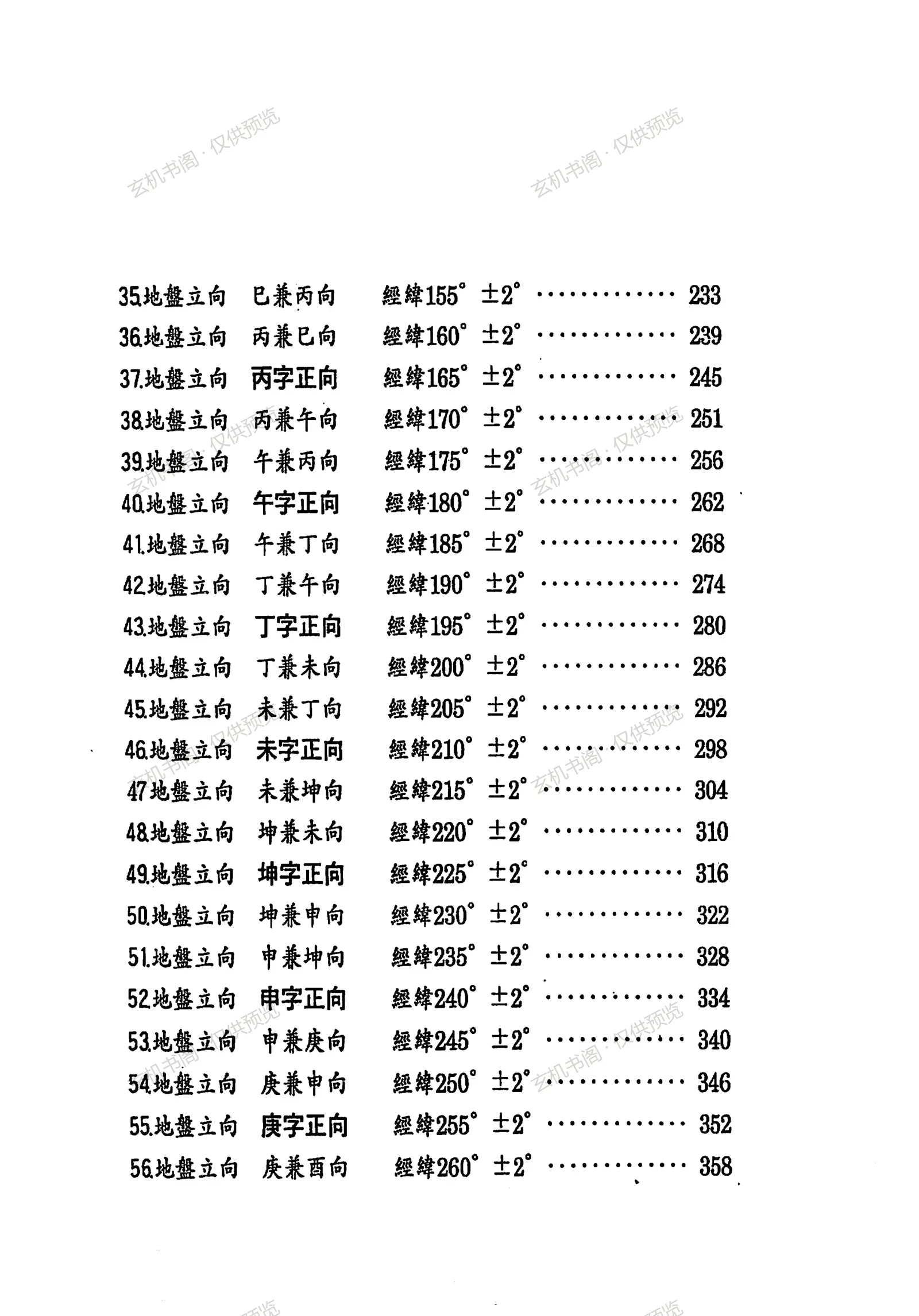
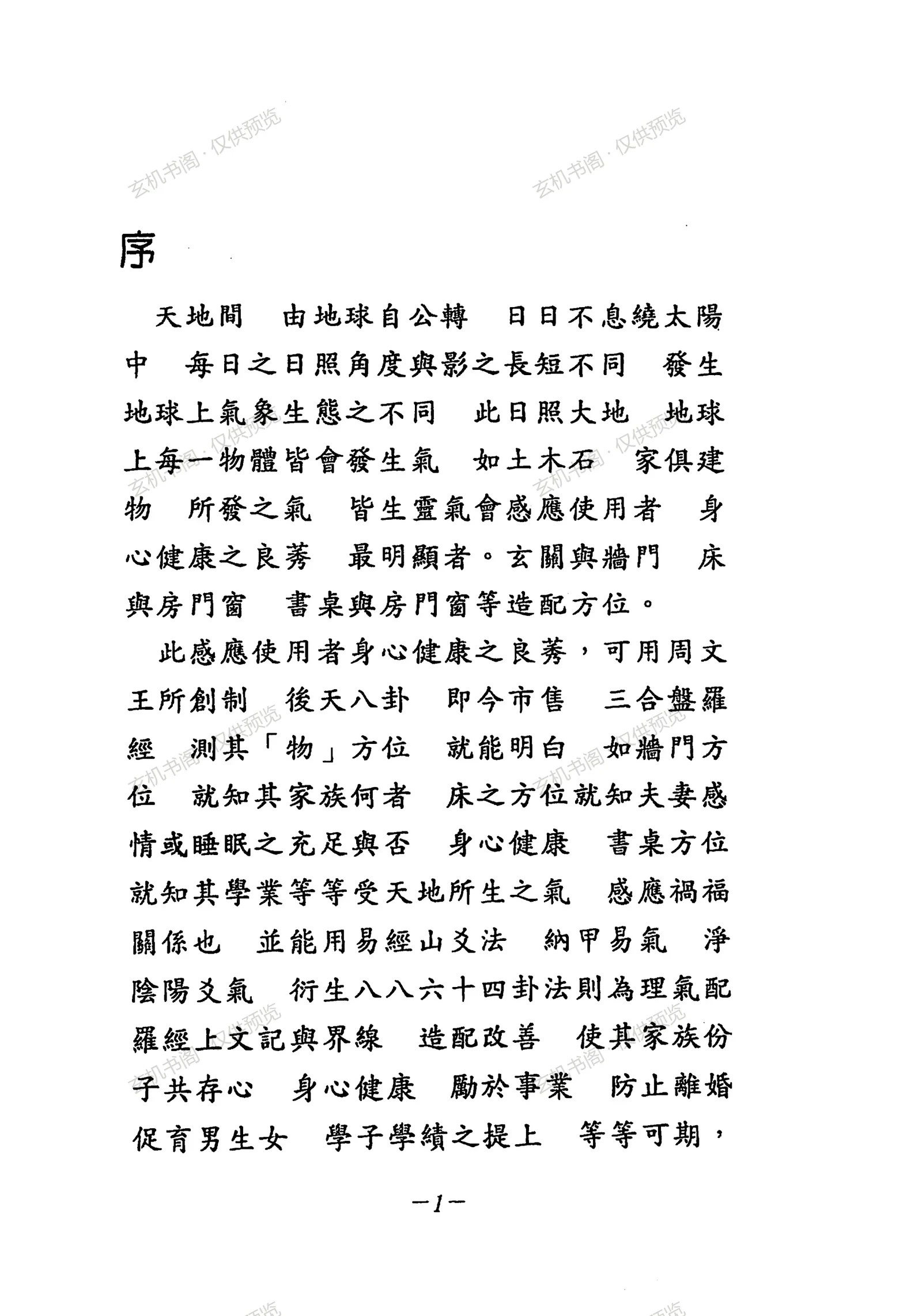
Written by Zhang Qinghe and dated summer 1999, this is a practical handbook of yang-dwelling feng shui. The author, born in 1930, describes using the Later Heaven Bagua together with a Sanhe luopan to measure the orientation of objects in a house and judge fortune or misfortune. Chapter one sets out basic ideas of dwelling siting and the knowledge a reader needs to begin. Chapter two explains how to establish orientation benchmarks, then works through seventy-two 'earth-plate' orientations in five-degree steps from Ren正 at 345° around to Ren兼Hai at 340°, each with diagrams showing how walls, doors, beds and study desks should be placed and corrected. The preface argues that sunlight, earth qi and the qi emitted by buildings affect residents' health, and claims that Yijing line methods, najia qi, pure yin-yang and the sixty-four hexagrams can be combined with luopan bearings to improve family fortune, study and marriage. Its value lies in turning abstract theory into measurable angles and drawings, though the reasoning rests largely on personal experience rather than cited sources.
Contents
Preface: earth qi and compass measurement
Ch.1: dwelling siting and basic feng shui ideas
Knowledge required before beginning
Ch.2: establishing orientation benchmarks
Seventy-two orientation diagrams: walls, doors, beds, desks
Key Points
Uses a Sanhe luopan to measure object orientations indoors.
Lists seventy-two earth-plate orientations in five-degree steps.
Each orientation has diagrams for doors, beds and desks.
Recommends najia qi and pure yin-yang methods for adjustment.
Preface claims the method offsets innate fate by over thirty percent.