Reading guide
Content guideOverview
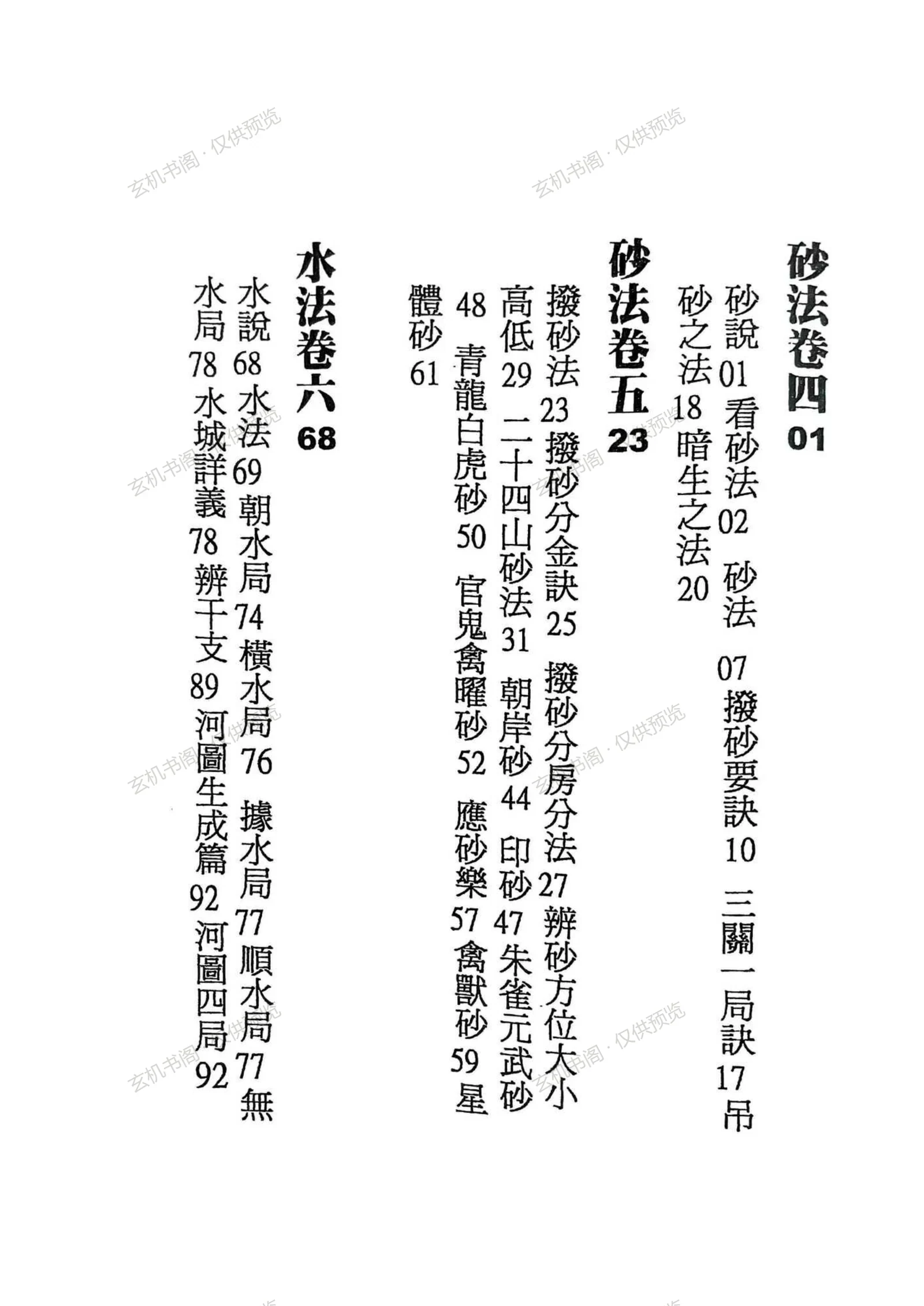
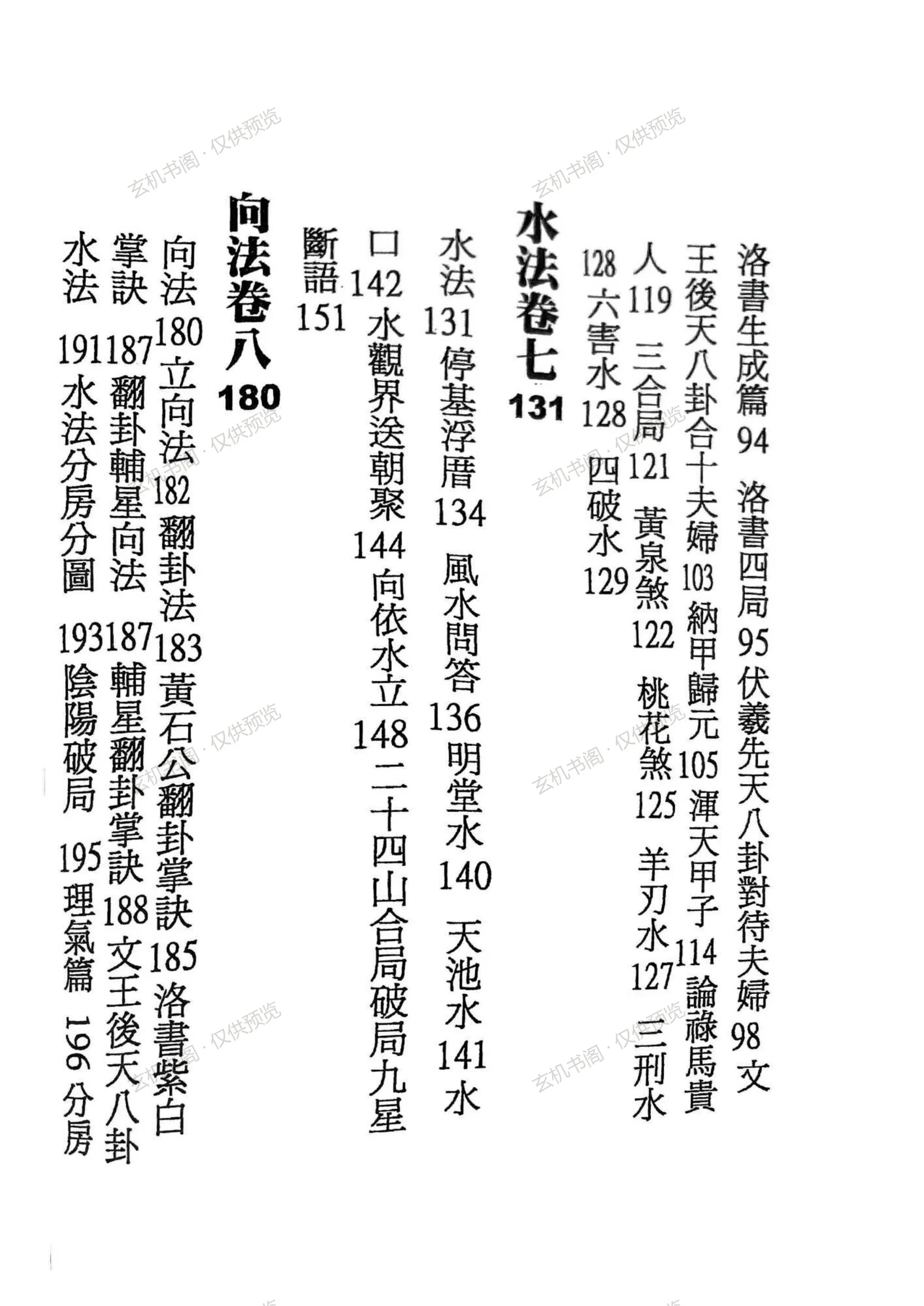
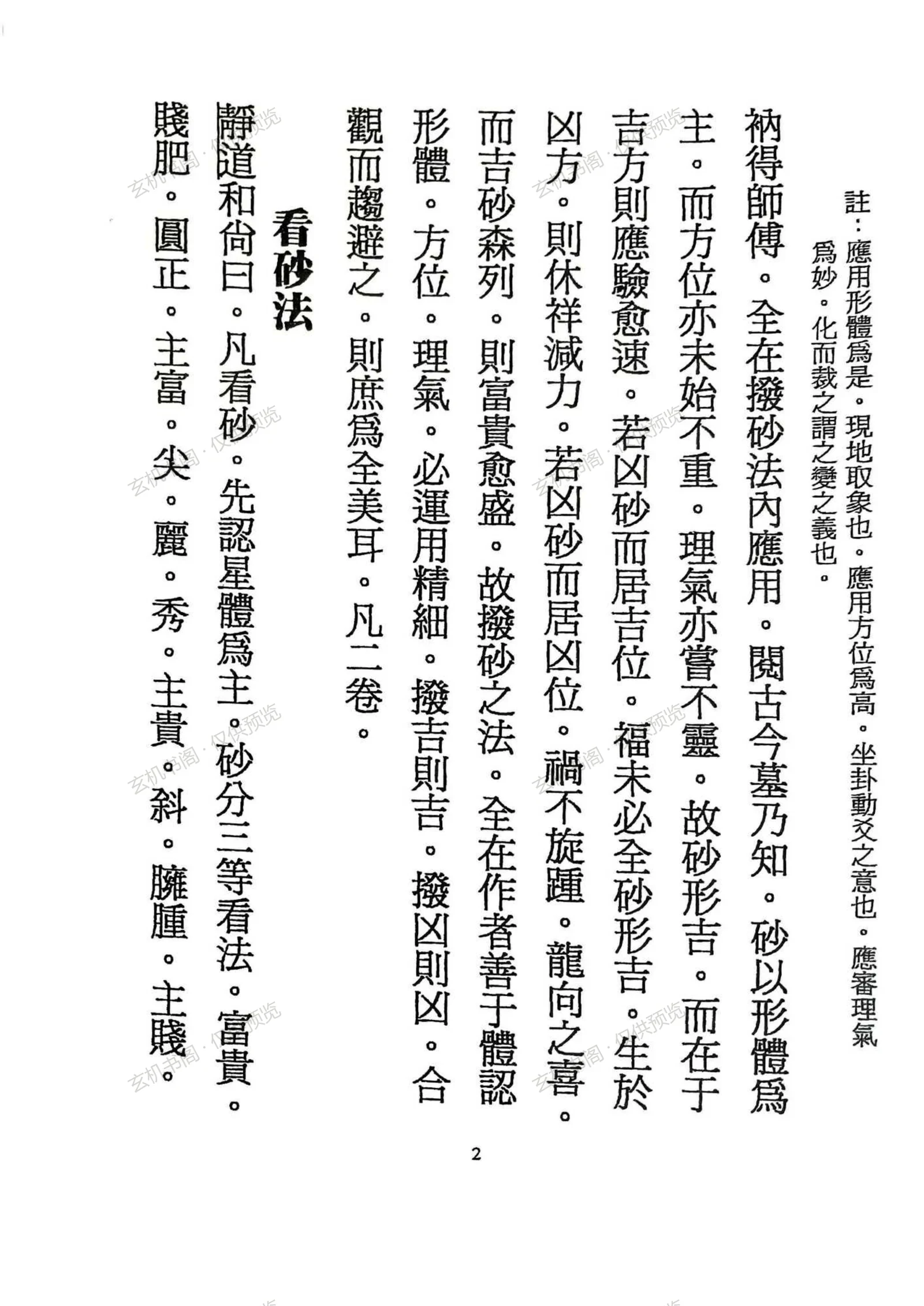
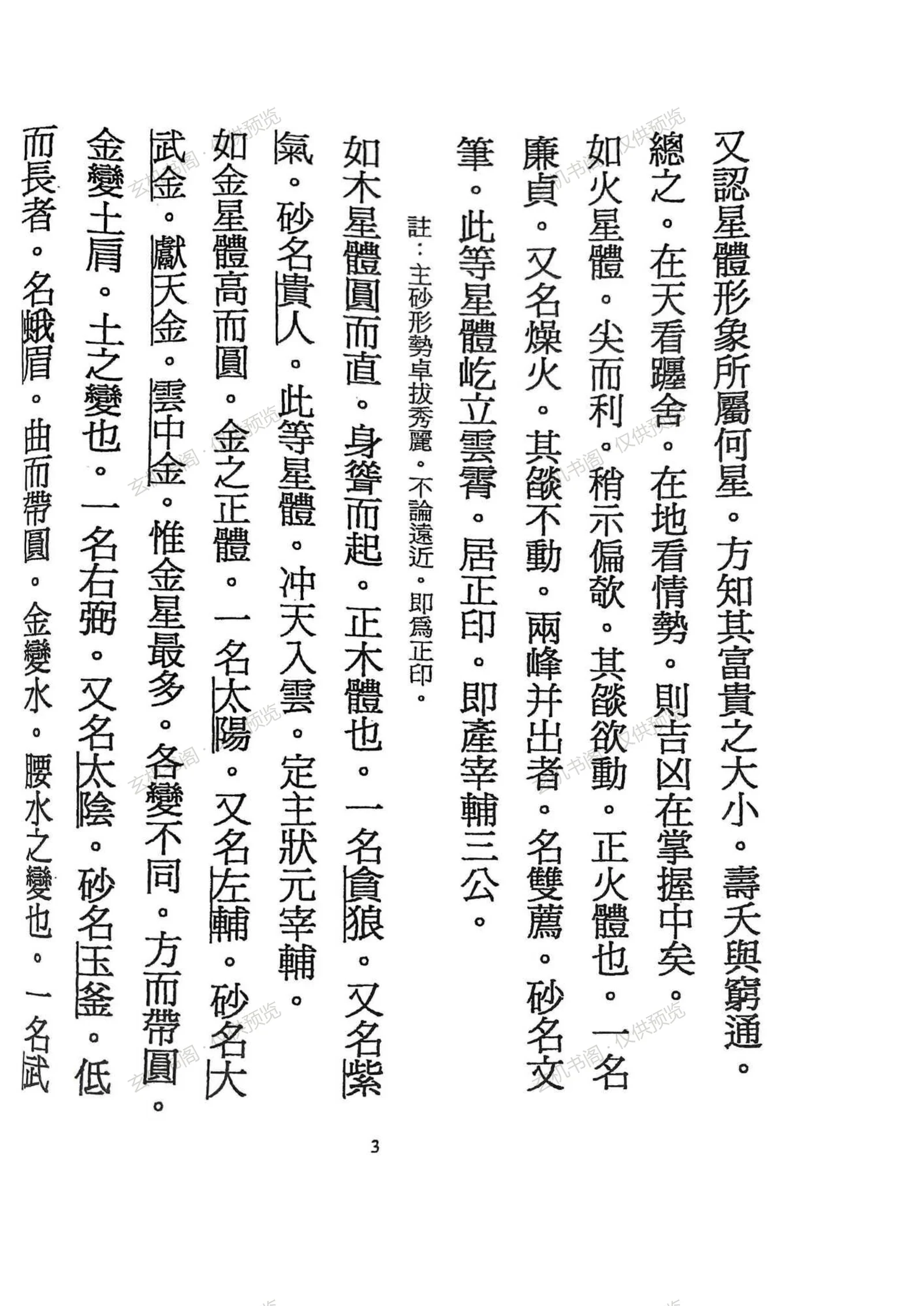
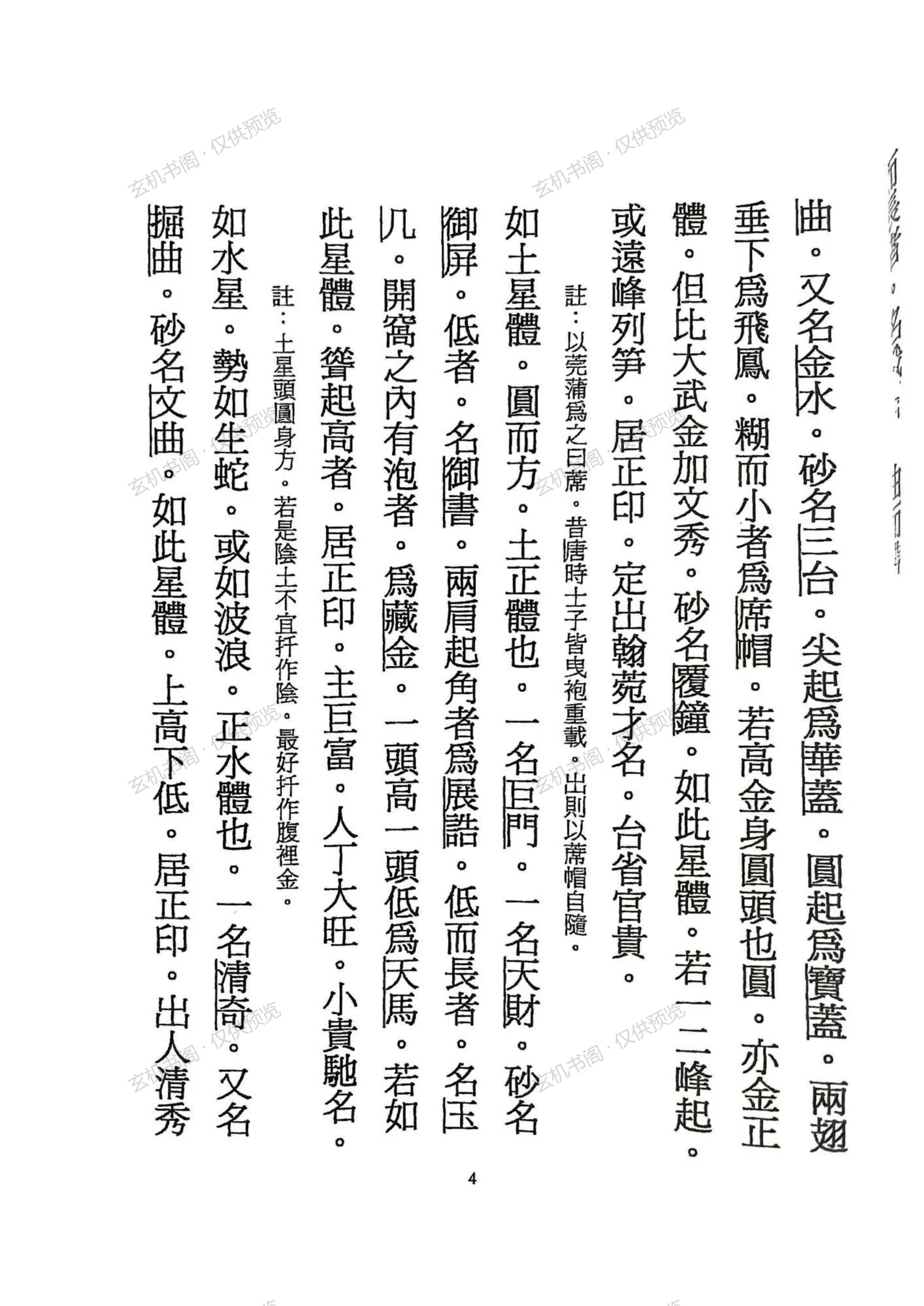
This is the lower volume of Ye Chengfei's annotated edition of the Diyan quanshu, attributed on the cover to the Song-dynasty monk Jingdao. It opens with the method of reading sand (sha), classifying landforms by the five planetary shapes—round metal, straight wood, curved water, pointed fire, square earth—and judging fortune by whether they are upright or crooked. The table of contents lists sand methods in chapters four and five (including sand-division, the twenty-four mountains, and guest-host sand types), water methods in chapters six and seven (court, transverse, gathered, and following water, plus inauspicious waters such as Yellow Spring and Peach Blossom), and facing methods in chapter eight (setting orientations, flip-trigram methods, and the Huang Shigong and Fuxing palm formulas), closing with理 qi sections on house-division analysis. It is a key text for studying the form school of Chinese geomancy.
Contents
Reading sand: identify star bodies first, three grades of sand
Sand methods, ch. 4–5: sand division and 24-mountain sand
Water methods, ch. 6: city water, court, transverse and gathered water
Water methods, ch. 7: six harmful waters, Yellow Spring, Peach Blossom
Facing methods, ch. 8: orientation, flip-trigram and palm formulas
Liqi and house division: yin-yang broken layouts and charts
Key Points
Judges sand by five planetary shapes: upright means wealth, crooked means poverty
Sand methods combine position with liqi; correct placement brings fortune
Water methods cover court, transverse, gathered and following layouts plus harmful waters
Facing methods use flip-trigram and Fuxing palm formulas for orientation and house division
Together with the upper volume it forms a complete sand-water-facing system