Reading guide
Content guideOverview
Yi Fa Zi Ran: Cracking the Original Face of the Zhouyi by Jia Bingran is a theoretical work on Yijing studies. Its central claim is that the five phases are essentially a model of natural environment and climate change, and on this basis the author reinterprets the five phases, heavenly stems and earthly branches, the Hetu and Luoshu diagrams, and the bagua. The book is divided into three parts: a foundational section on fate, the value of Yijing learning, the five phases, bagua, stems and branches, and the Hetu-Luoshu; an advanced section on the unity of heaven and humanity and heaven-human resonance; and a higher section applying these principles to bazi fate calculation, fengshui adjustment, name studies and liuyao divination. The author argues that traditional Yijing theory lacked grounding and seeks to rebuild it from the regularities of the natural environment. The book suits readers with some prior exposure to Yijing and Chinese metaphysics who want to understand the theoretical foundations of traditional divination systems.
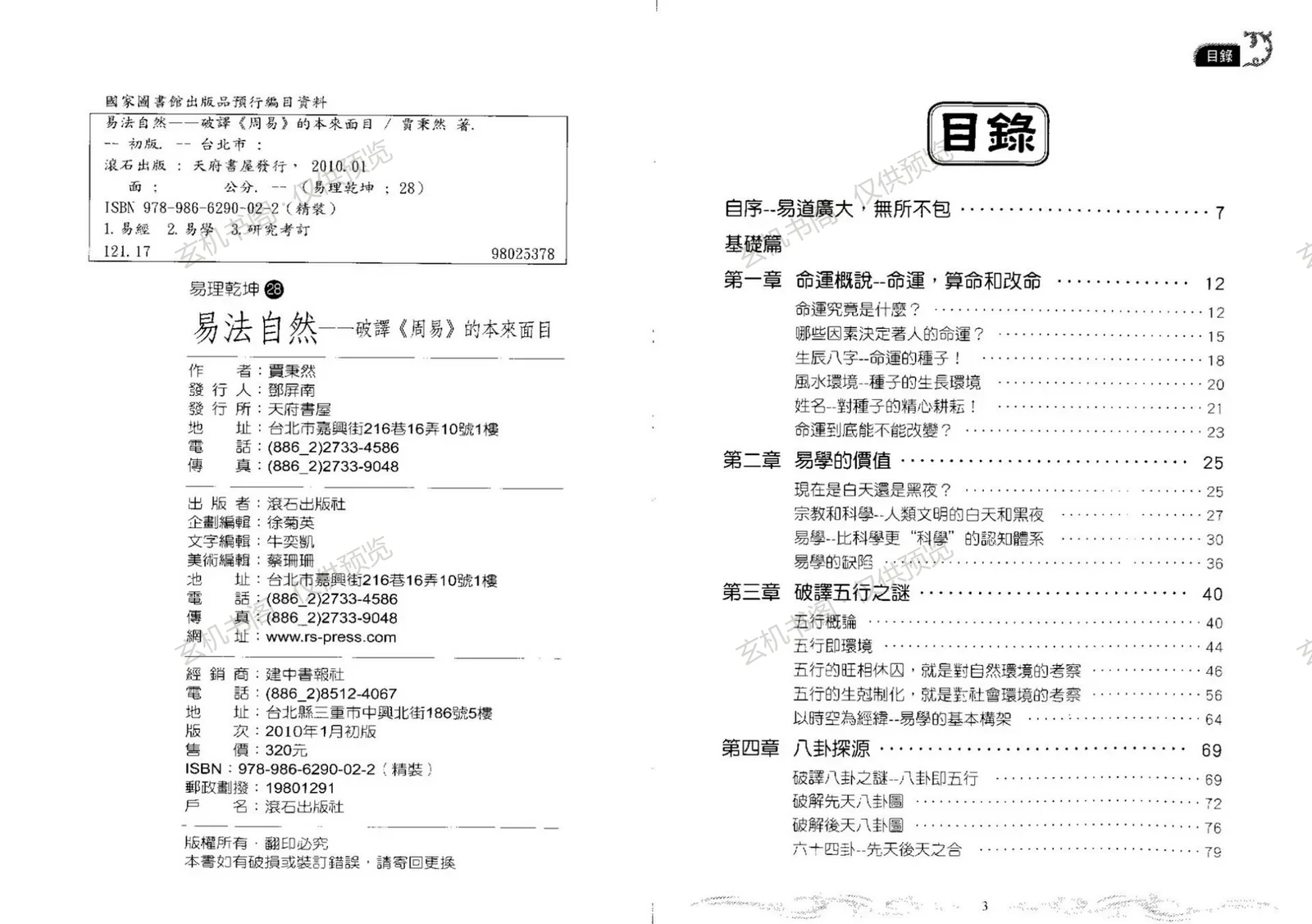
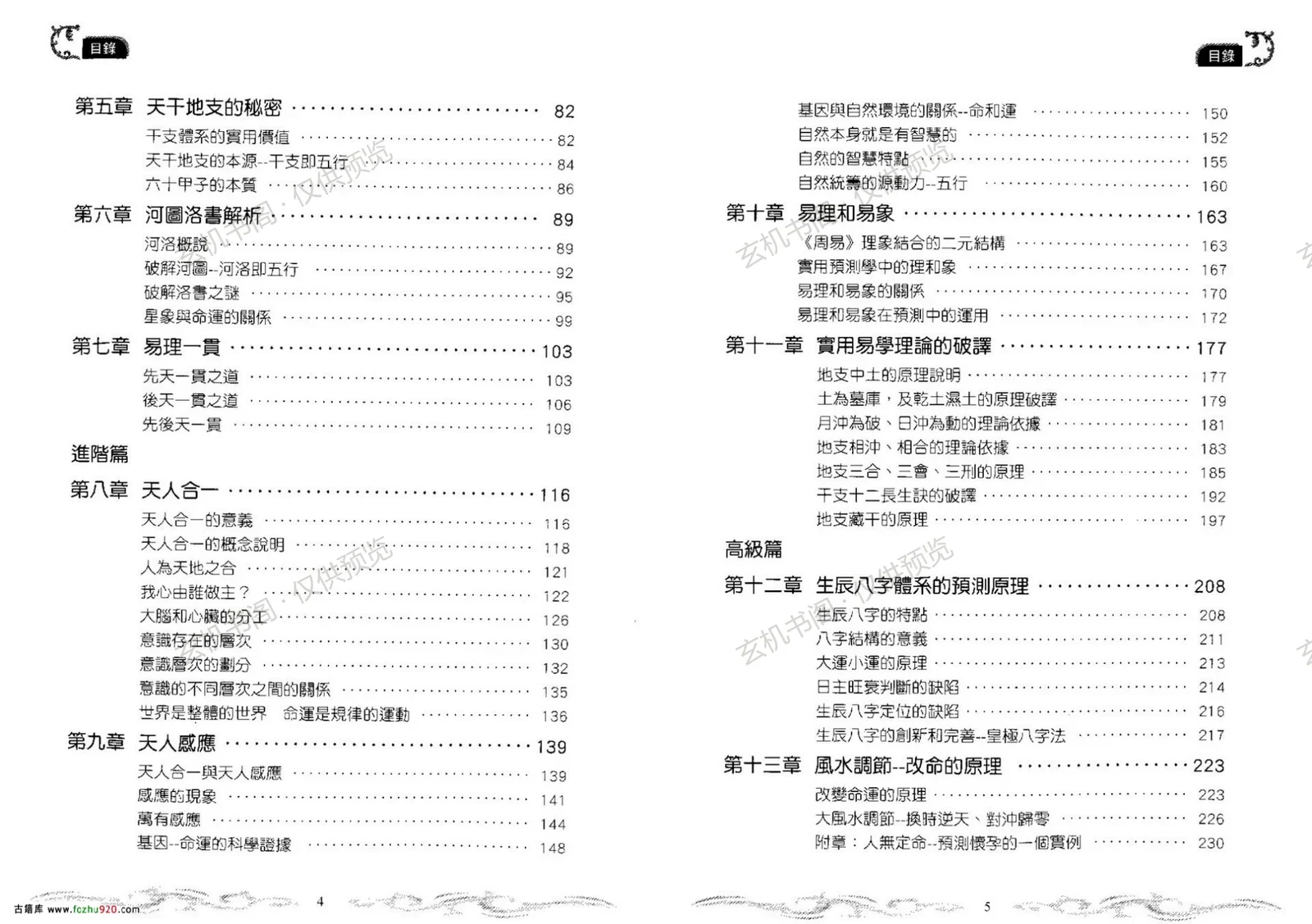
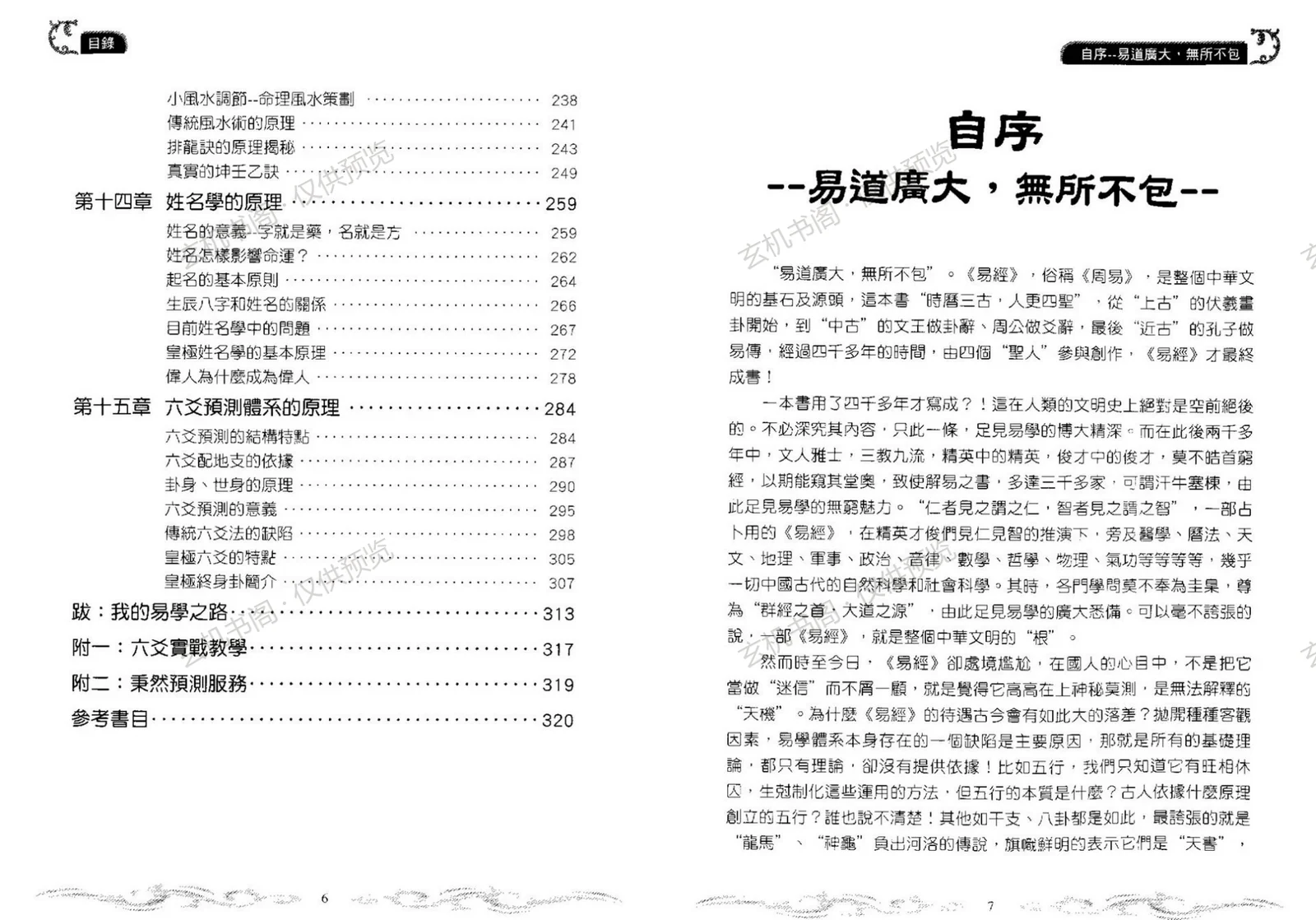
Contents
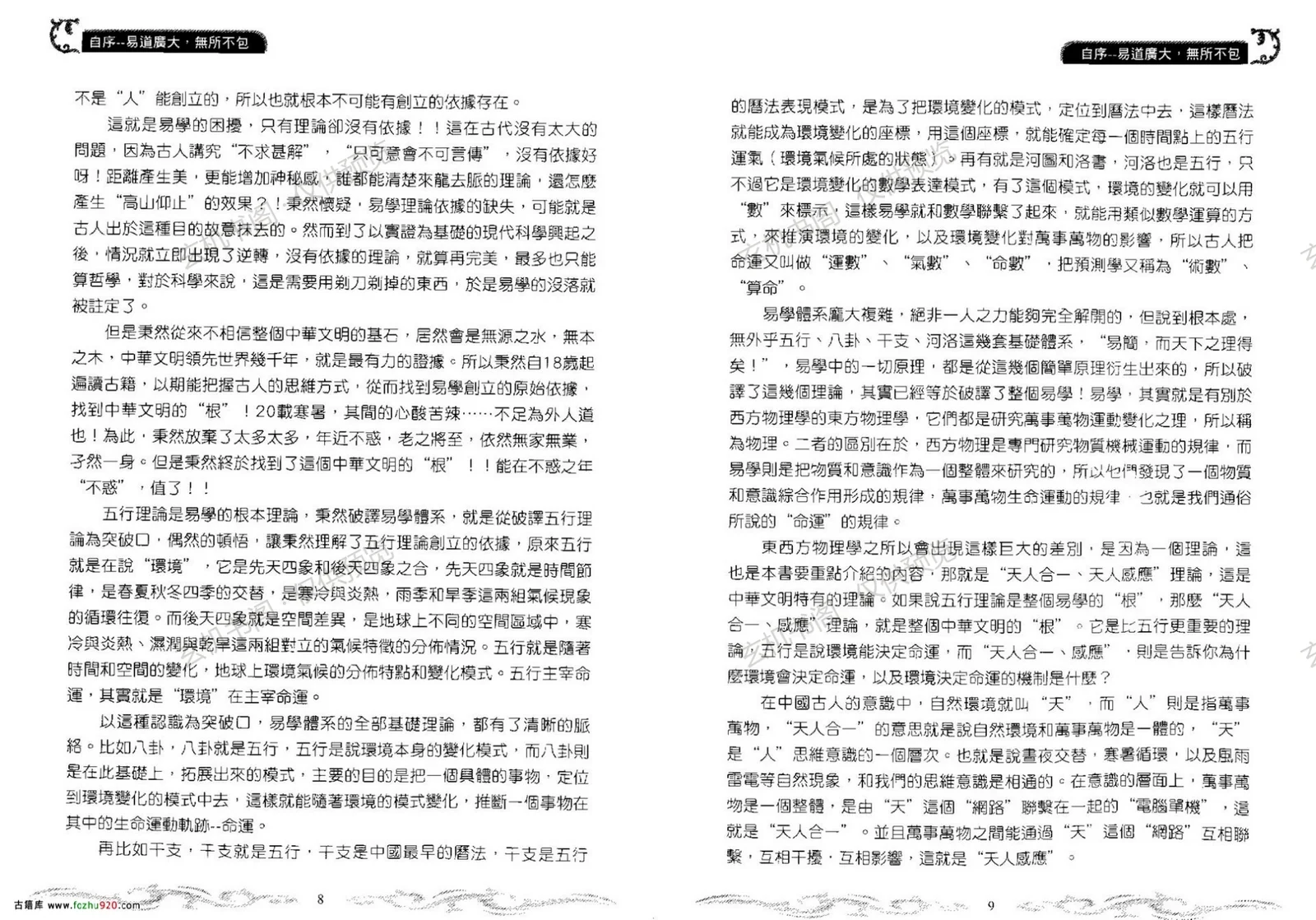
Preface: the vastness of the Yijing way
Foundations: fate, the value of Yijing learning
Decoding the five phases and bagua
Heavenly stems, earthly branches, Hetu-Luoshu
Advanced: unity of heaven and humanity, resonance
Higher: bazi, fengshui, names, liuyao principles
Key Points
Reinterprets five-phase interactions through the idea that the five phases are environment
Unifies stems, branches, Hetu-Luoshu and bagua under an environmental-change model
Presents heaven-human unity and resonance as the root theory of Yijing learning
Extends the theory to bazi, fengshui, name studies and liuyao divination
Criticizes traditional Yijing theory for lacking evidence and offers naturalistic explanations