Reading guide
Content guideOverview
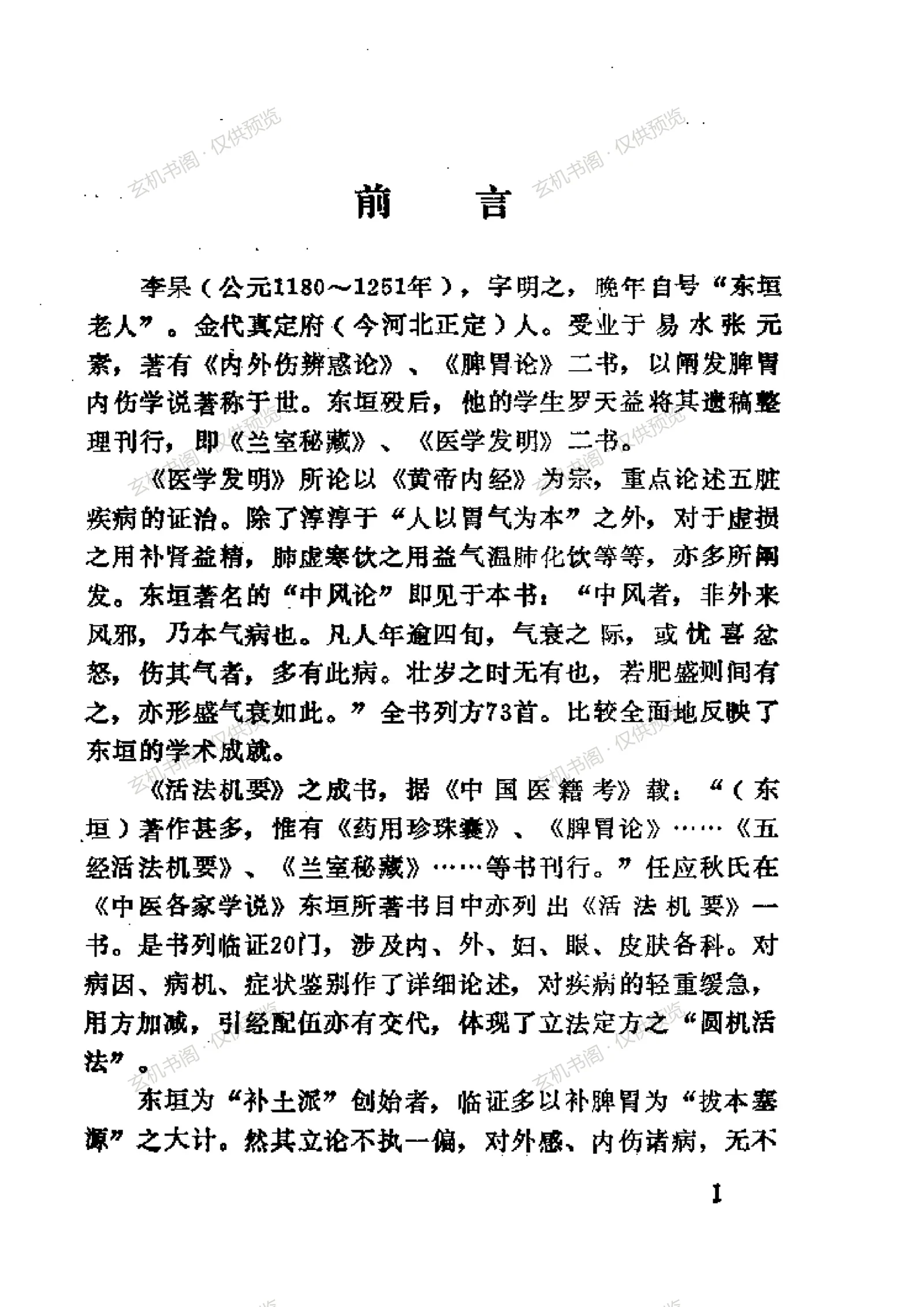
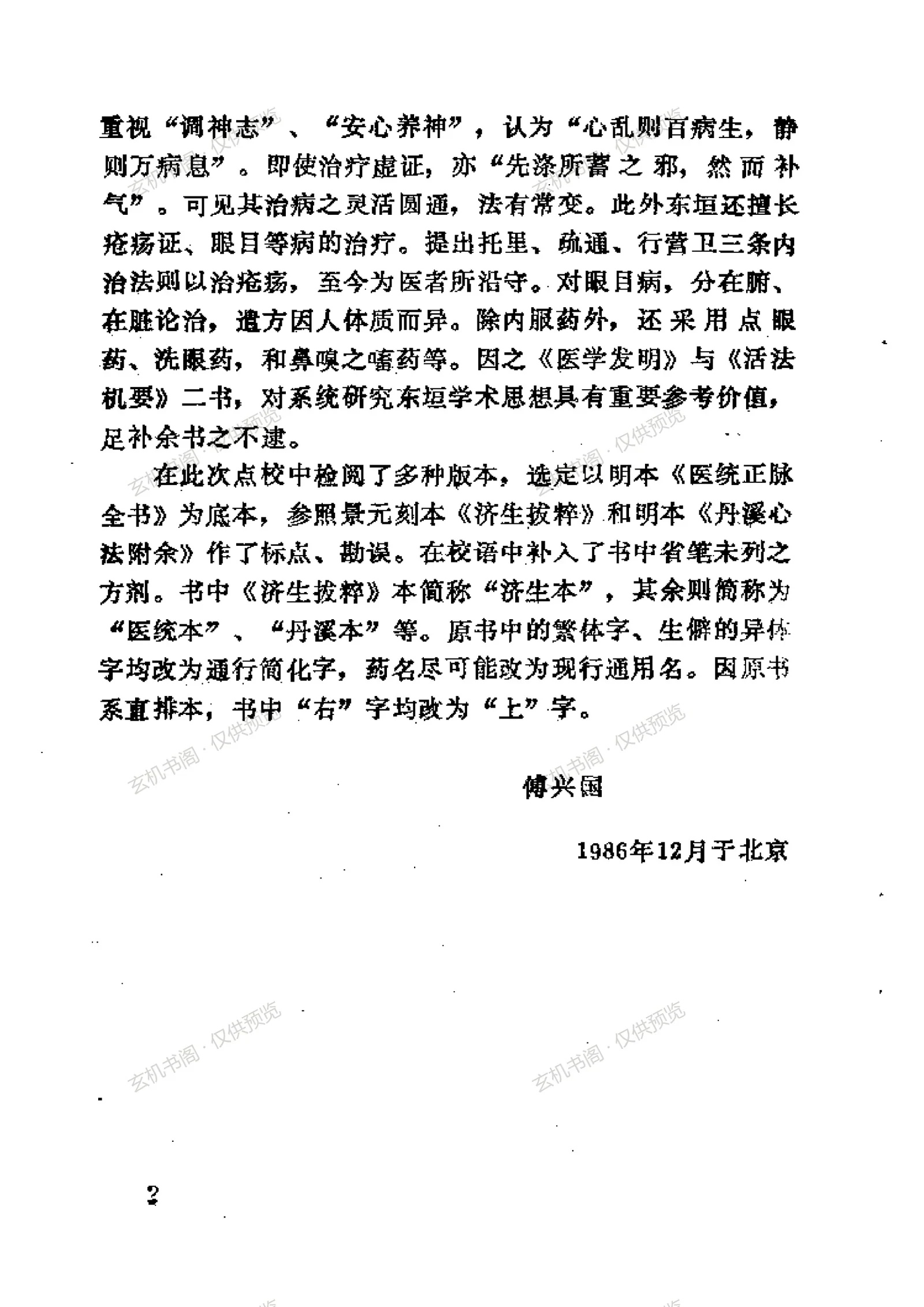
This volume brings together two medical writings by Li Gao (known as the Venerable Dongyuan) of the Jin dynasty. Medical Inventions takes the Huangdi Neijing as its doctrinal basis and focuses on the pattern identification and treatment of five-zang diseases, elaborating on the principle that stomach qi is fundamental while also addressing kidney-supplementing and lung-warming approaches; its chapter on wind-stroke is especially representative, and the book contains seventy-three formulas. Essential Methods of Flexible Treatment presents twenty clinical categories covering internal medicine, external medicine, gynecology, ophthalmology and dermatology, with detailed discussion of etiology, pathogenesis and symptom differentiation, as well as formula modifications and guiding-medicinal combinations. The punctuated edition uses the Ming Yitong Zhengmai Quanshu as its base text, collated against the Jingsheng Baicui and Danxi Xinfa Fuyu, with characters standardized to simplified forms.
Contents
Publisher's note and preface
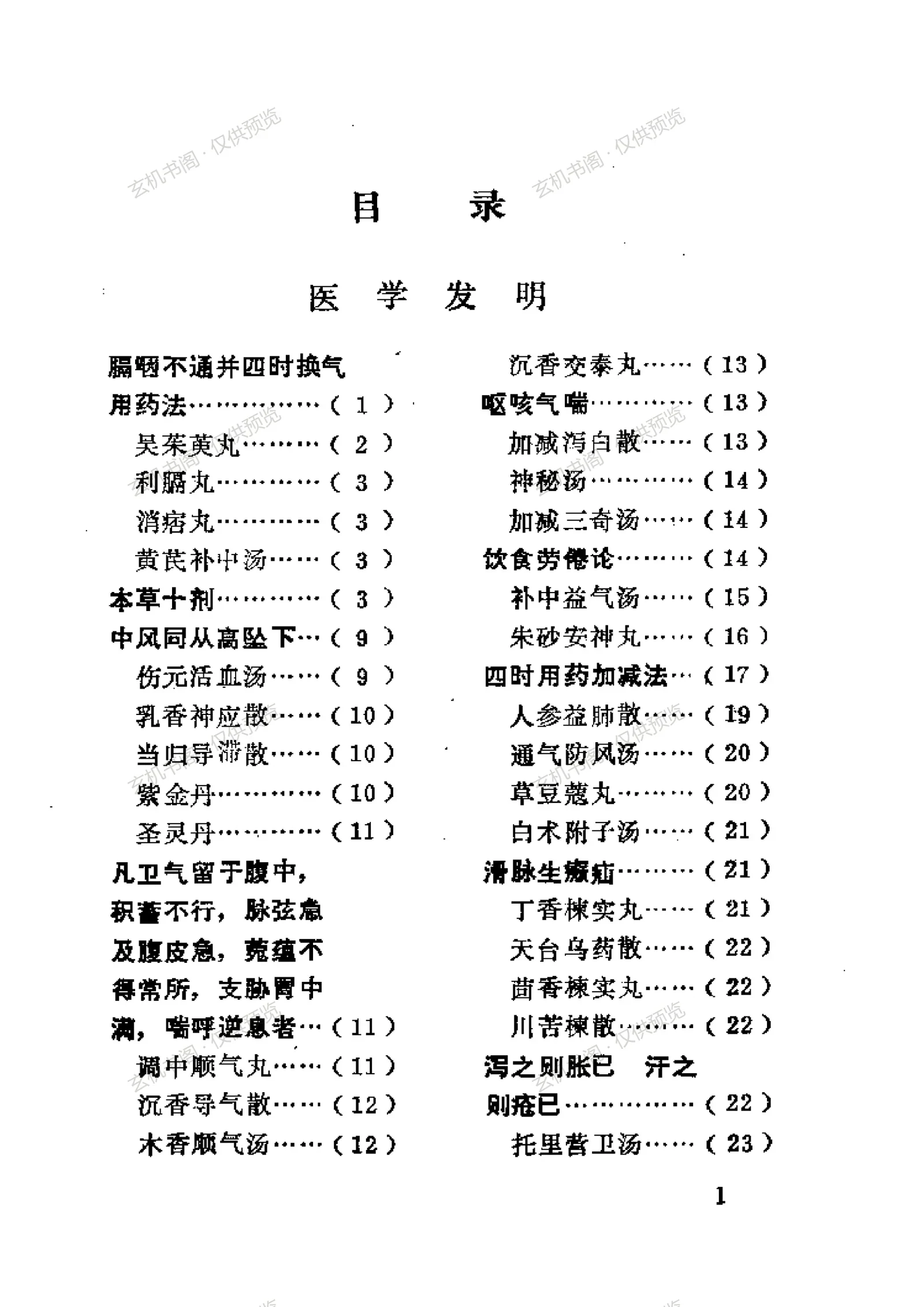
Medical Inventions: throat blockage and seasonal qi-regulating methods
Medical Inventions: ten categories of materia medica; wind-stroke from falls
Medical Inventions: dietary fatigue and seasonal formula modifications
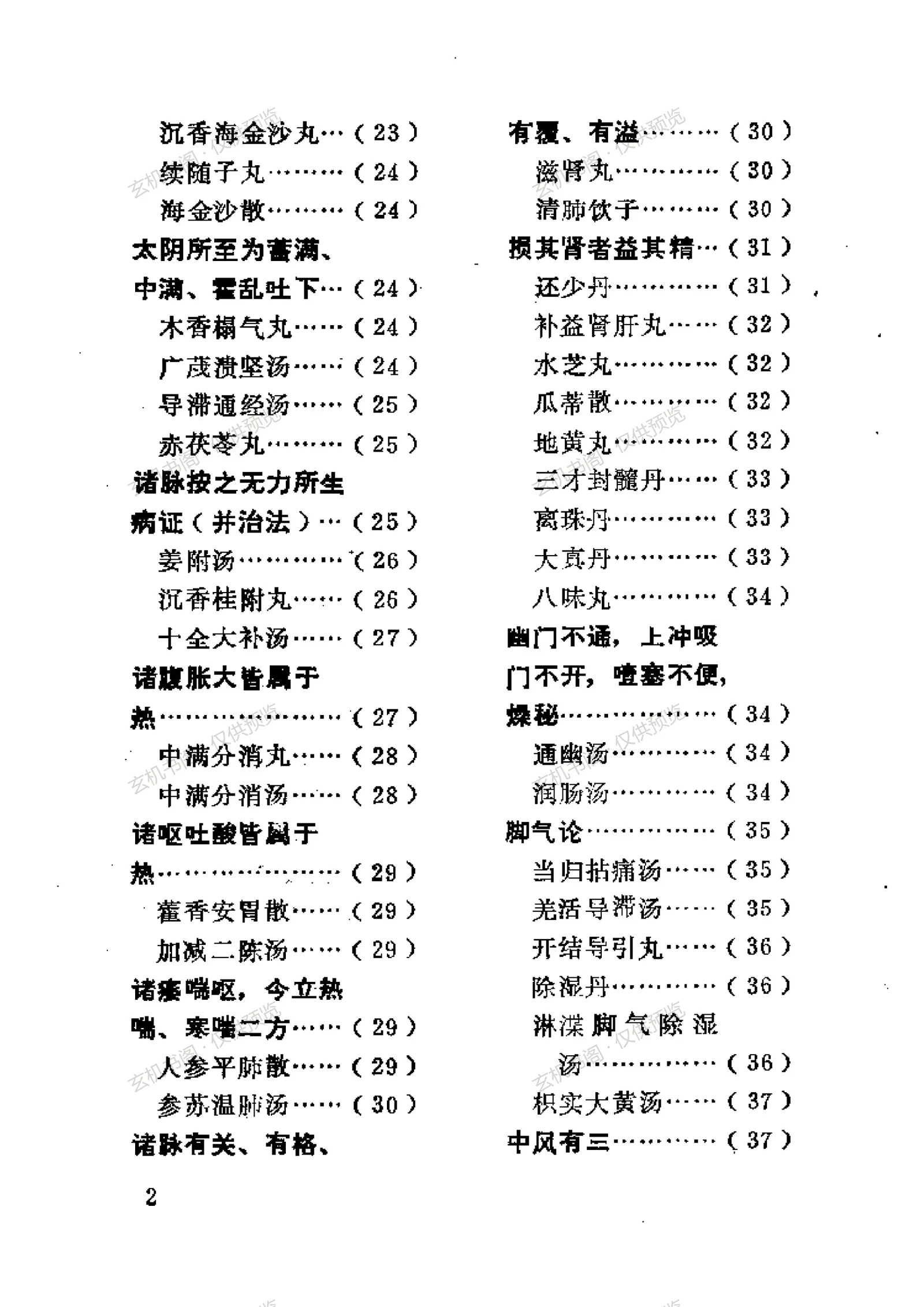
Medical Inventions: weak pulse patterns and treatments
Medical Inventions: wind-stroke types, beriberi, seeking the root of disease
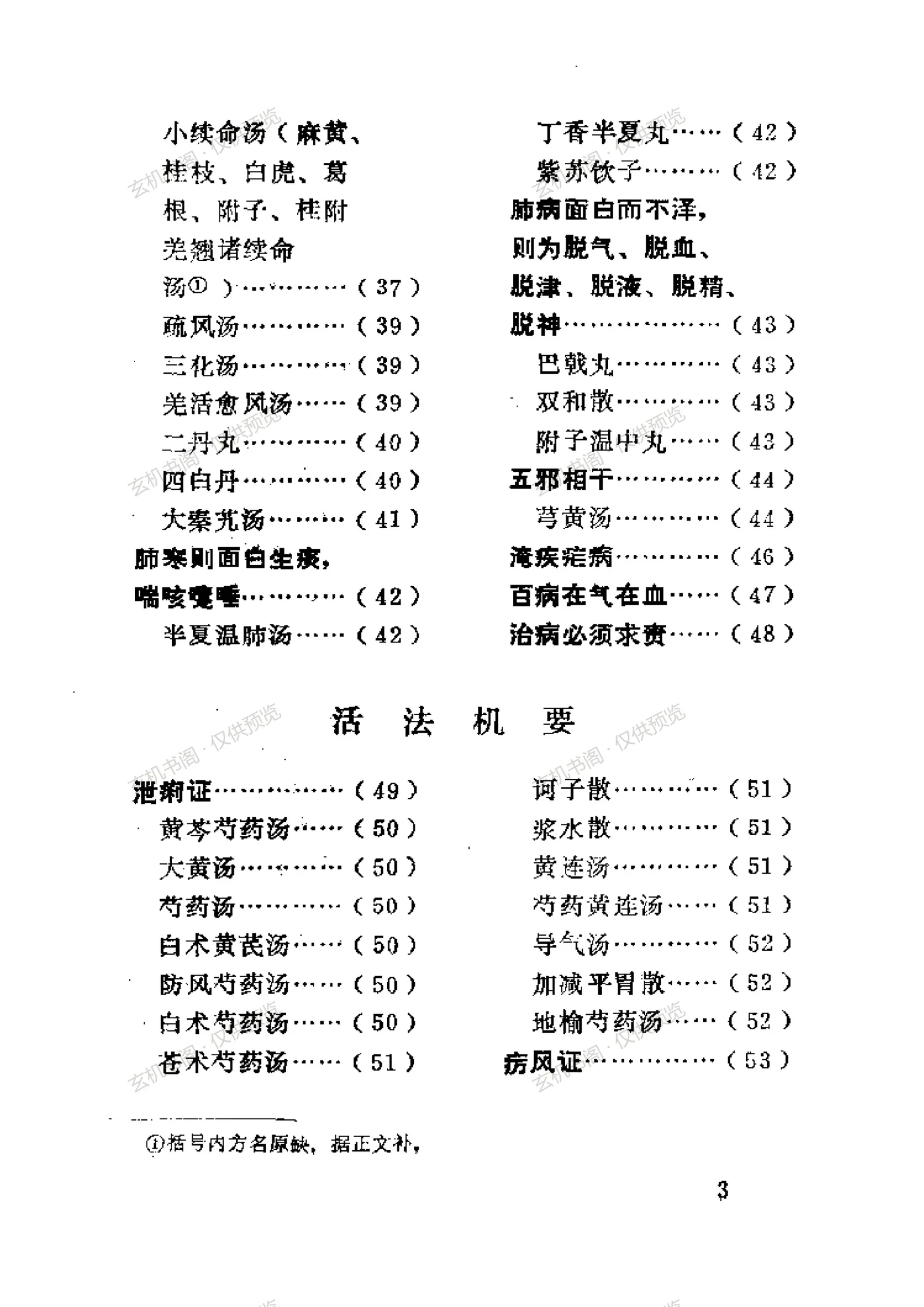
Essential Methods: diarrhea and leprosy patterns
Key Points
Li Gao founded the spleen-stomach school, often treating by supplementing spleen and stomach
Medical Inventions follows the Neijing and covers five-zang disorders with 73 formulas
Includes Li Gao's famous wind-stroke essay arguing it arises from internal qi dysfunction
Essential Methods presents twenty clinical categories across multiple specialties
Base text is the Ming Yitong Zhengmai Quanshu, collated with other editions