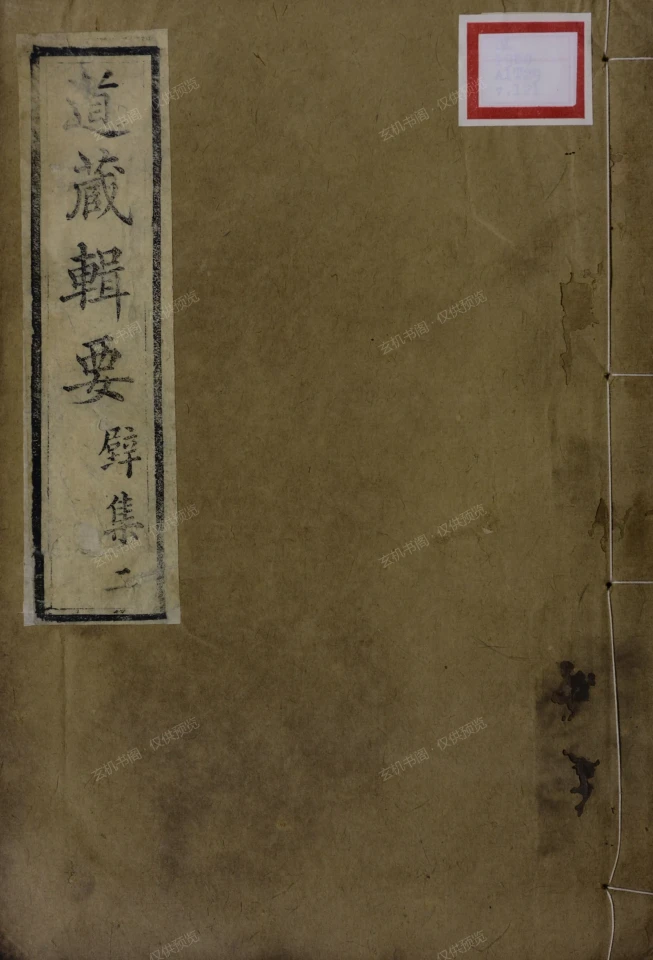
Reading guide
Content guideOverview
The Key to the I Ching (Yiyao) by Chen Ping-yuan is an introductory yet comprehensive study of the Book of Changes. Opening with prefaces that explain the author's motivation, the book argues that the I Ching remains the root of Chinese cultural thought and must be reinterpreted for the modern scientific age. Chapter One uses a question-and-answer format to address whether the I Ching suits modern needs, whether it is superstition, how Western scholars view it, and what is meant by 'the learning of emperors,' 'the learning of heaven and man,' and 'the learning of divination.' Chapter Two traces the origins and schools of Yijing studies, including the four traditions, two branches and six schools, and twelve categories, as well as the relationship between the classics, religion, and numerology. Chapter Three examines the formation and organization of the eight trigrams, the Three Changes (Lianshan, Guicang, Zhouyi), and the dragon, image, and divination texts. Chapters Four and Five discuss the nature of the hexagrams, Taiji, and the Hetu and Luoshu diagrams. Chapter Six addresses the interconnected workings of number, image, and principle. The book emphasizes philosophical and cultural interpretation alongside image-number traditions, making it suitable for readers with some grounding in Chinese classics who wish to understand the framework of Yijing thought.
Contents
Prefaces: motivation and modern concerns
Ch.1 Introduction: questions and key concepts
Ch.2 Origins and schools: four traditions, two branches
Ch.3 Formation of trigrams: Three Changes and texts
Ch.4 Nature of hexagrams: Qian-Kun and sequences
Ch.5 Taiji, Hetu and Luoshu: cosmology and debates
Ch.6 The interconnected workings of number and image
Key Points
Uses a question-driven approach to whether the I Ching is relevant today
Distinguishes Yijing studies from superstition, theology, and science
Surveys the schools: four traditions, two branches and six schools
Explains trigram formation, naming, and the Three Changes
Discusses Taiji, Hetu-Luoshu, and the diagram controversies