Reading guide
Content guideOverview
This book presents Liang Xiangrun's edited study of the Zaigong Yaojue, a classical text on fate calculation. The cover lists it alongside the Lin Kai Ming Jue and Guiguzi Yaojue under the heading 'Three Great Essential Methods of the Song', with an attribution to Wei Zheng of the Tang. The content centers on the 'jue' (mnemonic rules) of traditional mingli: monthly command, day and hour stems, stem-branch combinations, deities, and the ten gods. It examines Tang-Song and Ming-era methods and compares related records in the Sanming Tonghui, Xingping Haihui, and Ziping Baizhang. The table of contents includes basic combinations, cultural context, and concluding remarks on the method, making it useful for readers with a foundation in Four Pillars who are interested in the sources and oral-formula systems of classical fate calculation.
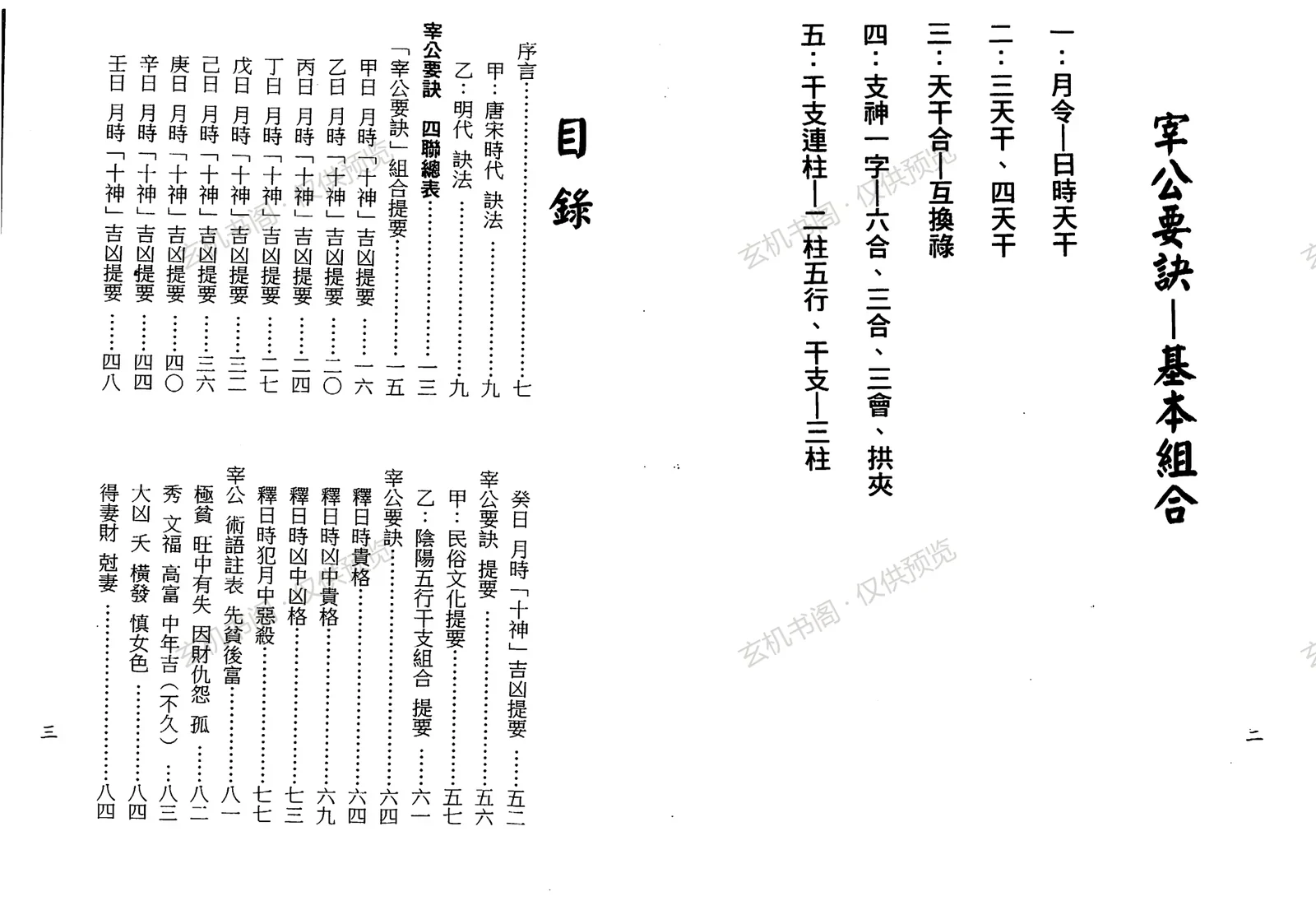
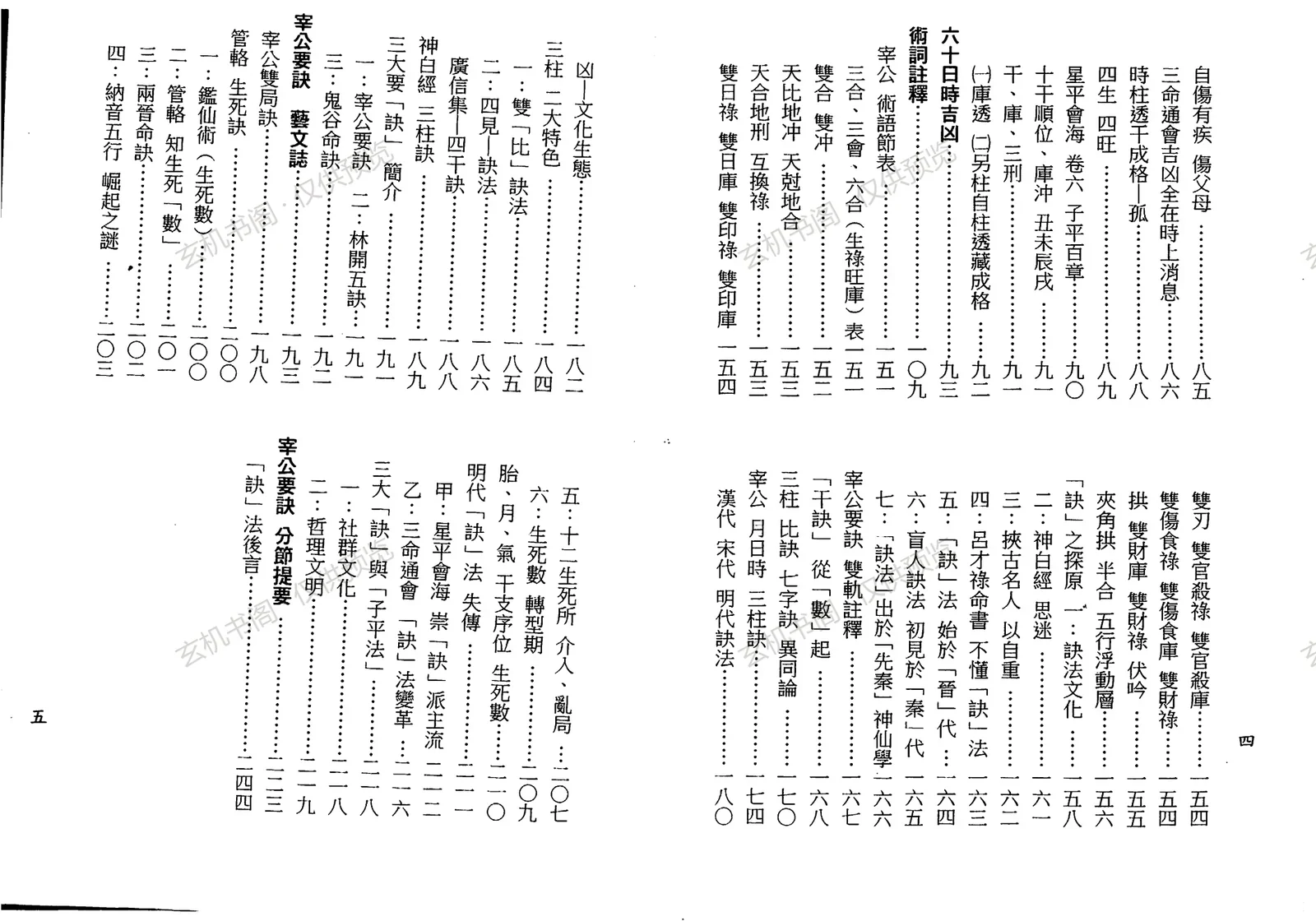
Contents
Monthly command, day-hour stems, and stem-branch combinations
Six harmonies, three harmonies, three meetings, and supporting structures
Linked pillars and the five elements of the four pillars
Itemized summaries of ten-god auspiciousness and inauspiciousness
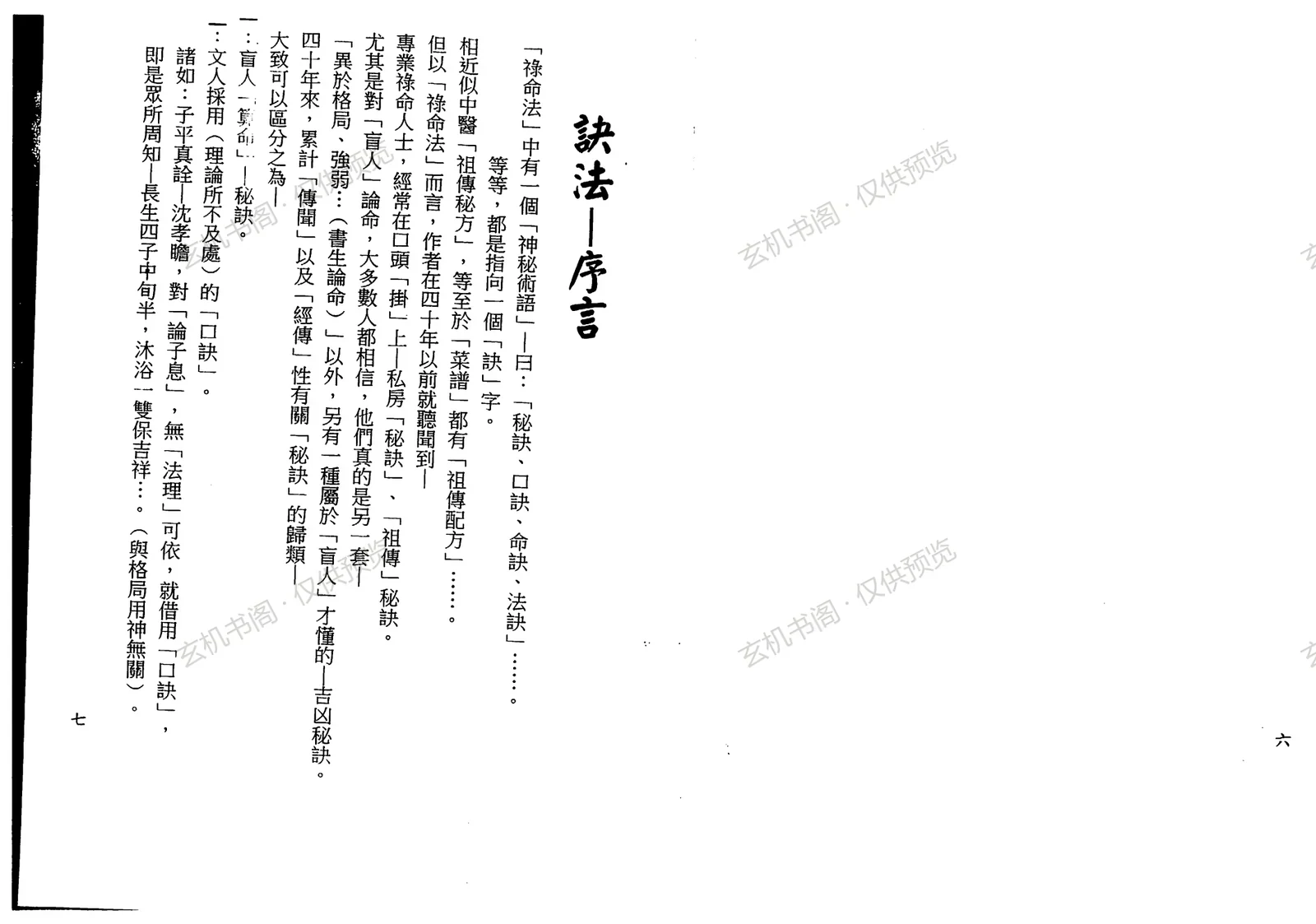
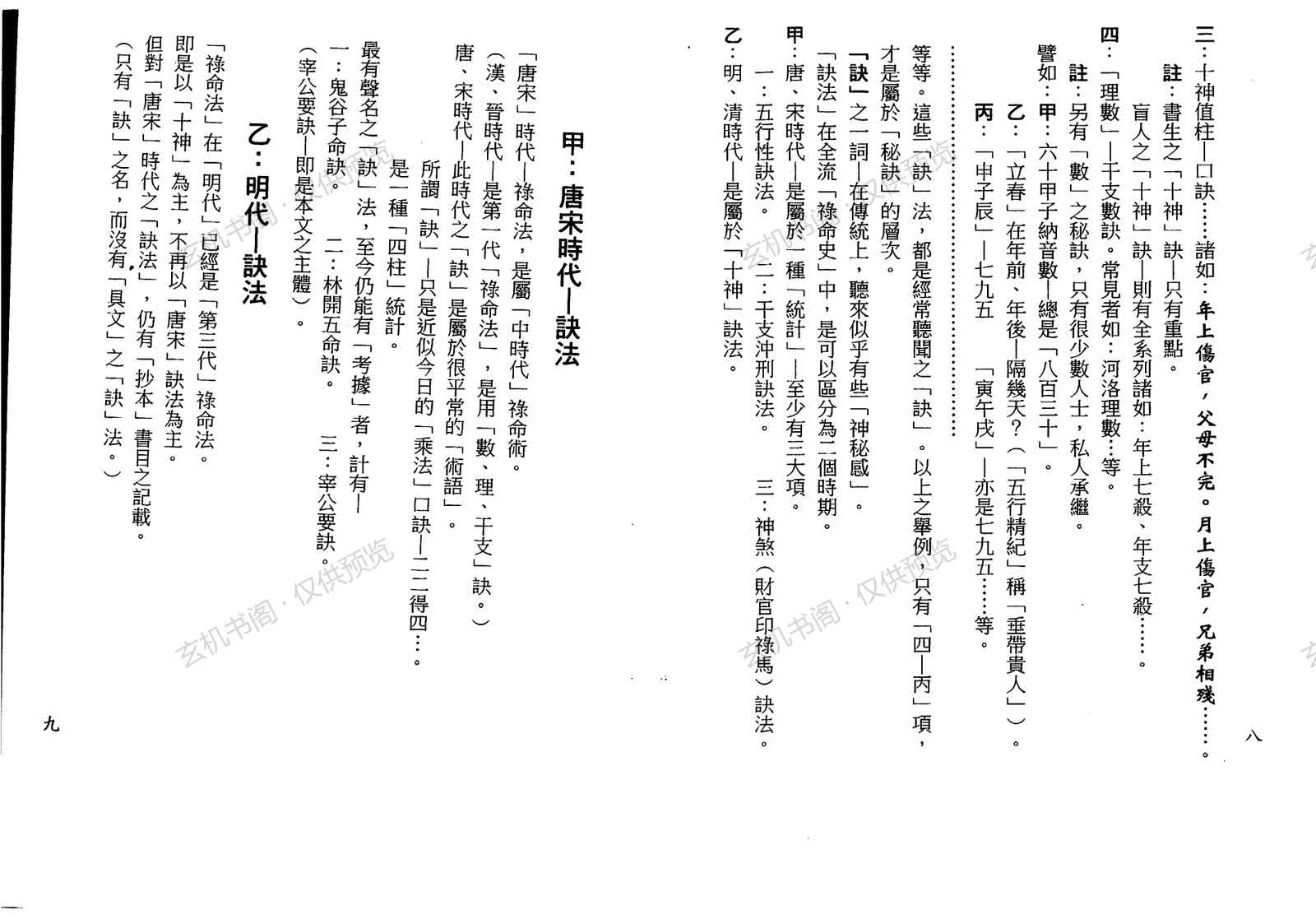
Prefaces and Tang-Song-Ming methods
Cultural context and concluding remarks
Key Points
Centers on 'jue' and traces the sources and categories of mnemonic rules
Approaches day-hour auspiciousness through monthly command, day-hour, and stem-branch combinations
Distinguishes Tang-Song methods, Ming methods, and ten-god methods
Cross-references classical texts such as Sanming Tonghui and Xingping Haihui
Highlights differences between 'jue' and the structure-and-useful-god system