Reading guide
Content guideOverview
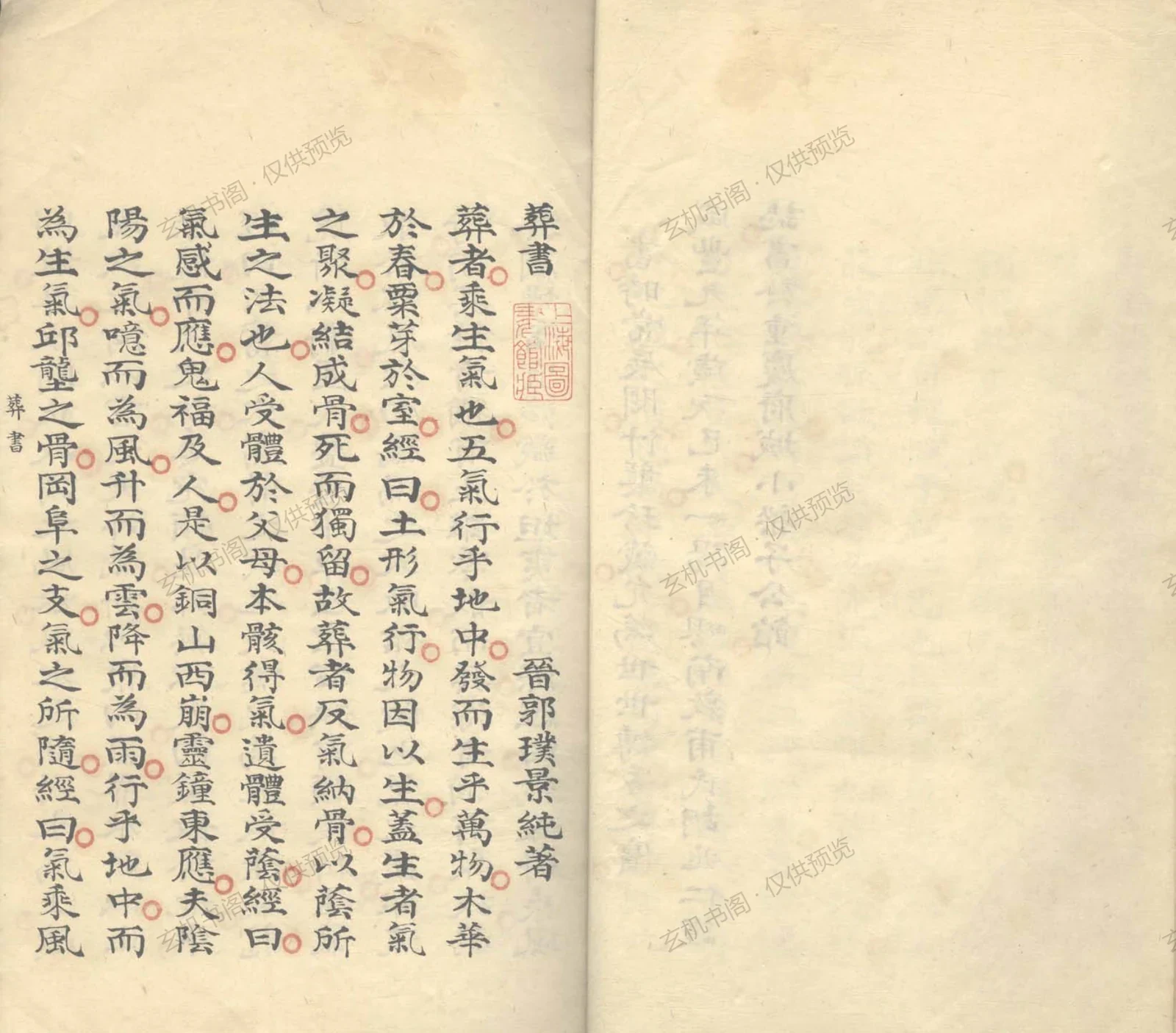
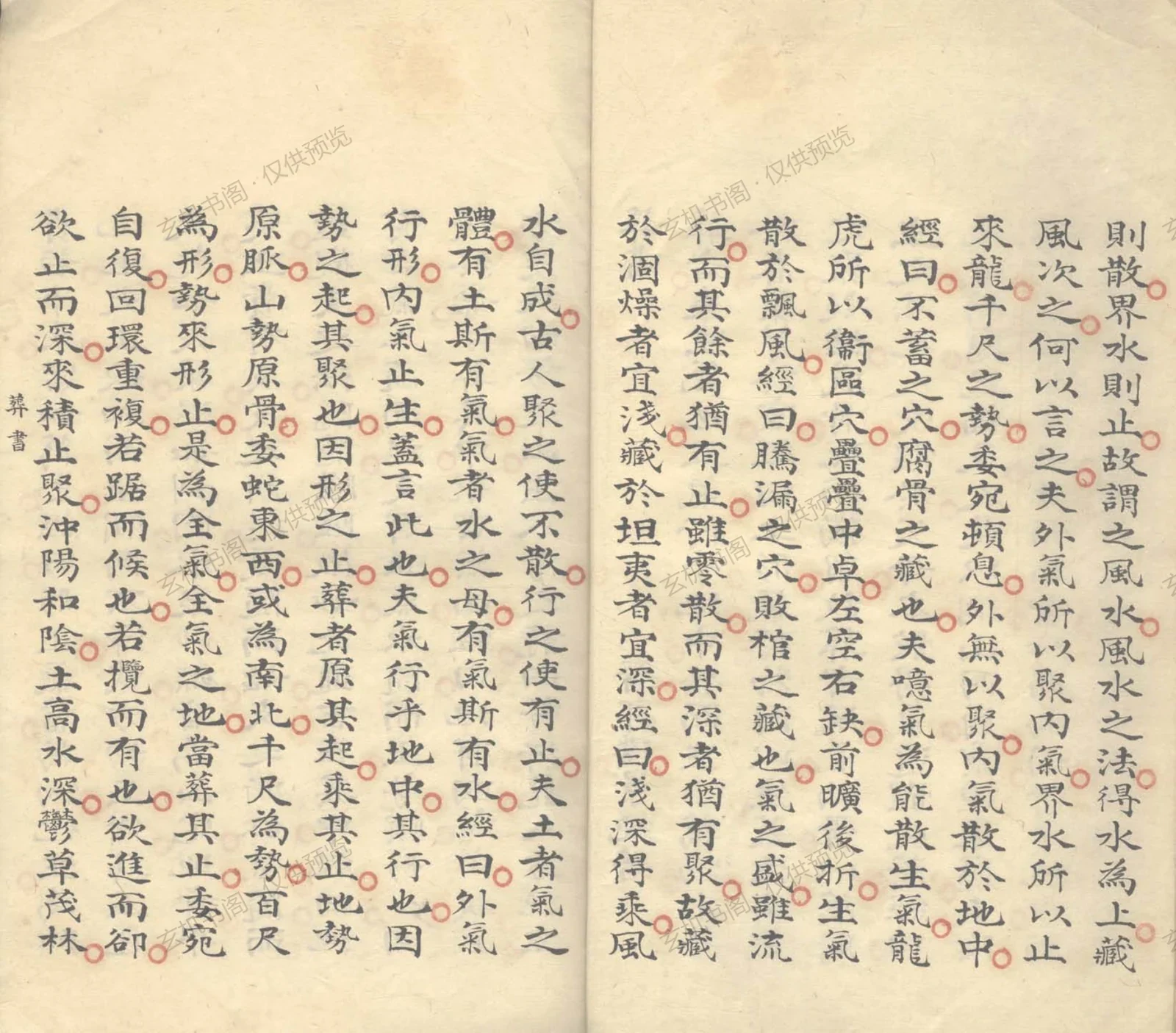
Attributed to Guo Pu of the Jin Dynasty, the "Book of Burial" is the cornerstone of traditional Chinese feng shui, specifically regarding yin dwellings (graves). It systematically outlines the theory of "riding the vital energy" (shengqi) and emphasizes the connection between the deceased and the living. The text details ideal environmental patterns based on "hiding the wind and obtaining water" (cangfeng deshui), noting that energy is dispersed by wind but retained by water. It provides practical methods for identifying dragon veins, observing water flows, and avoiding ominous topography. Although the language is concise and archaic, this text remains essential for understanding the classical Form School of feng shui and traditional Chinese burial culture.
Contents
Inner Chapters: Riding Vital Energy and Hiding Wind
Outer Chapters: Exploring Dragon Veins and Topography
Miscellaneous Chapters: Auspicious Site Selection
Qingnang Jing: Cosmic Patterns and Energy Flow
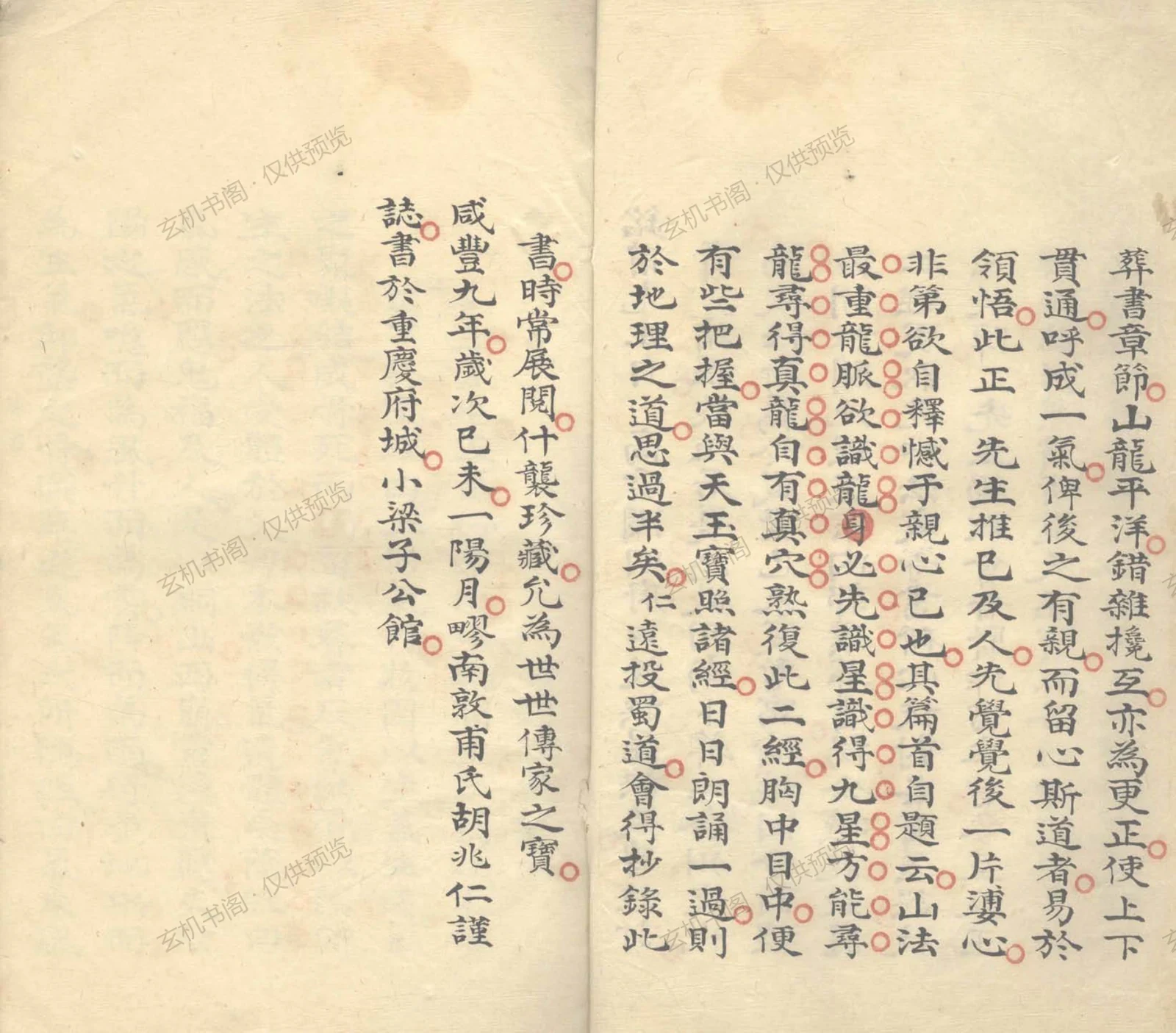
Preface: Insights from Traditional Masters
Key Points
Core concept of "riding the vital energy" (shengqi) circulating underground.
Establishment of the ideal feng shui pattern: "hiding the wind and obtaining water."
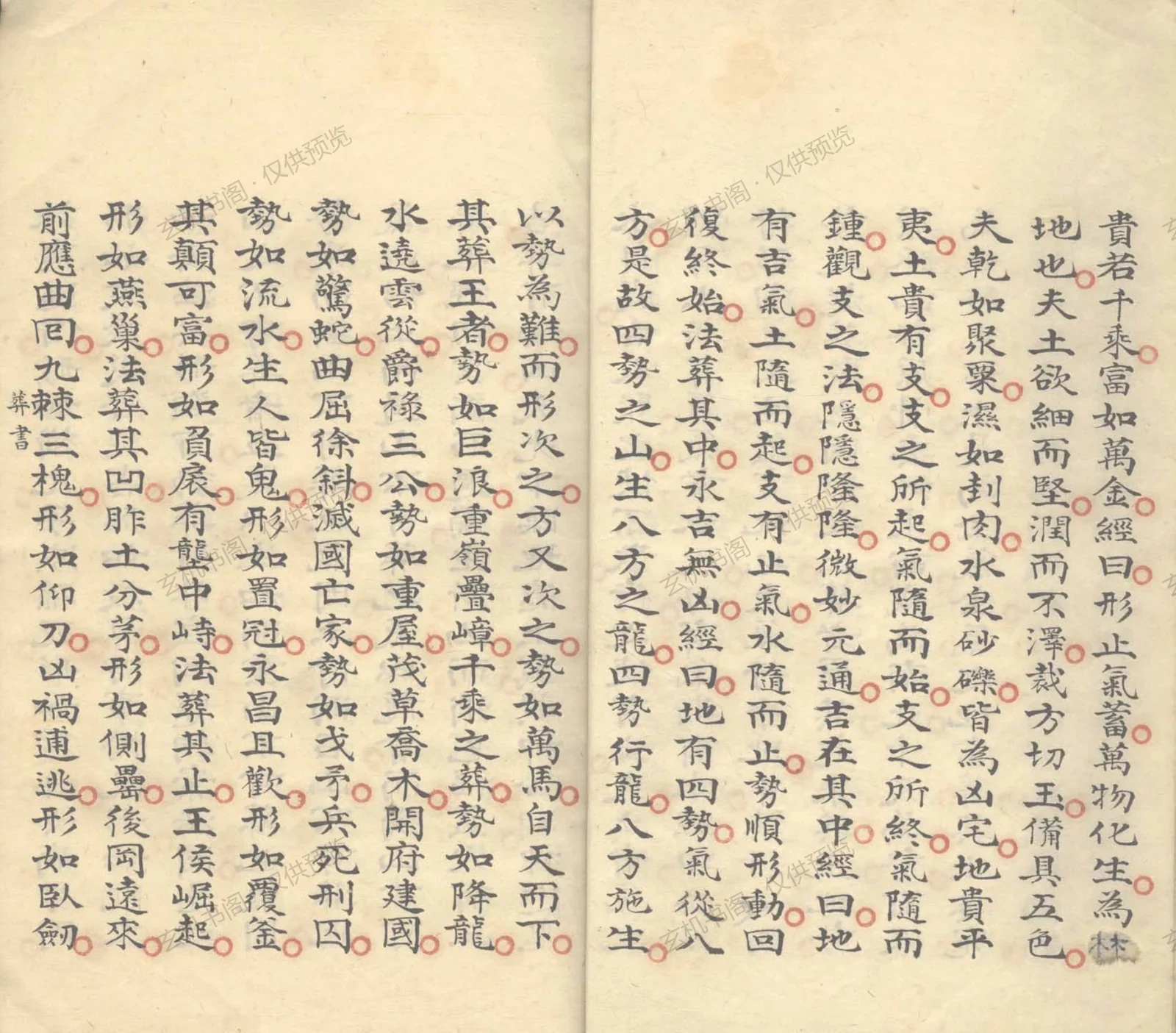
Emphasis on judging fortune and misfortune through topography and dragon veins.
Prescription of strict taboos such as the "Five Unburiable Lands."
Connection of burial sites to the prosperity or decline of descendants.