Reading guide
Content guideOverview
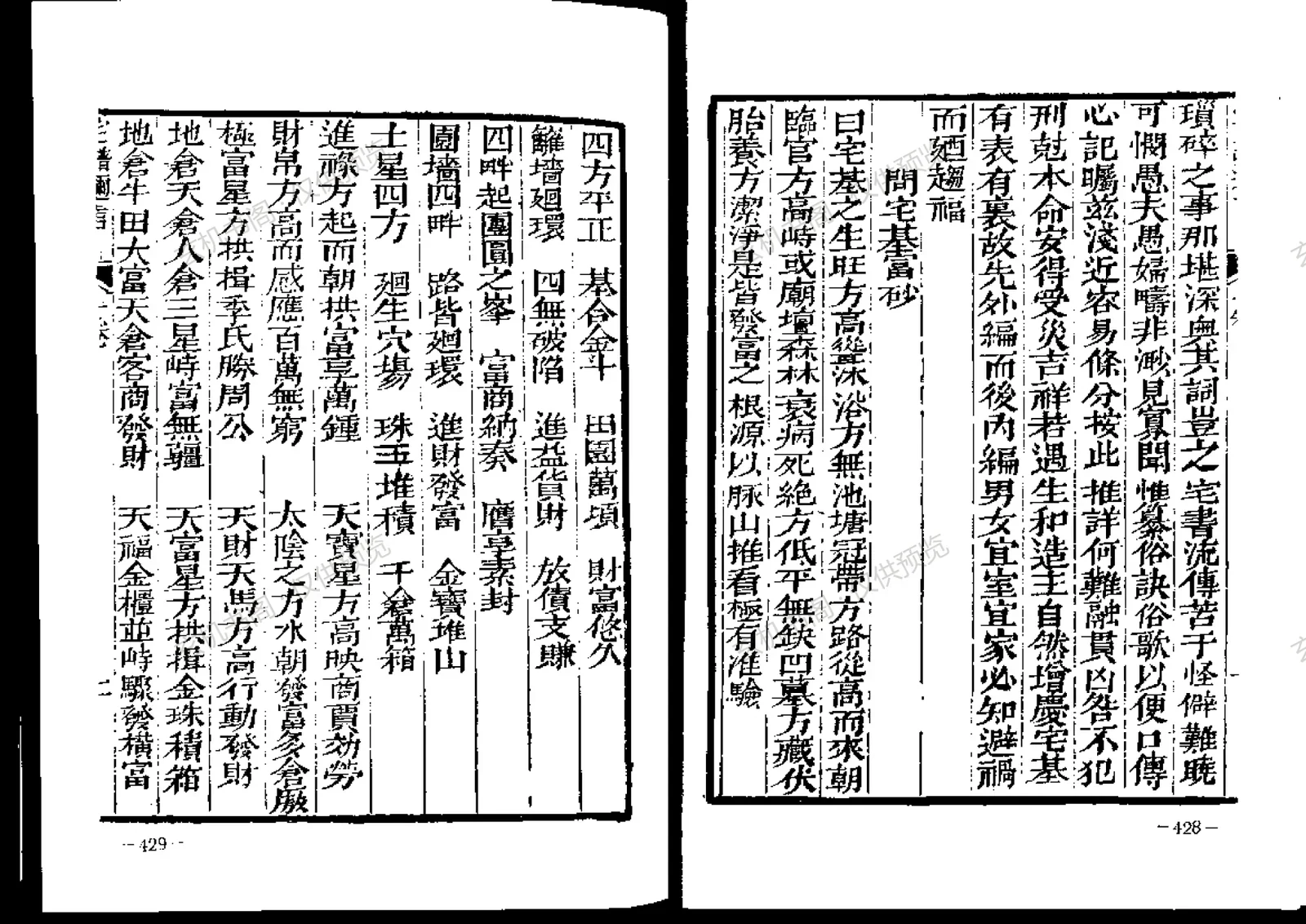
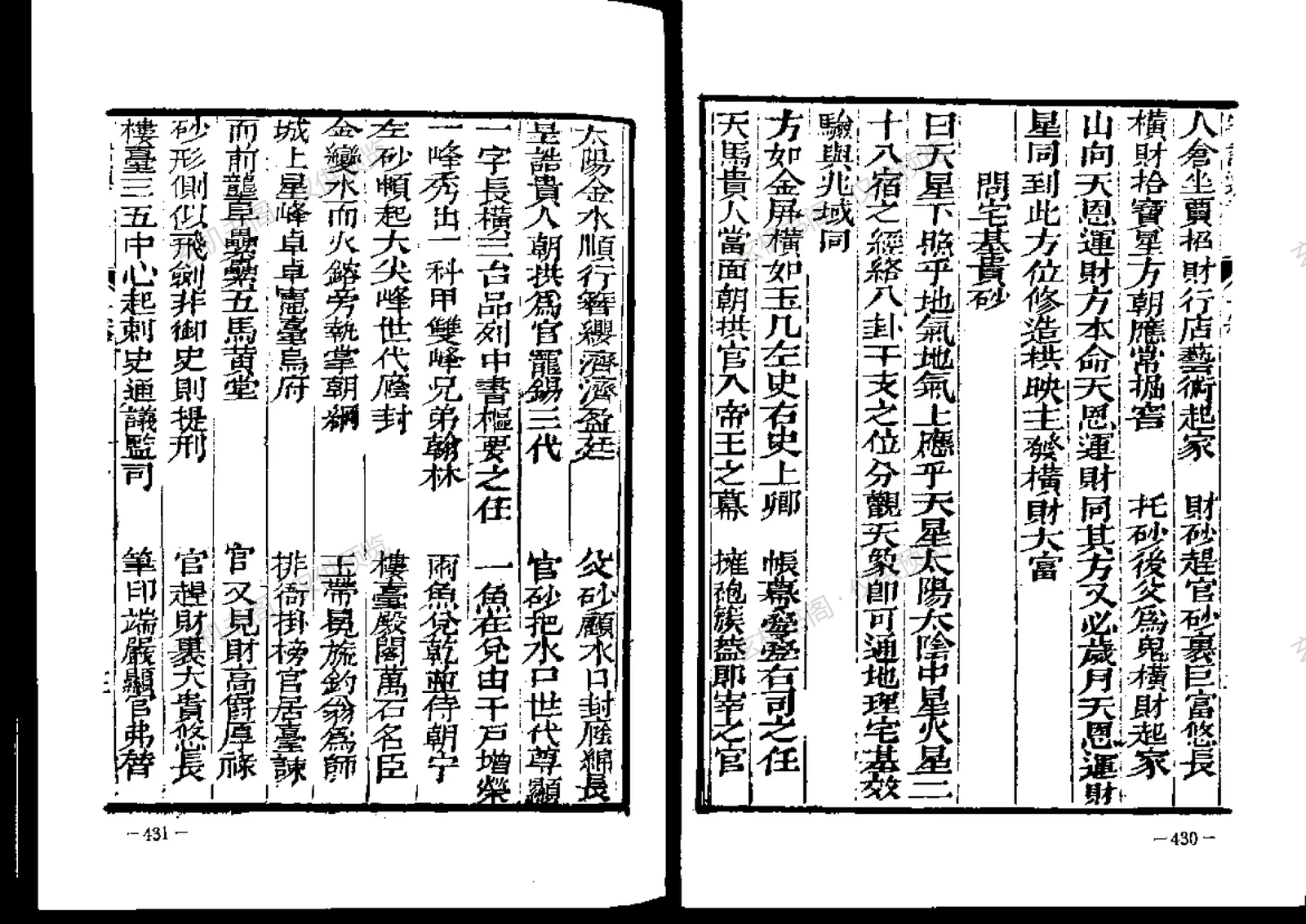
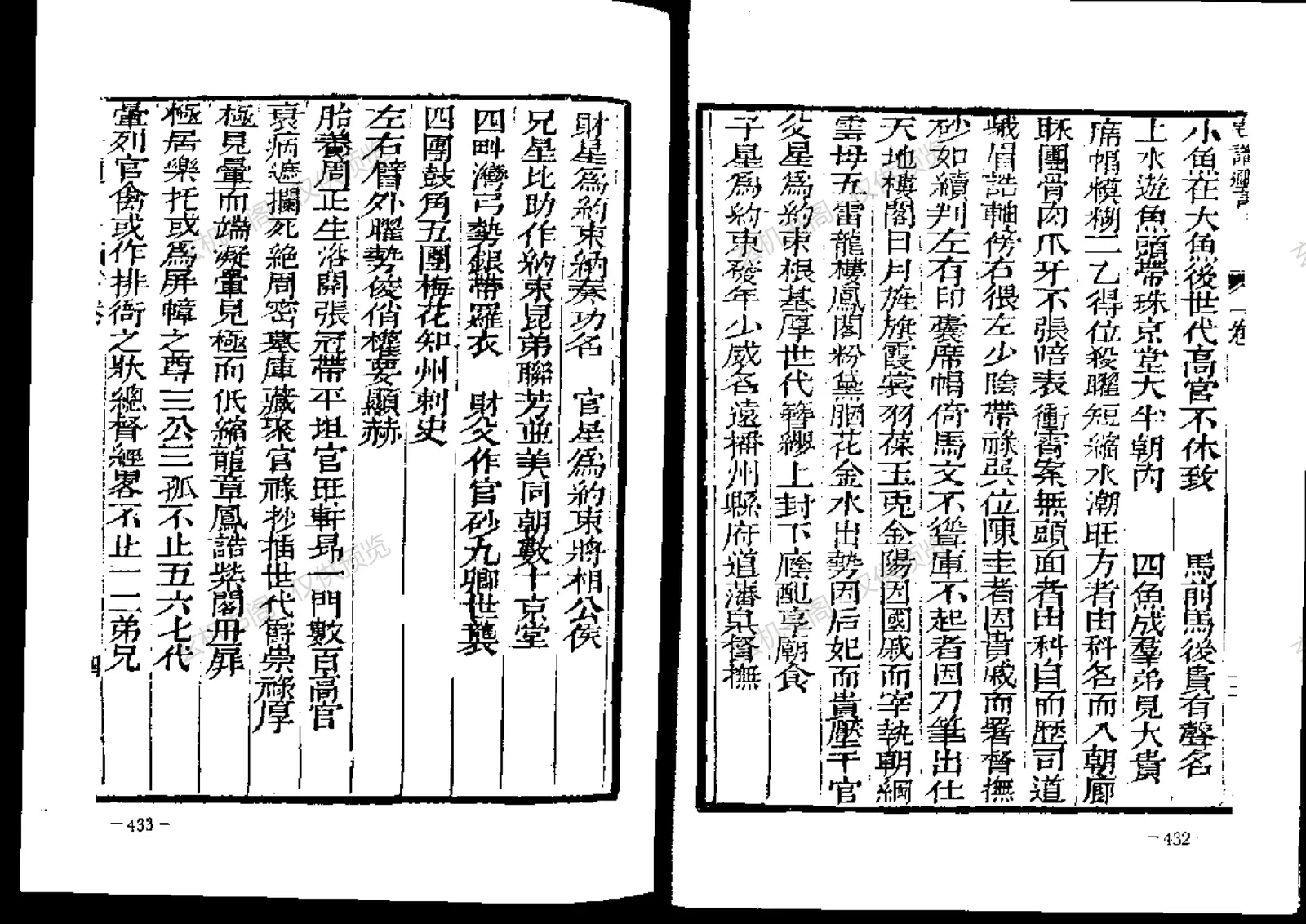
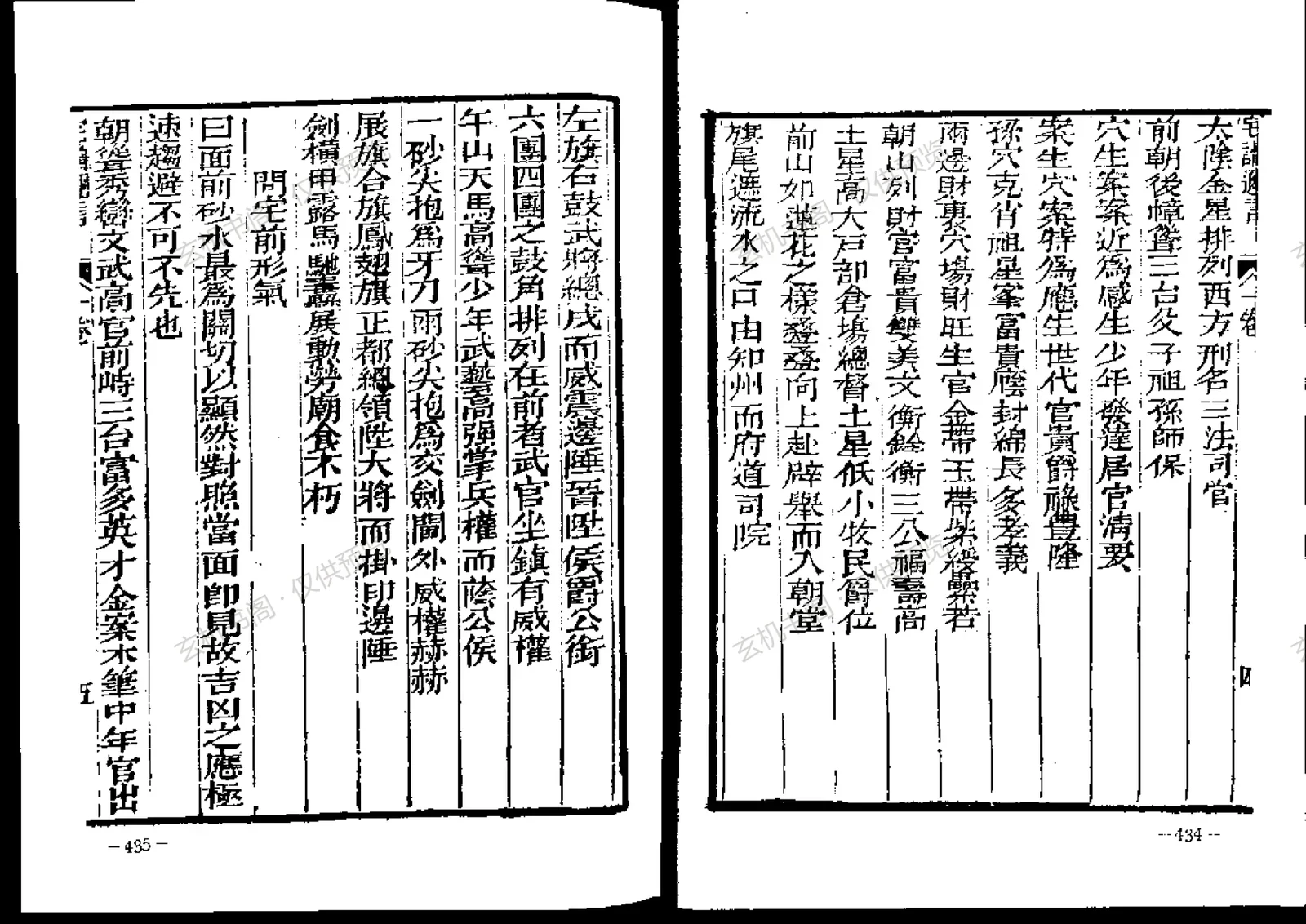
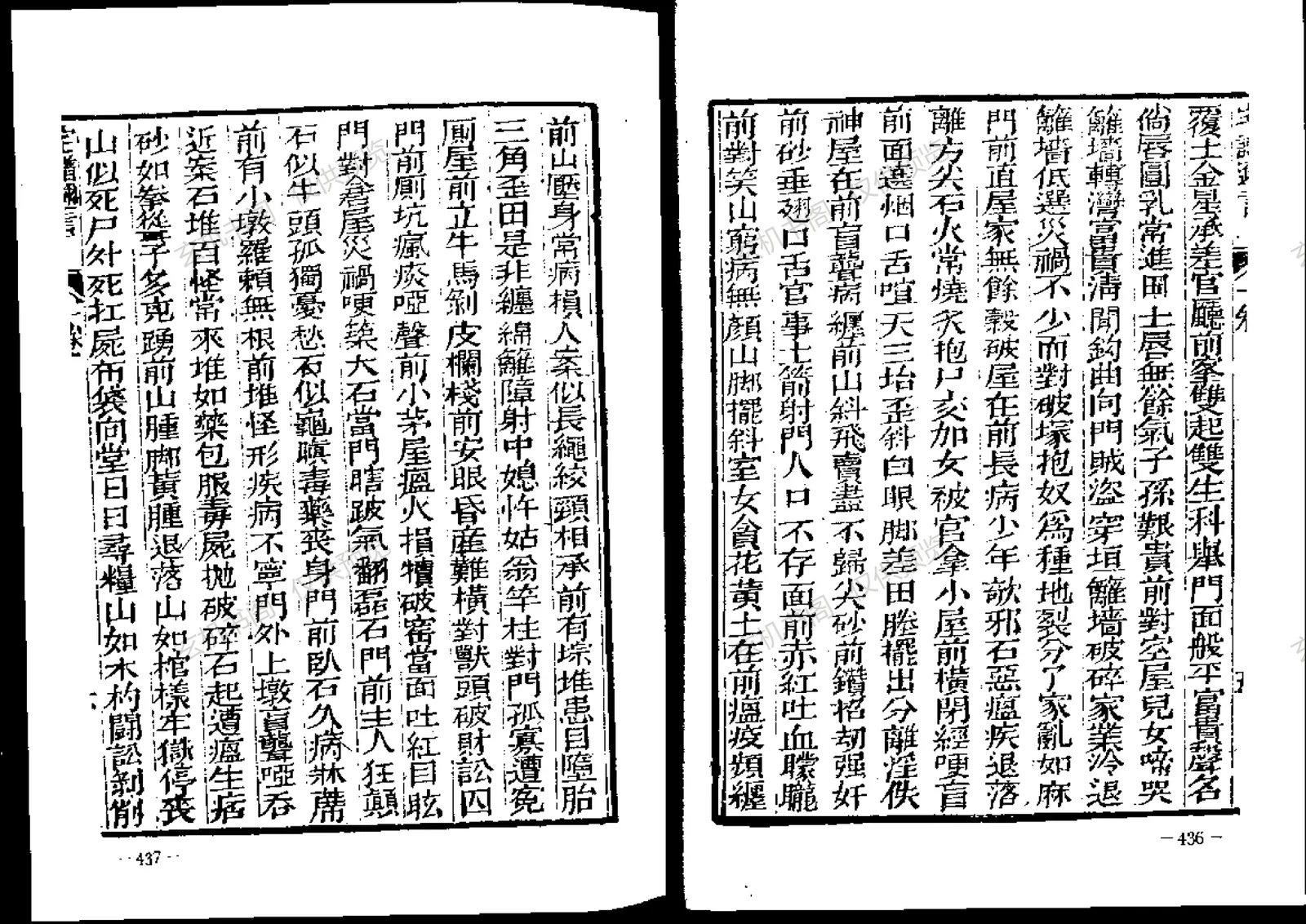
This one-juan text on dwelling siting, compiled and annotated by Qingjiangzi and reviewed by Chen Shizhai and Bo Shaoting, opens with a general discussion of foundation conditions and then proceeds through a series of questions and answers on auspicious and inauspicious dwelling sites. It emphasizes form-based siting: sand and water should embrace and surround the site, while low, broken, or slanting features are deemed harmful. The text also considers ponds, trees, walls, wells, courtyards, kitchens, and stoves, each with its proper position. Much of the material is presented in seven-character verse, summarizing configurations such as the “four sides level and correct,” “surrounding peaks,” “one horizontal stroke and three terraces,” and the “eyebrow case.” Each configuration is tied to specific outcomes, including official rank, wealth, progeny, illness, and loneliness. The organization moves from general principles to specific categories of sand, water, case mountains, facing mountains, literary peaks, flags and drums, granaries, roads, bridges, wells, and trees. The book is primarily form-based but also incorporates directional principles, and it is a useful source for studying Qing-era vernacular dwelling siting and its claims of verifiable outcomes.
Contents
General discussion of dwelling foundation conditions
Questions on auspicious and inauspicious foundations
Questions on wealth-producing sand configurations
Questions on noble sand configurations: literary peaks, flags, case mountains
Discussion of sand and water embracing the site and official outcomes
Questions on the form and qi in front of the dwelling: doors, roads, bridges, wells, trees
Discussion of harmful sand and water causing illness and isolation
Key Points
Uses a question-and-answer format to cover foundations, sand, water, and form. Emphasizes form-based siting: embracing sand and water are auspicious; low, broken, or slanting features are harmful.
Presents configurations in seven-character verse for easy memorization.
Links configurations to specific outcomes such as examination success, office, wealth, illness, and isolation.
Also addresses everyday environmental details such as courtyards, wells, kitchens, stoves, bridges, roads, and trees.