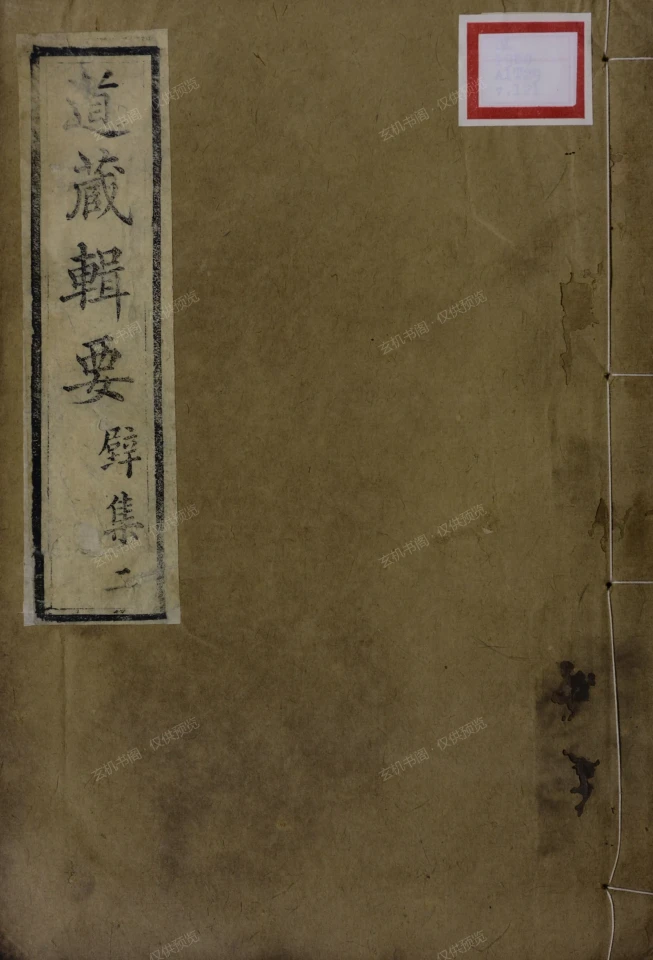
Reading guide
Content guideOverview
Compiled by Li Shanyu and subtitled '2002 Yijing Medicine Culture', this internal lecture text focuses on palm acupressure. It first lays out the Later Heaven eight trigrams on the palm—east left, west right, south up, north down—assigning Li, Kan, Zhen, Dui, Gen, Xun, Kun and Qian to the head and heart, kidneys and ears, liver and gallbladder, lungs and mouth, spleen and stomach, shoulders and thighs, abdomen and spleen, and large intestine respectively. Each trigram point is then matched with the conditions it treats, with notes that points may be used alone or combined according to pattern differentiation. The book also covers tools (thumb, rounded stick, pen barrel), tonifying and reducing techniques, handling of fainting-like reactions, rules for choosing the left or right hand, and five approaches to point selection based on trigram images, organ images, sovereign-minister-assistant relations, meridians, and the five phases, illustrated with clinical cases and cautions.
Contents
Palm trigram positions and organ correspondences
Conditions treated by each of the eight points
Tools and tonifying/reducing techniques
Handling fainting-like reactions
Rules for left or right hand selection
Five methods of point selection
Cautions and clinical cases
Key Points
Palm trigram layout follows the Later Heaven sequence
Each of the eight trigram points has its own treatment range
Tonifying is light and slow; reducing is heavy and quick
Points may be chosen by trigram image, organ image, role hierarchy, meridian or five phases
Acupressure and number recitation are best kept separate to judge effects