Reading guide
Content guideOverview
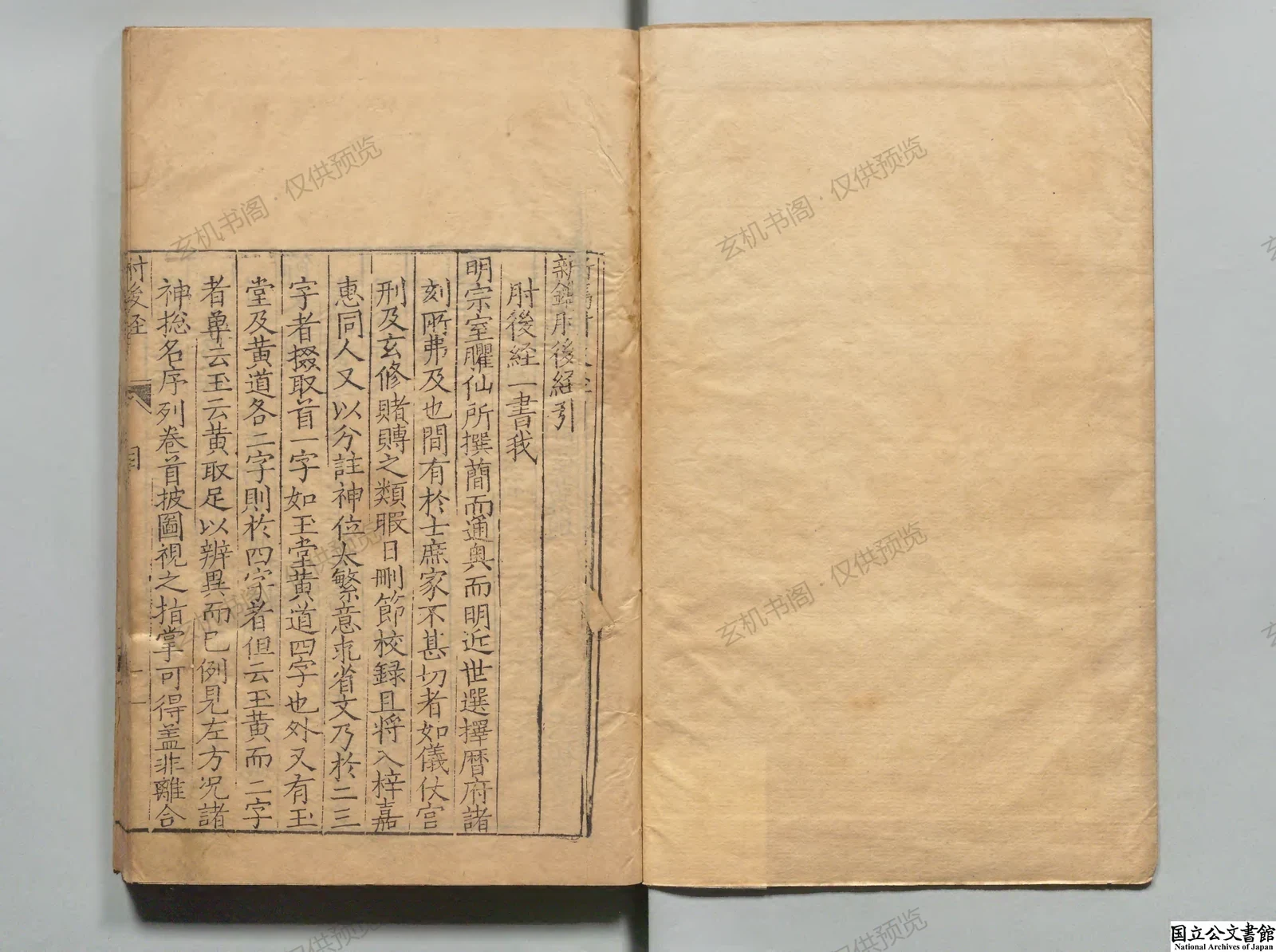
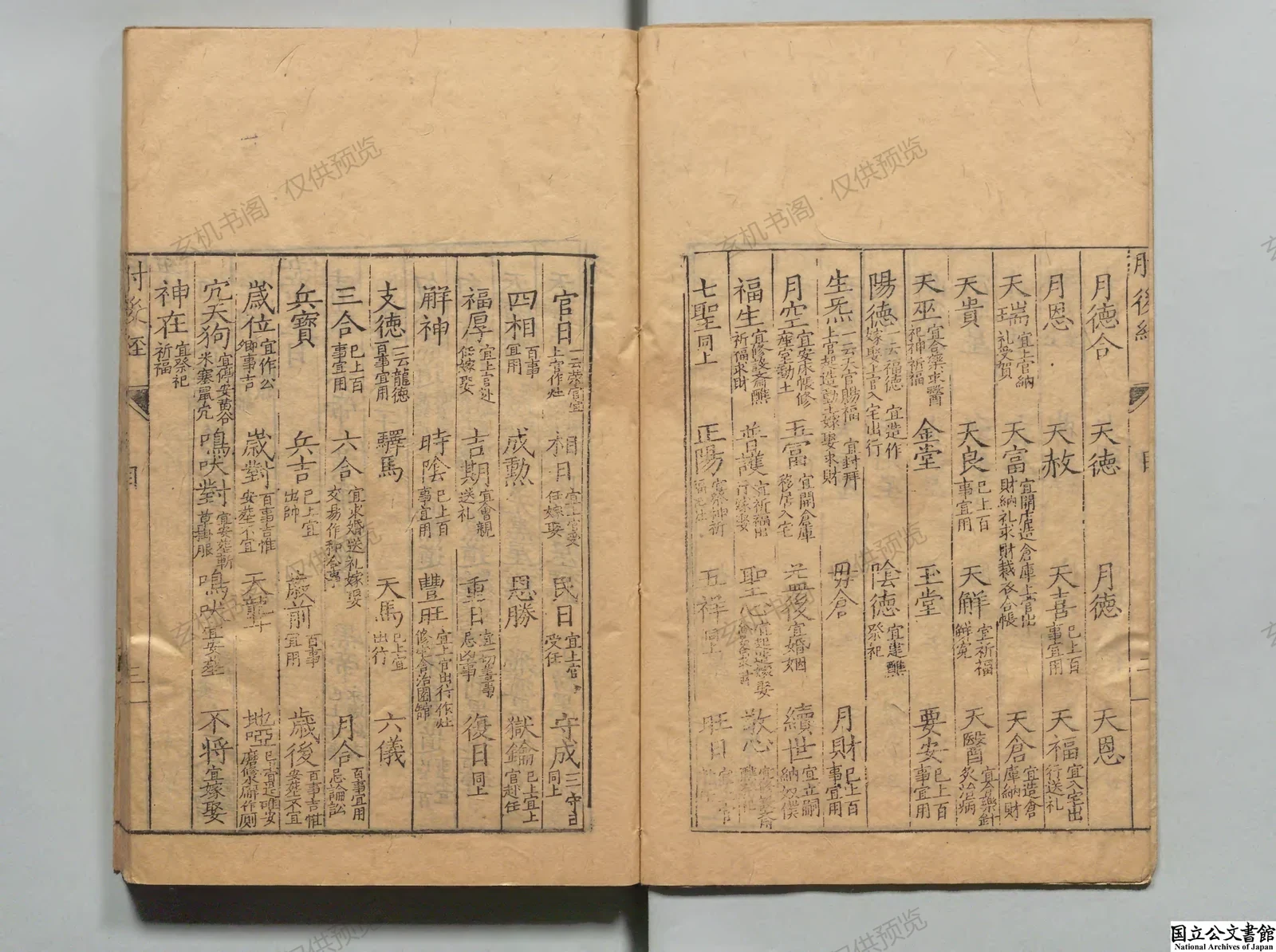
Zhou Hou Jing is an ancient Chinese text focused on practical day selection (Zeri) and folk astrology. The core of the book revolves around matching daily Heavenly Stems and Earthly Branches with various deities and spirits (Shensha) to determine the auspiciousness of daily activities. Based on the visible pages, the text systematically lists auspicious deities like 'Yue De He' and 'Tian De', alongside inauspicious ones like 'Tian Luo Di Wang', providing specific guidelines on what activities—such as marriage, travel, groundbreaking, or burials—are suitable or to be avoided on given days. It also includes charts for stellar movements, diagrams for the Yellow and Black Paths (Huangdao and Heidao), and the Four Symbols. The layout is highly structured, resembling a quick-reference manual. This makes it an accessible yet profound resource for studying traditional calendrical culture, folk customs, and practical divination.
Contents
Preface and introduction
Chart of celestial movements and daily ruling stars
Auspicious deities of the Yellow Path
Inauspicious deities and taboos
Structural guidelines (Fanli)
Key Points
Categorizes auspicious and inauspicious deities according to daily stems and branches
Explains the rules of the Yellow and Black Paths
Covers a wide range of daily activities like marriage, travel, and construction
Uses charts and concise formulas for quick daily reference