Reading guide
Content guideOverview
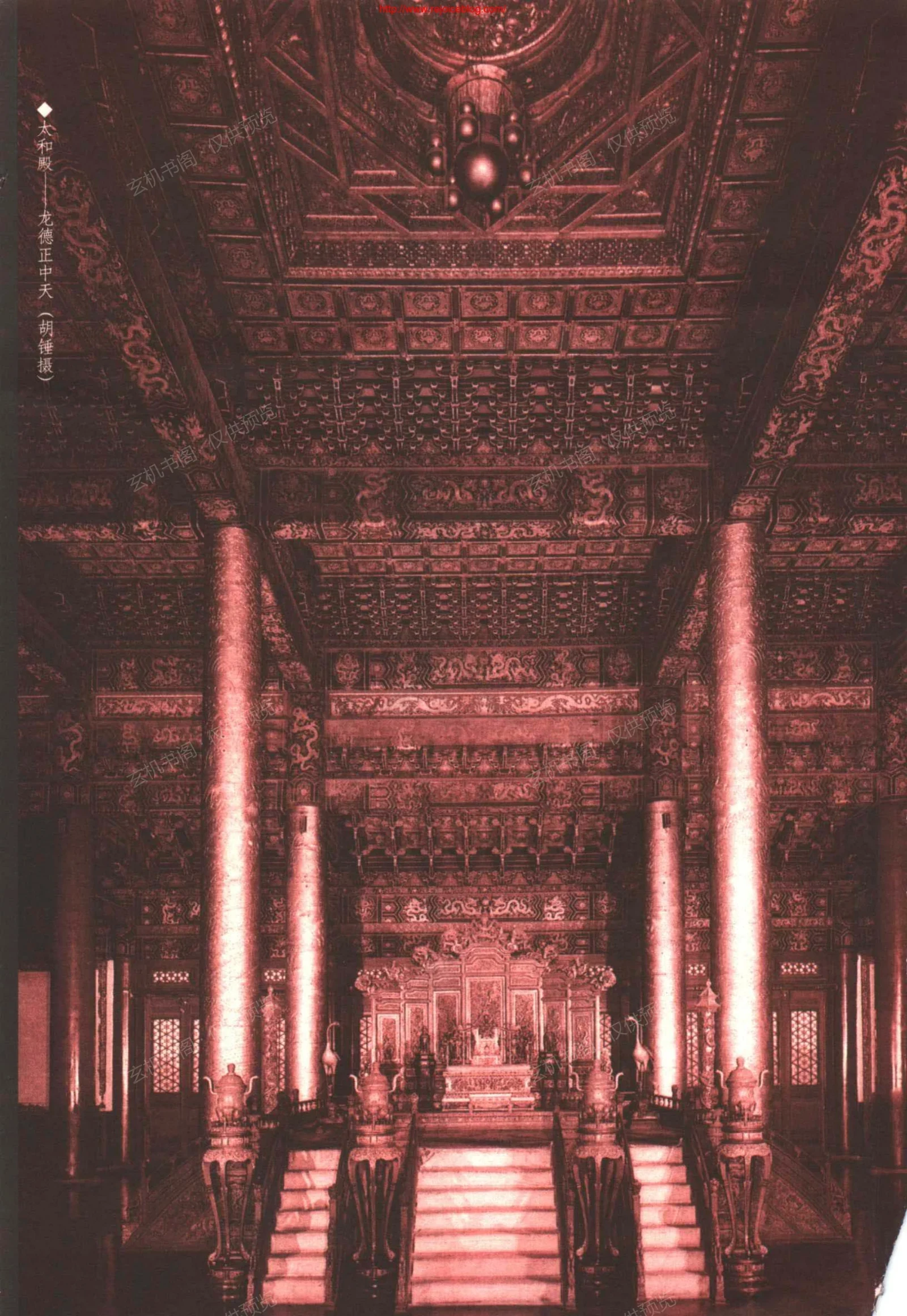
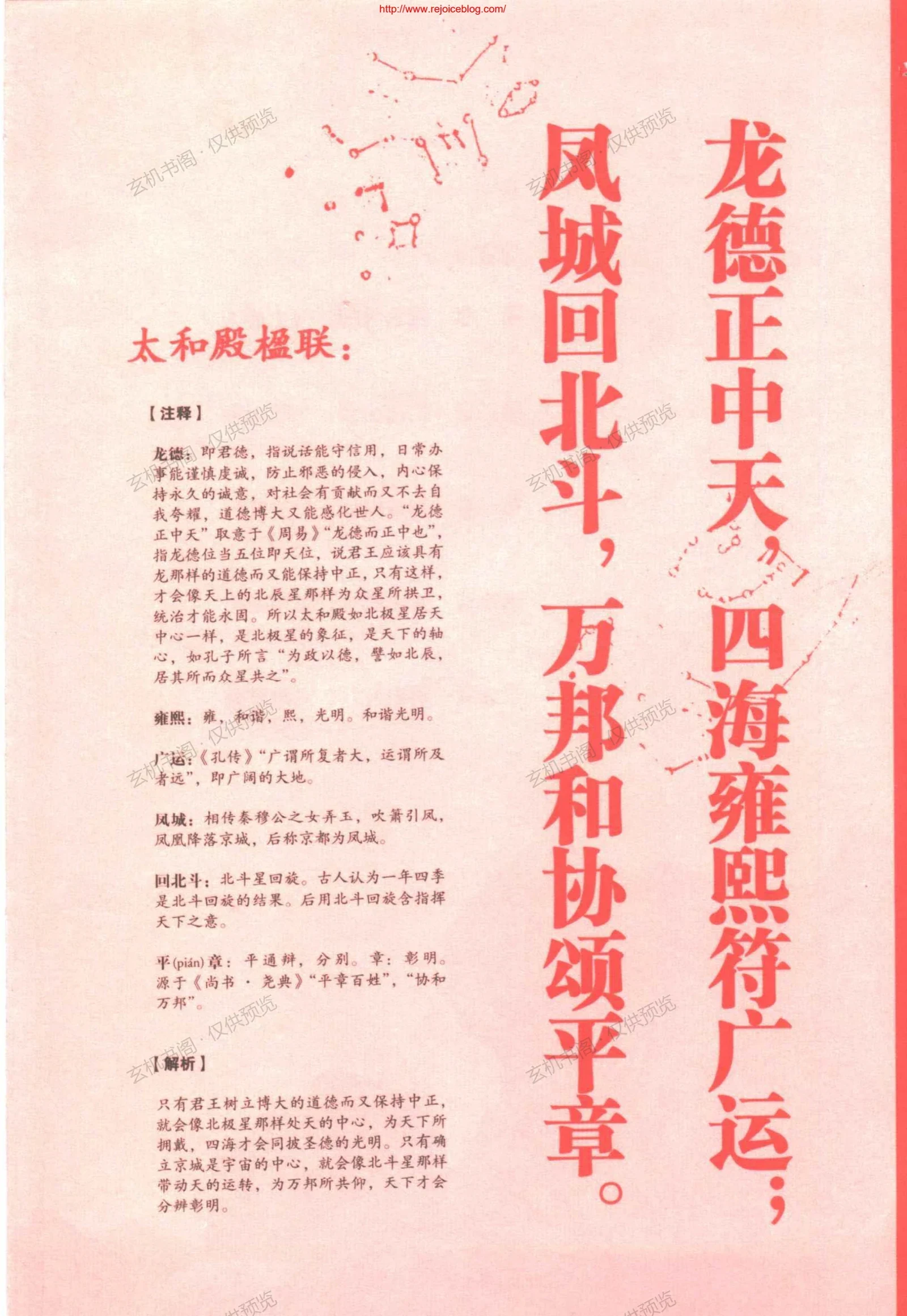
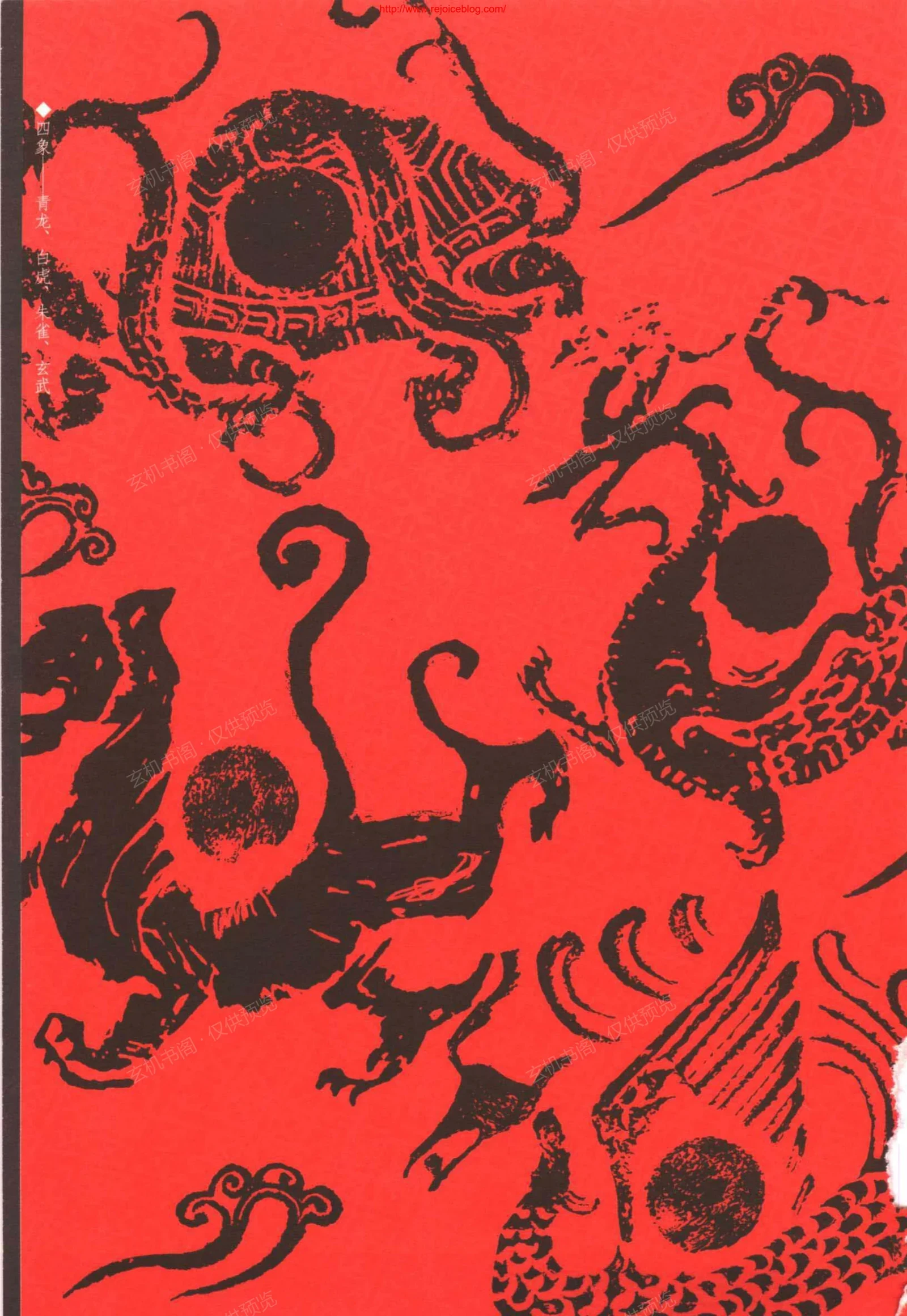
Written by Wang Zilin, this book uses traditional Chinese feng shui theory to analyze the spatial order of the Forbidden City and Beijing. Its twelve chapters begin with the dragon vein, dragon lair, and central axis of the Forbidden City, explaining how the surrounding mountains and waters converge into an auspicious site. It then interprets the axis and the North Star as symbols of imperial cosmology, and discusses mountain-water integration, yin-yang and the Five Phases, and the Three Enclosures star pattern. Later chapters expand to the feng shui layout of Beijing as a whole, its axial buildings, talismanic protection, dual temporal-spatial schemes, and the Dark Warrior guardian deity, ending with the Ming Shoushan tomb model and a comparison of Chinese and Western architecture. Illustrated with the Taihe Hall couplets, Four Symbols, and star charts, it is a useful reference for readers interested in imperial architecture and feng shui culture.
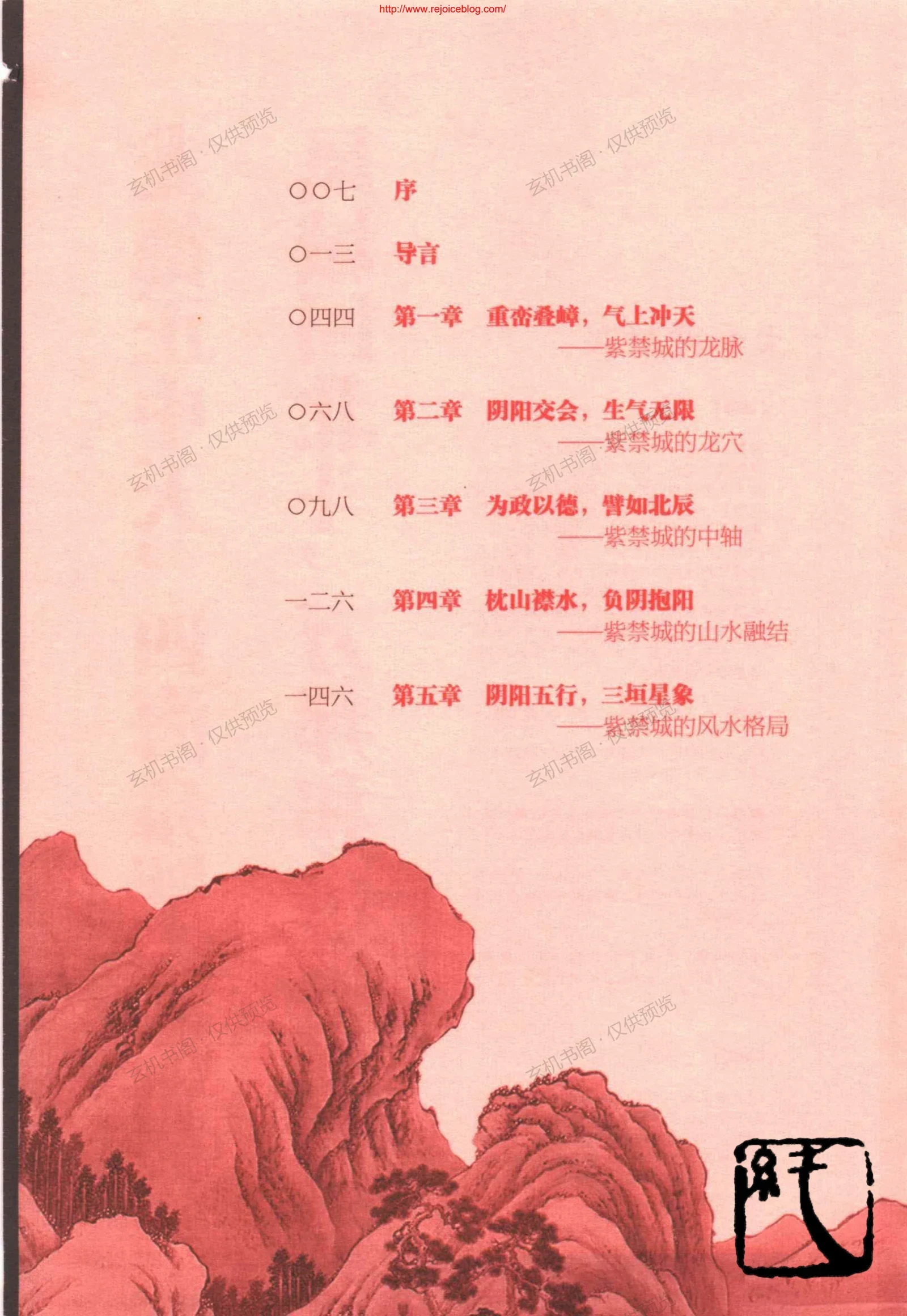
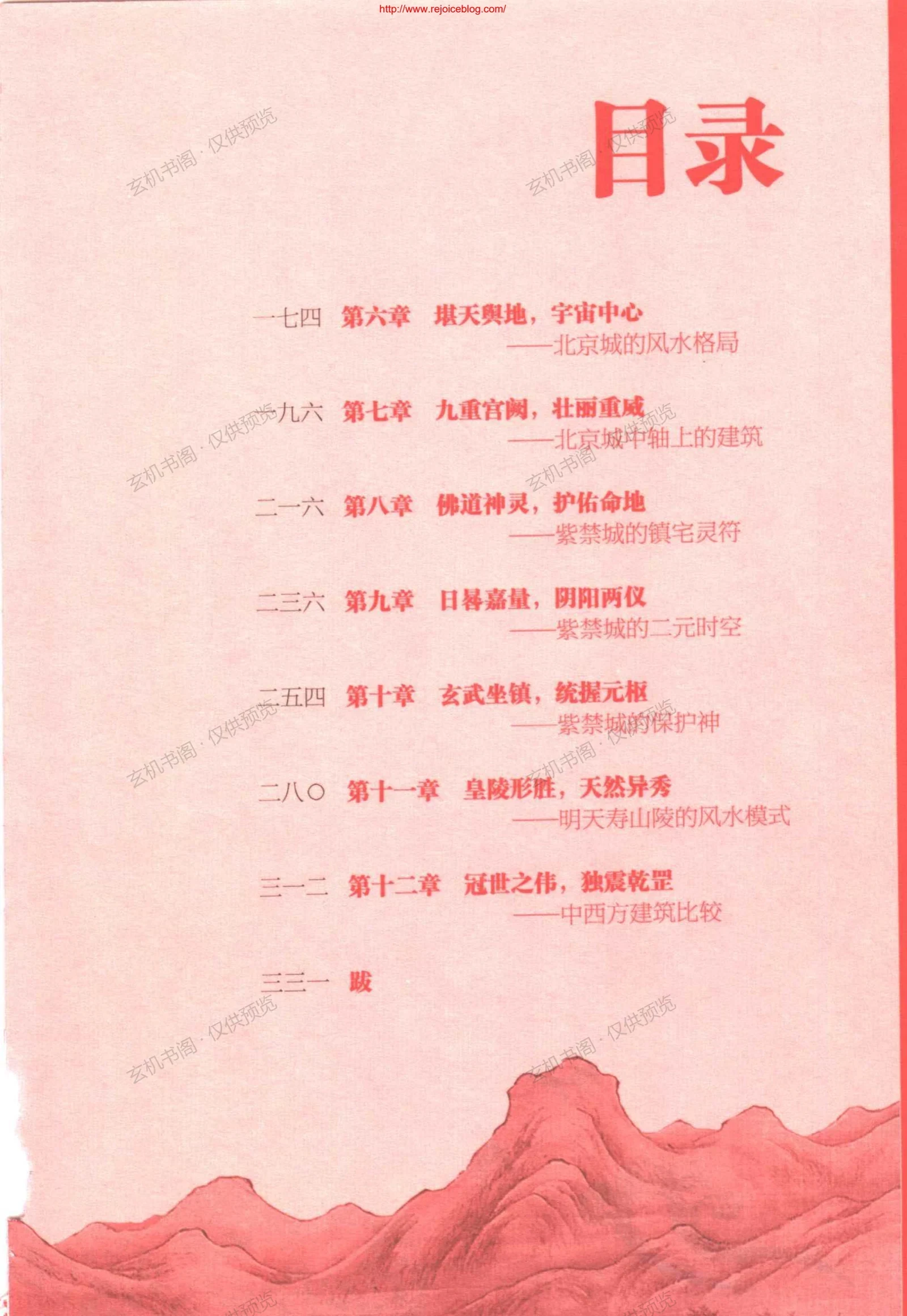
Contents
Preface and introduction
Ch. 1: Dragon vein of the Forbidden City
Ch. 2: Dragon lair of the Forbidden City
Ch. 3: Central axis of the Forbidden City
Ch. 4: Mountain-water integration
Ch. 5: Feng shui layout of the Forbidden City
Ch. 6-7: Beijing's layout and axial buildings
Ch. 8-10: Talismans, dual time-space, guardian deity
Ch. 11-12: Ming Shoushan tomb and architectural comparison
Key Points
Explains site selection through dragon vein, dragon lair, and central axis.
Uses the North Star as a symbol of imperial centrality and cosmic order.
Relates yin-yang, Five Phases, and Three Enclosures to palace layout.
Places the Forbidden City within Beijing's broader feng shui framework.
Covers tutelary talismans, the Dark Warrior, and dual time-space concepts.
Includes the Ming Shoushan tomb model and East-West architectural comparison.