Reading guide
Content guideOverview
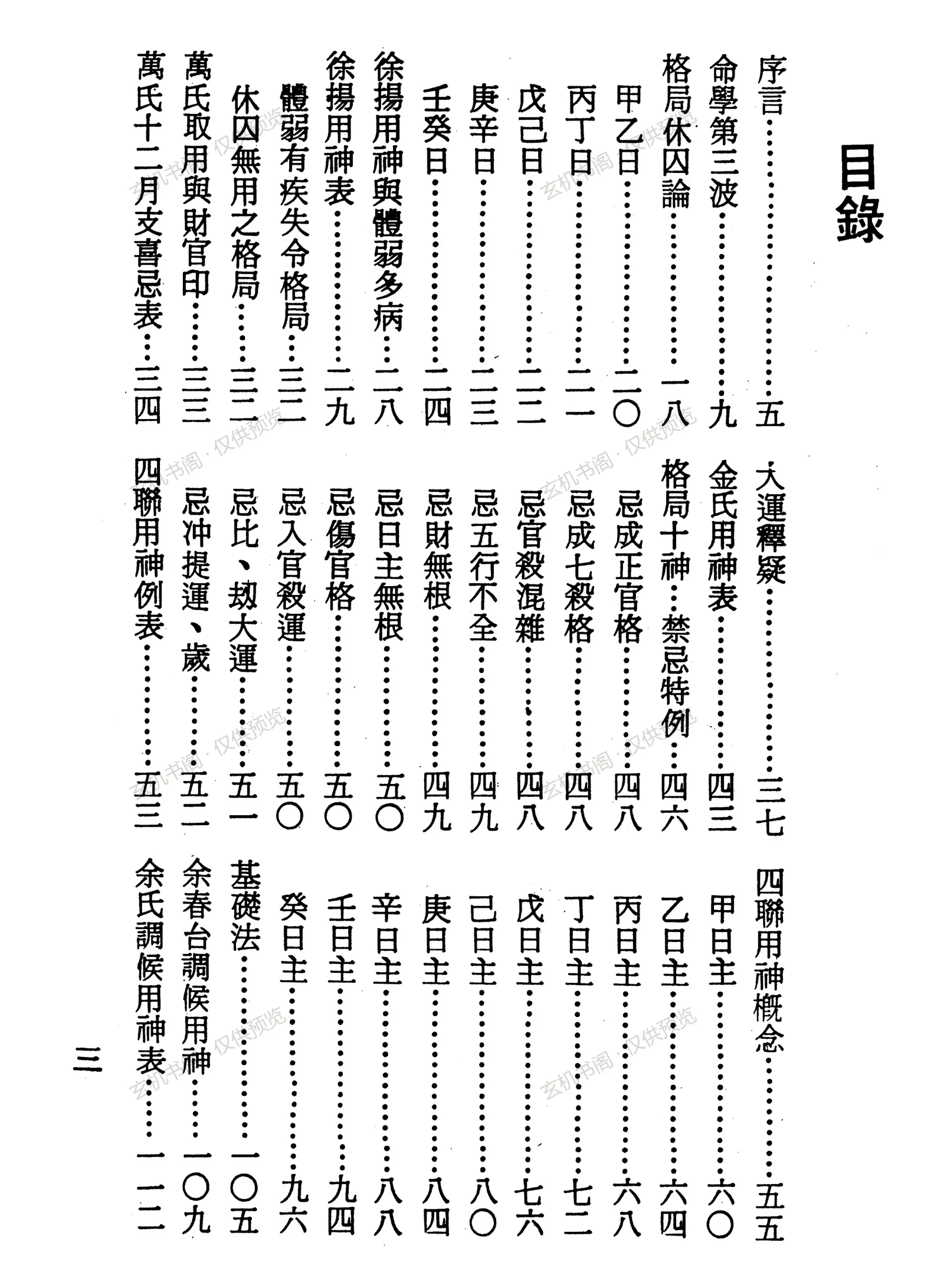
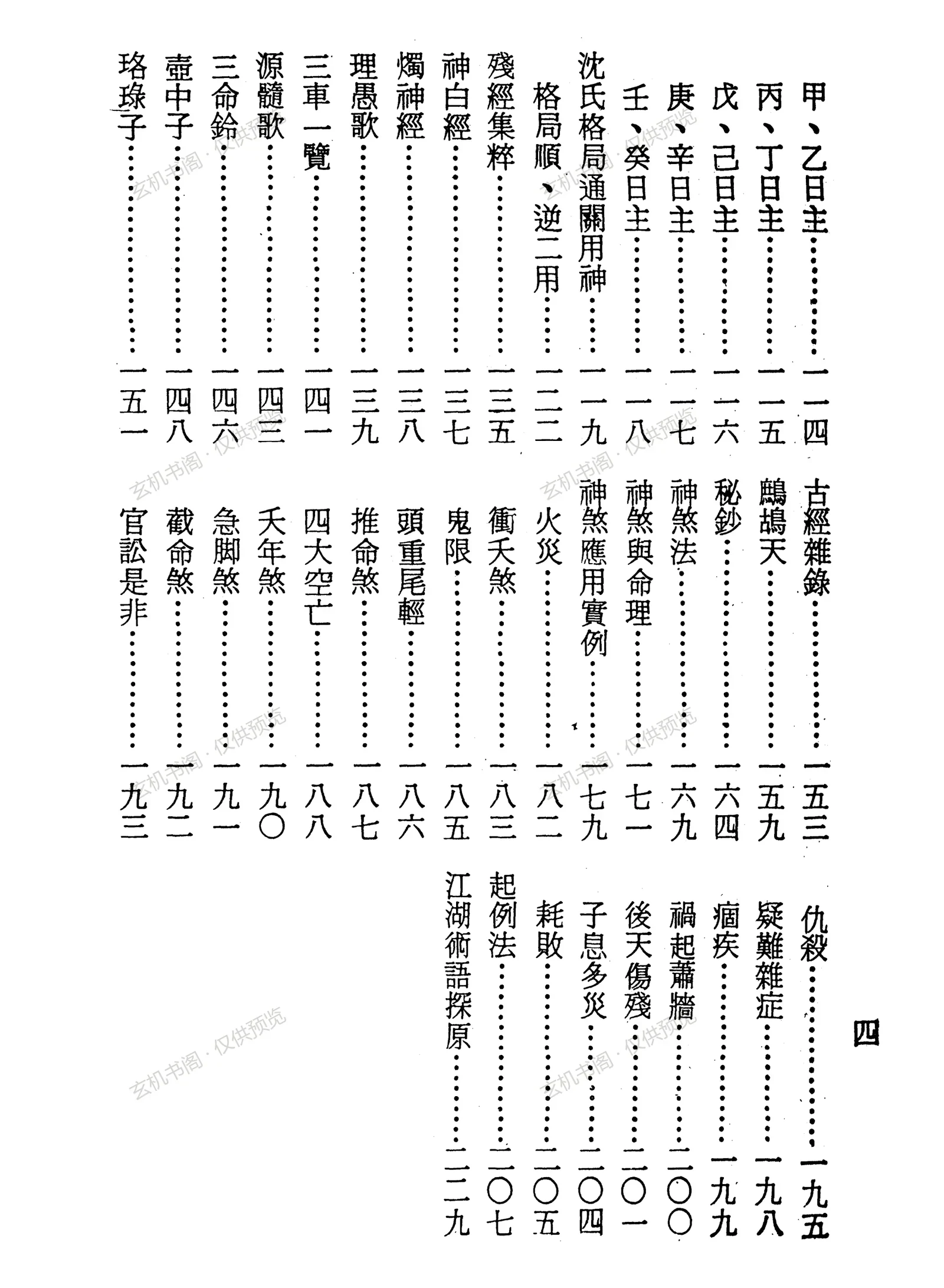
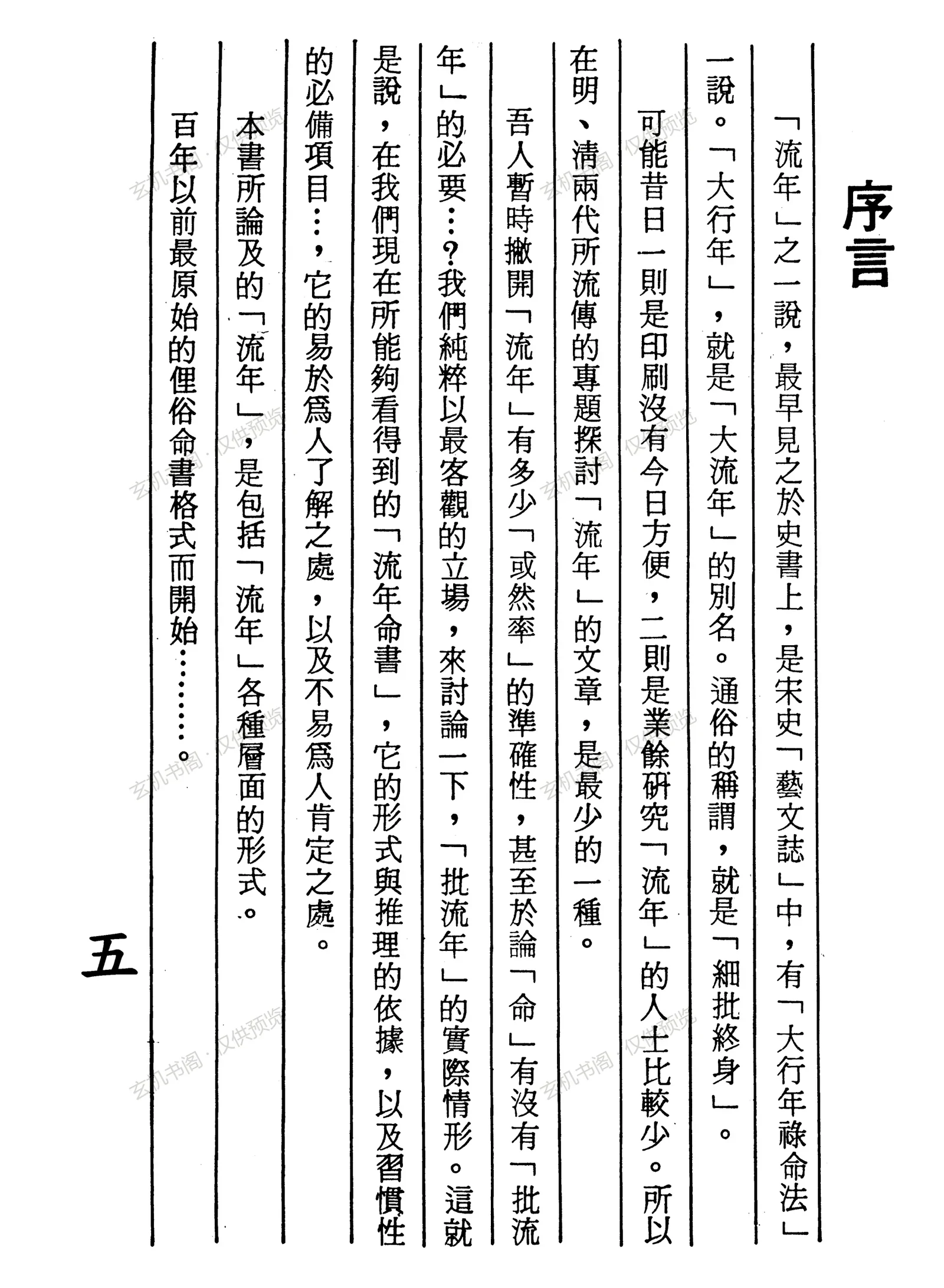
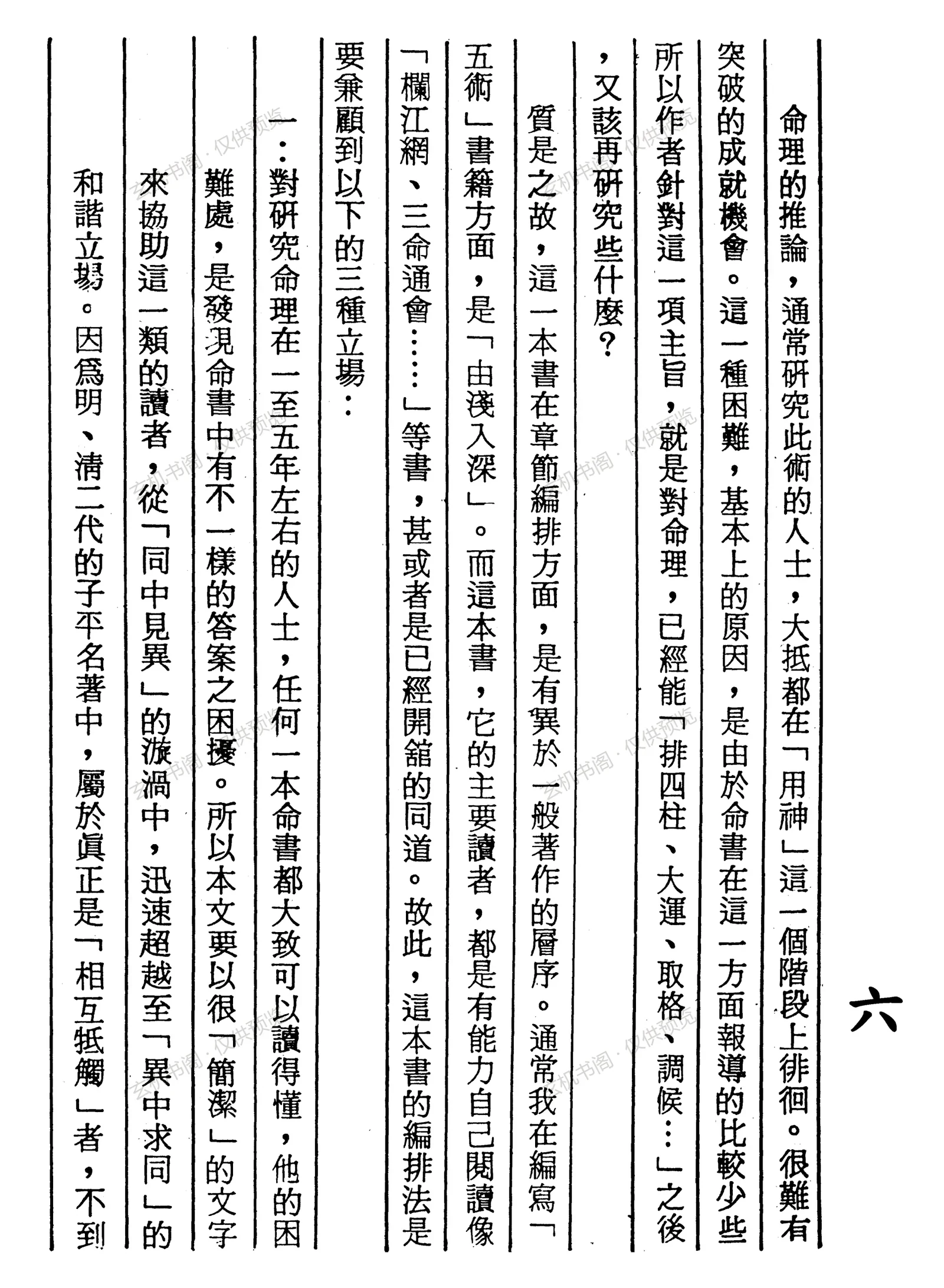
Titled Ziping Miyao and attributed on the cover to Liang Xiangrun, this work is presented as a family collection of fate-calculation notes. Its table of contents groups the material in four parts: useful-god systems, including discussions of structure and seasonal rise-fall, lists of useful gods by day stem, and prohibitions among the ten gods; excerpts from Ming-era classics and rhymes such as Sanming Tonghui and Shenbai Jing; a dense catalogue of shensha, from void and heavenly baleful stars to minor inauspicious markers; and practical examples on reading annual luck, with rules of thumb and notes on traditional jargon. The preface discusses early textual references to the term liunian and explains that the chapters move from simpler to more advanced material, aimed at readers who already know the four pillars and wish to examine classical sources alongside working tables.
Contents
Preface: the term liunian and its textual sources
Useful gods and structures: tables and prohibitions
Four-linked useful-god concepts by day stem
Selections from Ming-era classics
Shensha catalogue and applications
Examples of annual-luck reading
Notes on traditional terminology and cases
Key Points
Centred on useful gods and structural patterns.
Includes excerpts from Ming-era classics for comparison.
Shensha entries are extensive and itemised.
Preface examines the early use of the term liunian.
Arranged from simple to advanced, mainly for reference.