Reading guide
Content guideOverview
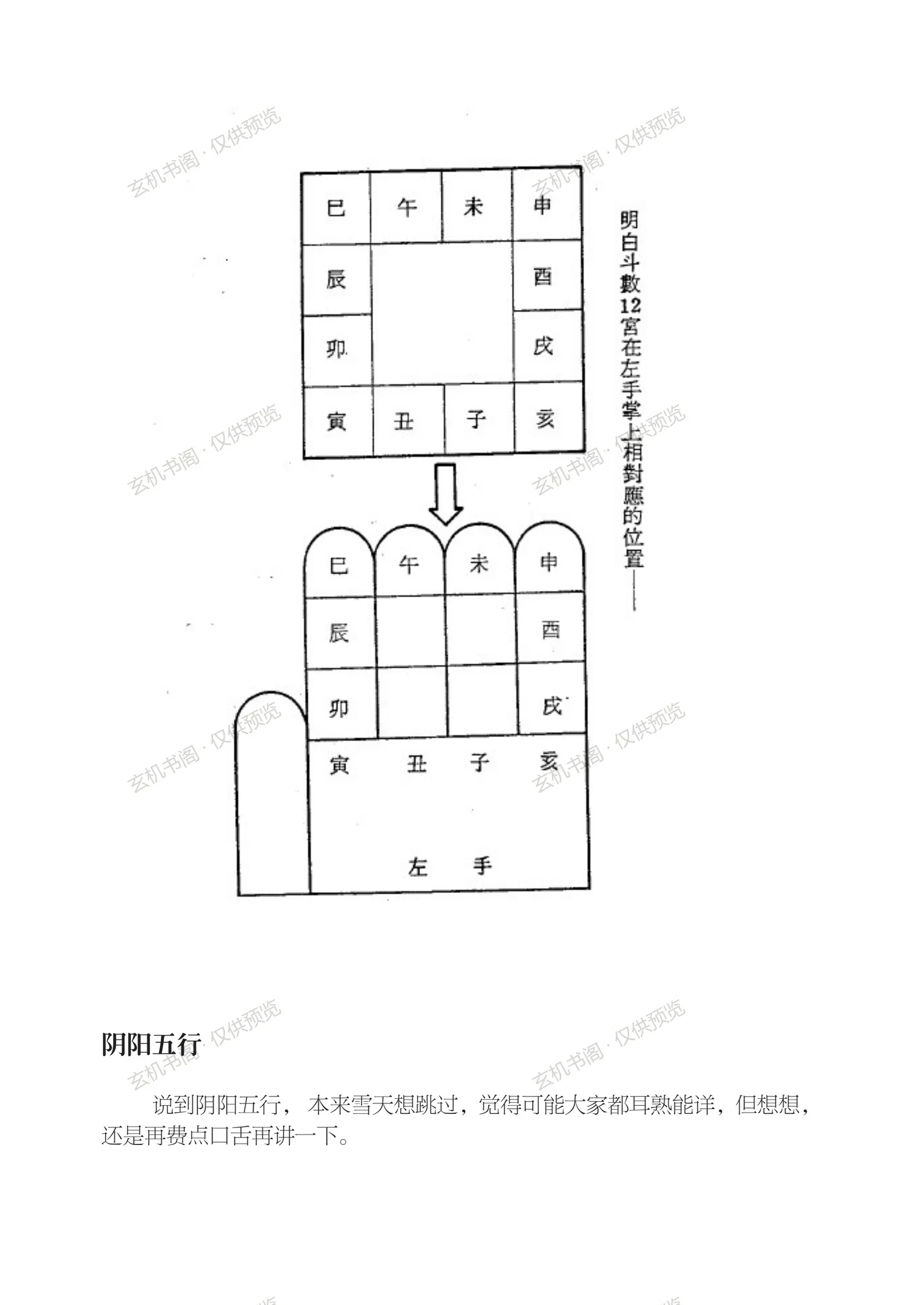
This lecture by Ning Xuetian introduces the basics of charting in Zi Wei Dou Shu. It first explains that the system casts a chart from a person's birth time, with twelve palaces and over a hundred stars arranged by set rules, and uses a sample chart to show what a chart looks like. The author argues that the fastest way to learn is to place the stars by hand from a known birth time rather than skipping straight to interpretation. The text then covers the twelve earthly branches and their correspondences with the zodiac animals and double-hours, tables linking the branches to the five elements, directions and yin-yang, a diagram of the twelve palaces and their yin-yang and five-element attributions, and a section on hand positions (zhangjue) for memorizing and calculating palace locations on the left hand. It closes with a review of yin-yang and the five elements. The material is foundational and suited to beginners building a framework of palaces, branches and elements for manual star placement.
Contents
Basics: what Zi Wei Dou Shu is
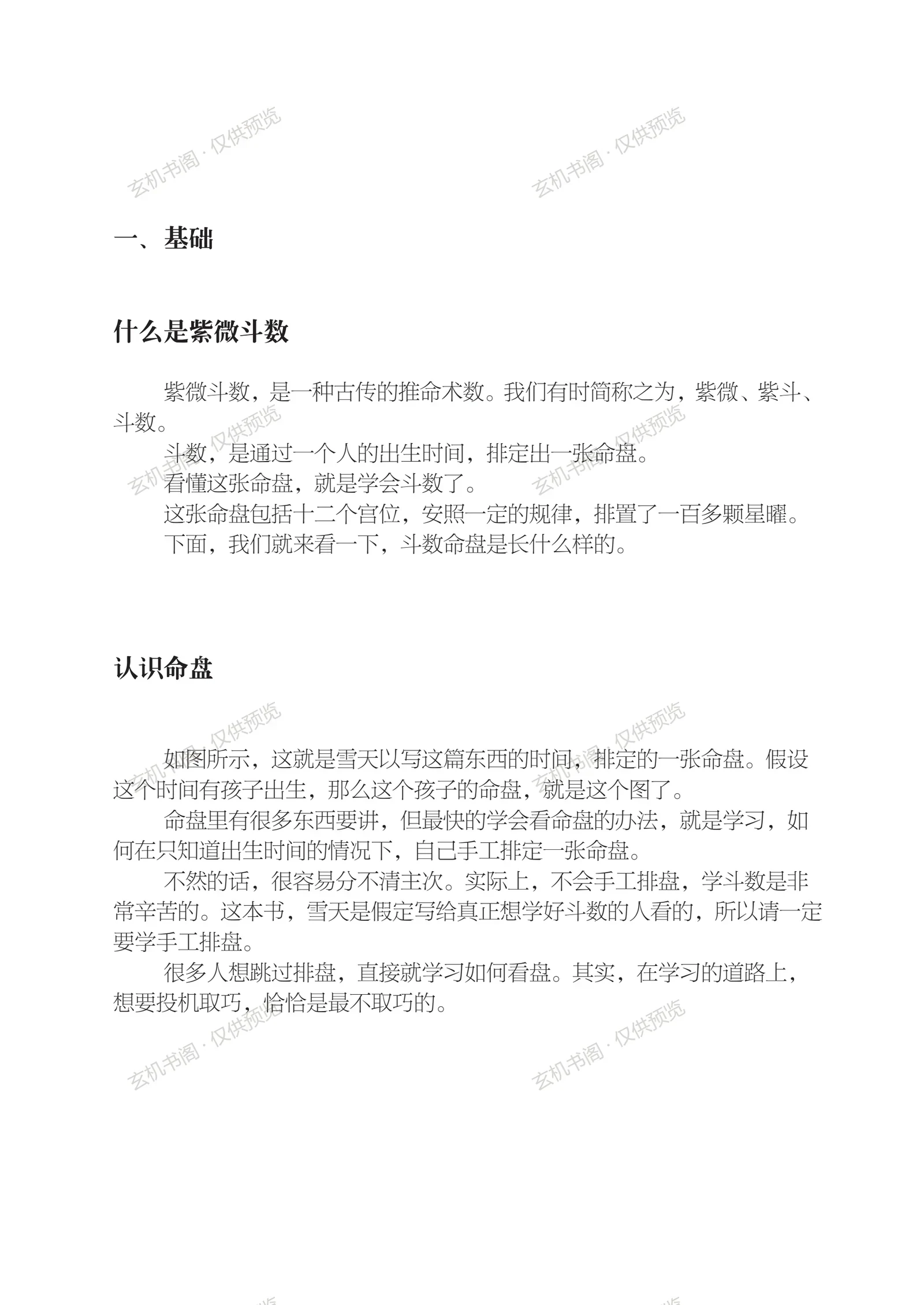
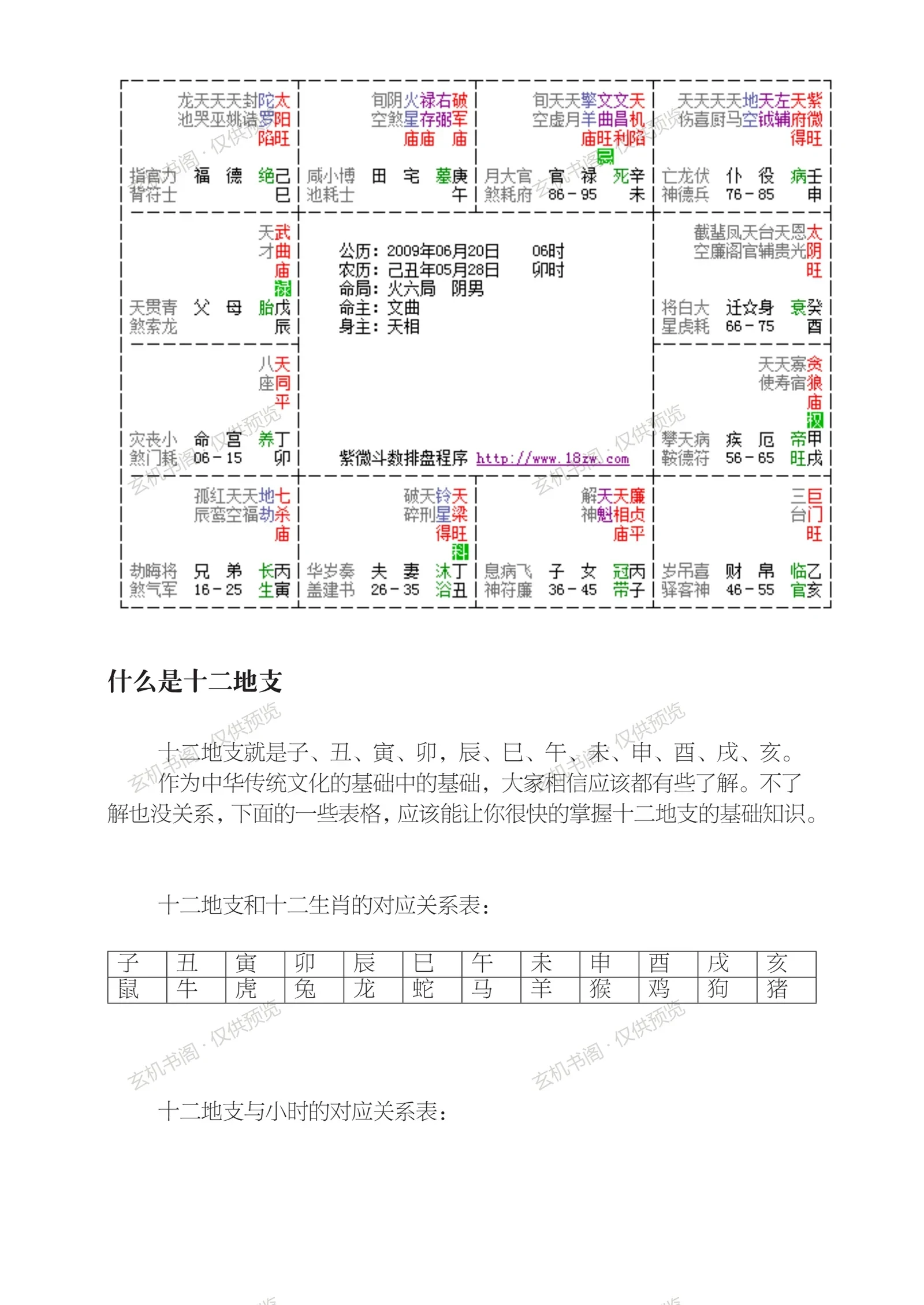
Reading a chart: sample chart and the need for manual placement
The twelve earthly branches: zodiac and double-hour tables
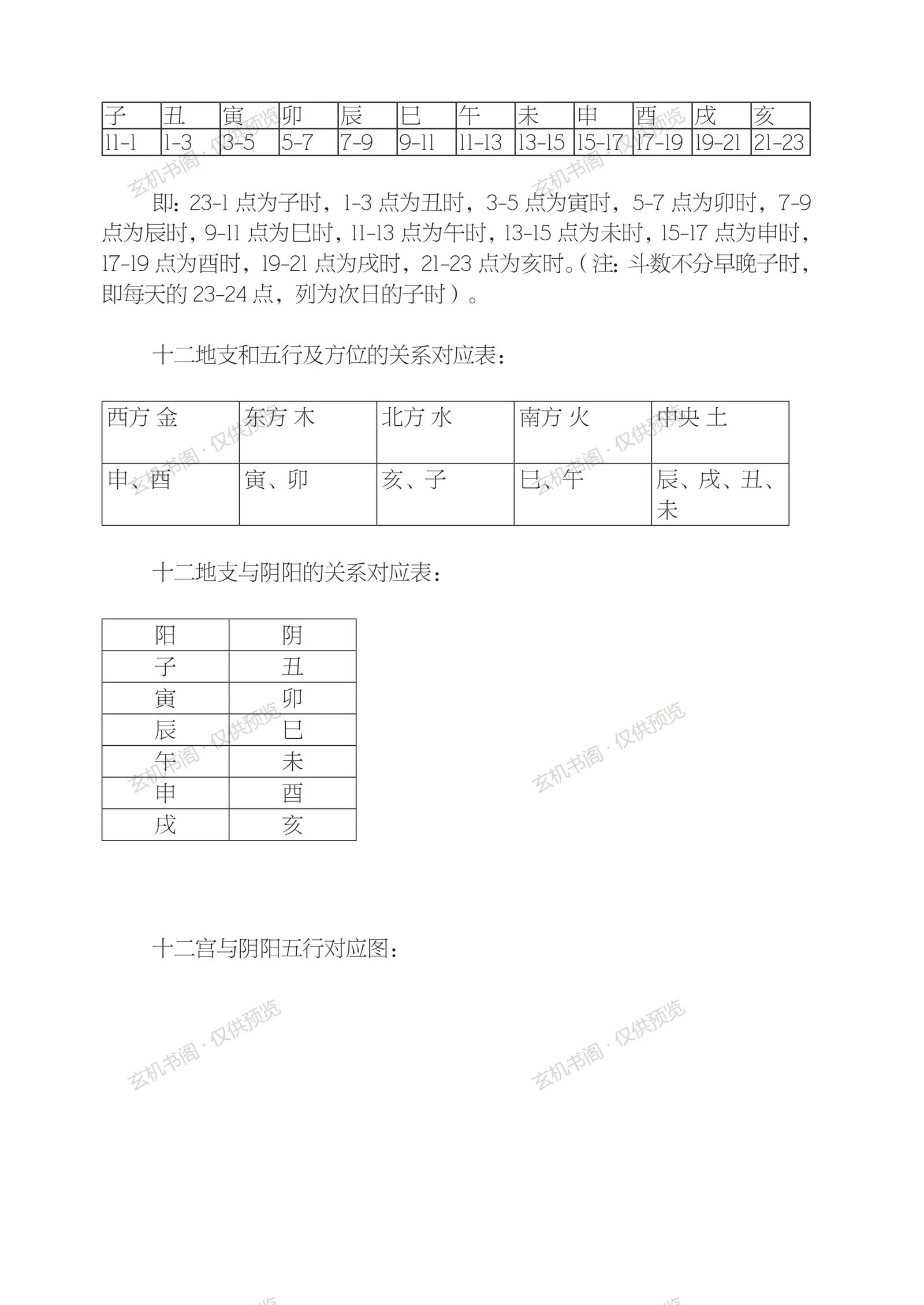
Branches with five elements, directions and yin-yang
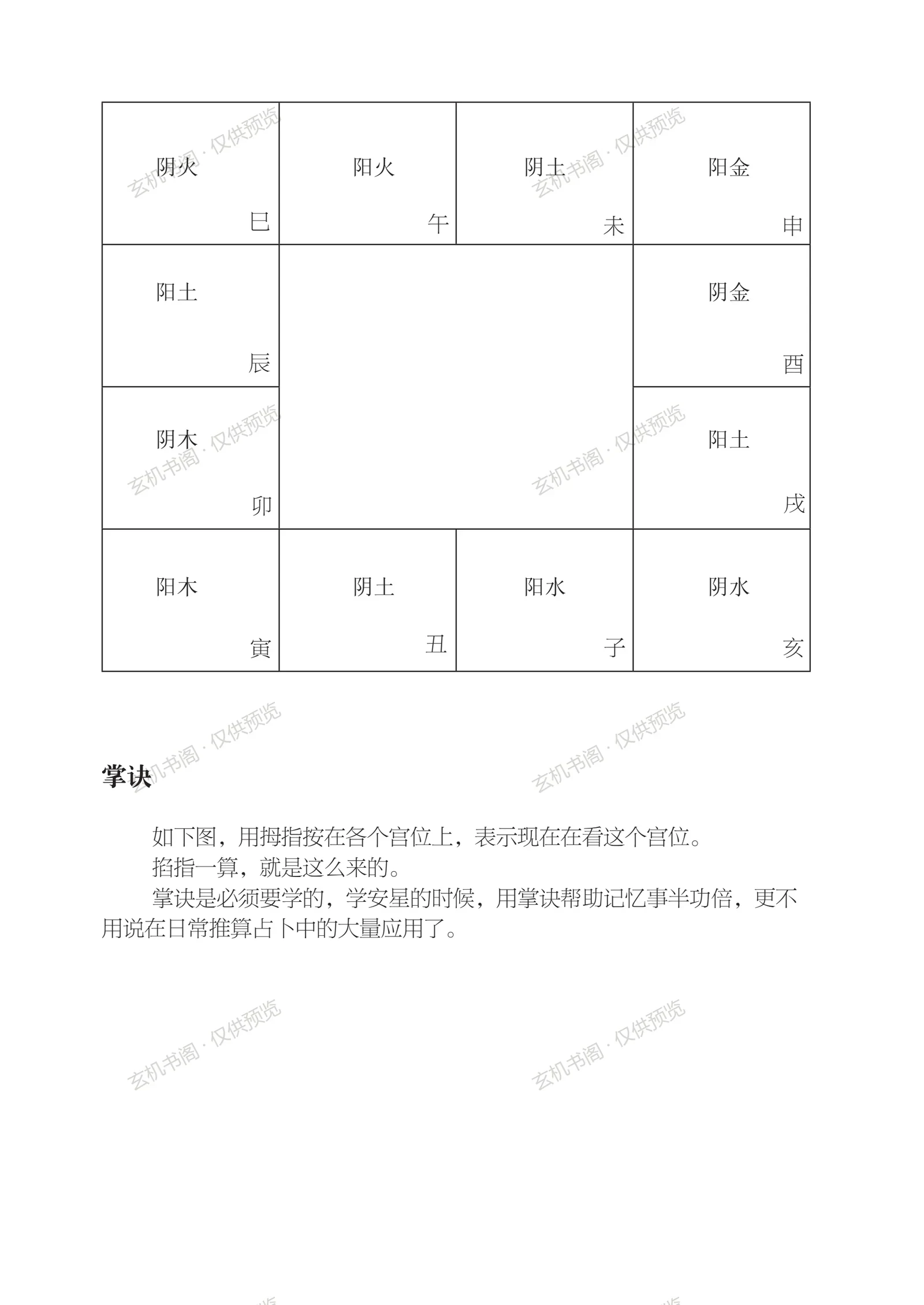
Twelve palaces and their yin-yang and five-element diagram
Hand positions: the twelve palaces on the left hand
Review of yin-yang and the five elements
Key Points
Manual charting is treated as the foundation and should not be skipped.
A chart consists of twelve palaces and over a hundred stars placed by rule.
Tables organize branches with zodiac animals, hours, elements, directions and yin-yang.
Hand positions use the thumb on palace locations to aid memory and calculation.
A diagram shows the twelve palaces on the left hand.