Reading guide
Content guideOverview
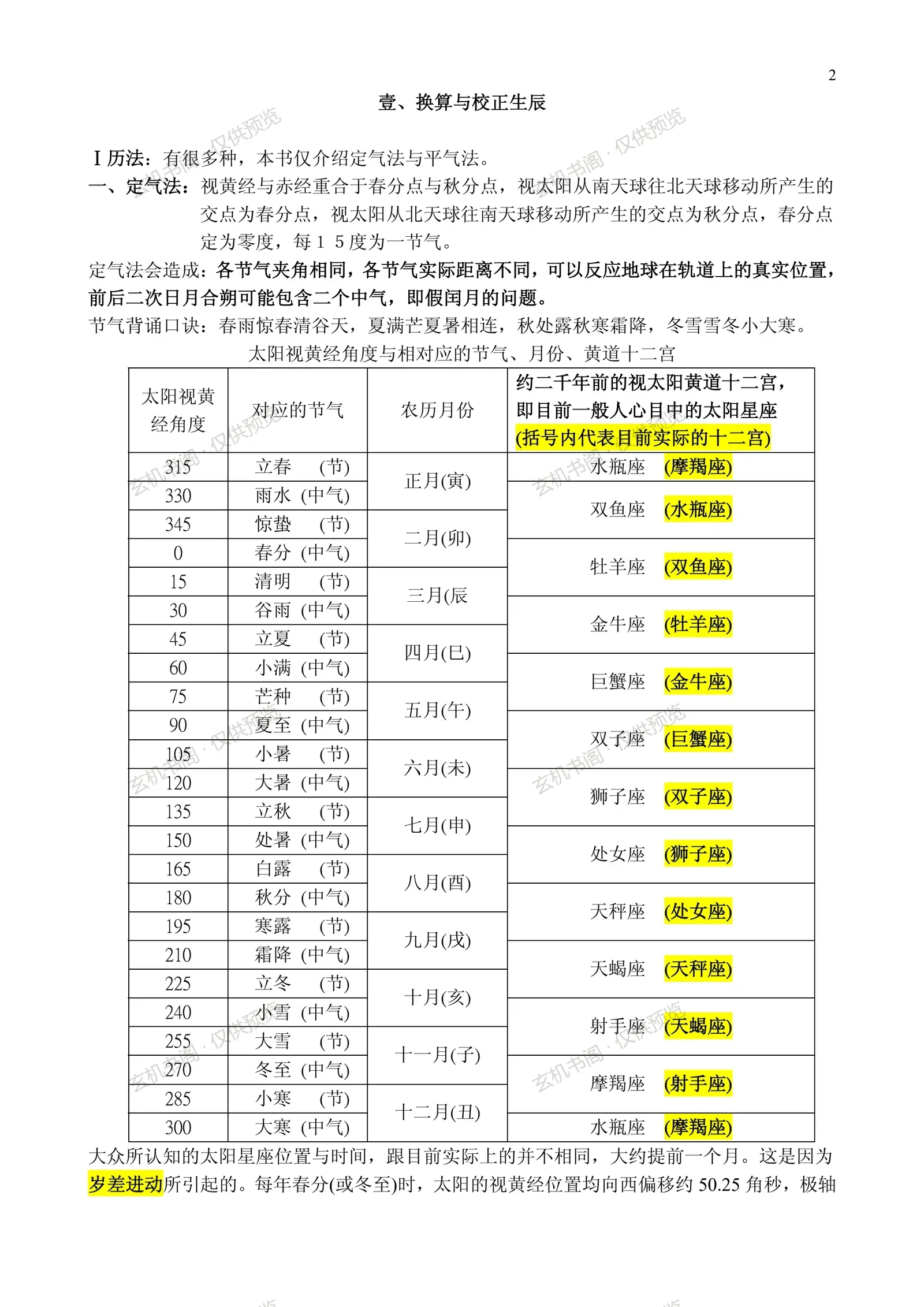
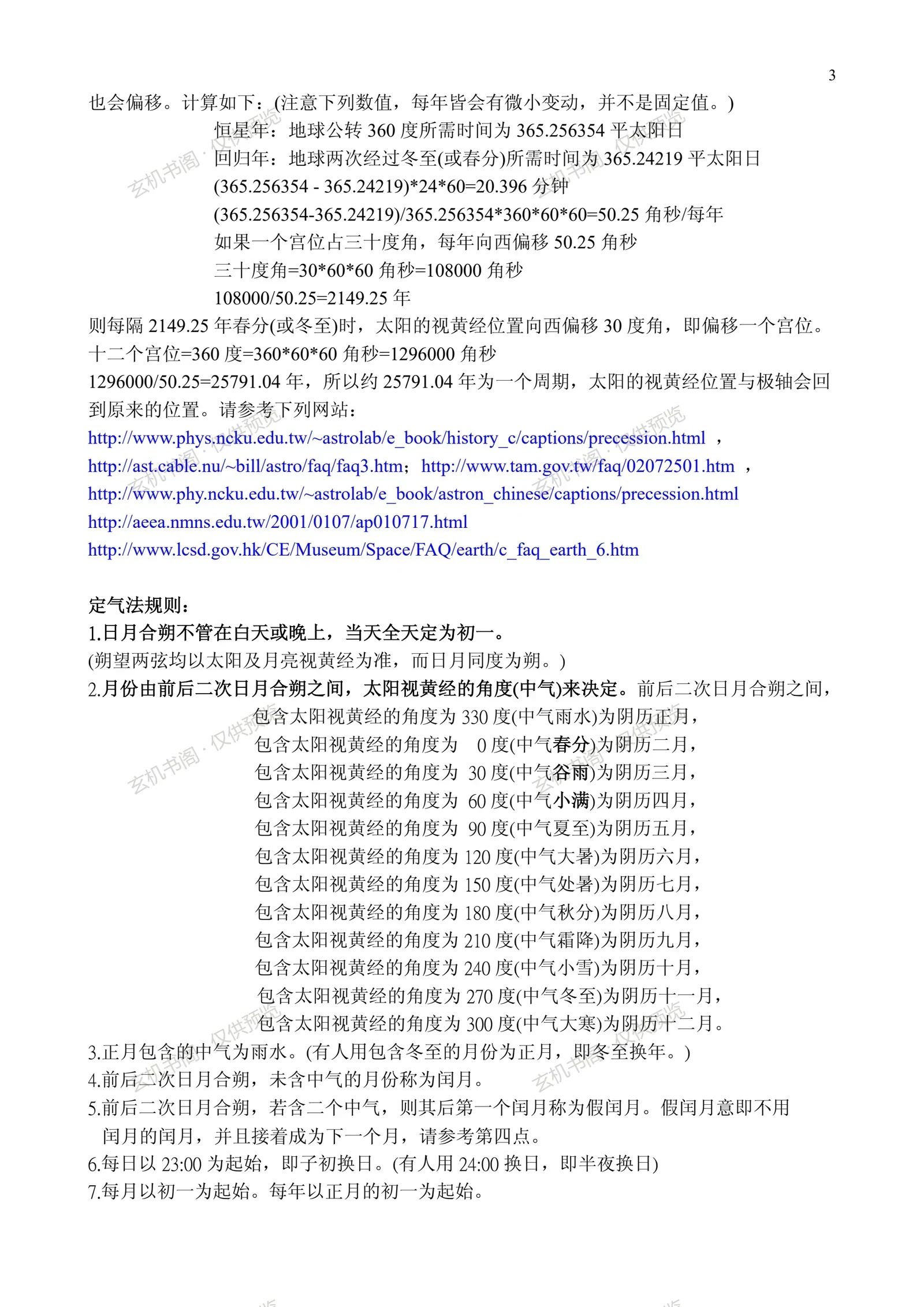
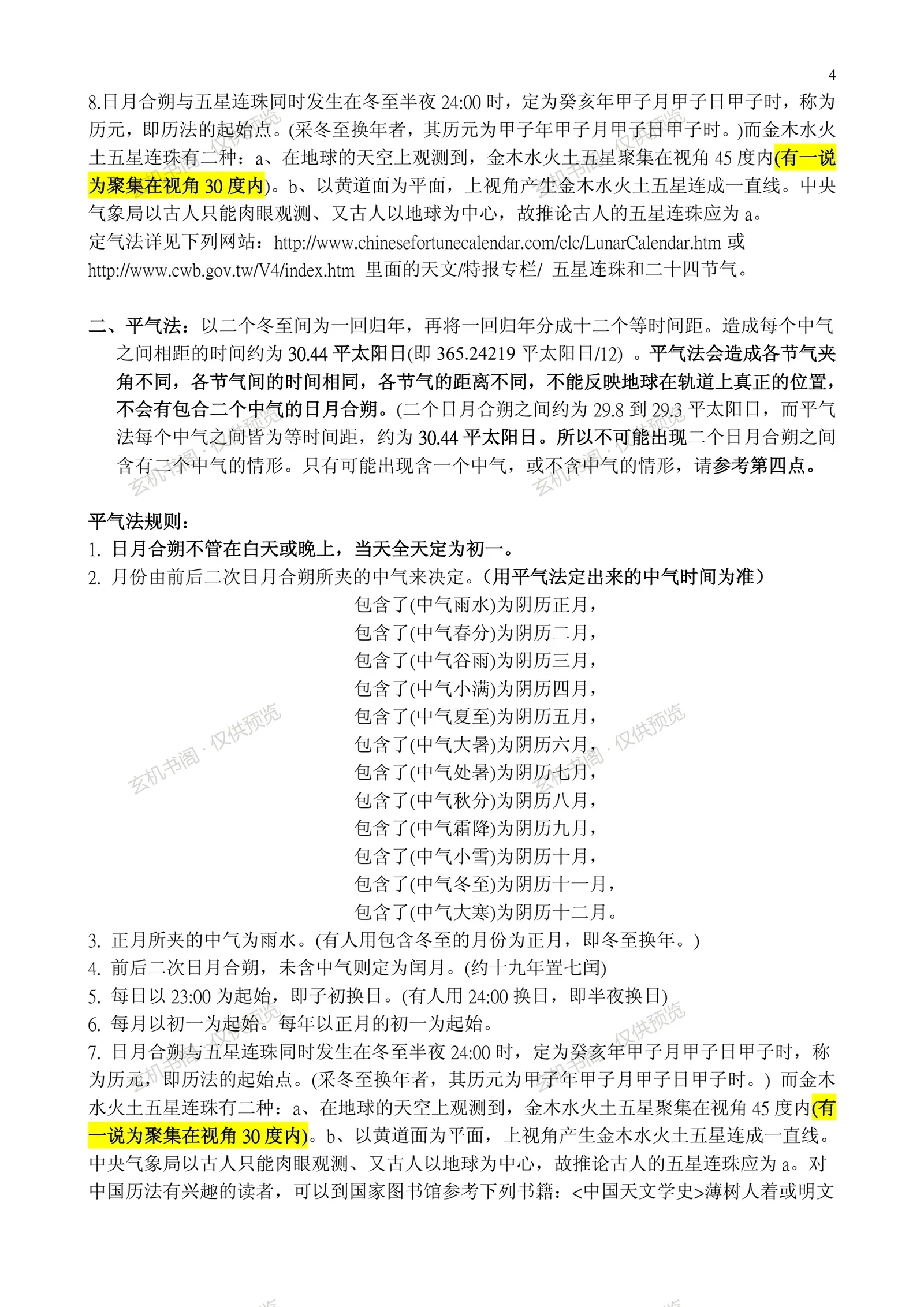
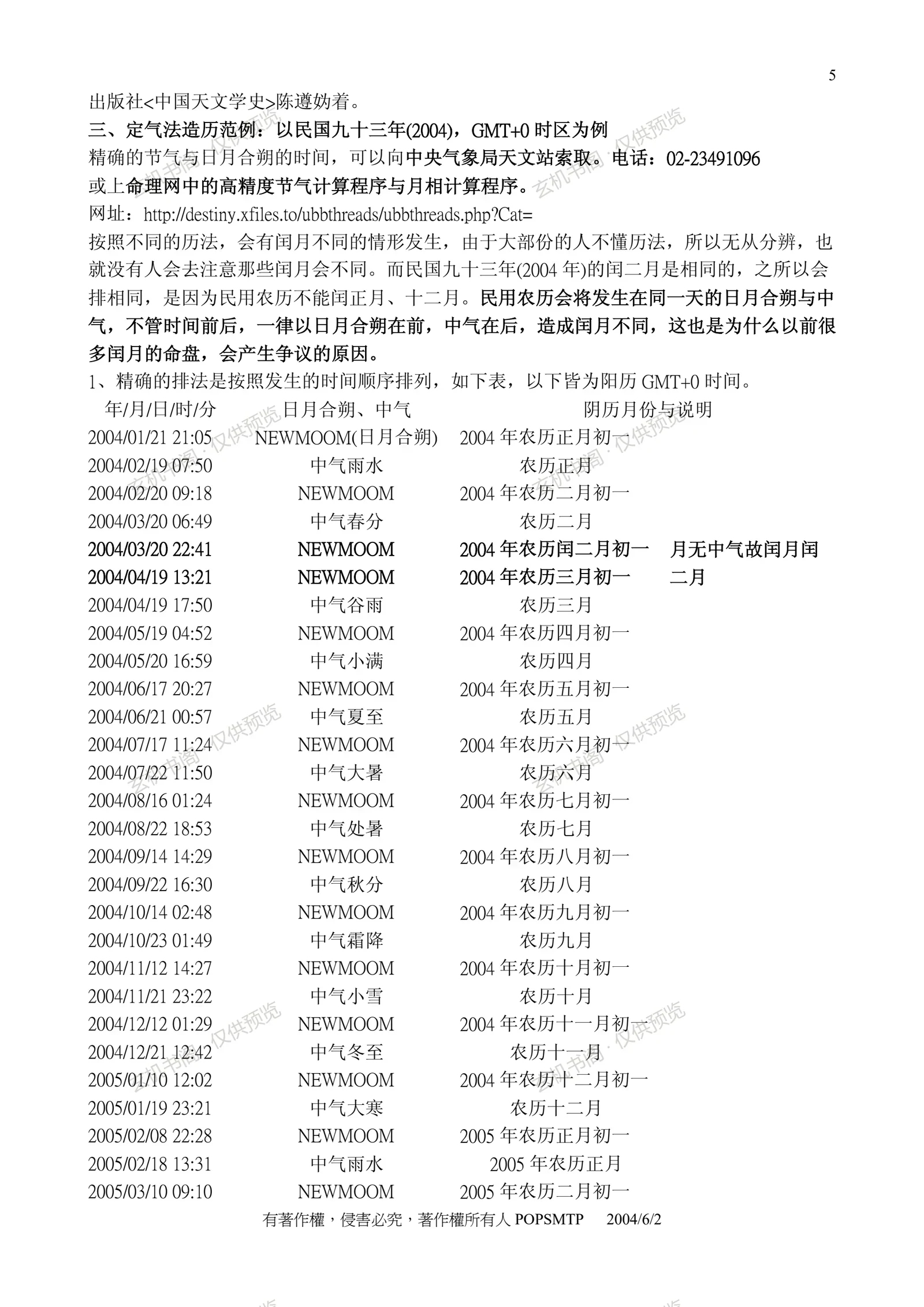
This book explains the basics of casting a Zi Wei Dou Shu chart. It begins with calendar conversion and birth-time correction, introducing the solar-term method and the mean-solar-term method, and discussing how new moons, solar terms, and leap months affect chart accuracy. It then walks through the sequence of chart casting: deriving palace stems from the year stem, locating the Life and Body palaces, determining the Five-Element Bureau, setting the major限, calculating the Zi Wei star position, placing the fourteen major stars, and arranging the month, hour, year-stem, and year-branch star groups. It concludes with the combinations of the six auspicious and six inauspicious stars. The book is suited to readers who already know basic Zi Wei terminology and want a systematic grounding in chart casting, especially the often-overlooked calendar and leap-month rules.
Contents
Chart-casting outline: calendar conversion and birth-time correction
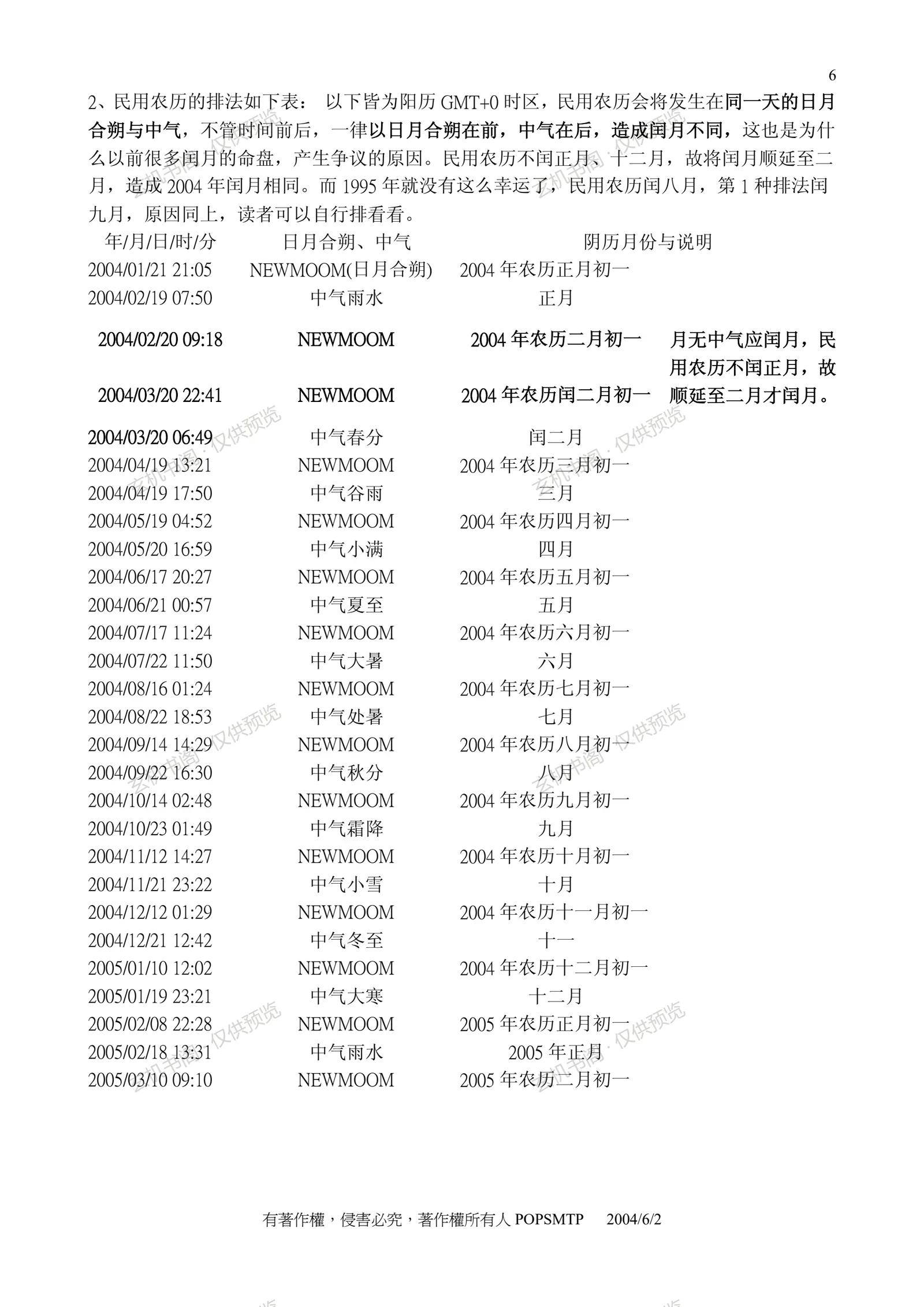
Solar-term method vs. mean-solar-term method and leap-month rules
Worked examples and leap-month disputes
Five-Tiger Escape for palace stems; Life and Body palaces
Five-Element Bureau, major限, and Zi Wei star position
Placing the fourteen major stars and star groups
Summary of six auspicious and six inauspicious stars
Key Points
Birth time must be corrected for calendar system, daylight saving, standard time, and true solar time.
The solar-term method uses the sun's apparent longitude; the mean method divides the tropical year evenly, giving different leap months.
Leap-month determination depends on new moons and solar terms; the civil calendar avoids leap months in the first and twelfth months.
The Zi Wei star is located by a formula involving the birthday plus X divisible by the bureau number.
Stars are placed in month, hour, year-stem, and year-branch groups, with fixed combinations for the six auspicious and six inauspicious stars.