Reading guide
Content guideOverview
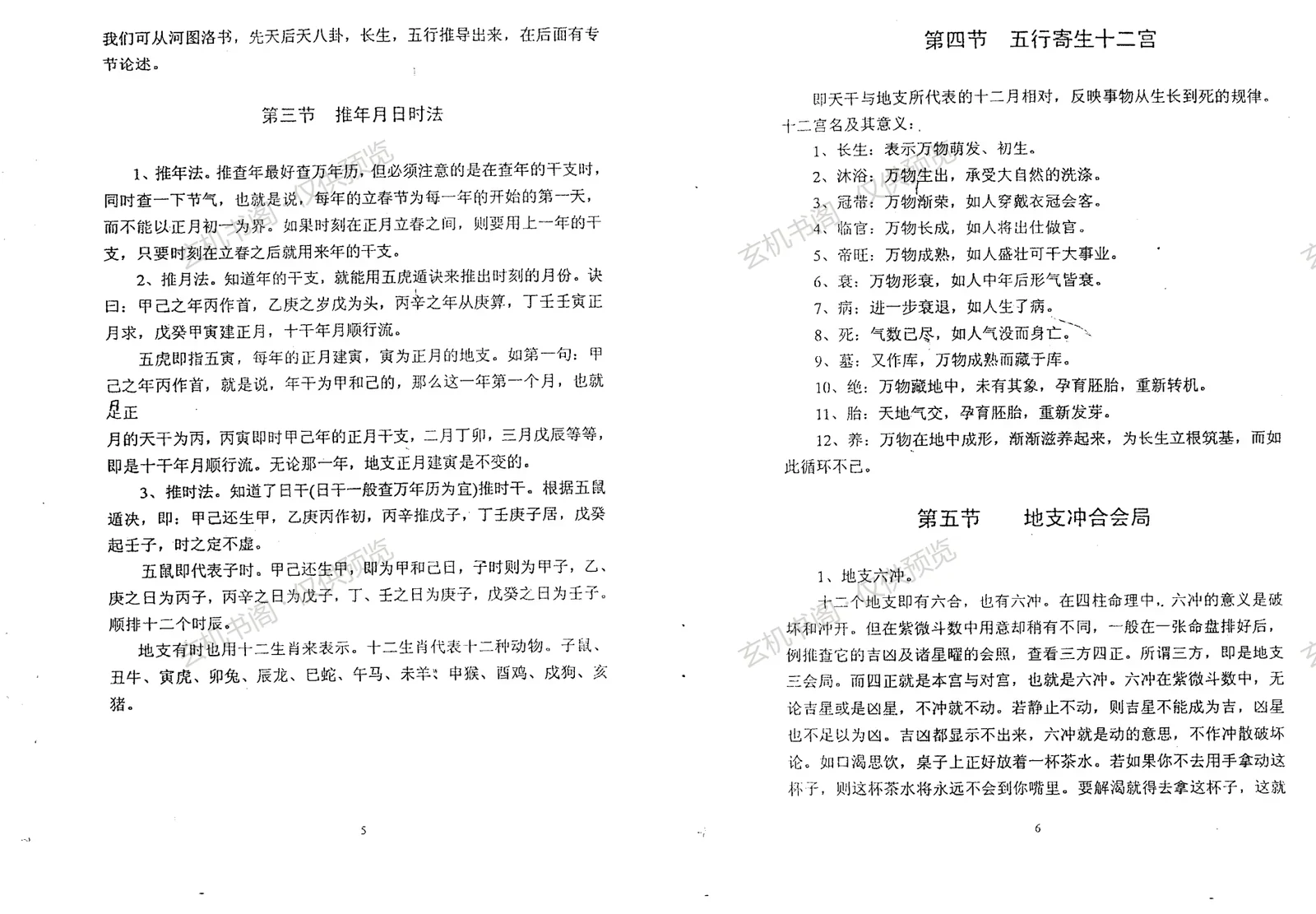
Compiled by Wang Weigang, this practical lecture set on Zi Wei Dou Shu opens with a preface from 2002 and a discussion of the tradition's origins. The first chapter explains Zi Wei Dou Shu as a system that correlates the movements of the Northern and Southern Dipper stars with human affairs. The second chapter introduces yin-yang and the five elements as the basic framework of Chinese numerology, then expands into the heavenly stems and earthly branches, including stem-element correspondences, the branches as months and double-hours, and the sexagenary cycle with its associated sounds. Later sections cover methods for deriving the year, month, day and hour using mnemonic formulas, the twelve stages of the five elements, and the significance of branch clashes, combinations and directional trines in chart analysis. The book proceeds from foundational theory to practical calculation, making it suitable for readers new to Zi Wei Dou Shu and Chinese astrology.
Contents
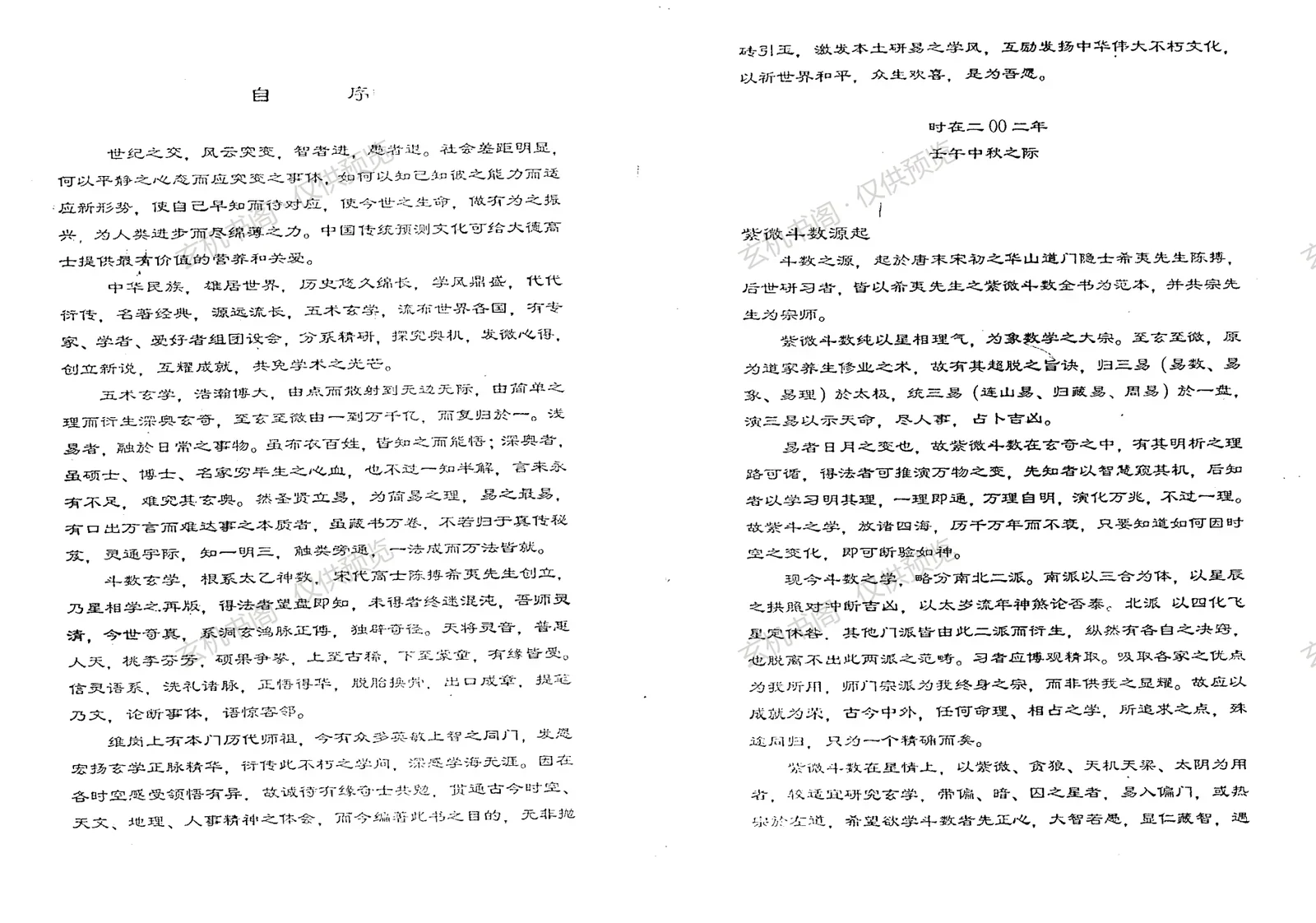
Preface and origins of Zi Wei Dou Shu
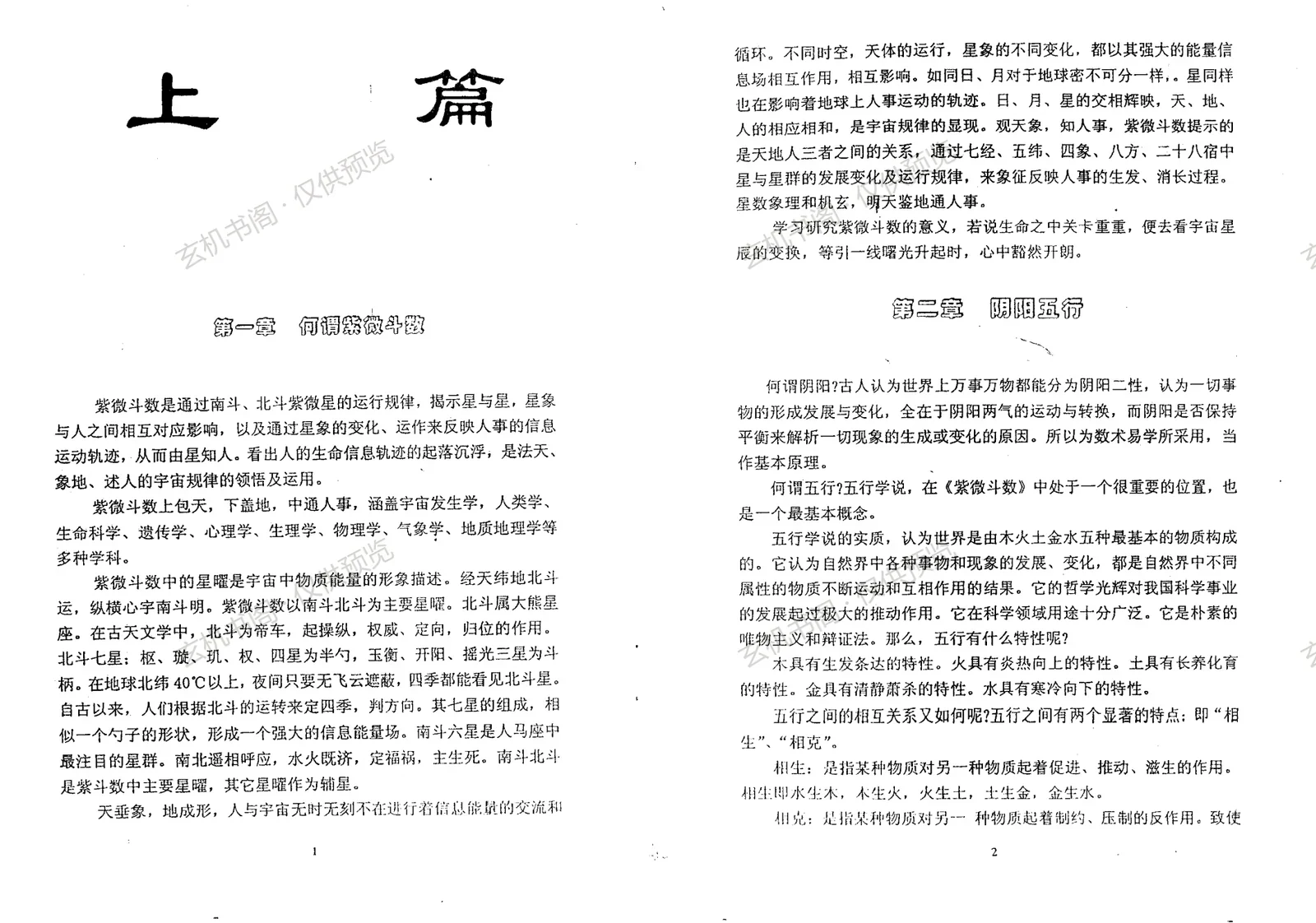
Part One, Chapter 1: What is Zi Wei Dou Shu?
Chapter 2: Yin, Yang and the Five Elements
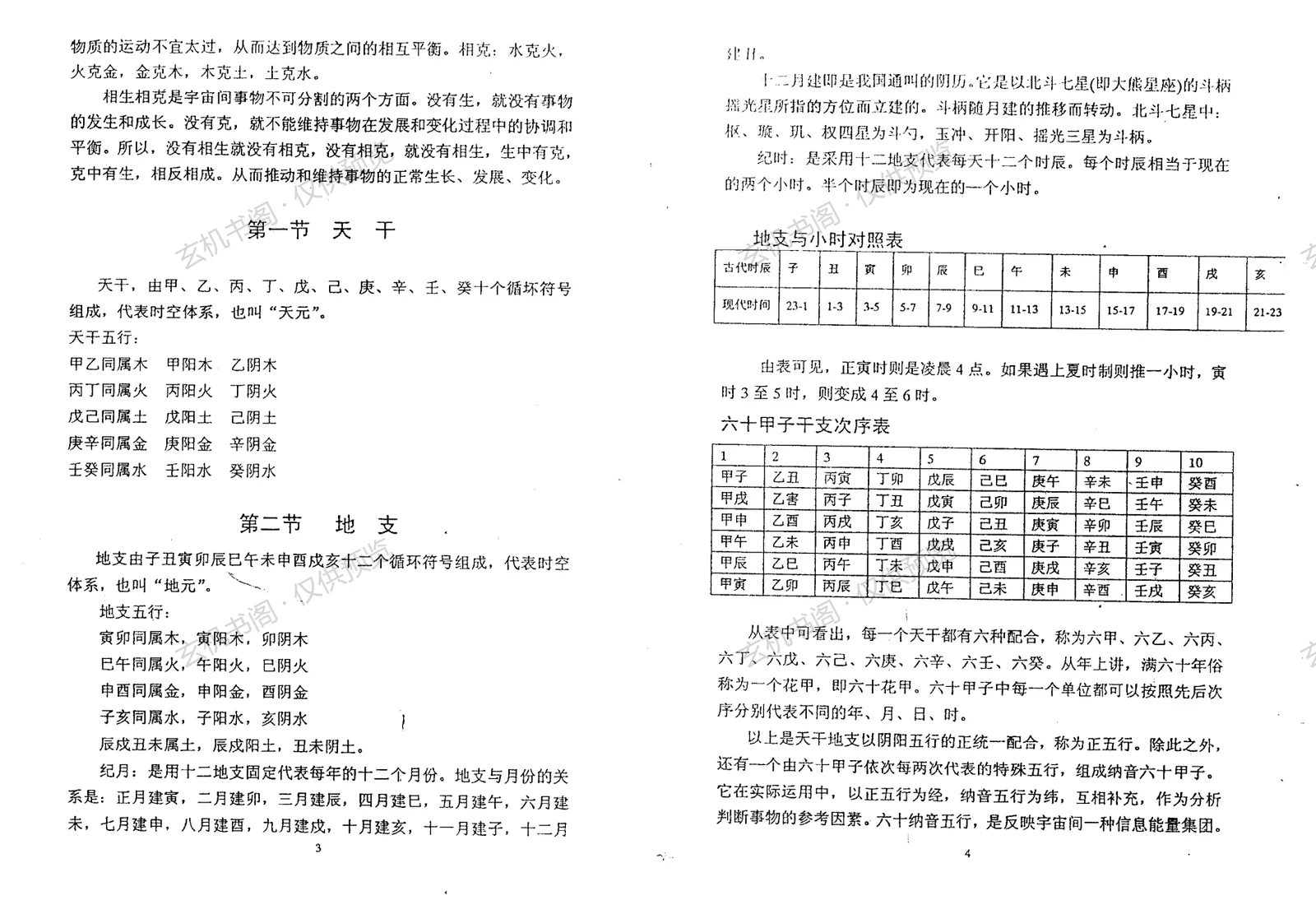
Section 1: Heavenly Stems
Section 2: Earthly Branches
Section 3: Deriving year, month, day and hour
Section 4: The twelve stages of the five elements
Section 5: Branch clashes, combinations and trines
Key Points
Zi Wei Dou Shu maps star movements onto human affairs through a macrocosm-microcosm correspondence.
Yin-yang and the five elements form the basic framework for all branches of Chinese numerology.
Heavenly stems and earthly branches encode time, seasons and hours with specific yin-yang and elemental qualities.
The Five Tiger and Five Rat formulas are mnemonic methods for sexagenary dating.
Branch clashes, combinations and trines carry specific interpretive rules in Zi Wei Dou Shu.