Reading guide
Content guideOverview
This is an introductory lecture text on yin dwelling feng shui compiled by Hao Jianmin, marked as internal material. It follows the traditional form-school approach: first explaining how to seek dragons, including distinguishing ancestral mountains from main trunks, the yin-yang and five-element qualities of dragons, the three wonders and five configurations, observing qi, and seeking dragons on plains; then how to locate a site, with requirements for site selection and soil. It further discusses sand and water analysis, secret water methods, and eight-direction fortunes, including incoming paths, depressions, elevations, and thirteen water divisions. Chapter six covers room allocation, noble and base grave judgments, and lists numerous grave-form omens such as sites producing blind, lame, or deaf descendants, along with configurations like dragon-tiger clamping and mismatched dragon-tiger. The text quotes classical works such as Kanyu Manxing, Mr. Qingwu's Burial Classic, the Book of Burial, Qingnang Haijiao Jing, Zeng Yang Questions and Answers, and Kanyu Zongsuo, explaining them with practical surveying experience. It suits readers with basic feng shui terminology who wish to study yin dwelling form-school judgment systematically, and can also serve as a record of folk kanyu lecture material.
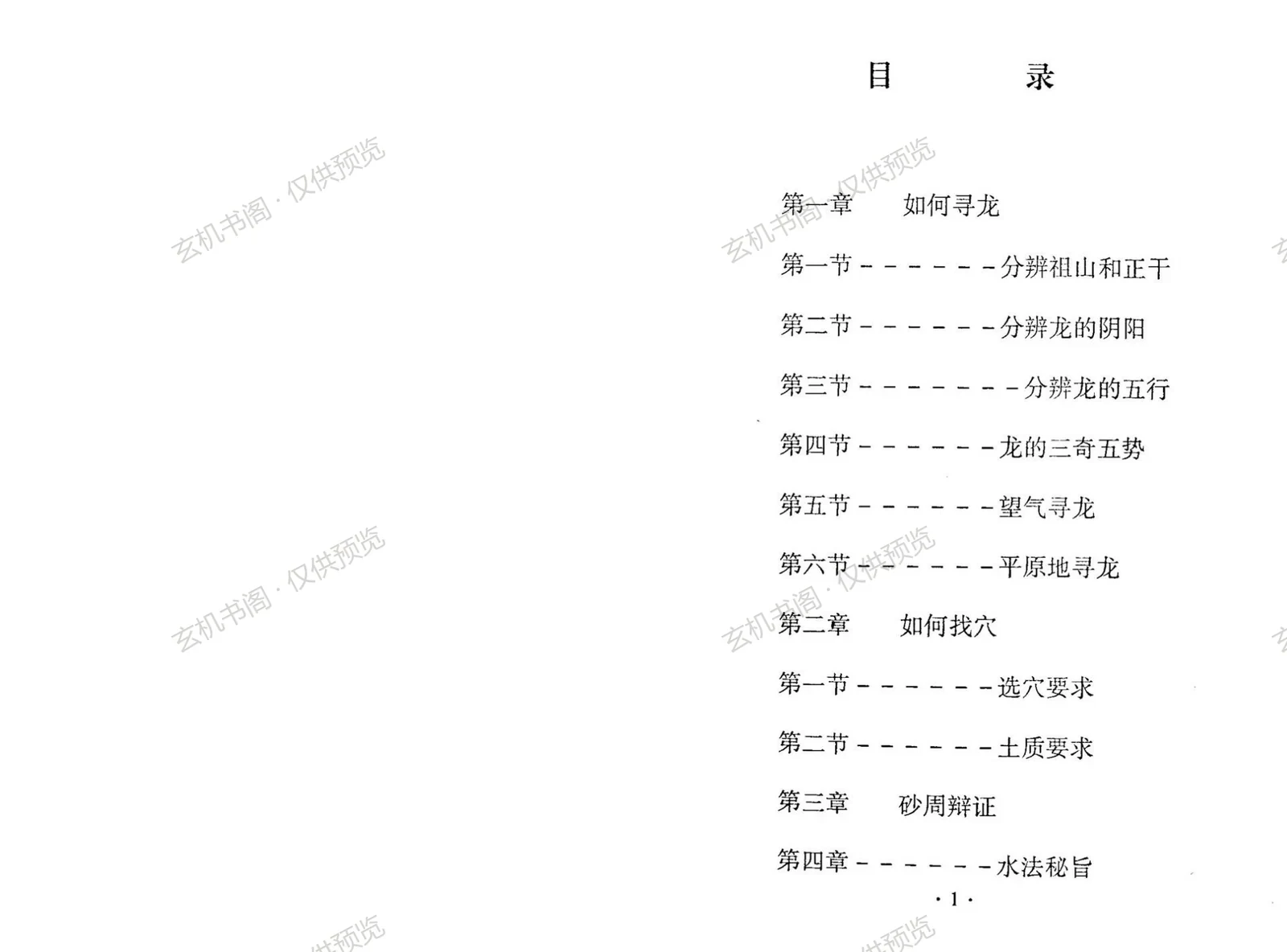
Contents
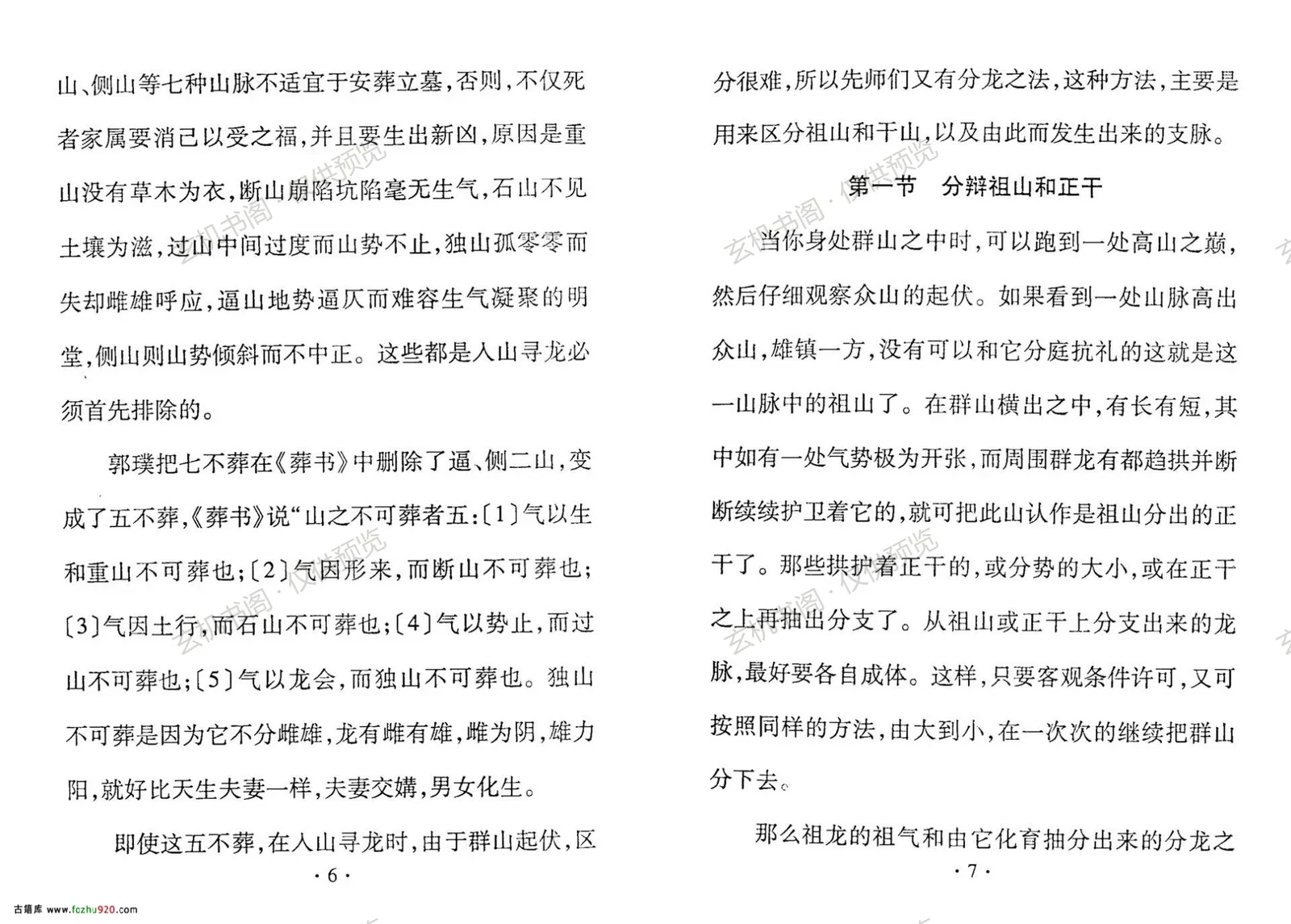
Ch.1 Seeking dragons: ancestral mountains, yin-yang, five elements, configurations
Ch.2 Locating sites: selection requirements and soil conditions
Ch.3 Sand and water analysis
Ch.4 Secret water methods
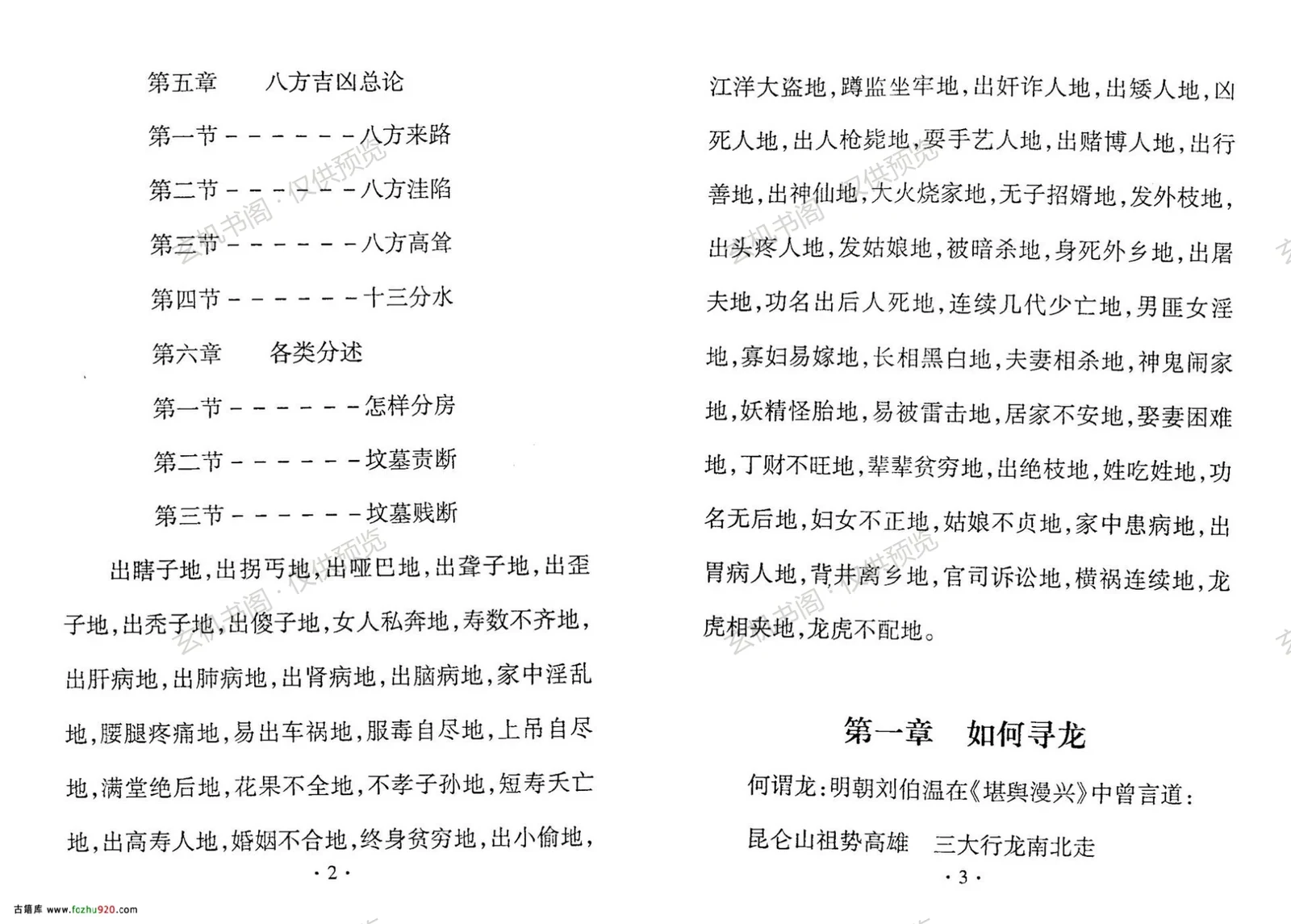
Ch.5 Eight-direction fortunes: paths, depressions, elevations, water divisions
Ch.6 Various topics: room allocation, noble and base grave judgments
Key Points
Form-school focus, moving from dragon seeking to site, sand-water, and eight-direction fortunes.
Lists many grave-form omens, such as sites producing blind or lame descendants.
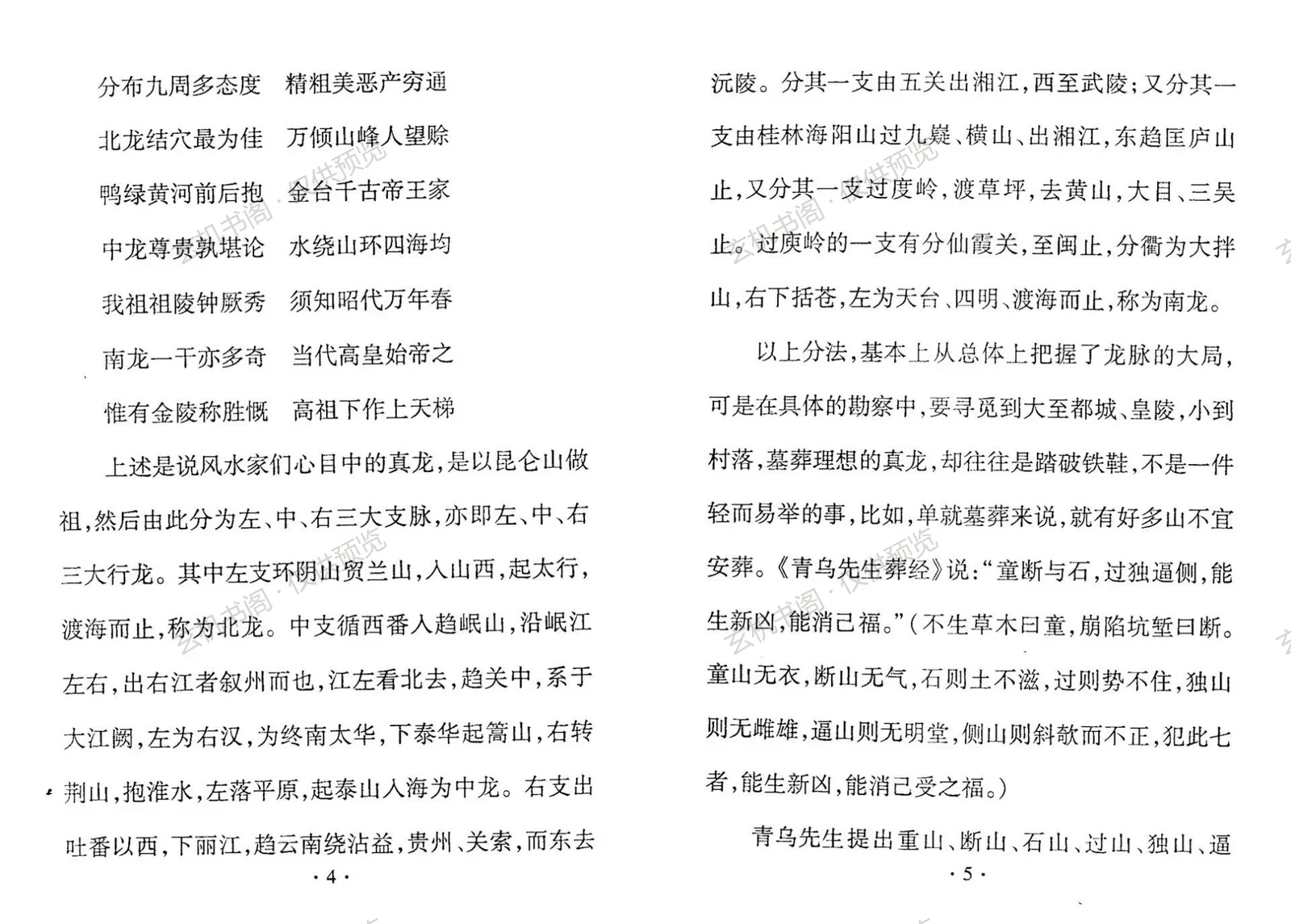
Quotes classics including the Book of Burial and Qingnang Haijiao Jing.
Discusses room allocation and noble/base grave judgments with field experience.