Reading guide
Content guideOverview
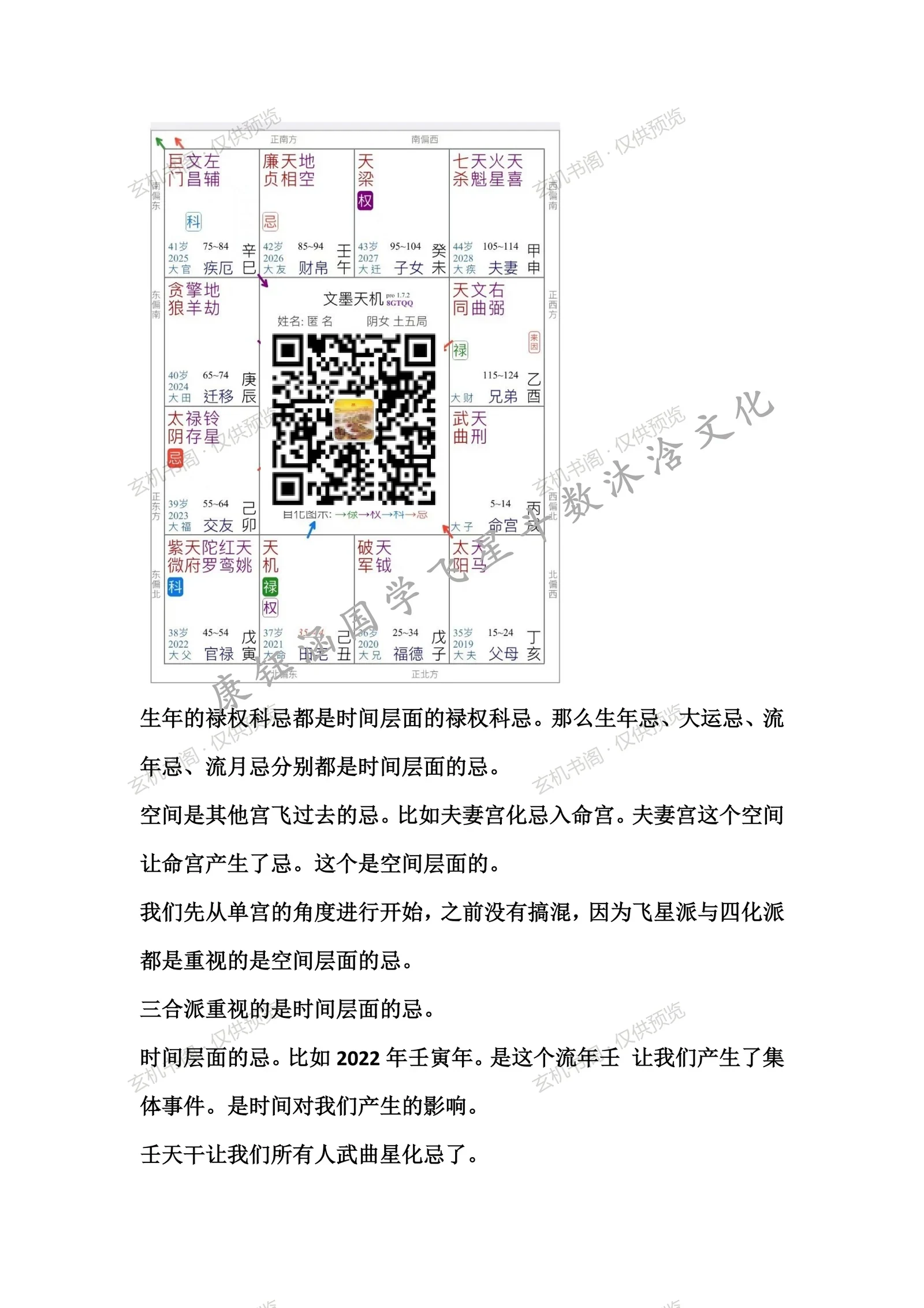
This handout records a Zi Wei Dou Shu lecture titled “3.24: Birth-Year Ji Entering the Twelve Palaces.” It begins with the master’s explanation of Ji as a whole image: Ji belongs to water, governs storage and dormancy, and corresponds to winter, cold, pain and the “dark” side, paralleled with ruined, missing-corner or cluttered houses. Charts, emoji and room photos translate the abstract Ji into emotional and everyday scenes. Seven groups of composite meanings are then listed, covering honesty and stubbornness, keeping and guarding, worry and debt, petty people and conflict, greed and delusion, obstruction and dirtiness, and small, few, old or blocked matters; the text notes that Ji is not always bad and can sometimes be the turning point, as in “Lu turning into Ji.” The lecture also separates temporal Ji (birth-year, major limit, annual, monthly) from spatial Ji (palace-stem flying transformations), noting that Flying Star and Four Transformations schools stress spatial Ji while the San He school stresses temporal Ji, with the 2022 Ren-Yin year making Wu Qu transform into Ji as an example. A sample Zi Wei chart closes the excerpt.
Contents
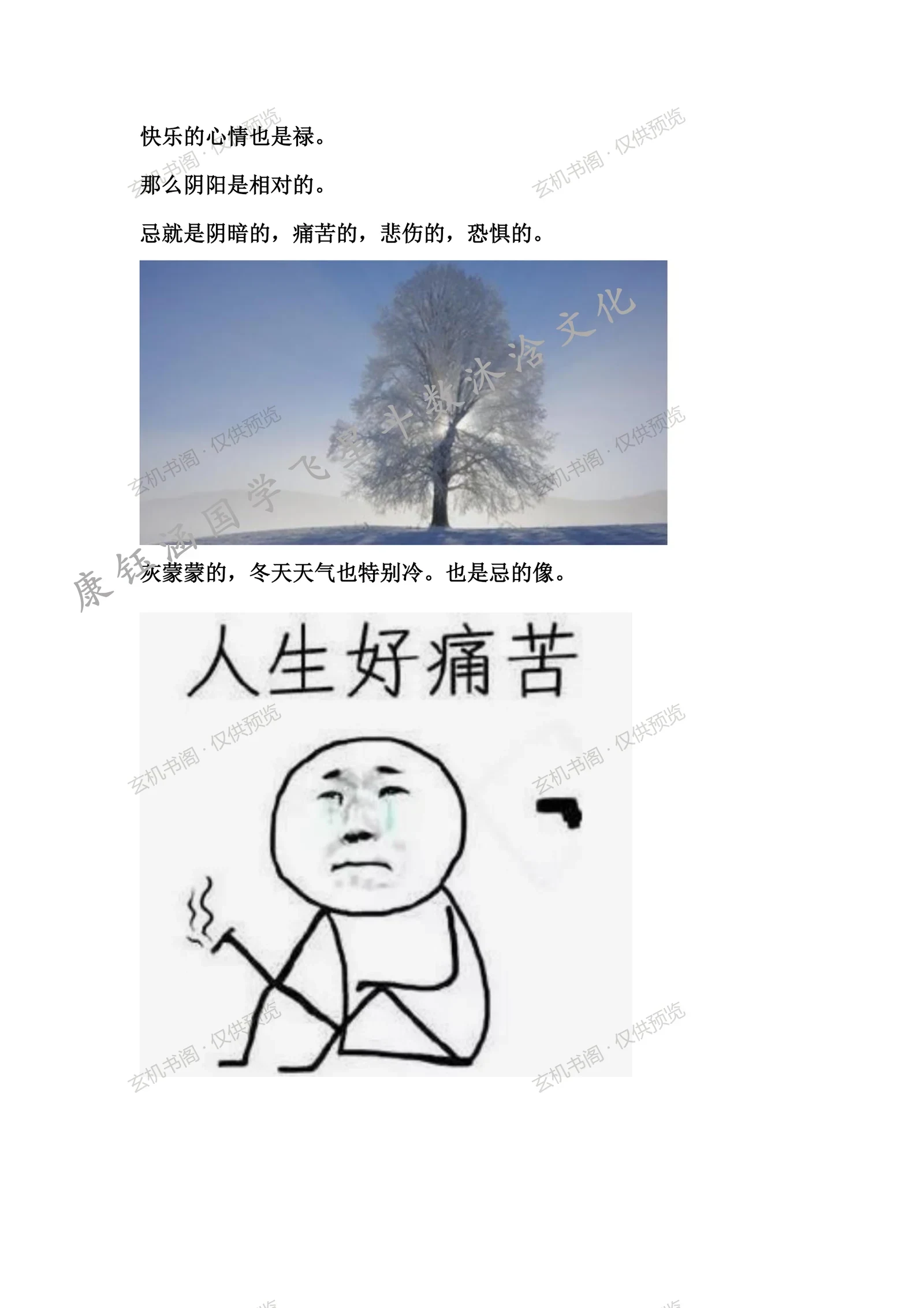
General image of Ji: water, winter storage, cold and pain
Using moods and images to contrast Lu and Ji
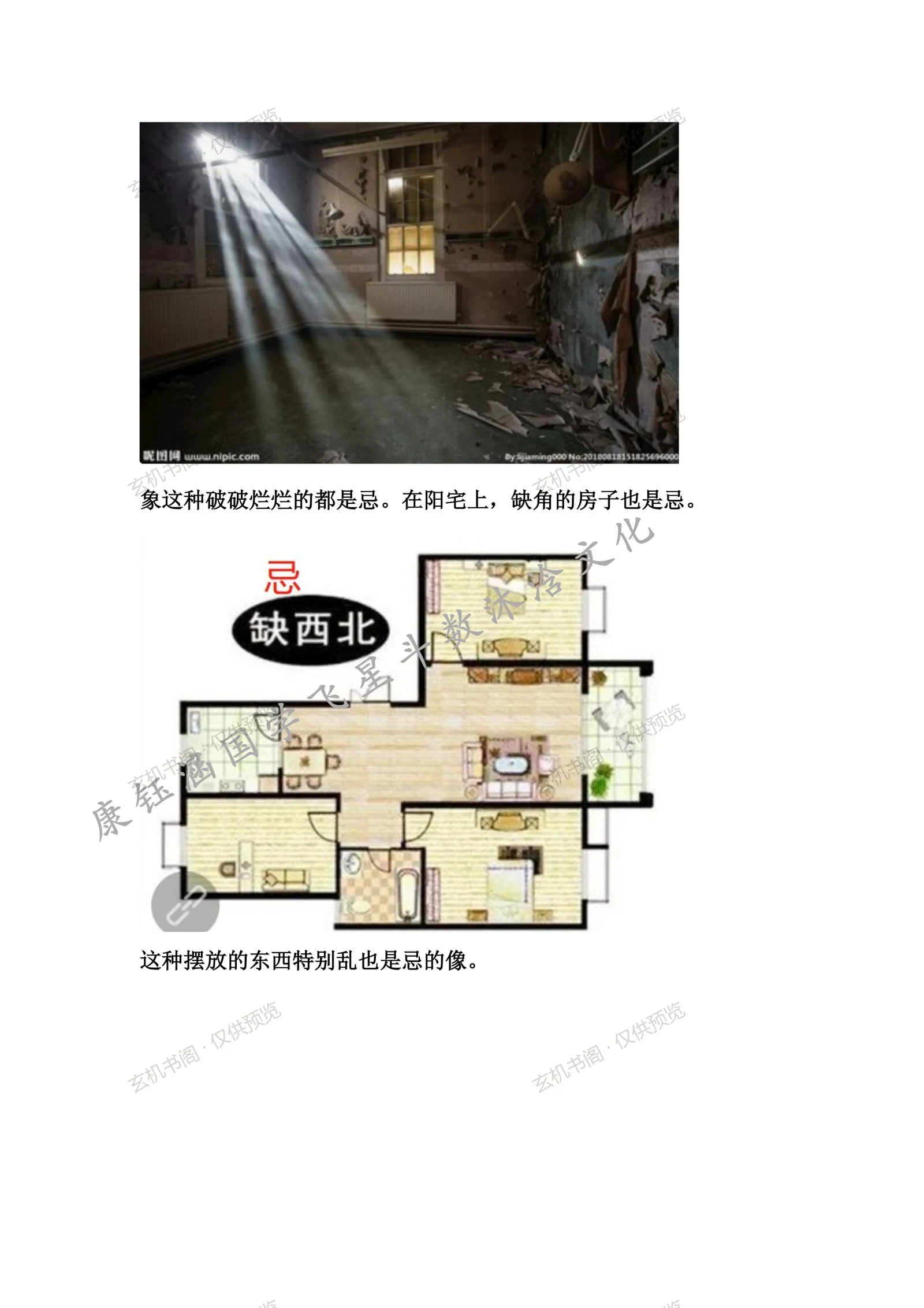
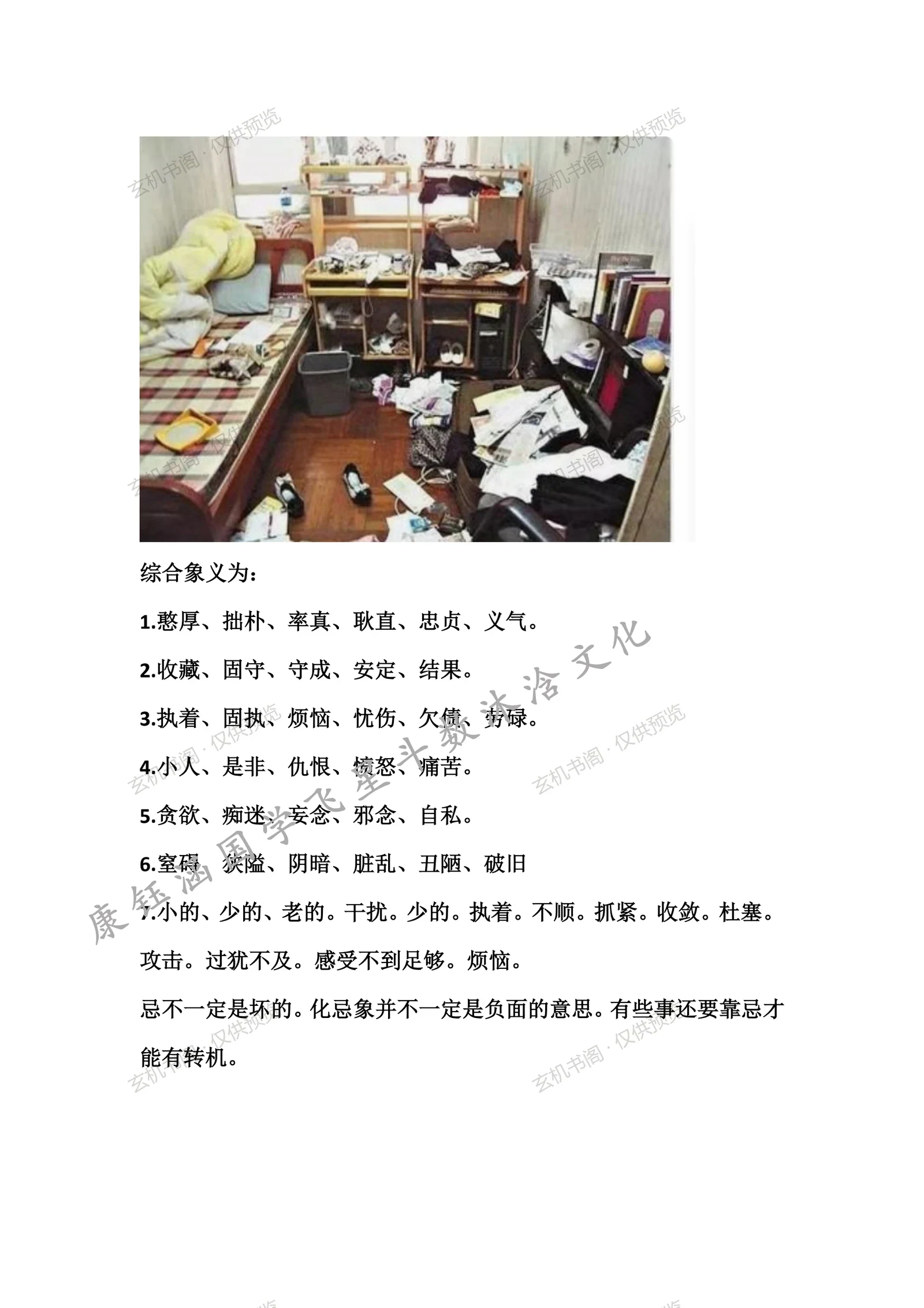
Ji images in houses: missing corners, decay, clutter
Seven groups of composite Ji meanings
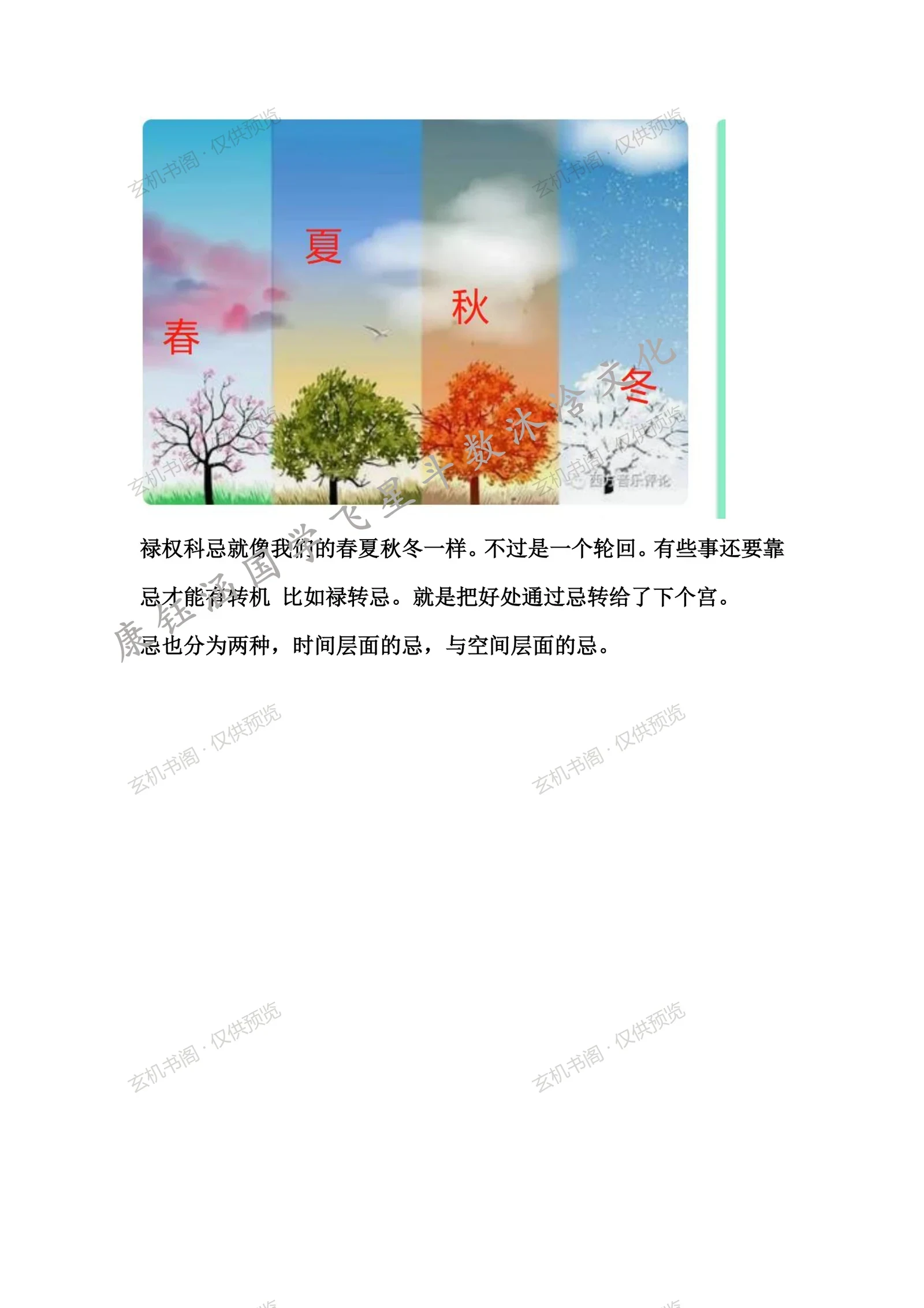
Four seasons and the turning point of Lu turning into Ji
Temporal Ji versus spatial Ji
Palace-stem flying example and annual Ji chart
Key Points
Ji belongs to water, storage and dormancy, with a dark, cold image
Ji is not necessarily bad and can create a turning point
Ji imagery covers emotion, people and environment
Temporal Ji includes birth-year, major limit, annual and monthly
Spatial Ji is another palace’s stem flying Ji into this palace
Flying Star and Four Transformations schools stress spatial Ji; San He stresses temporal Ji