Reading guide
Content guideOverview
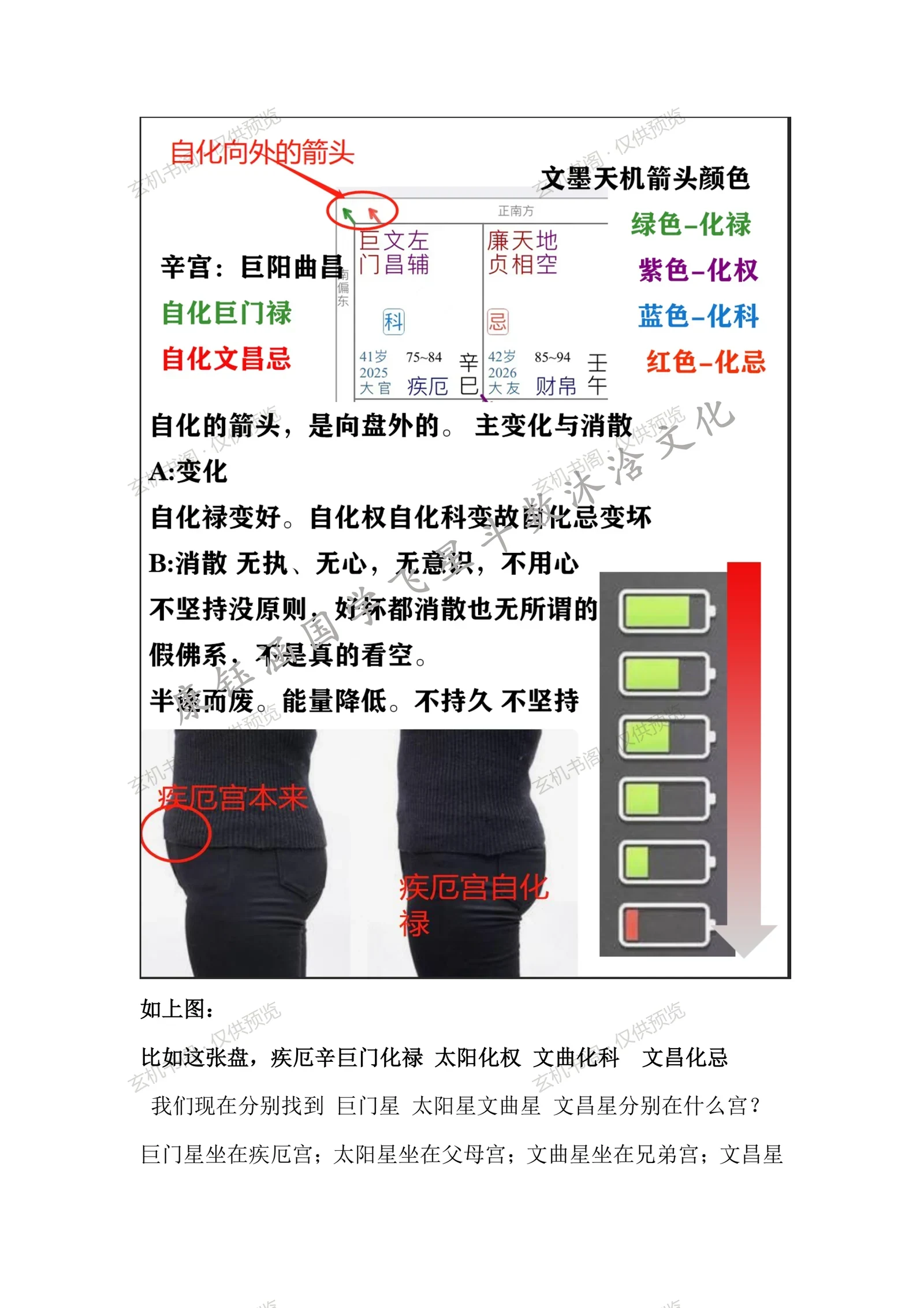
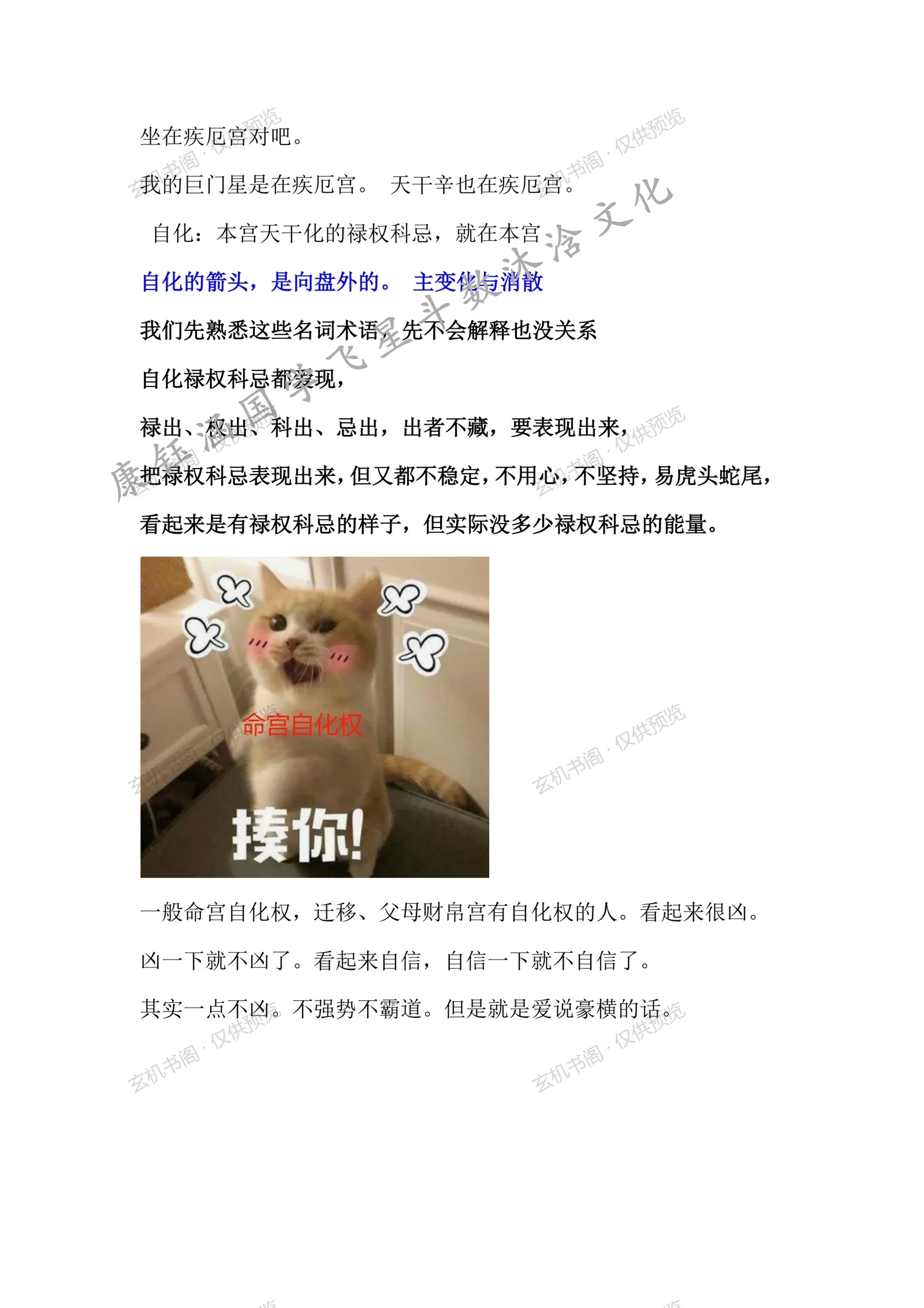
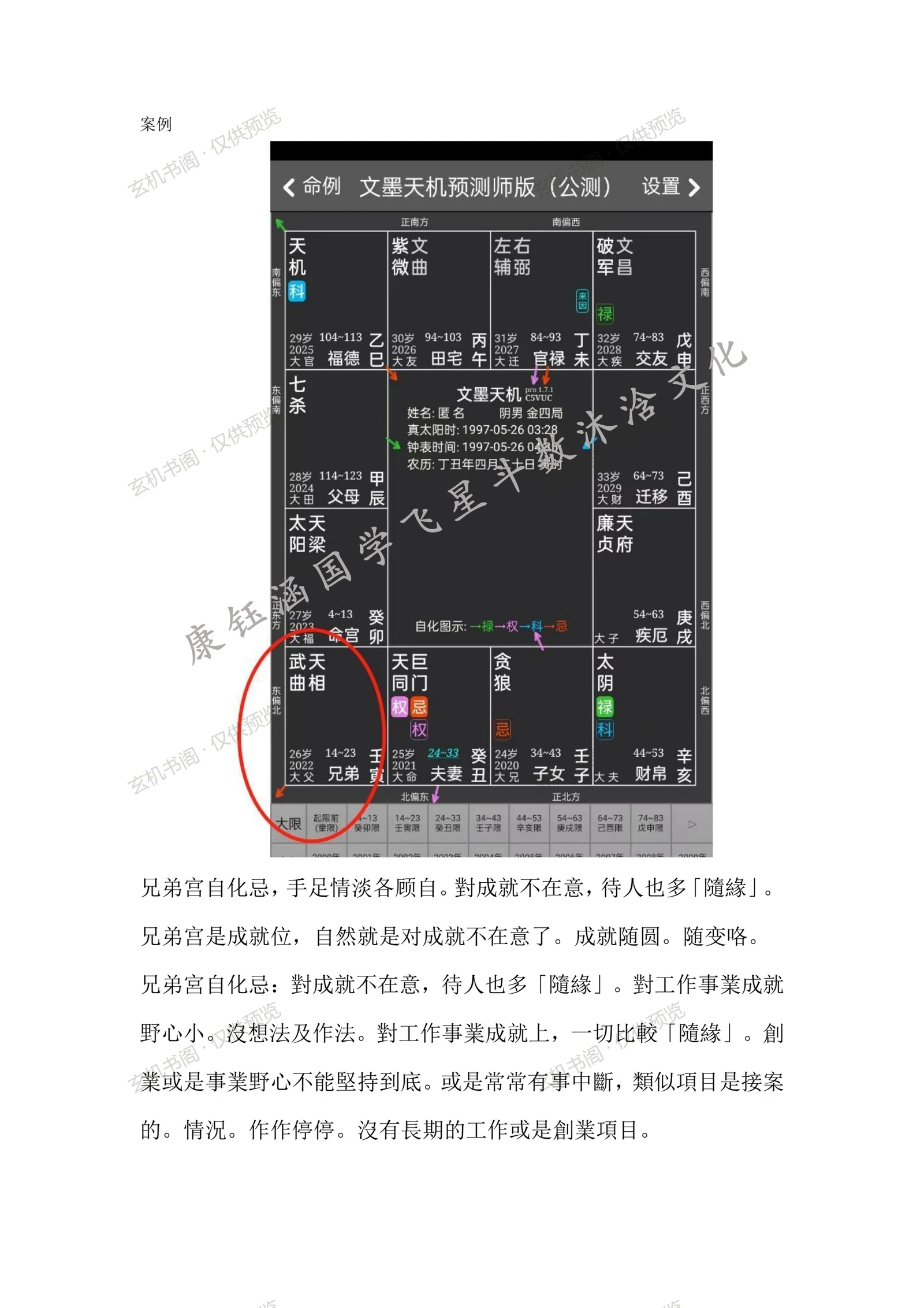
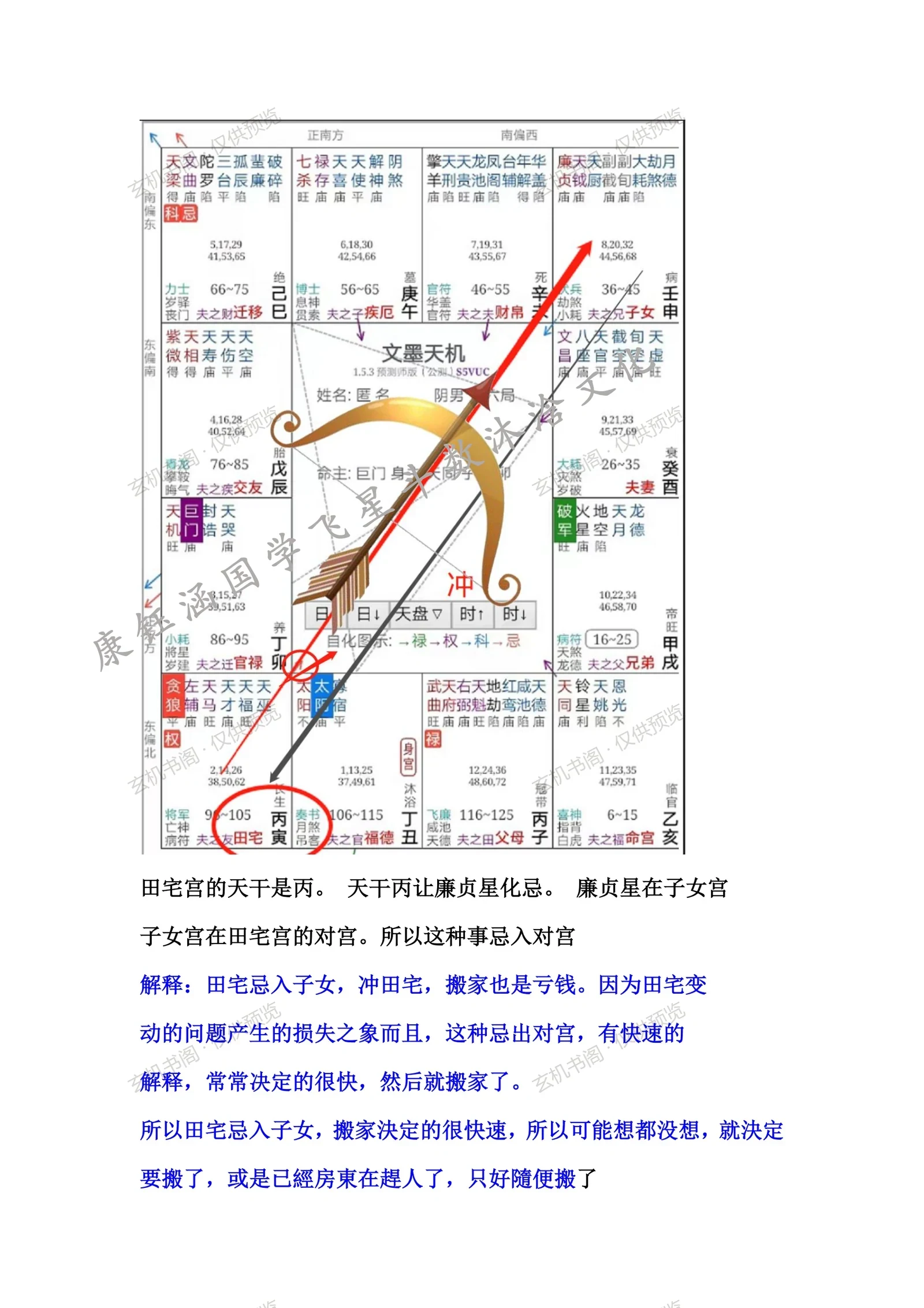
This handout is the second lesson of the second phase of an introductory Flying Star Zi Wei Dou Shu course. The cover and headings show two main themes: the use of self-transformation (zihua) and the use of the twelve earthly branches to choose auspicious directions and timing, identify benefactors and petty people, and relate to zodiac animals. The text uses Wenmo Tianji chart examples to explain that a self-transformation arrow points outward from the palace and means the palace's own heavenly stem produces Lu, Quan, Ke or Ji within that same palace, indicating change and dissipation. Self-transformed Lu, Quan and Ke tend to make things better or worse, while self-transformed Ji suggests low energy, lack of focus, inconsistency, a faux-Buddhist attitude and giving up halfway. Examples include self-transformed Quan in the Life Palace, self-transformed Ji in the Siblings Palace and self-transformed Lu in the Health Palace. The handout also introduces the term 'drowning Ji' for Ji entering the opposite palace, illustrated by Property Palace Ji entering the Children Palace and冲 the Property Palace, meaning quick decisions to move house and possible financial loss. The latter part moves to the twelve earthly branches, the distinction between Earlier and Later Heaven Bagua, matching branches with zodiac animals, and their use in time, direction and illness, including choosing auspicious directions, avoiding inauspicious ones, and using the Tai Sui entry method to select benefactors and petty people and to read illness type and onset time. It is a dense, example-driven classroom handout suited to readers with basic Flying Star Dou Shu knowledge who can follow along with charting software.
Contents
The use of self-transformation and arrow direction
Change and dissipation in self-transformation
Examples: Life Palace self-transformed Quan, Siblings Palace self-transformed Ji
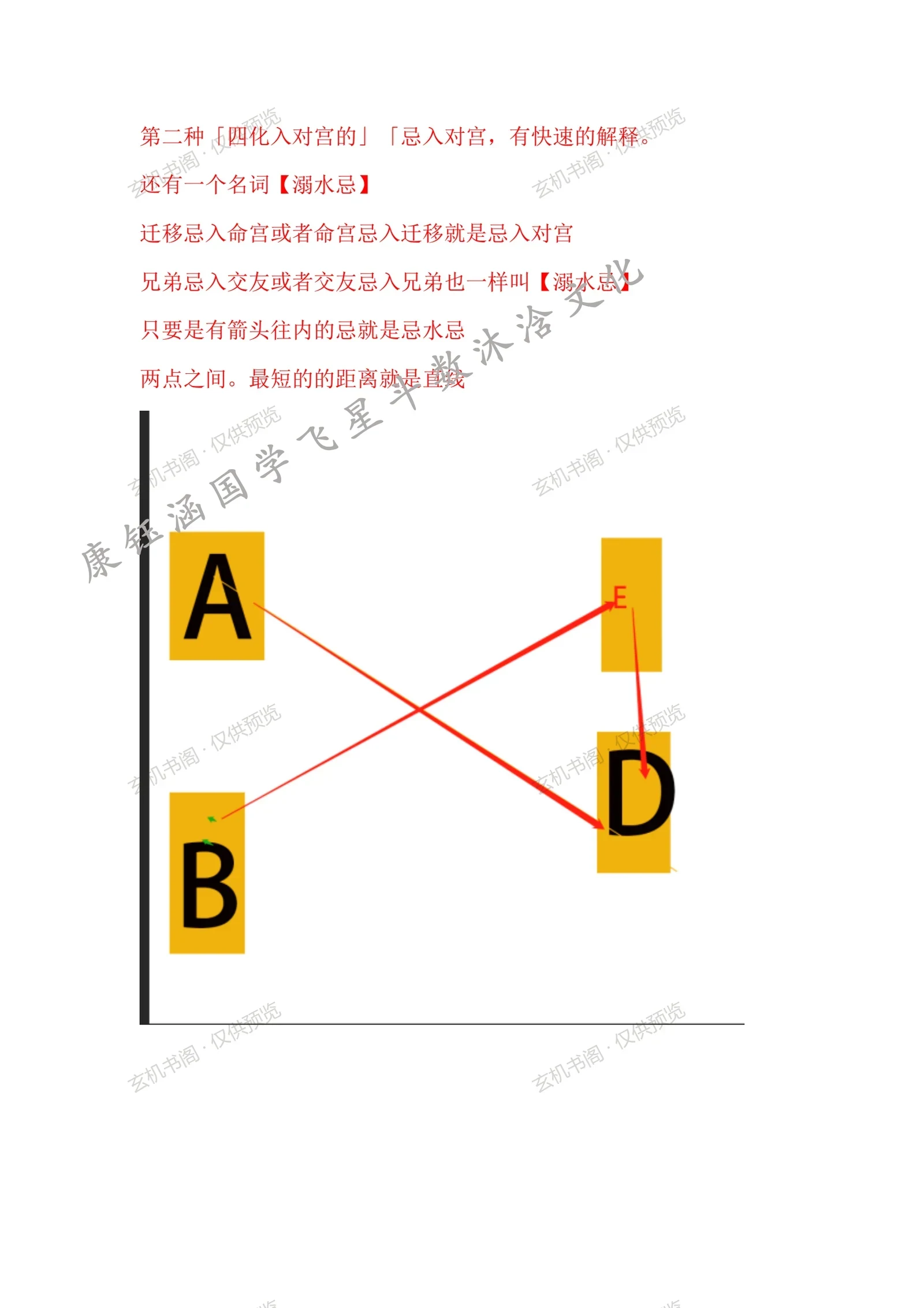
Ji entering the opposite palace and drowning Ji
Case: Property Palace Ji entering Children Palace
Twelve earthly branches and Earlier/Later Heaven Bagua
Branches with zodiac, time, direction and illness
Choosing auspicious directions and Tai Sui entry for benefactors and petty people
Key Points
Self-transformation arrows point outward and mark change and dissipation
Self-transformed Lu, Quan and Ke can improve or worsen matters; self-transformed Ji shows low energy and inconsistency
Ji entering the opposite palace is called drowning Ji and gives a quick, direct reading
The twelve branches match zodiac animals and support timing, direction, illness and date selection
The Tai Sui entry method is used to choose benefactors and petty people and to judge illness timing