Reading guide
Content guideOverview
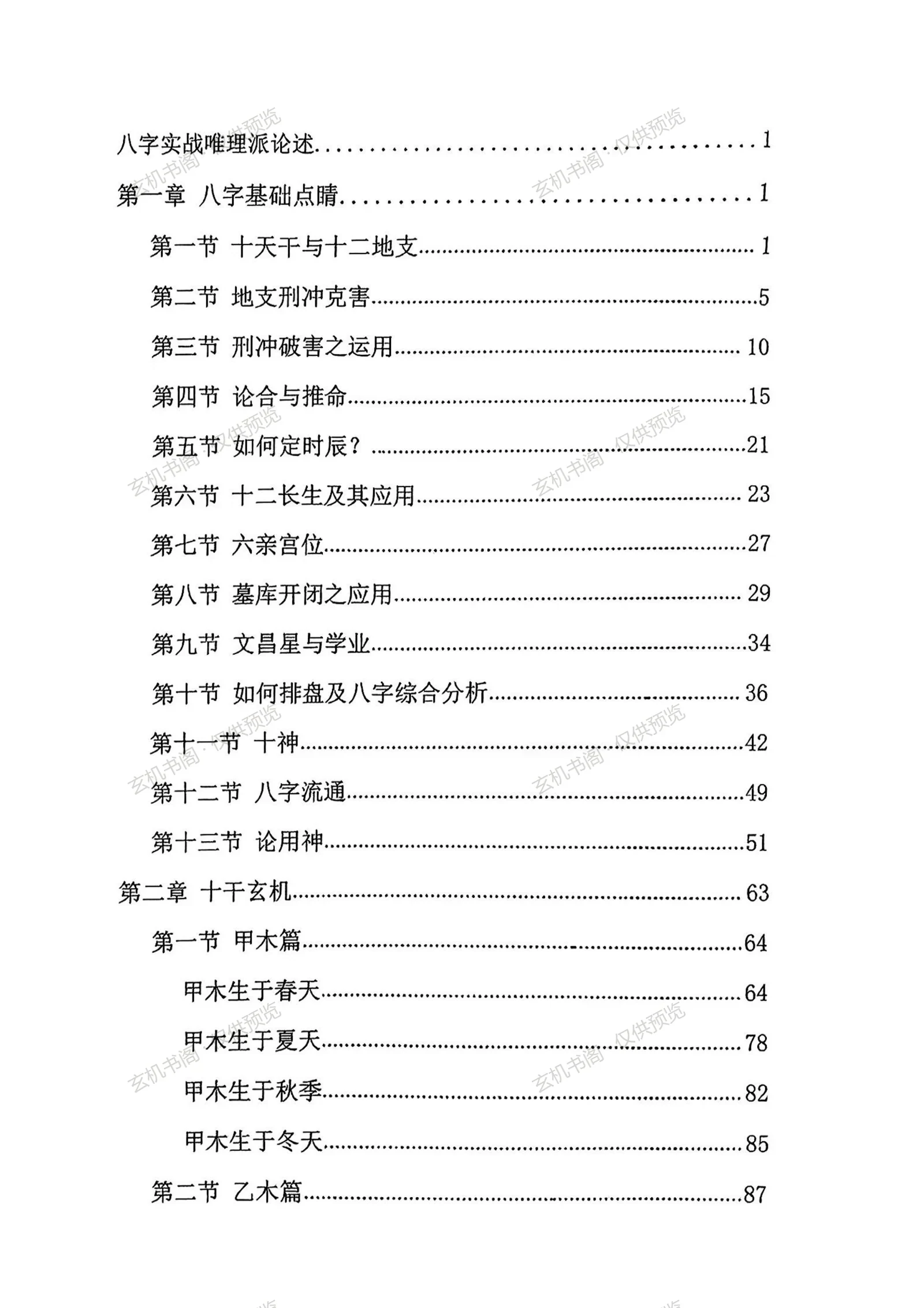
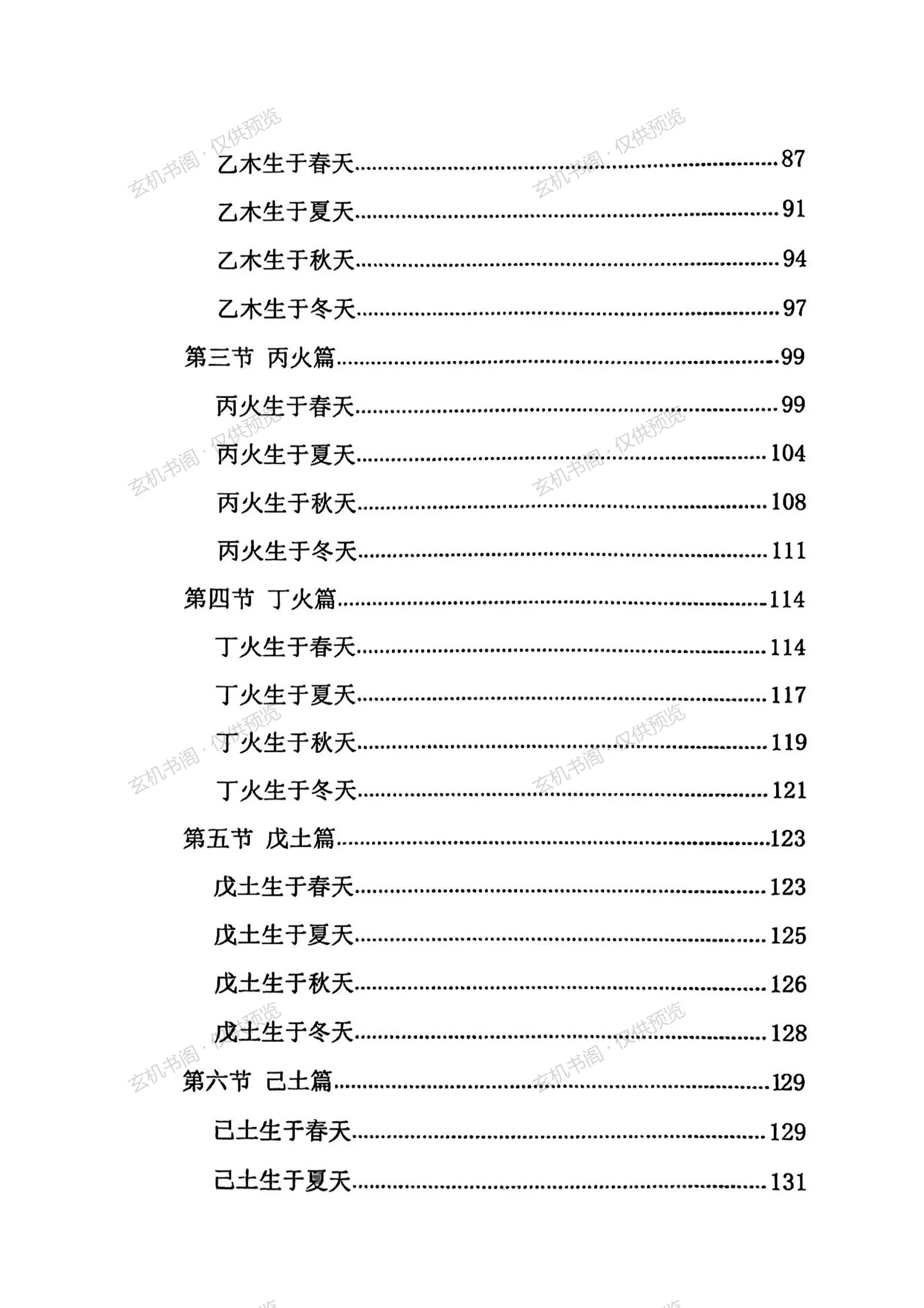
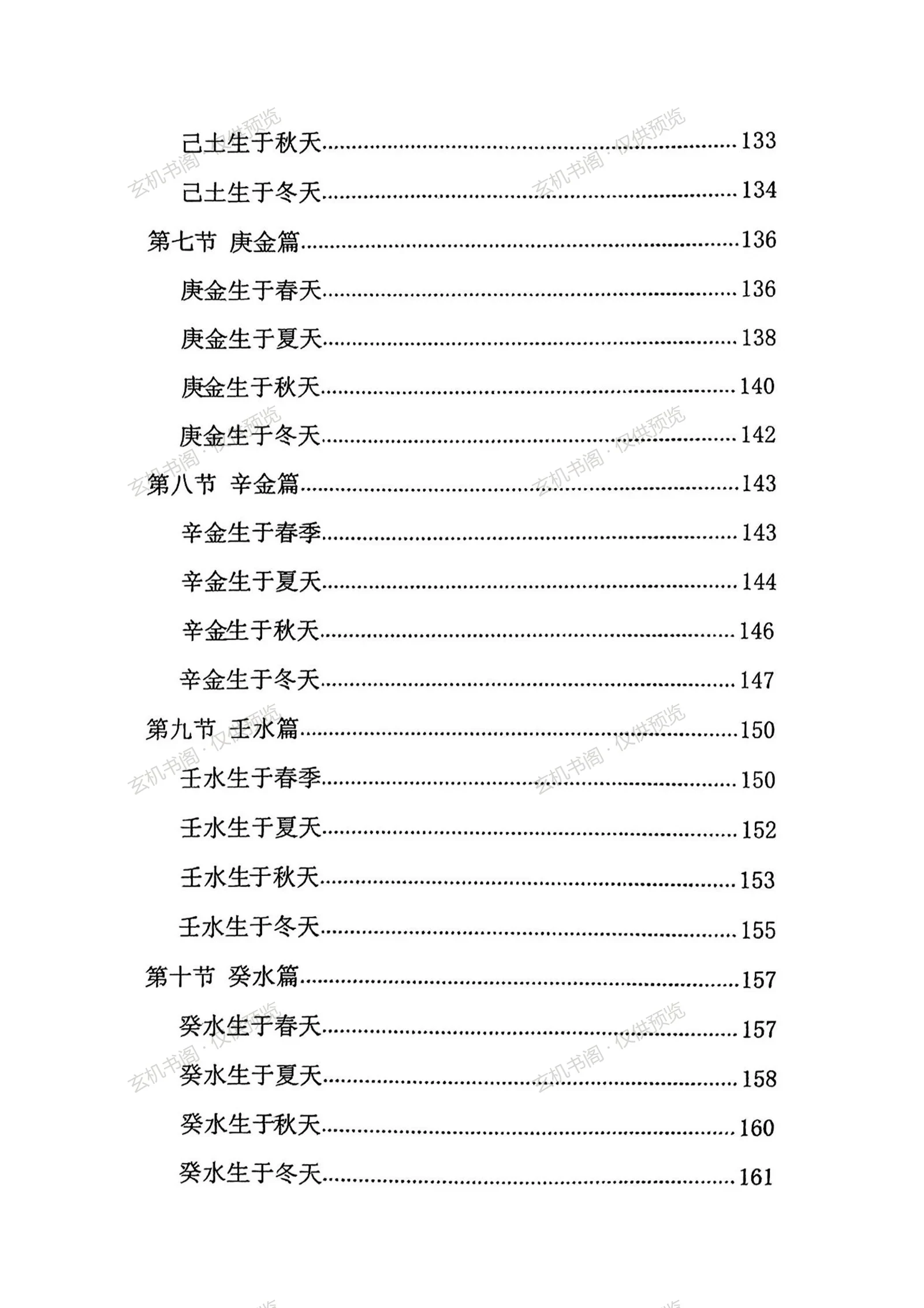
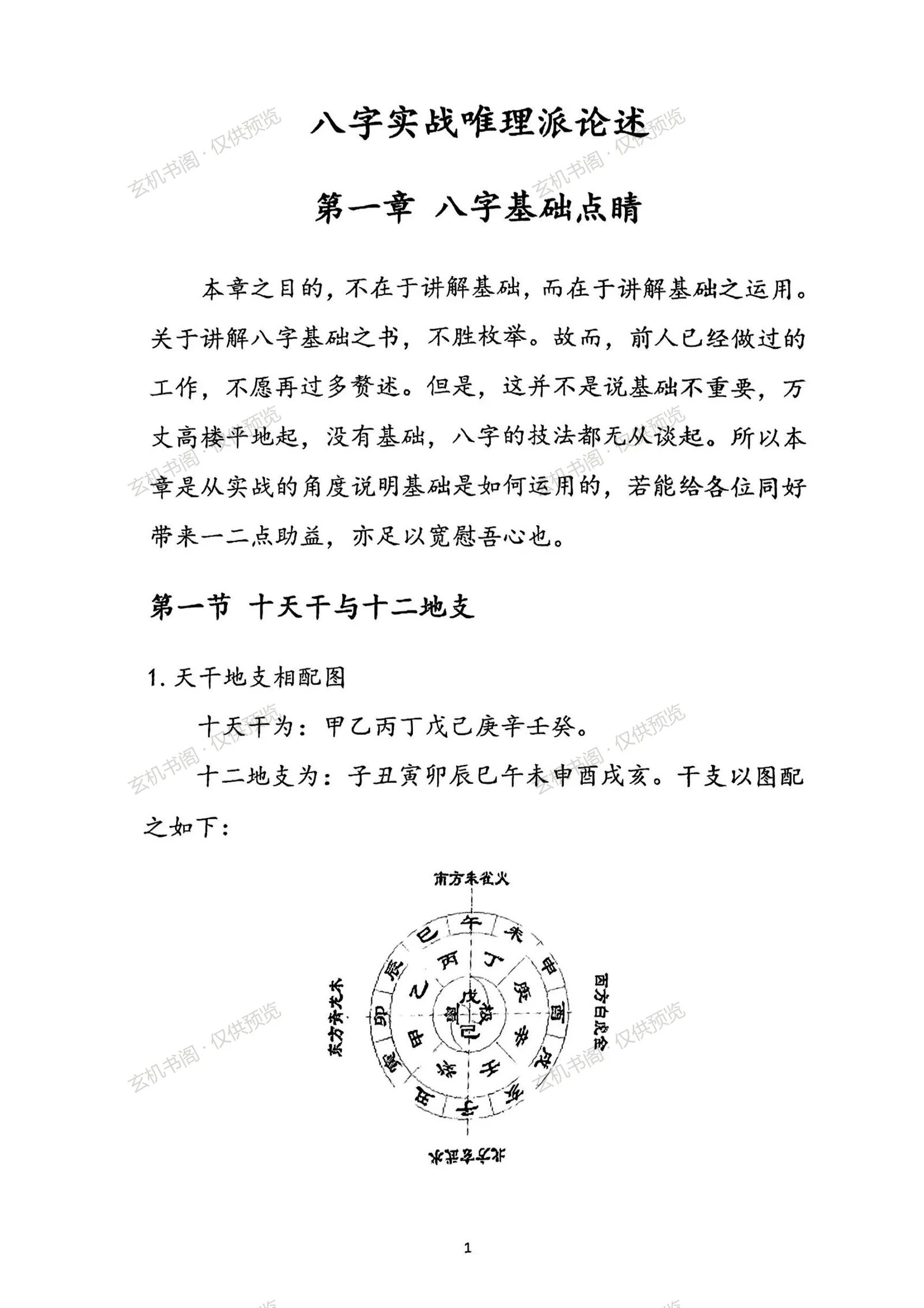
This is the first volume of a two-volume BaZi (Four Pillars) course attributed on its cover simply to "Volume One," with the preface naming the author as Zhang Qishu, styled Xundi Shanren. The preface addresses a common beginner's frustration: three months of study breeds confidence, three years breeds confusion. The author argues the problem lies in what and how one studies, and sets out to give readers a shortcut into destiny analysis. The opening essay, "A Practical, Reason-Only Approach to BaZi," states the method. Chapter One, "Key Points of BaZi Fundamentals," deliberately avoids restating basic definitions and instead shows how fundamentals are applied: the ten heavenly stems and twelve earthly branches; clashes, punishments, harms and combinations among branches and their use; combining and pushing a reading; determining the birth hour; the twelve stages of growth; the six-relative palaces; the opening and closing of storage vaults; the Wenchang star and schooling; casting a chart and comprehensive analysis; the Ten Gods; the flow of qi through the chart; and determining the useful god. Chapter Two, "The Mystery of the Ten Stems," treats each day stem in turn—Jia and Yi wood, Bing and Ding fire, Wu and Ji earth, Geng and Xin metal, Ren and Gui water—and within each, splits the discussion by whether the native was born in spring, summer, autumn or winter, producing over forty subsections built around day stem plus season as a framework for choosing the useful god. The lecture-note format, method first and then each stem in detail, suits readers who already know the stems and branches and want to move from theory to practical judgement.
Contents
Opening essay on a practical, reason-based approach
Ch.1: stems, branches, clashes, punishments, harms, combinations
Twelve stages, six-relative palaces, vaults, Wenchang star
Chart casting, comprehensive analysis, Ten Gods, flow, useful god
Ch.2: the ten day stems from Jia wood to Gui water
Each stem divided by birth in spring, summer, autumn, winter
Key Points
Focuses on applying fundamentals rather than defining them
Builds judgement tools: clashes, combinations, twelve stages
Unifies chart reading through Ten Gods, flow and useful god
Chapter Two treats each of the ten day stems separately
Lecture format with fine subsections, easy to consult by day stem