Reading guide
Content guideOverview
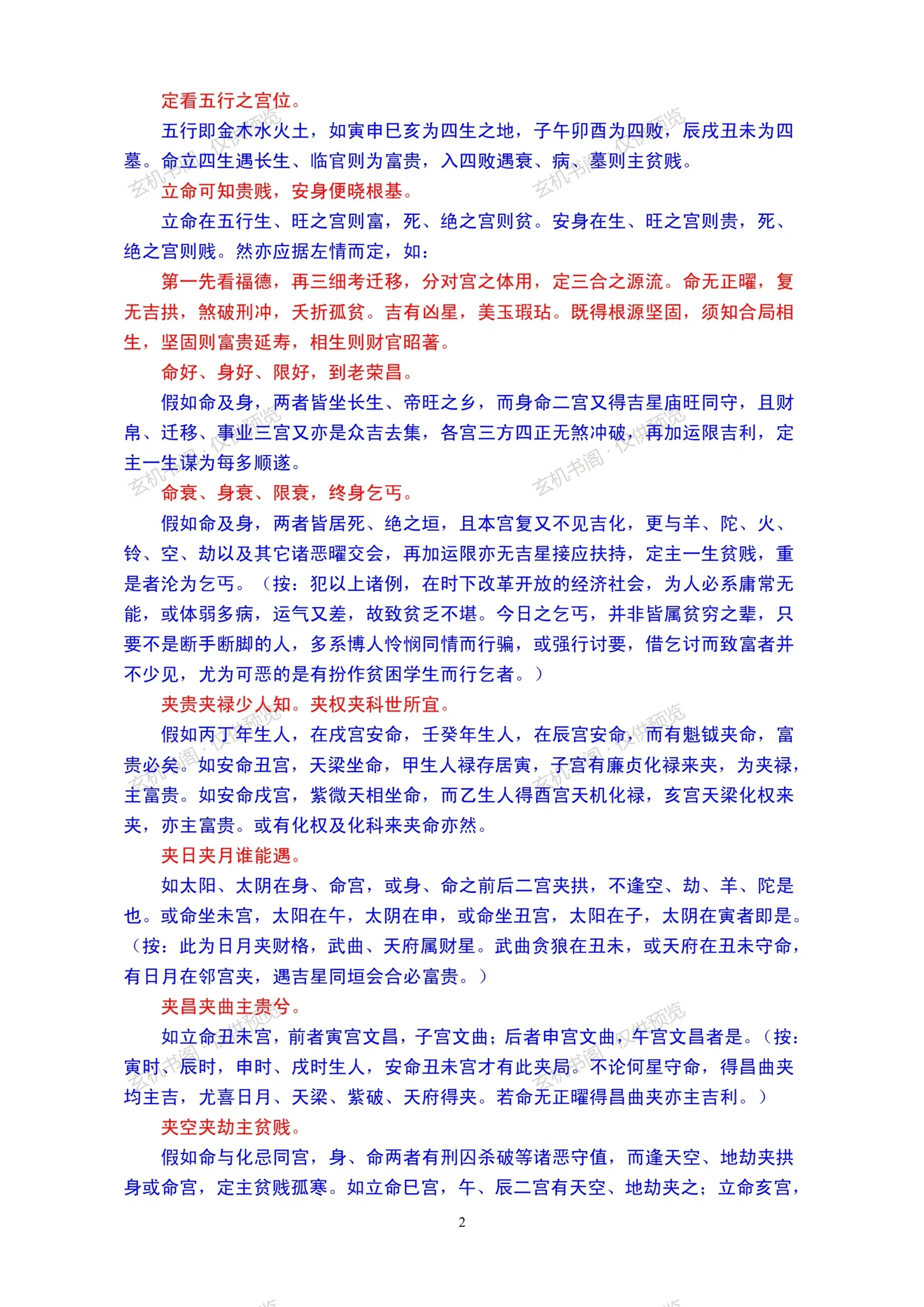
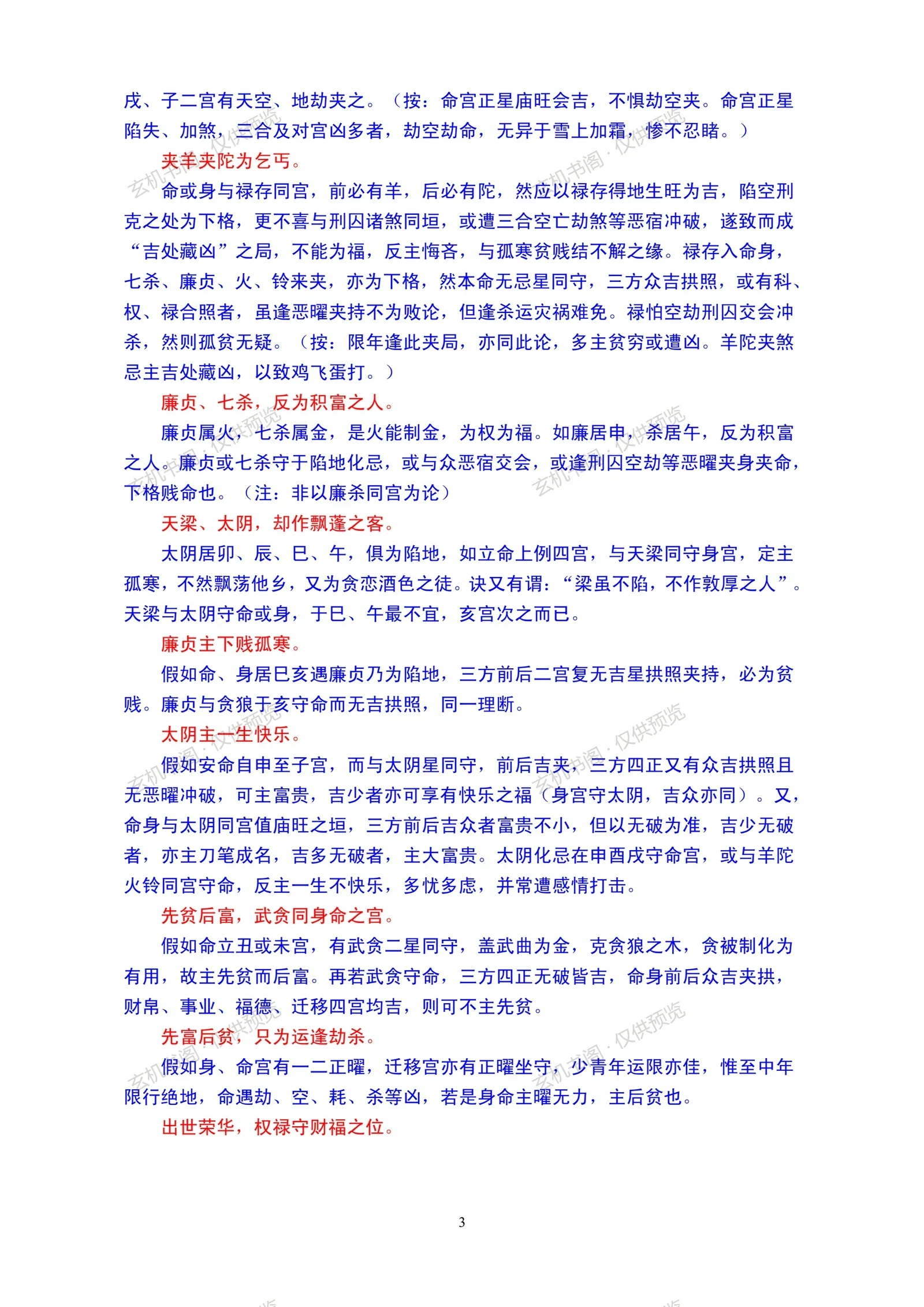
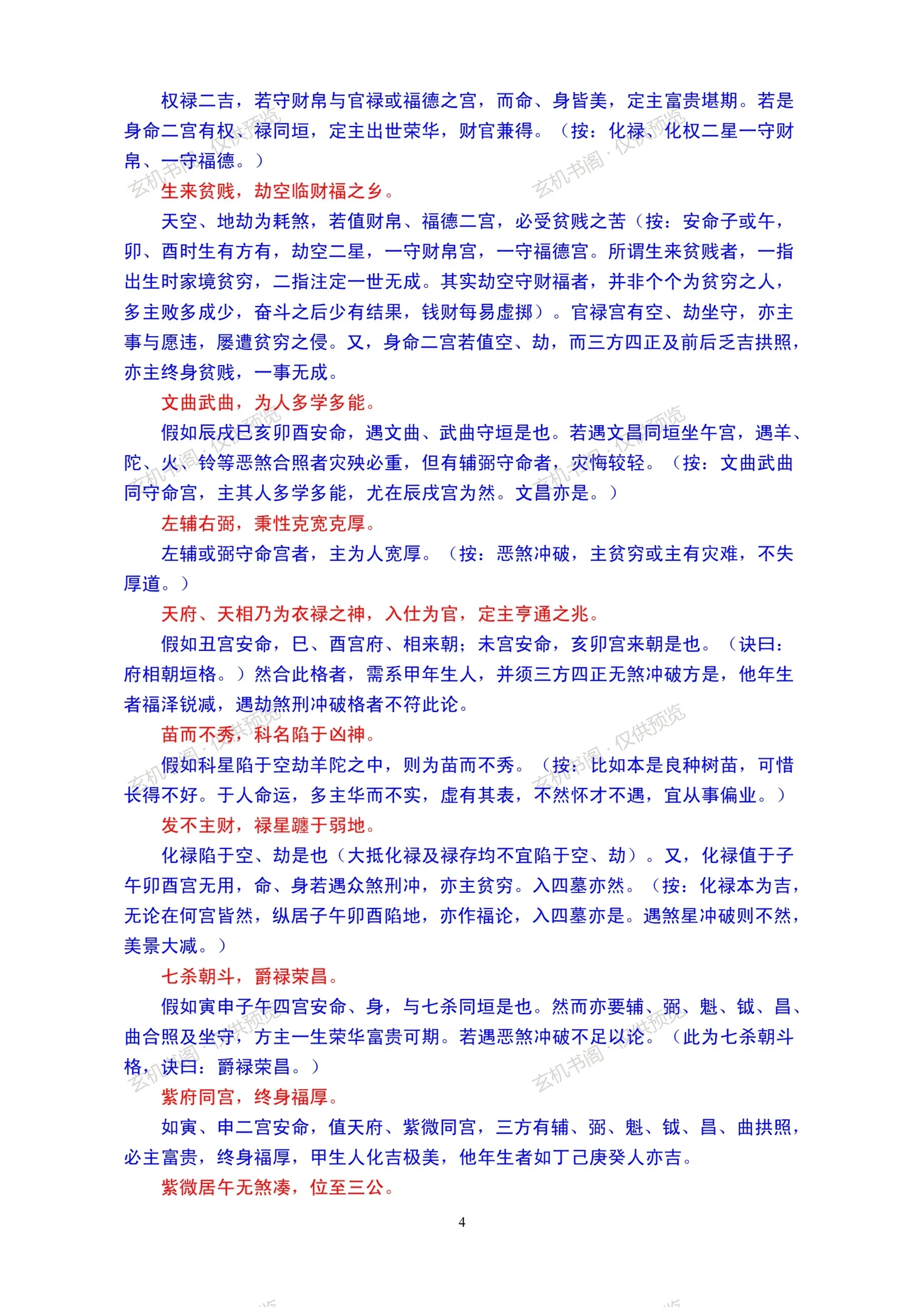
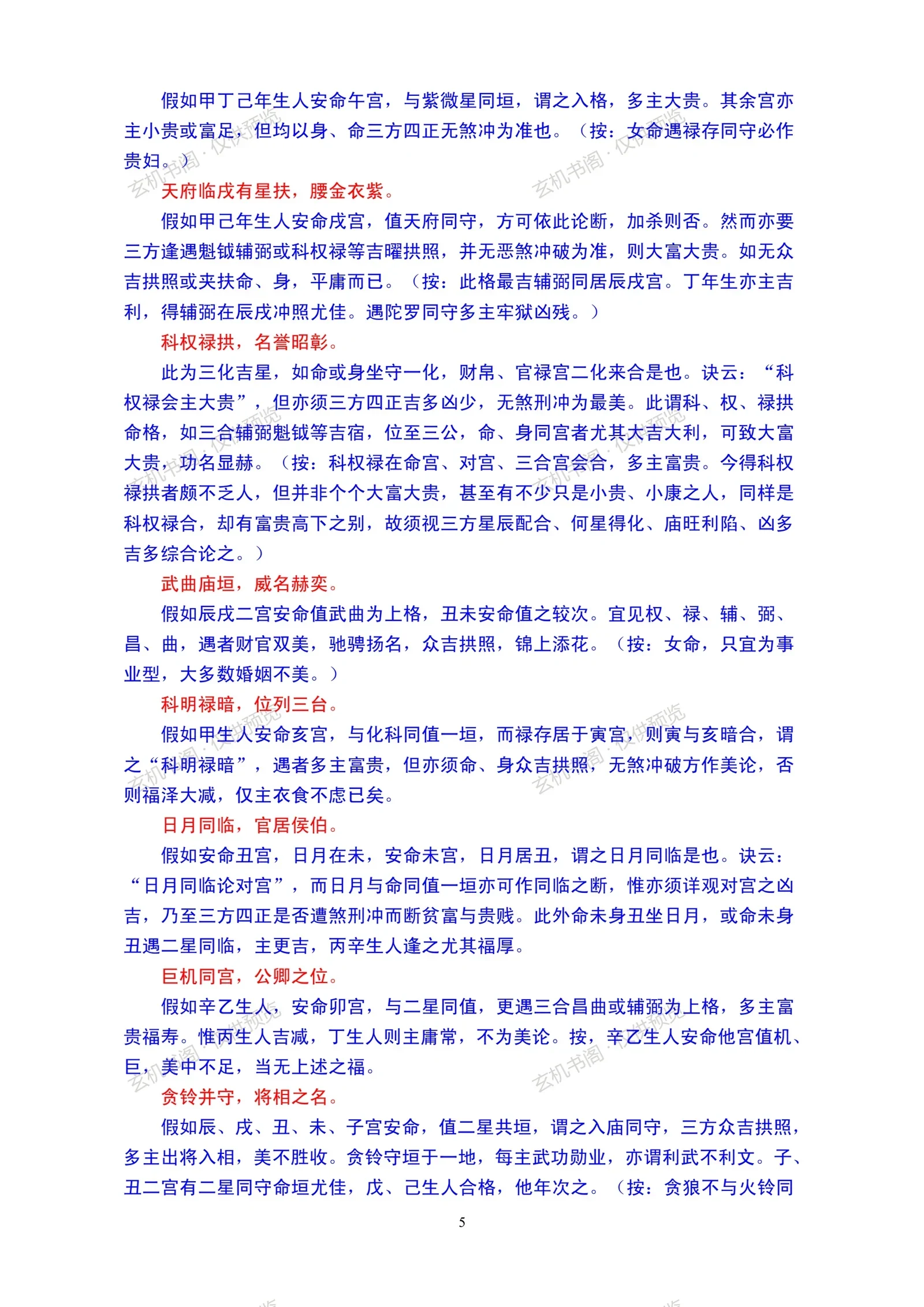
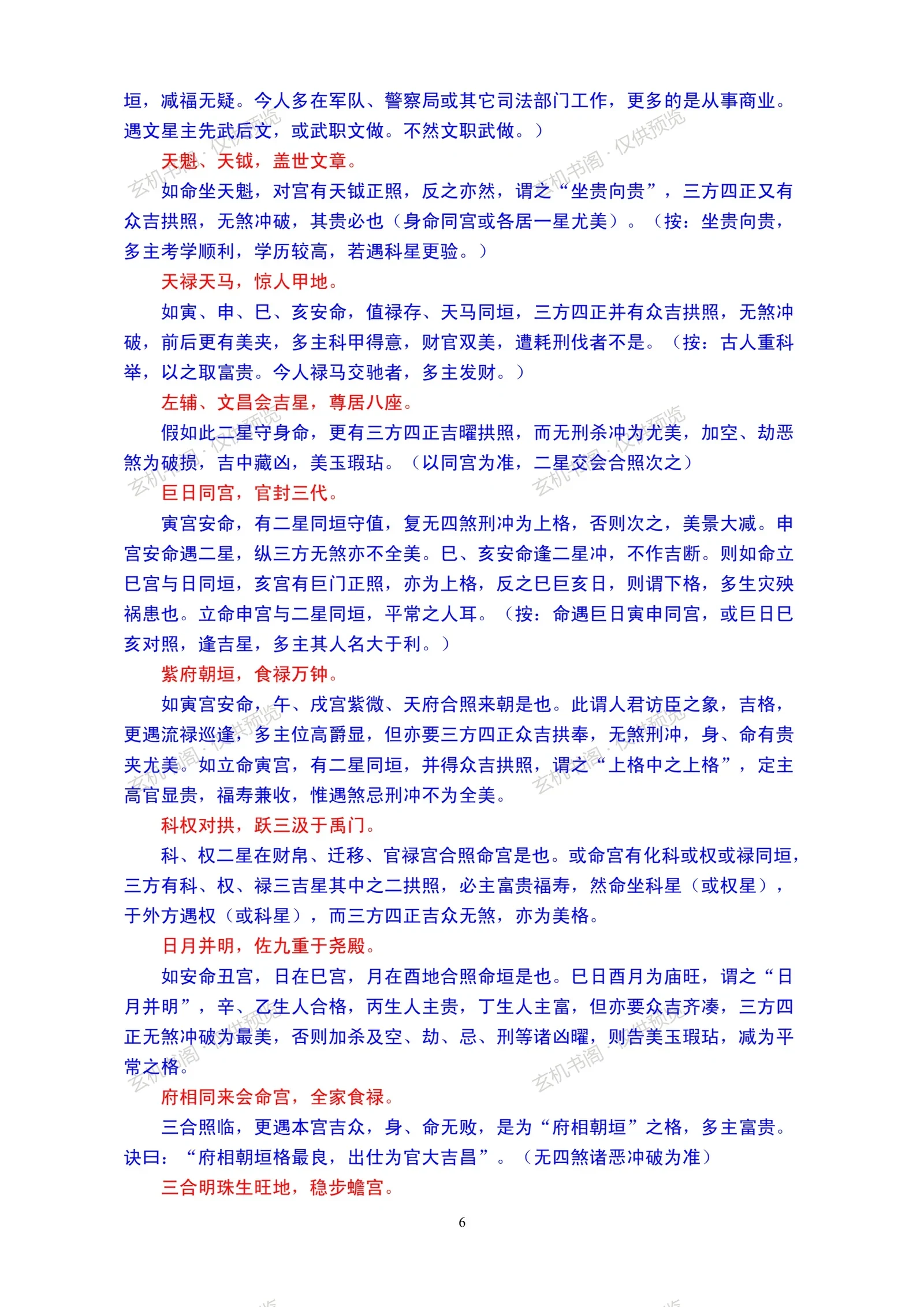
The cover reads Chen Jian's Annotated Complete Compilation of Orthodox Zi Wei Dou Shu, while the text opens with an Annotated Dou Shu Marrow Rhapsody. It is a line-by-line commentary on the classic Zi Wei Dou Shu rhapsody. The opening sets out the principle that the Pole Star governs all luminaries, that one should first determine the chart's structure and then examine the stars, and it cites Yuan Shushan's Ming Li Tan Yuan and the Yijing's three meanings to explain why people born at the same moment may still differ in fate according to region and social setting. The commentary then follows the rhapsody through the five-element palaces, the strength of the life and body palaces, the four trines, various flanking configurations, and combinations such as Lian Zhen with Qi Sha, Tian Liang with Tai Yin, Wu Qu with Tan Lang, Tian Fu with Tian Xiang, and Ju Men with Tian Ji. It also covers well-known fortunate structures including Qi Sha Chao Dou, Zi Fu Tong Gong, and Ke Quan Lu Gong. Each passage quotes mnemonic verses and adds the annotator's own notes, with remarks on the differences between past and present society and on female charts, in the traditional style of annotated rhapsody literature.
Contents
Opening principle: the Pole Star rules all stars; first structure, then stars
Yuan Shushan and the Yijing on differences among same-moment births
Five-element palaces: four births, four defeats, four tombs
Strength of life and body palaces and the four trines
Flanking configurations: noble, authority, sun-moon, literary, void, sheep-tuo
Star combinations: Lian-Sha, Liang-Yue, Wu-Tan, Fu-Xiang, Ji-Ju, Tan-Ling
Fortunate structures: Qi Sha Chao Dou, Zi Fu Tong Gong, Ke Quan Lu, Sun-Moon
Key Points
Follows the Marrow Rhapsody line by line with added commentary
Stresses coordination of life and body palaces with the four trines
Lists many flanking configurations and star combinations
Uses Yuan Shushan and the Yijing as theoretical background
Notes differences between ancient and modern social settings