Reading guide
Content guideOverview
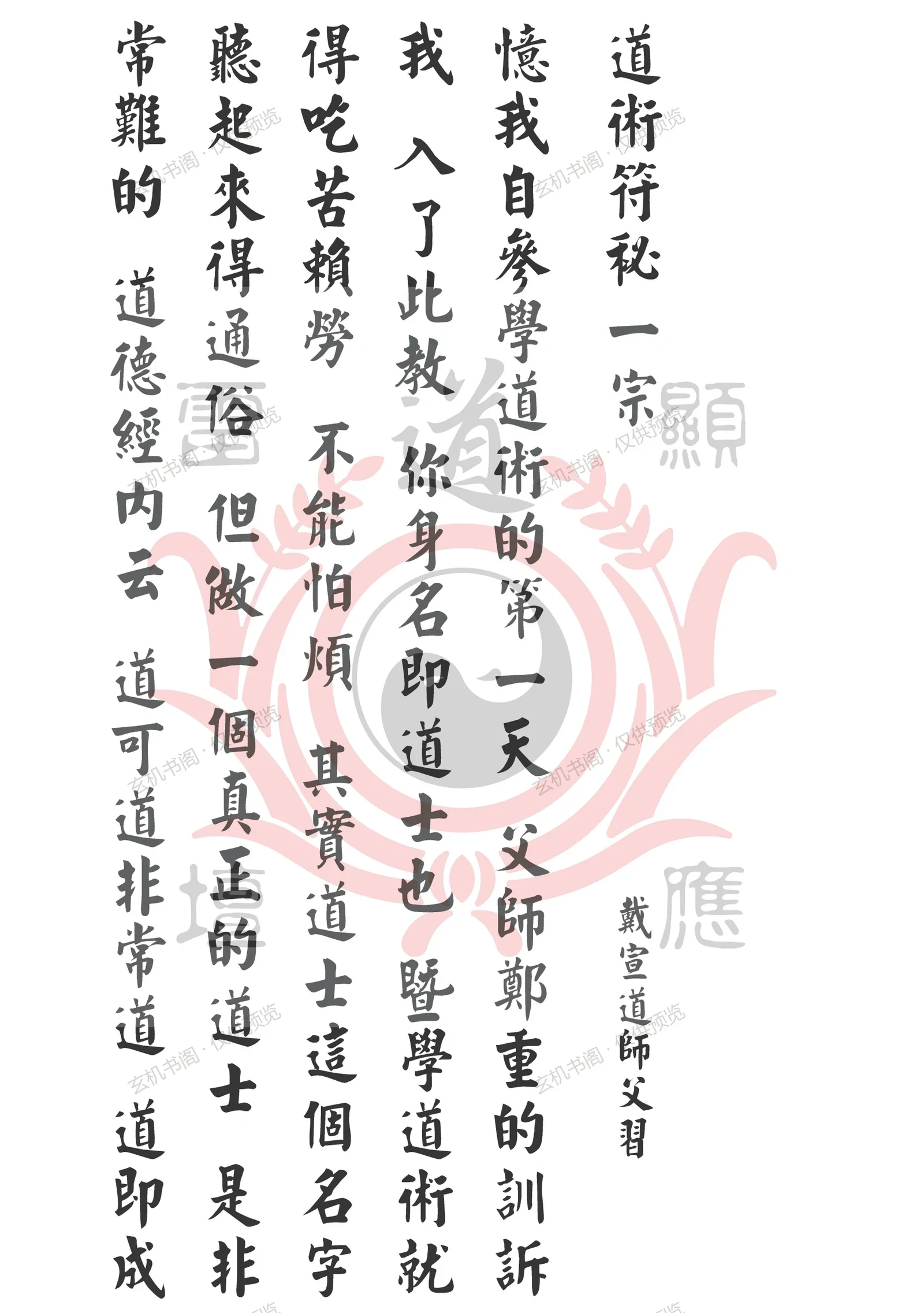
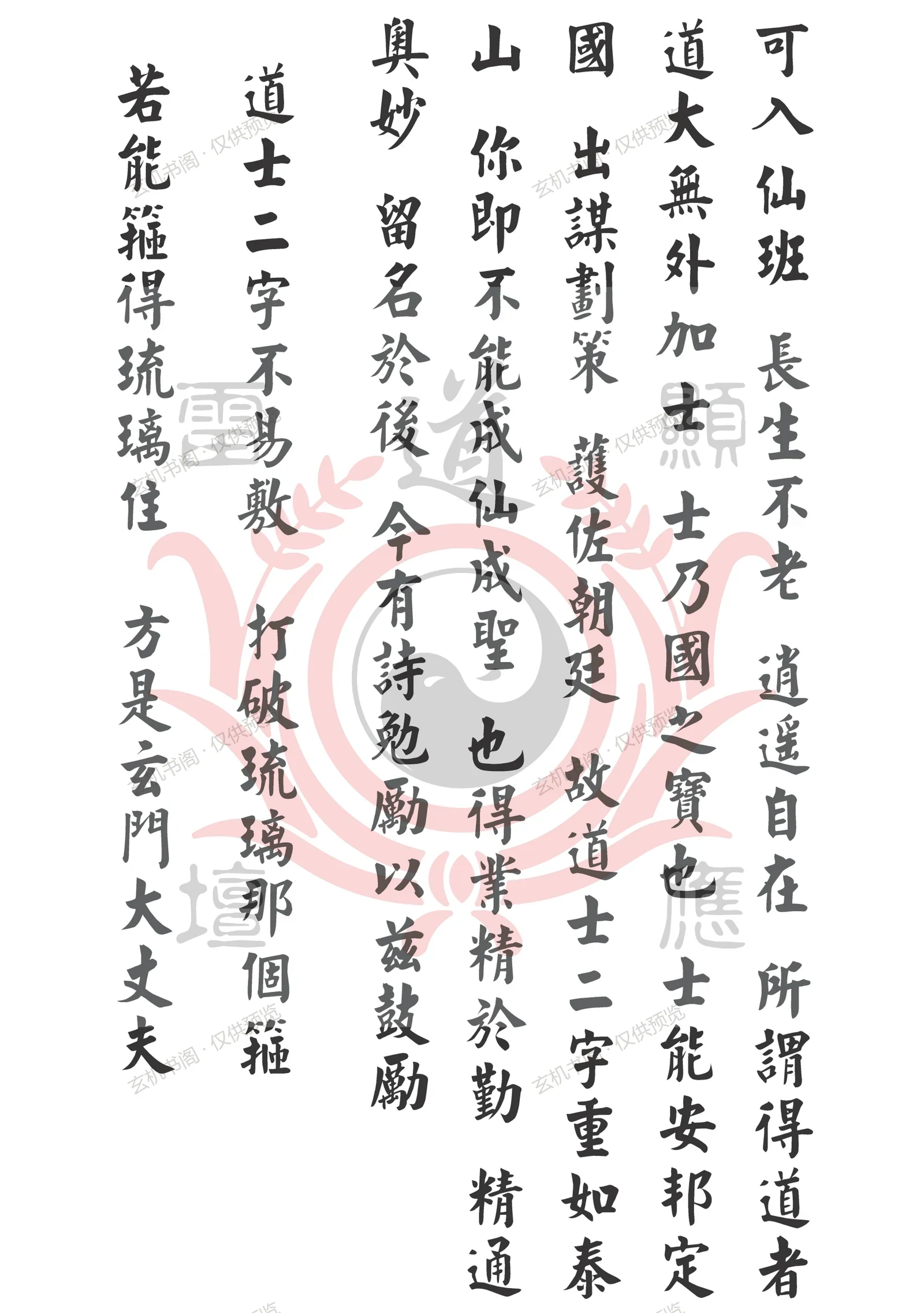
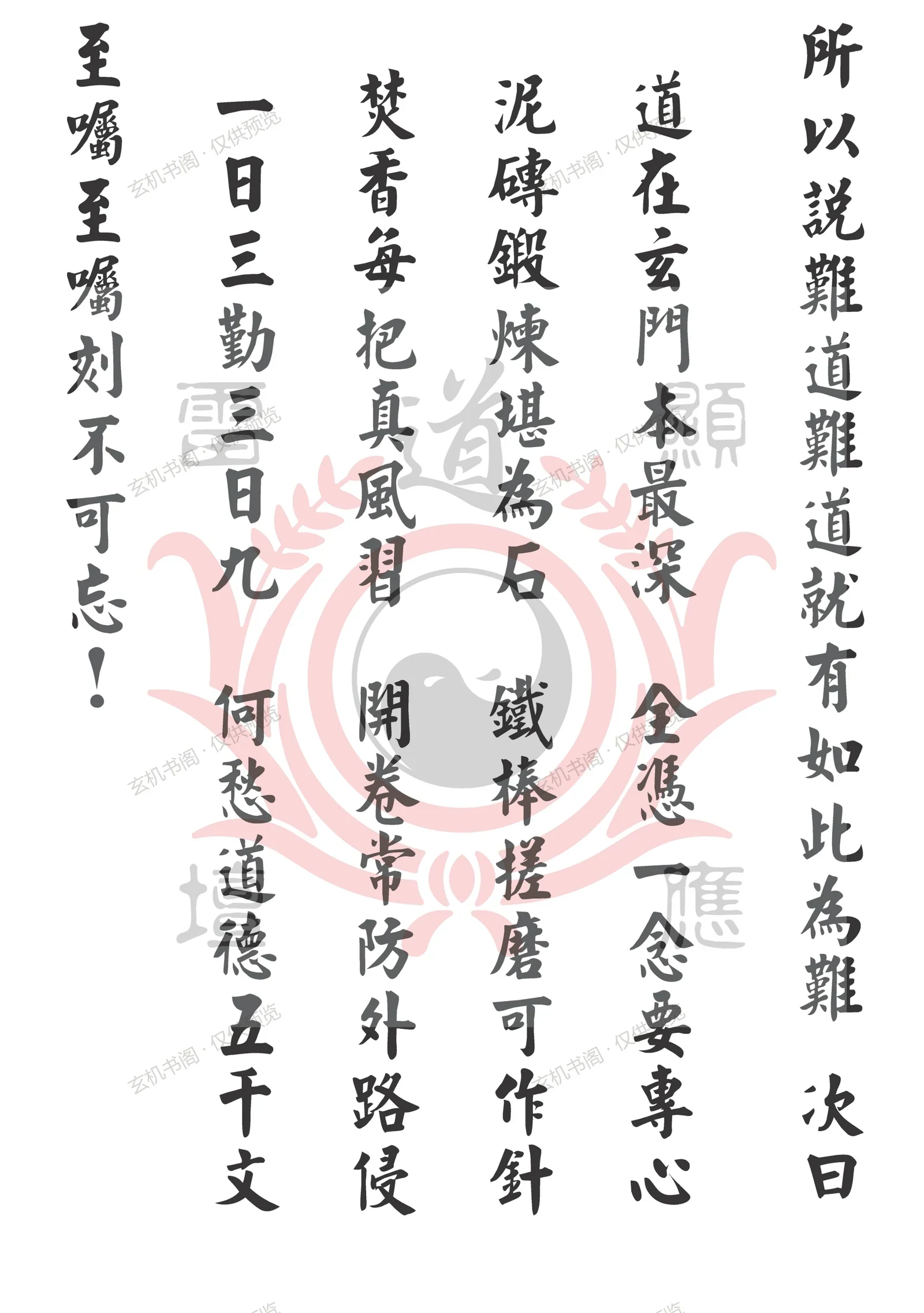
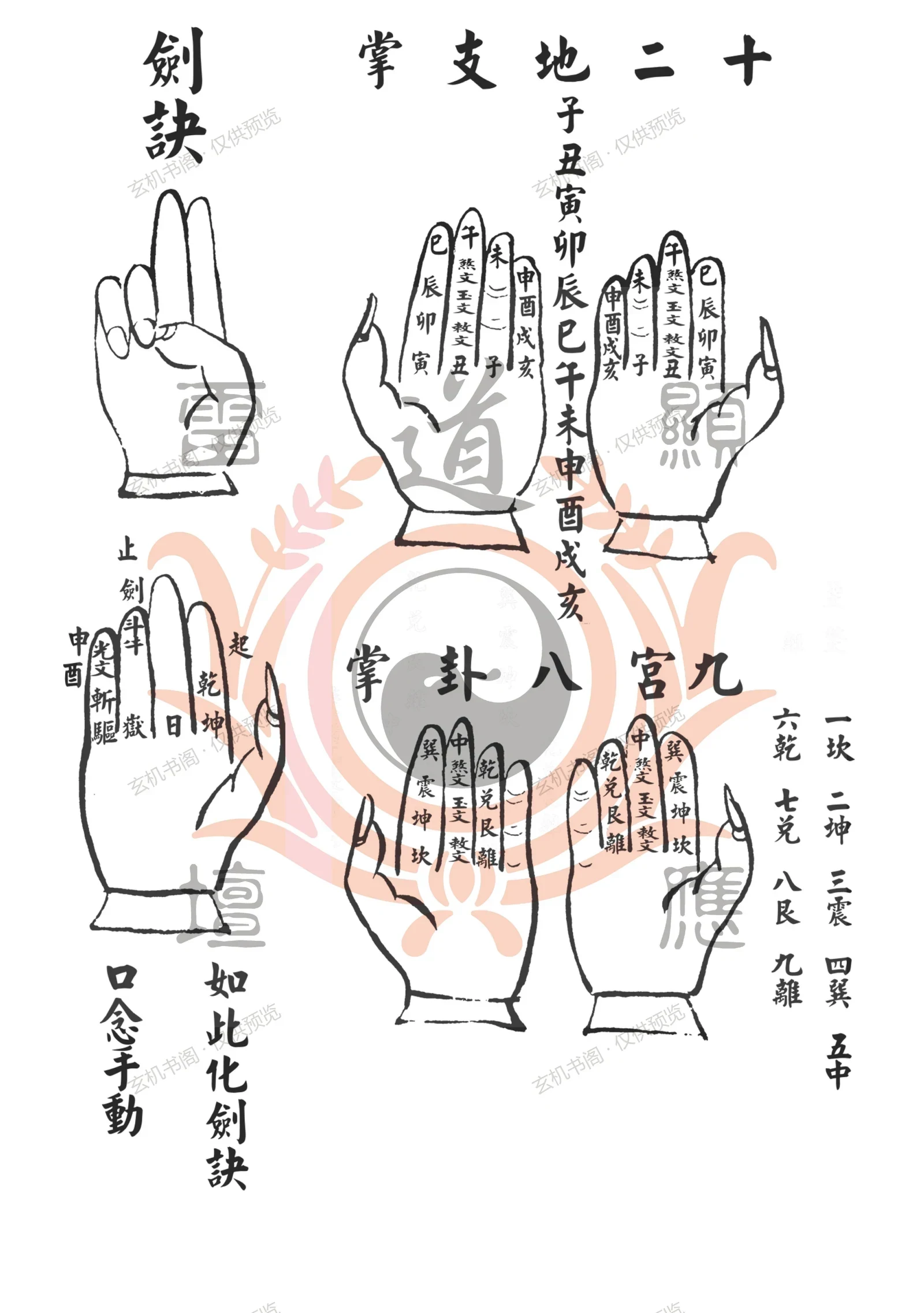
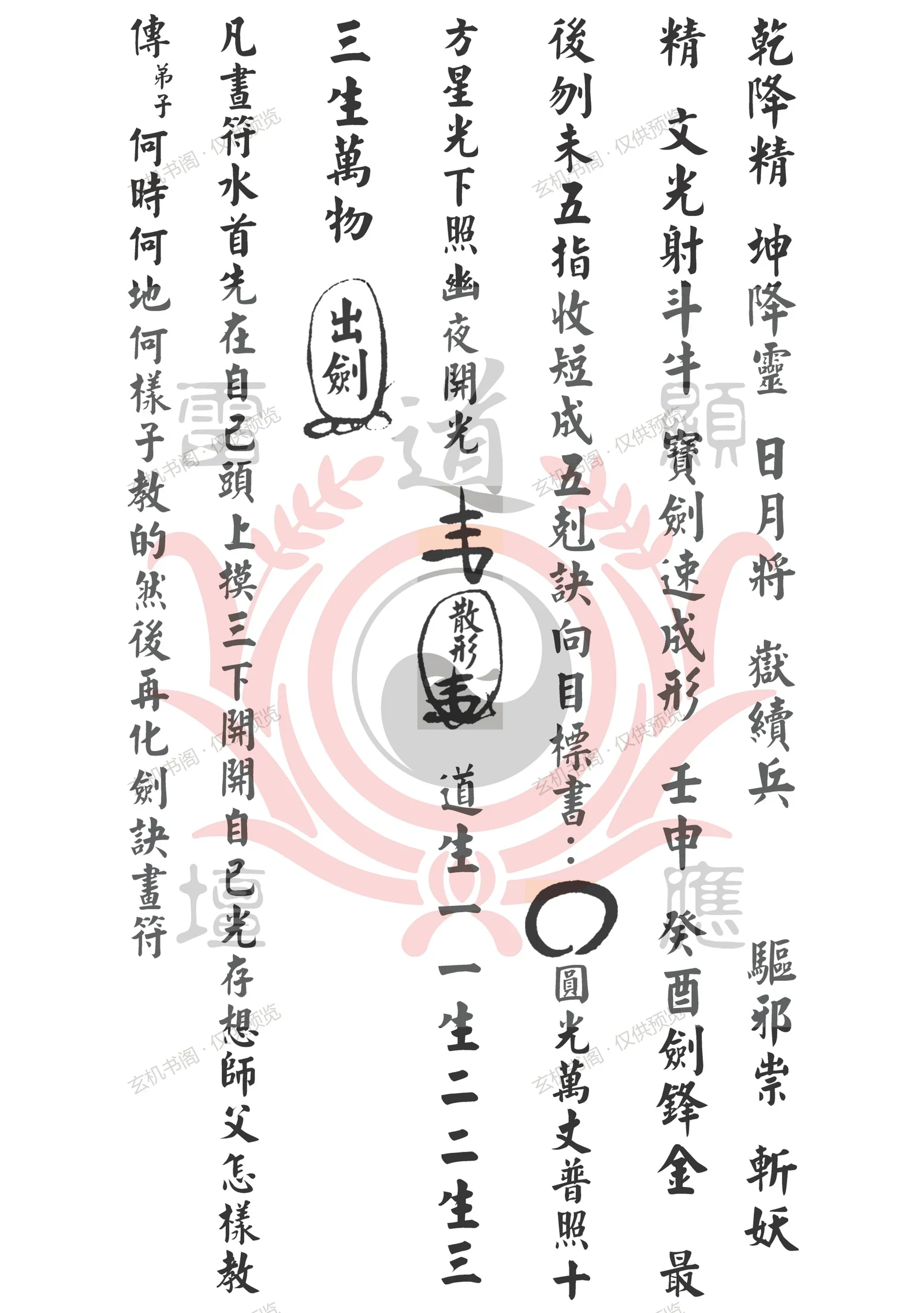
This handwritten compendium, titled A Compendium of Daoist Talisman Secrets, is attributed on its cover to Master Dai Xuandao of the Zhengyi Qingwei school and dated to a gengyin year. The opening pages record Dai's admonitions to students: endure hardship, understand the weight of the term 'Daoshi,' and approach texts with incense and focused mind, citing the Daodejing. The text then turns to practical talismanic technique. Diagrams show hand mudras mapping the twelve earthly branches onto finger joints, a nine-palace/eight-trigram hand chart assigning the trigrams and numbers one through nine, and a sword mudra with instructions to recite while forming the gesture. The written portion explains touching one's head three times before drawing a talisman, visualizing the master's teaching, transforming the sword mudra, and then drawing the talisman, accompanied by seed-syllable forms such as 'drawing the sword' and 'scattering form,' and incantations invoking cosmic forces and mountain spirits. Brief but richly illustrated, it is a concrete source for studying Zhengyi Qingwei talismans, mudras, and drawing sequences.
Contents
Cover attribution to Zhengyi Qingwei Master Dai Xuandao
Master Dai's admonitions and encouragement for students
On the term Daoshi and the Daodejing
Hand mudra chart of the twelve earthly branches
Nine-palace and eight-trigram hand chart
Sword mudra and its transformation
Visualization before drawing talismans; drawing the sword and scattering form
Key Points
Zhengyi Qingwei talismanic lineage, transmitted by Dai Xuandao and recorded by Liang Chengxian
Hand diagrams map the twelve branches and nine palaces/eight trigrams
Sword mudra accompanied by recitation for talisman work
Before drawing, visualize the master and touch the head three times
Includes incantations invoking cosmic forces and mountain spirits