Reading guide
Content guideOverview
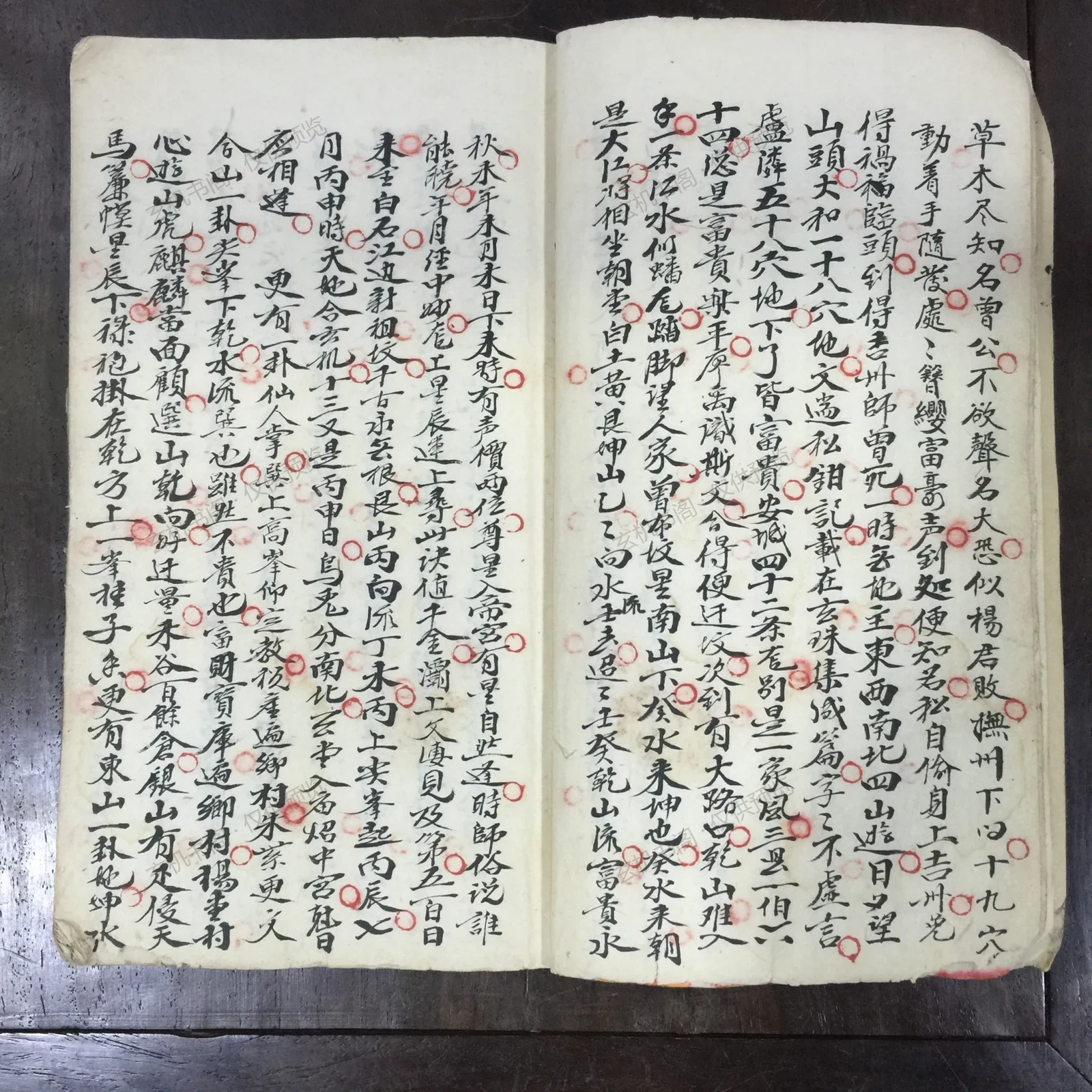
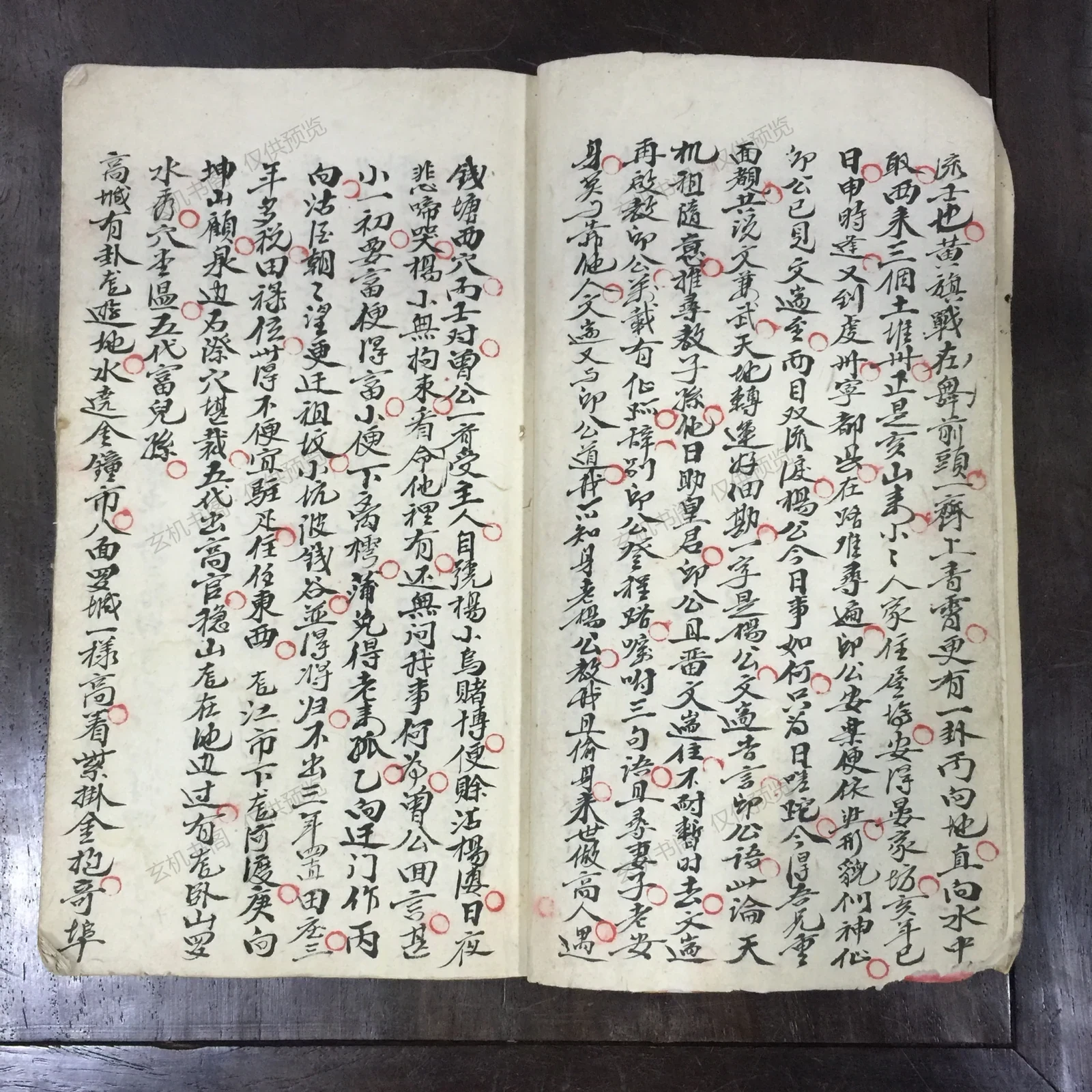
This manuscript, titled Geographical Dragon Veins and attributed to Zhang Liuhe, is a handwritten fengshui text centered on the xingshi, or form school, tradition. Its main body consists largely of seven-character mnemonic verses describing landform configurations such as flying phoenixes, immortal terraces, three-tier stars, five peaks, and turtle-snake shapes, together with methods for identifying dragon veins, locating acupoints, and assessing water exits and orientations. Later sections shift into anecdotal accounts involving Yang Gong (Yang Yunsong) and Zeng Gong (Zeng Wenchuan), relating stories of site prospecting, burial relocation, and judgments of fortune and misfortune. Written in cursive and semi-cursive script with variant characters, the text is characteristic of a folk manuscript rather than a formally printed edition. It offers insight into the terminology, mnemonic form, and practical case lore of the form school of fengshui.
Contents
Cover title and Zhang Liuhe attribution
Wanzai进城 verse: dragon forms and five stars
Dragon-vein acupoint verses: three terraces, five peaks, turtle and snake
Stories of Yang Gong and Zeng Gong seeking dragons and acupoints
Verses on grave relocation, orientation change, and fortune judgments
Water methods, orientation, and sand-water auspices
Key Points
Uses seven-character verses to convey dragon-seeking and acupoint-finding methods.
Emphasizes landform imagery such as flying phoenix, immortal terrace, three terraces, five peaks, turtle and snake.
Discusses water methods, orientation, and the coordination of sand and water.
Interweaves legends of Yang Gong and Zeng Gong to illustrate fortune judgments.
Written in cursive script with folk manuscript features.