Reading guide
Content guideOverview
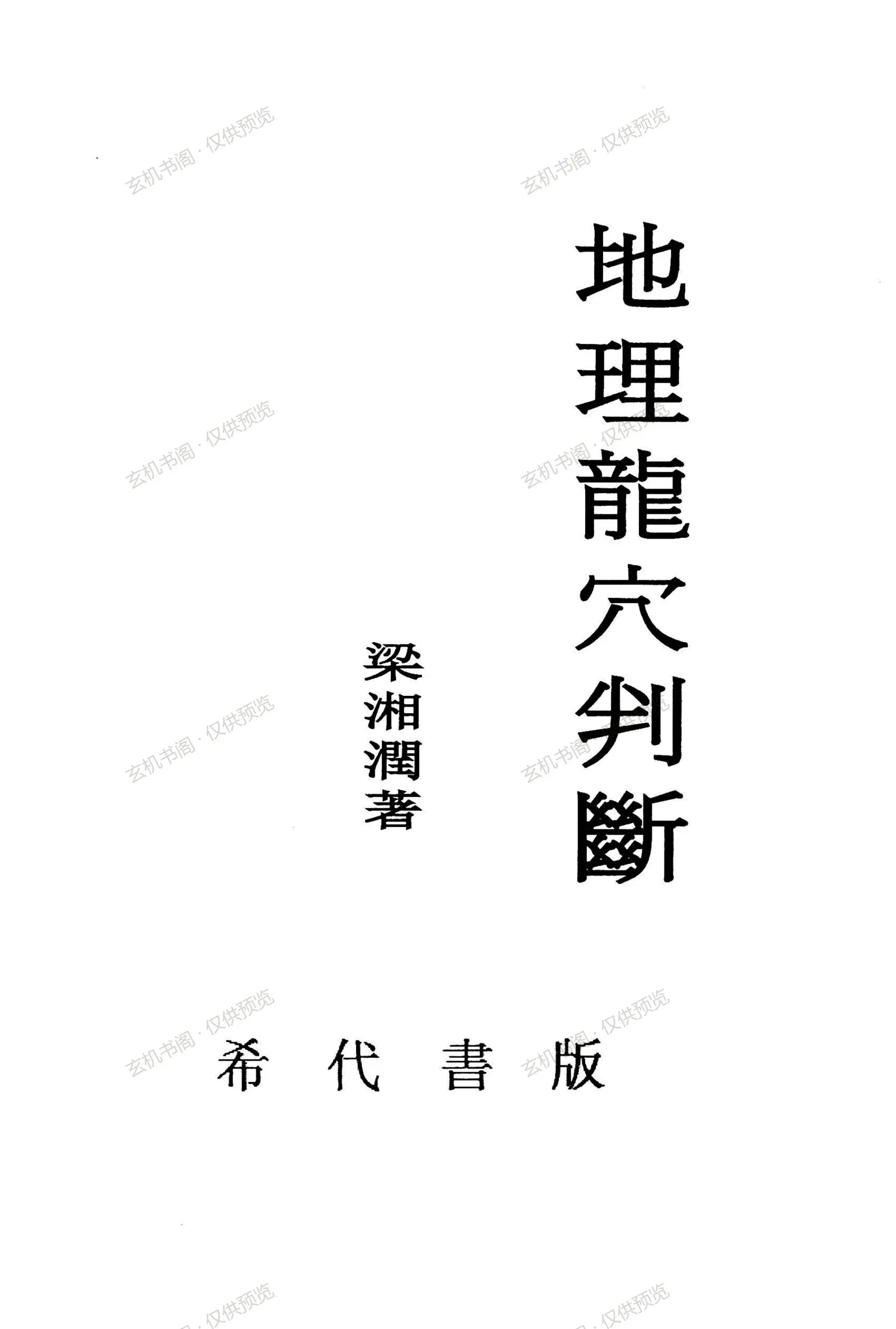
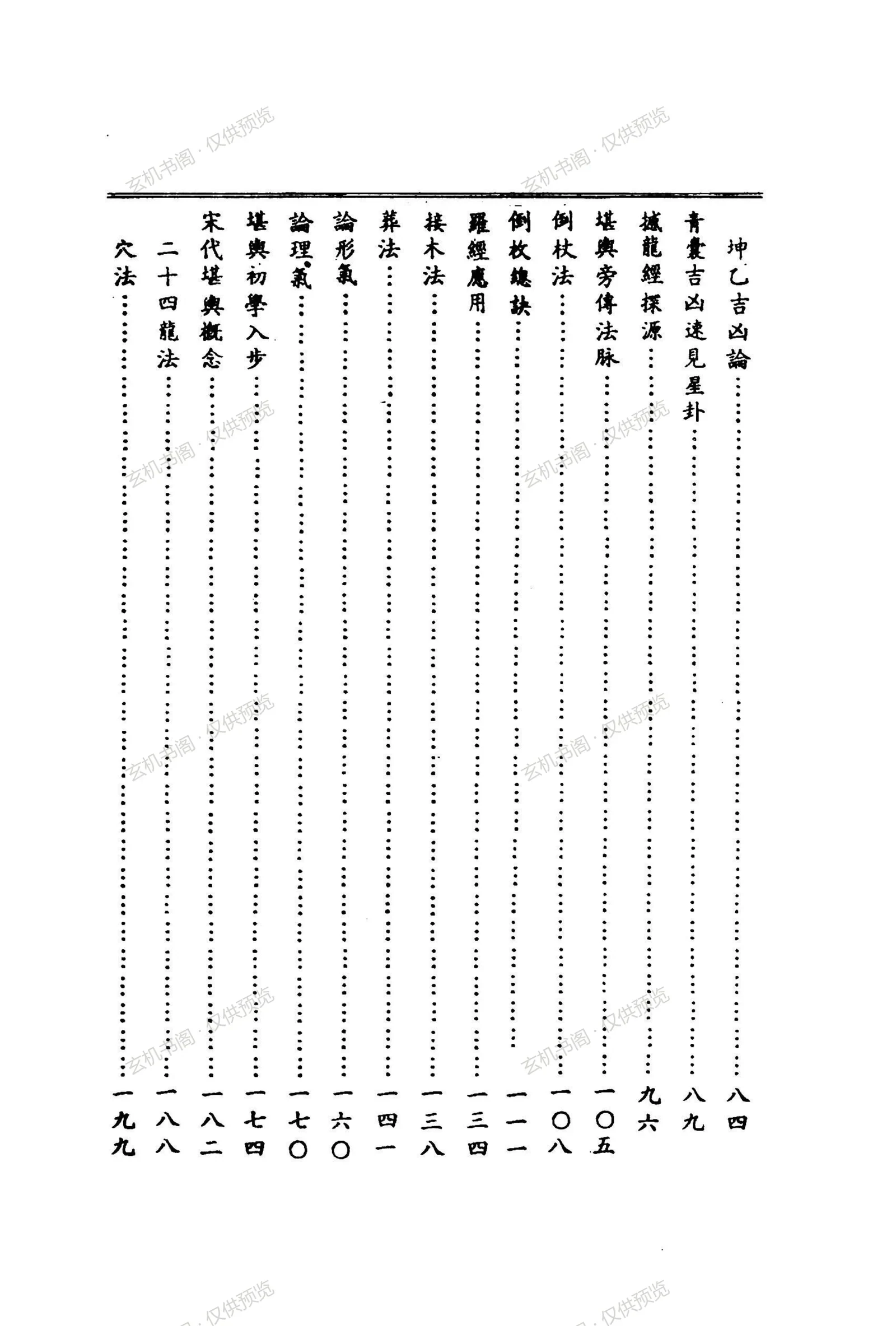
This fengshui manual by Liang Xiangrun, titled Judging Dragon and Acupoint in Geomancy, combines historical survey with practical form and compass methods. The opening chapters trace Han, Wei, Sui and Tang geomancy and lay out the Yang Junsong lineage and rules. Later sections cover hexagram and najia systems, the Three Harmonies, the twelve yin-yang dragons, the Three Auspices and Six Excellences, and classical texts such as the Qingnang and Tianyu scriptures, followed by hexagram-specific judgements for Qian-jia, Kun-yi, Gen-bing, Xun-xin and others. The form section treats dragons, sand, acupoints, water and the nine stars, with material on the Hanlong and Yilong classics, inverted staff methods, burial methods and the twenty-four dragon method. Written largely as verses and tables, it suits readers with basic mountain-form knowledge who want a systematic reference on the Yang lineage and acupoint judgement.
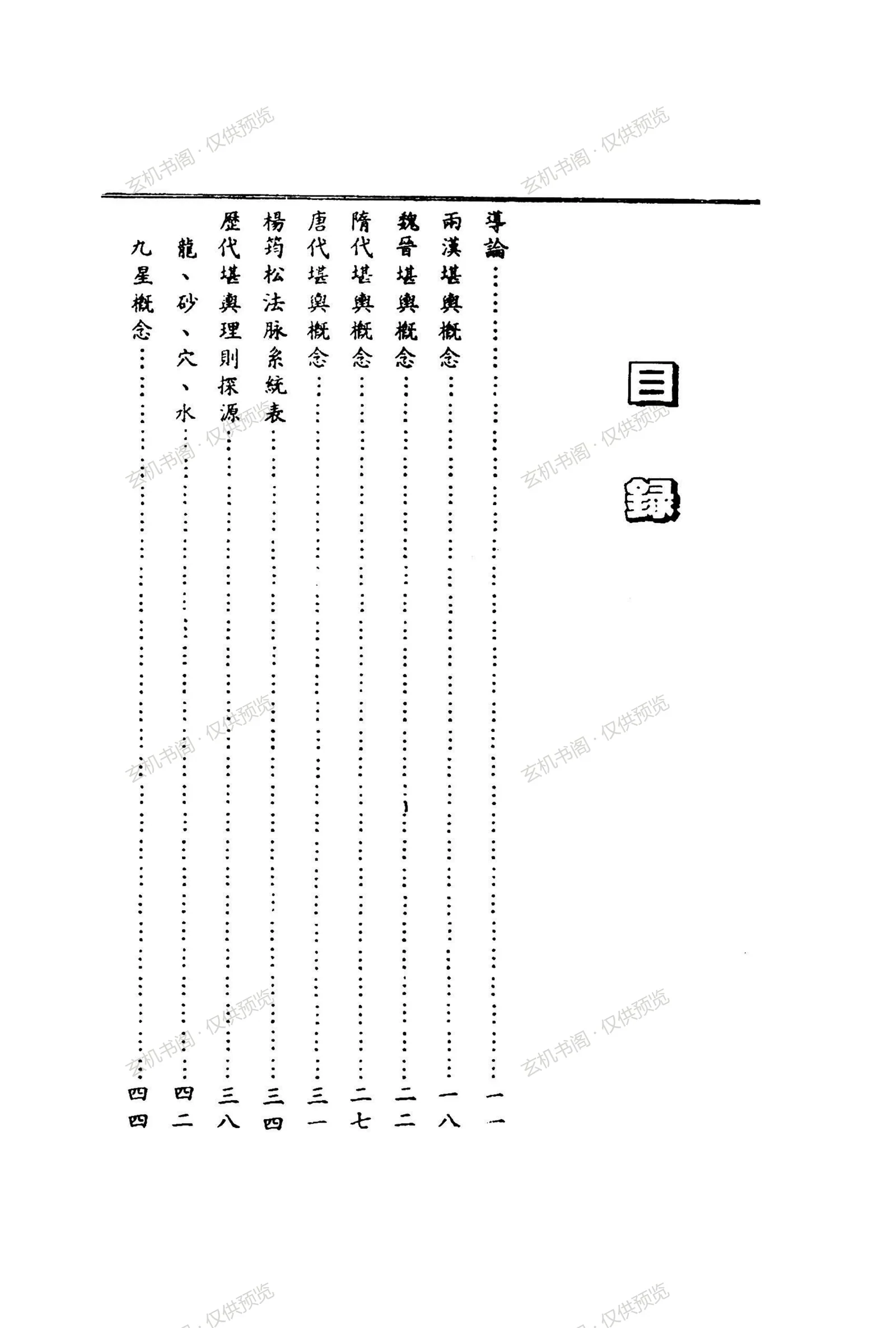
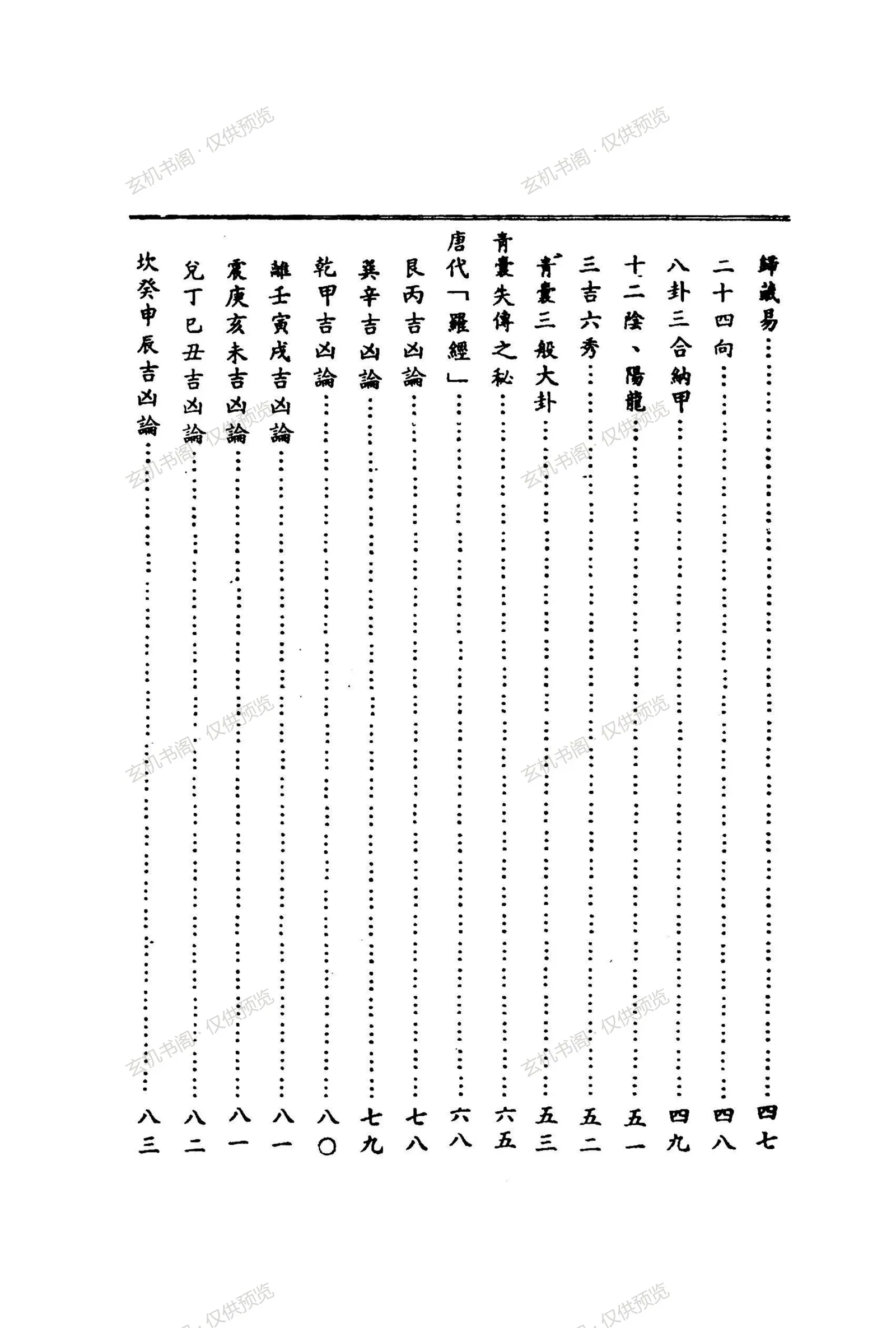
Contents
Introduction and Han-Tang geomancy history
Yang Junsong lineage and historical rules
Hexagrams, najia, Three Harmonies and twelve dragons
Qingnang, Tianyu and related classical texts
Hexagram-specific auspicious and inauspicious judgements
Dragons, sand, acupoints, water and nine stars
Hanlong and Yilong classics, staff and burial methods
Compass application and twenty-four dragon method
Key Points
Traces the Yang Junsong lineage through historical geomancy texts.
Balances compass theory with form-based dragon, sand, acupoint and water analysis.
Gives hexagram-specific auspicious and inauspicious verse.
Includes material on the Hanlong and Yilong classics, staff and burial methods.
Presented as verses and tables for easy reference.