Reading guide
Content guideOverview
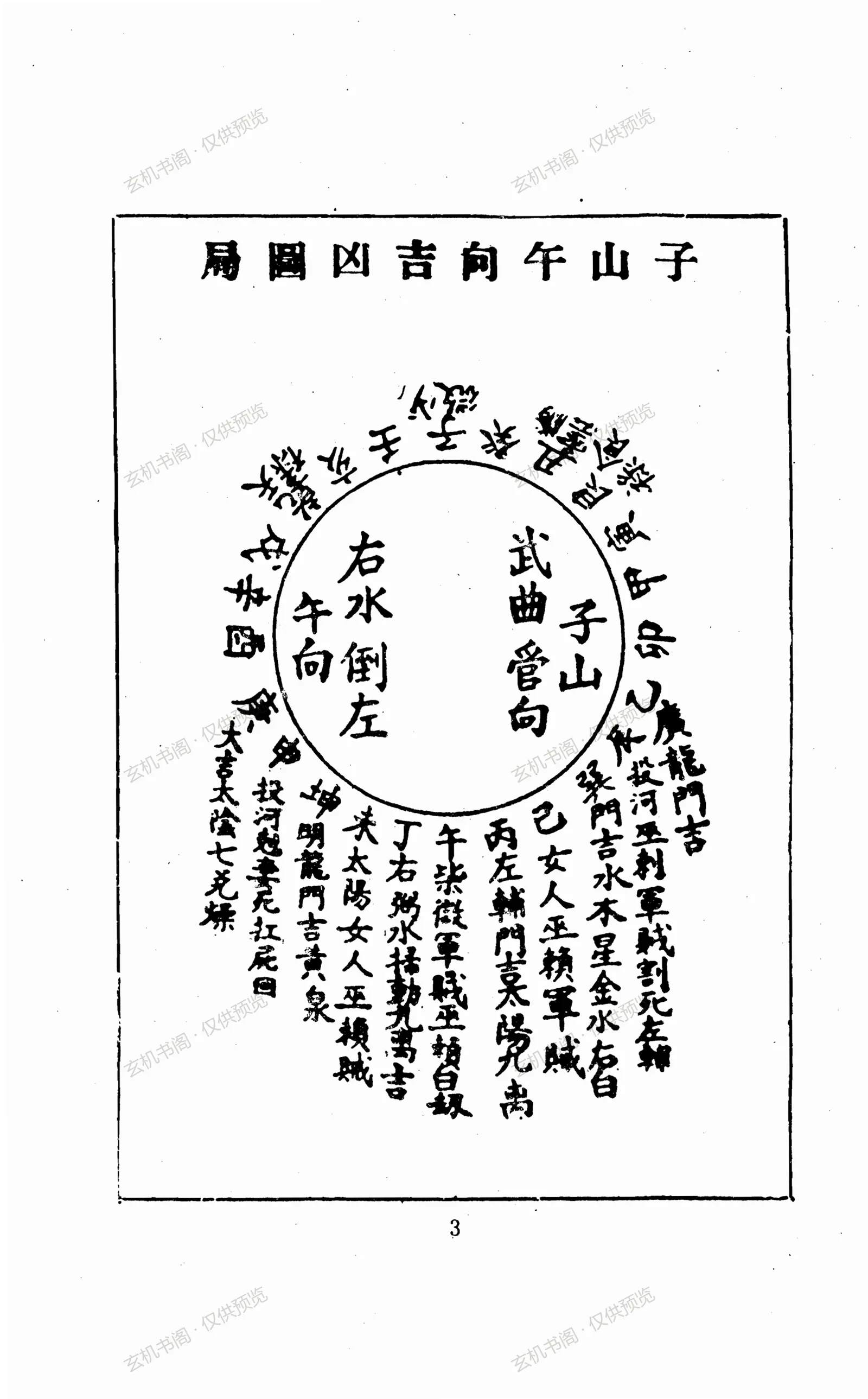
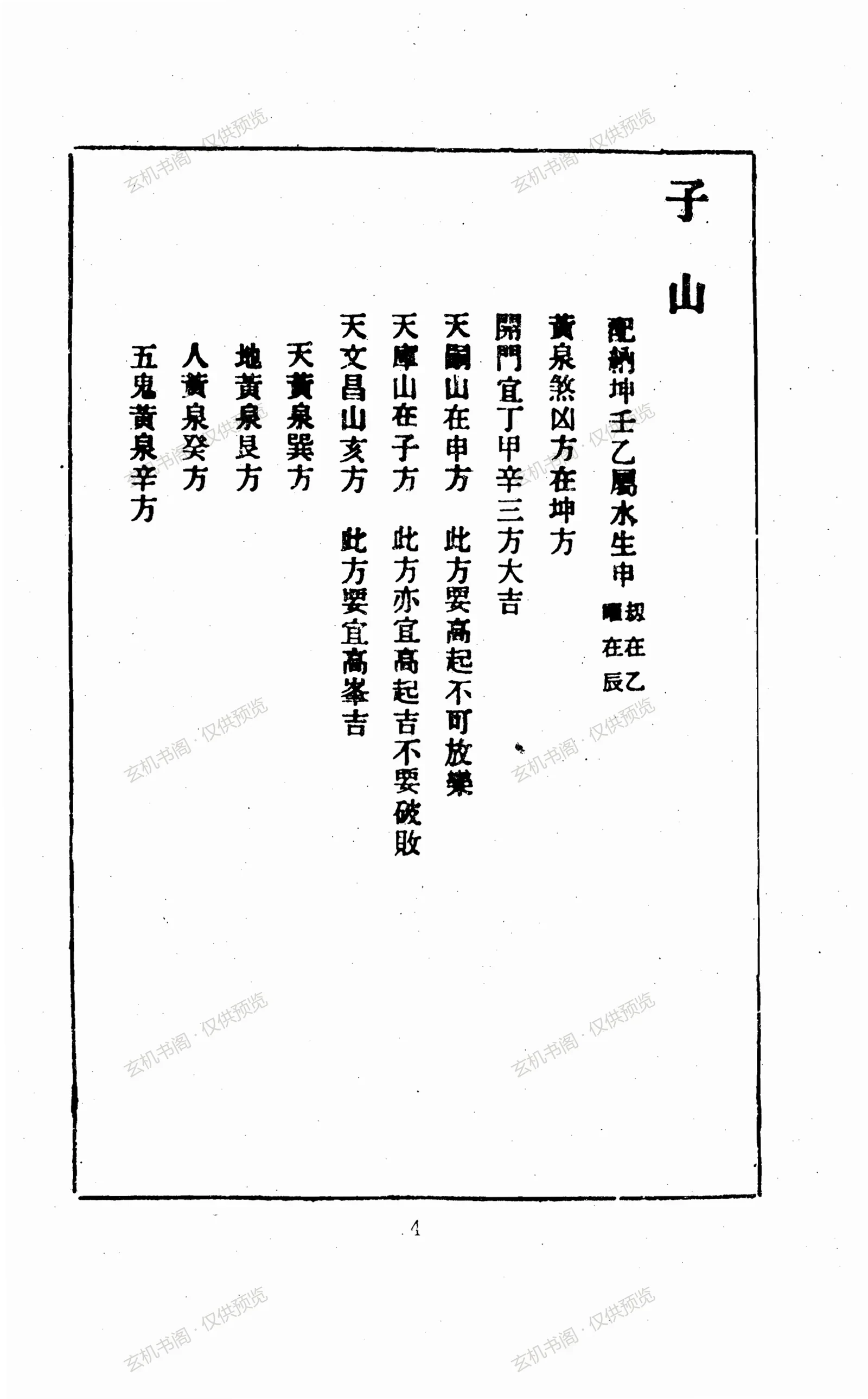
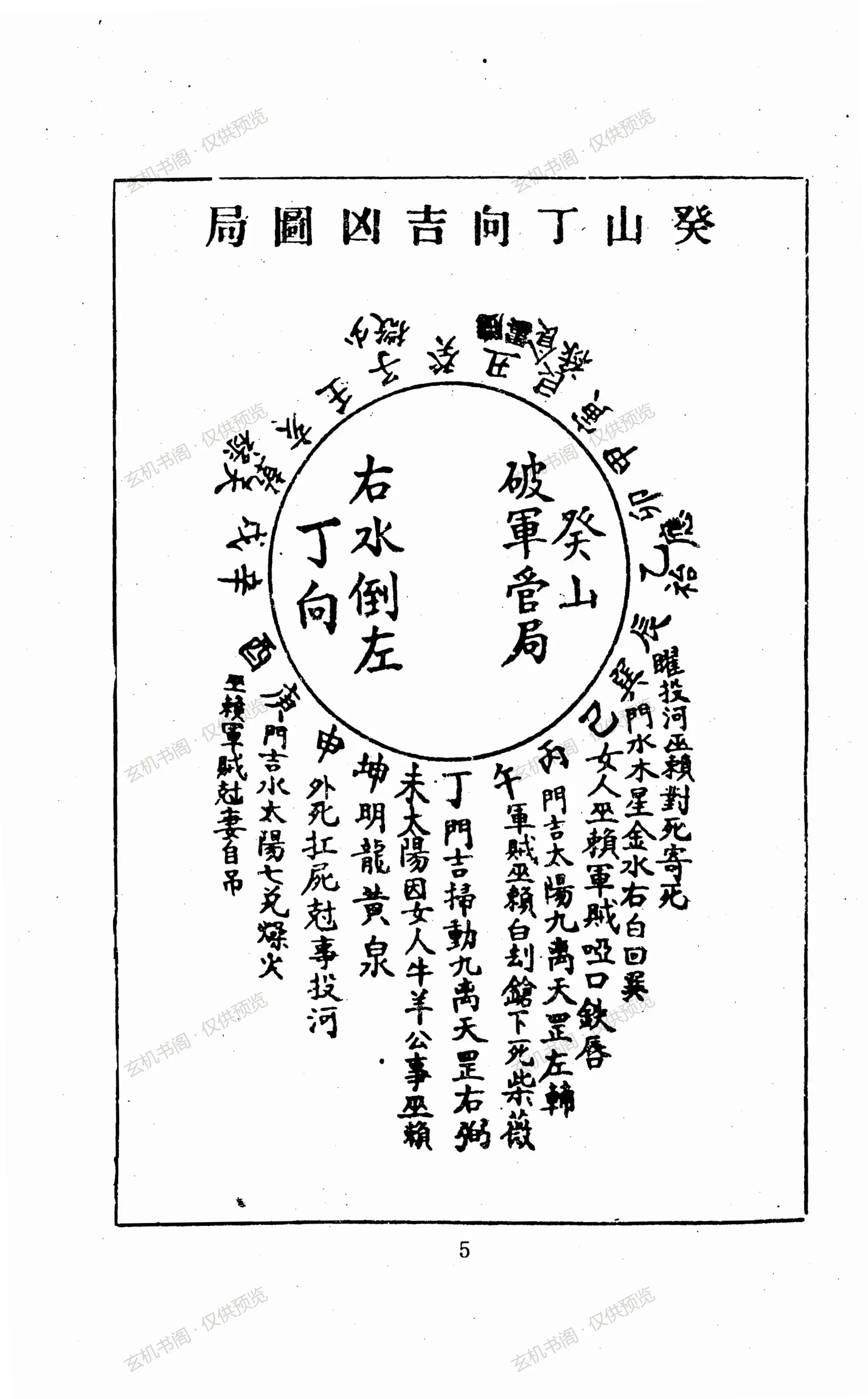
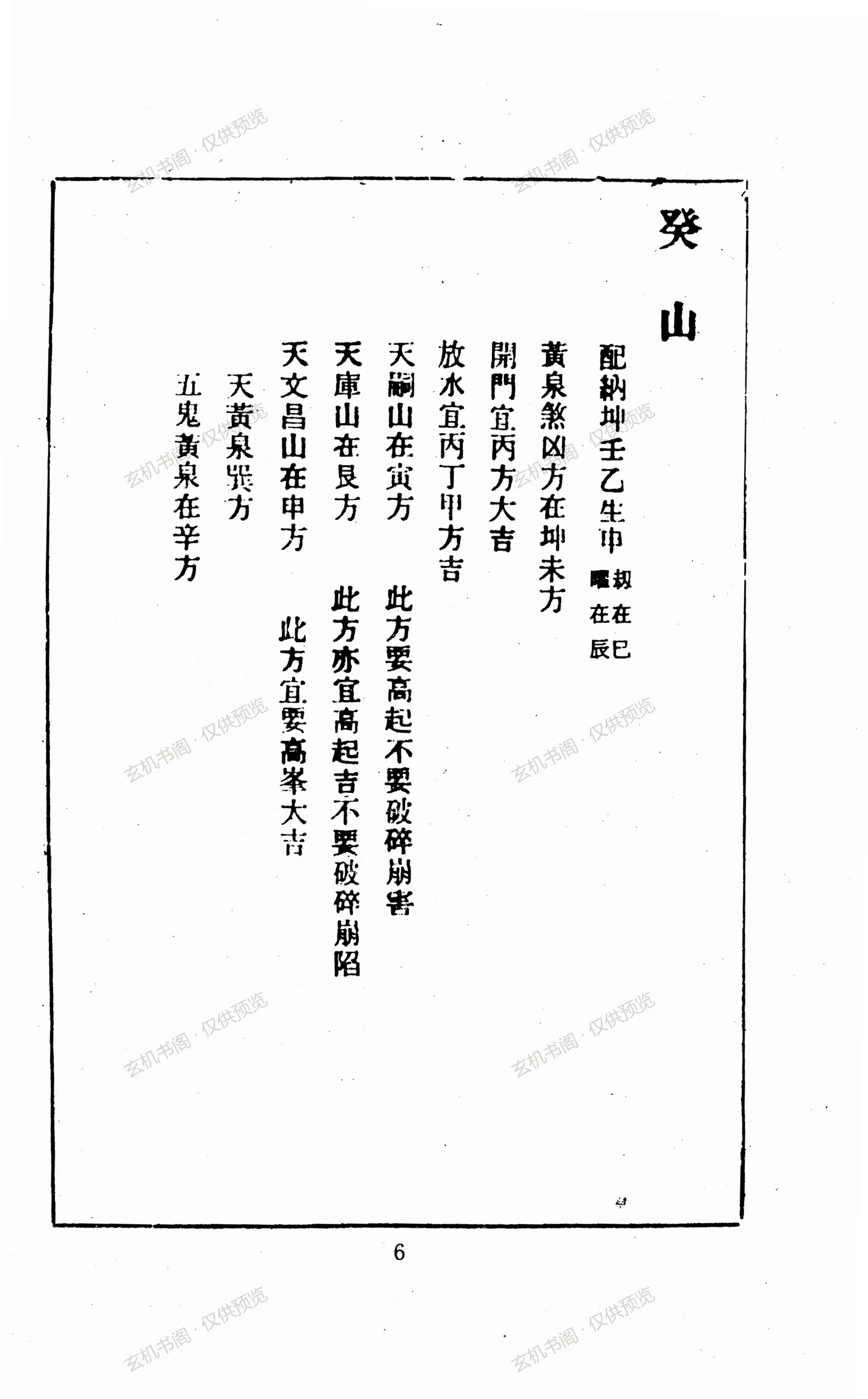
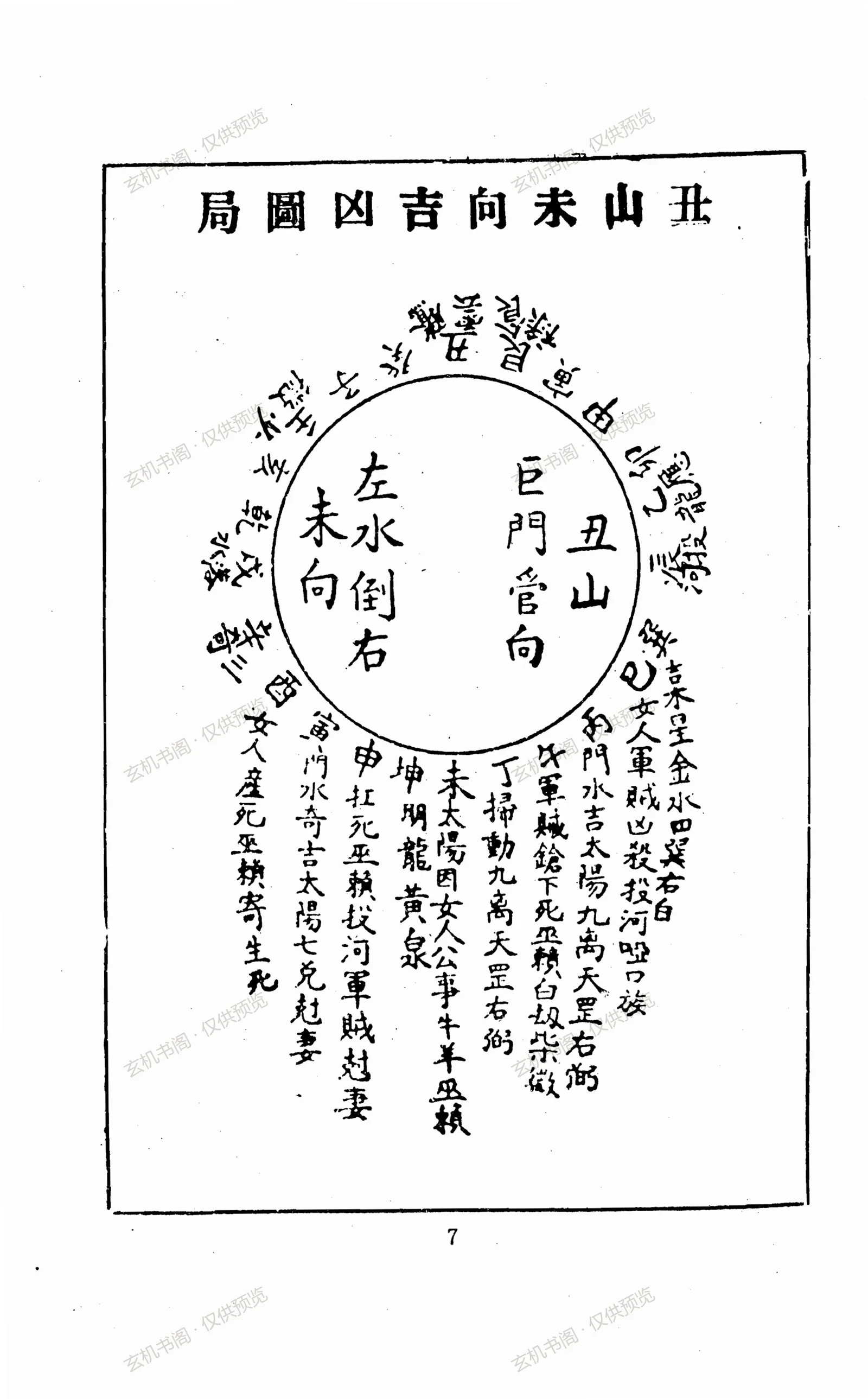
This old text belongs to the Eight Mansions (Bazhai) house-divination tradition. The cover shows an architectural scene, while the body works through the twenty-four mountains one by one. Pages visible here give zishan-wuxiang, guishan-dingxiang and choushan-weixiang entries, each opening with a circular auspicious-inauspicious diagram: the outer ring holds the sexagenary directions, the inner circle records the mountain orientation and whether water flows left or right, and the surrounding notes name the nine stars such as Wuqu, Pojun and Jumen along with inauspicious directions like the Yellow Spring Sha. The text pages then list, for each mountain, nayin affiliations, where doors may be opened, the Yellow Spring Sha direction, and the Tian Guan, Tian Lin, Wenchang, Tian Huangquan, Earth Huangquan and Human Huangquan positions, stressing which sides should rise high and which must not be broken or sunk. Diagram and text together teach the reader to fix doors and judge water by orientation, making it a practical handbook that mixes Eight Mansions with Sanhe water methods and is best used for checking a specific sitting direction.
Contents
Auspicious-inauspicious diagram for zishan-wuxiang
Door openings and Yellow Spring Sha for the zi mountain
Auspicious-inauspicious diagram for guishan-dingxiang
Nayin and high-ground rules for the gui mountain
Key Points
Treats house fortune mountain by mountain across the twenty-four mountains
Circular diagrams place stems and branches outside, orientation and water flow inside
Names nine stars such as Wuqu, Pojun and Jumen
Lists inauspicious directions including Yellow Spring Sha and Eight Luminaries Sha
Emphasizes high ground, collapse and door-opening taboos