Reading guide
Content guideOverview
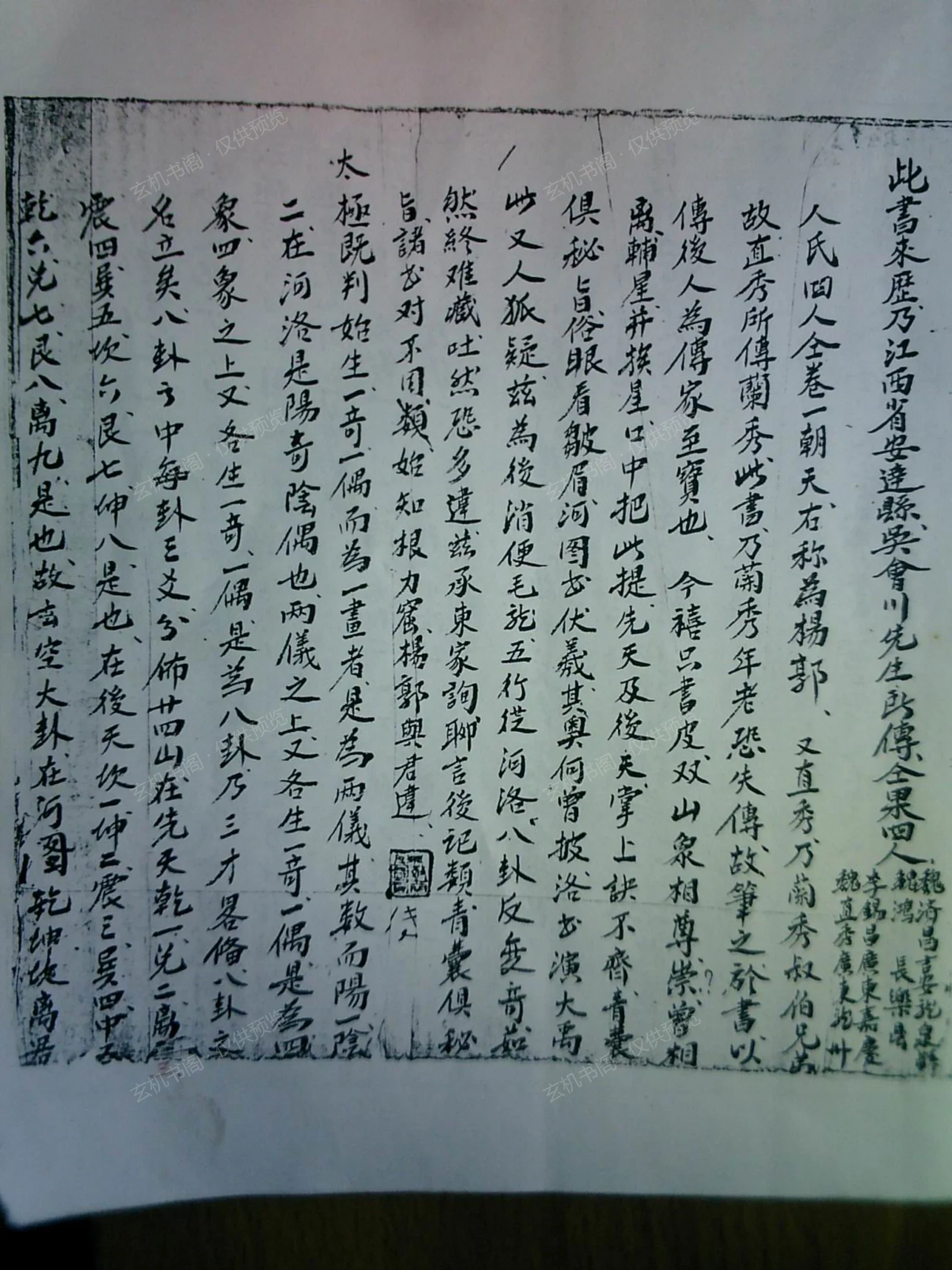
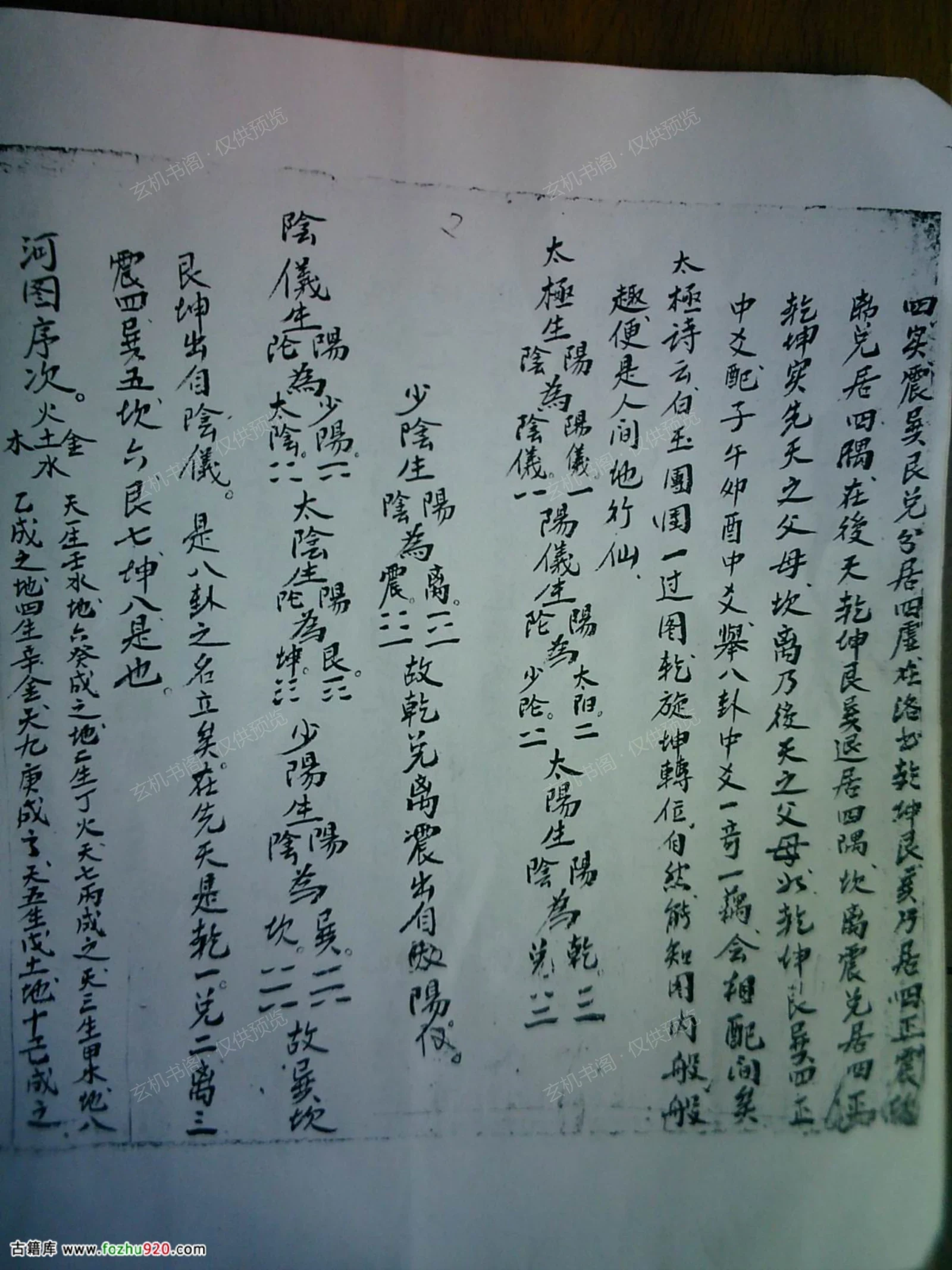
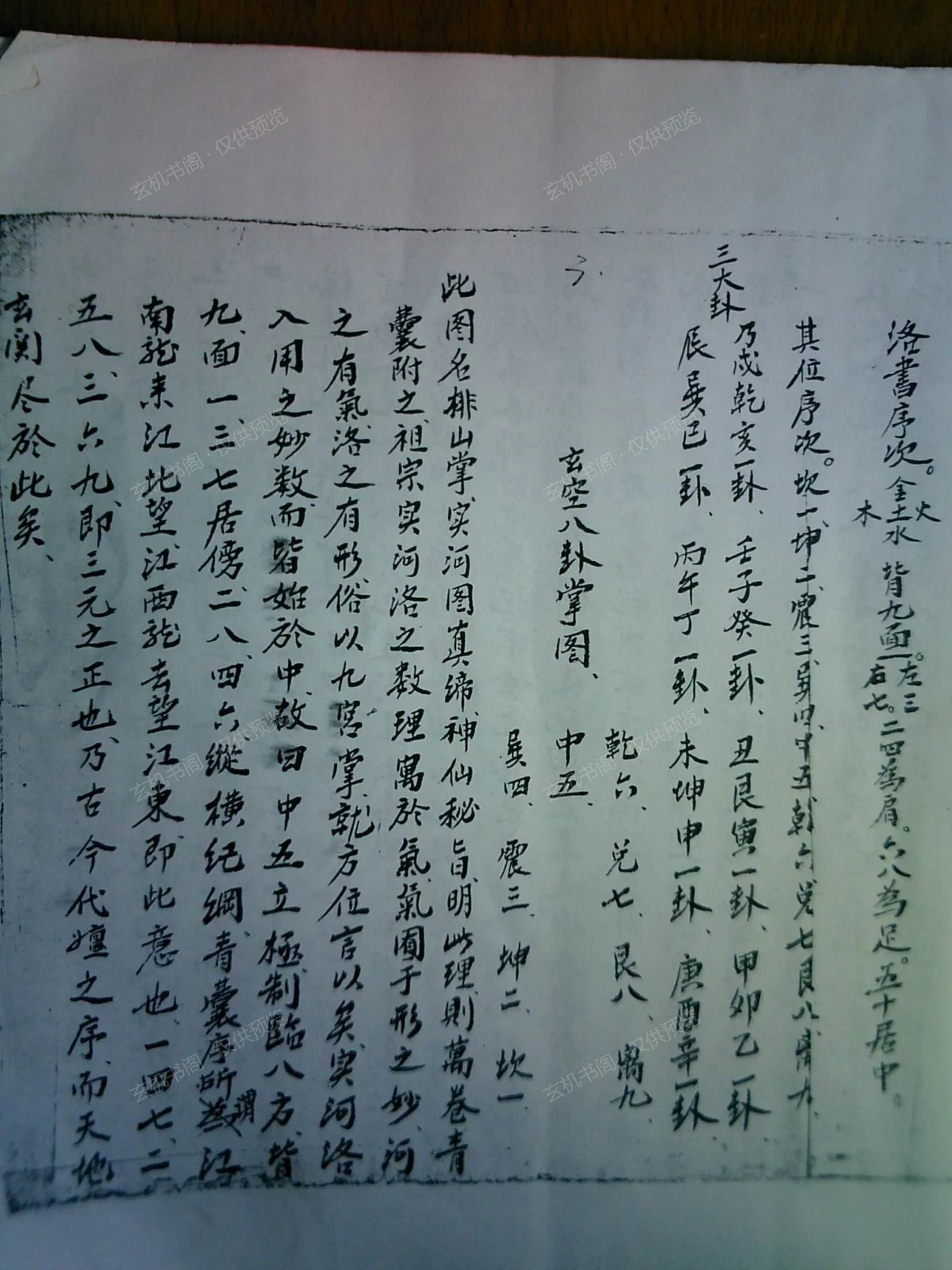
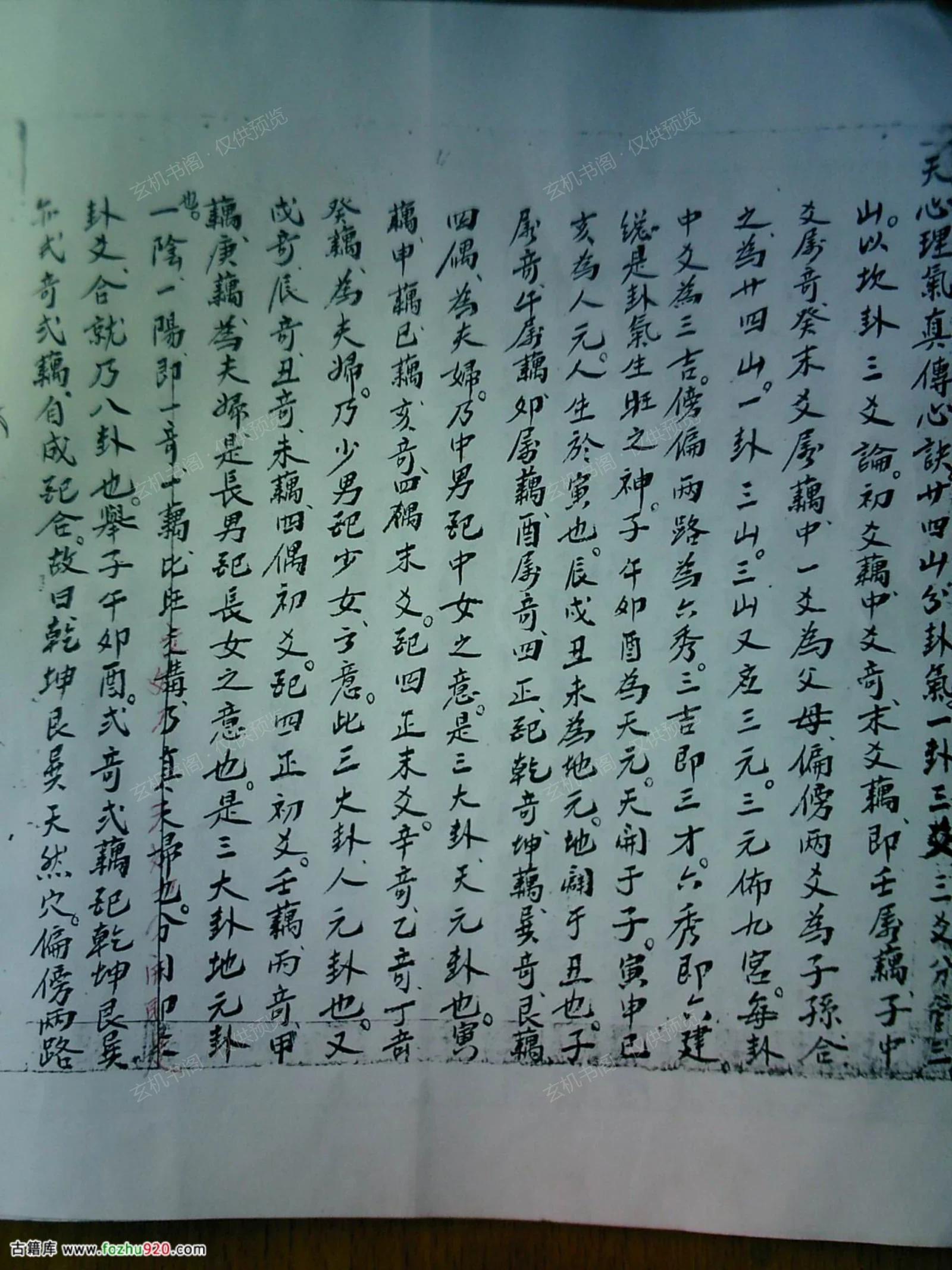
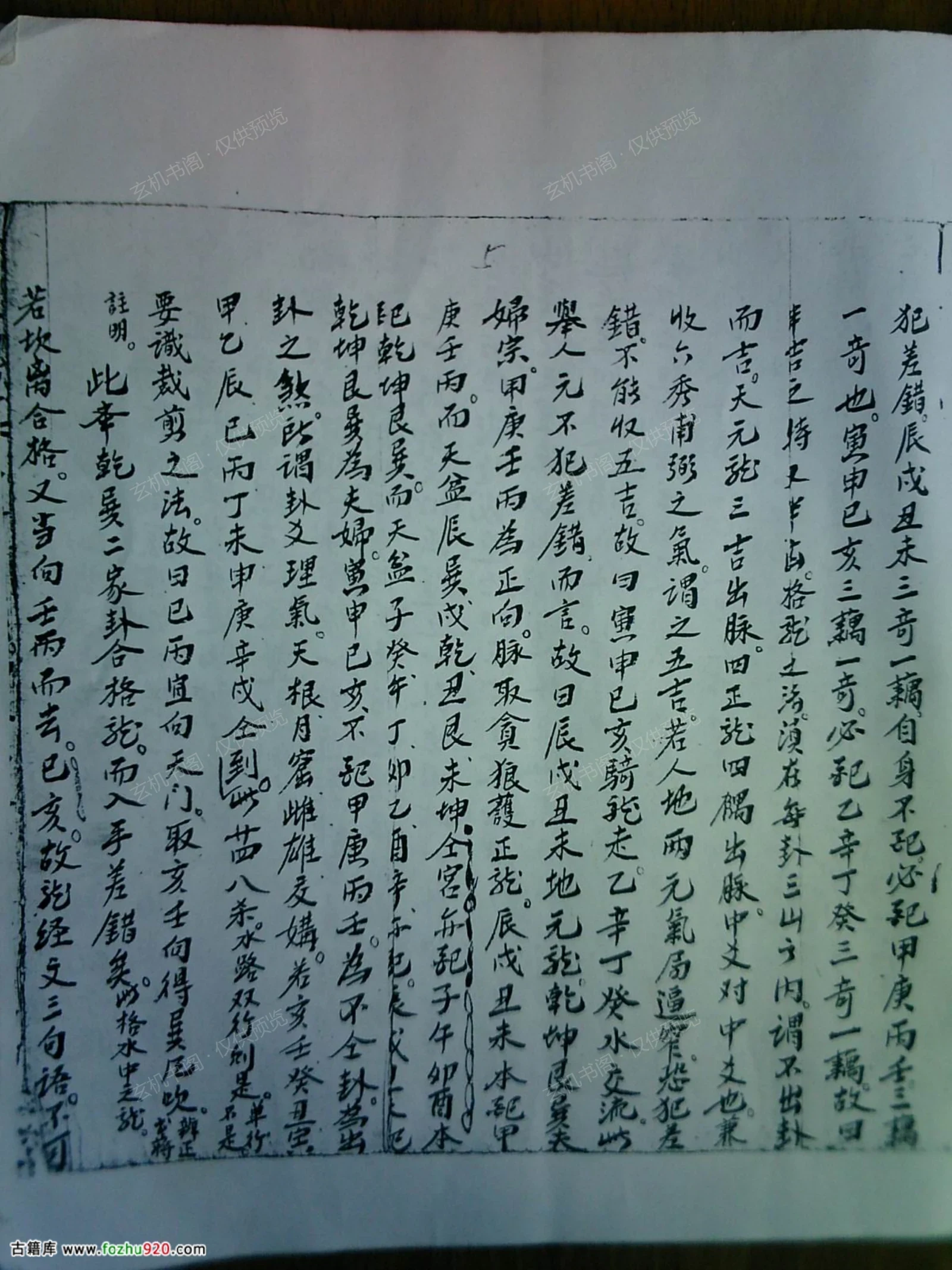
This is a hand-copied feng shui manuscript dated to the autumn of 1940 (Republic of China, Year 29). The cover reads 'Secret Manual of Geography.' The preface mentions that the text was transmitted by Mr. Wu Huichuan from Anyuan County, Jiangxi Province, and traces its lineage to famous feng shui figures like Yang and Guo, indicating it belongs to the Jiangxi Sanhe or Liqi school. The main text revolves around the Hetu, Luoshu, Taiji, Yin-Yang, Four Symbols, and the Former and Later Heaven Bagua, assigning these principles to the 24 mountains to interpret landscape features. It includes specific diagrams and oral formulas such as the 'Four Cardinal and Four Corner Directions,' the 'Xuan Kong Bagua Palm Chart,' and 'Heavenly Heart Correct Movement.' Detailed explanations cover the coordination of Heaven, Earth, and Human Primes, along with methods to judge auspiciousness by analyzing trigram interactions. The manuscript is compact yet theoretically dense, making it suitable for readers with a foundational understanding of Jiangxi-school feng shui, Hetu-Luoshu numerology, and compass orientation. It also serves as a material example of how folk feng shui manuscripts were transmitted during the Republic era.
Contents
Cover: Title and 1940 transcription date
Preface: Transmission from Mr. Wu Huichuan of Anyuan
Taiji, Yin-Yang, and the order of Hetu and Luoshu
Former Heaven Bagua and 24 Mountain allocation
Xuan Kong Bagua palm chart and Nine Palaces
Auspiciousness and inauspiciousness of trigram interactions
Key Points
The cover labels it 'Secret Manual of Geography,' copied in 1940.
The preface traces the text to Mr. Wu Huichuan from Anyuan, Jiangxi.
Its core theory is built on Hetu, Luoshu, Taiji, and Former Heaven Bagua.
It focuses on 24 mountain orientations and the Three Primes trigram matching.
Auspiciousness is judged through odd-even trigram interactions and the 'Heavenly Heart' doctrine.