Reading guide
Content guideOverview
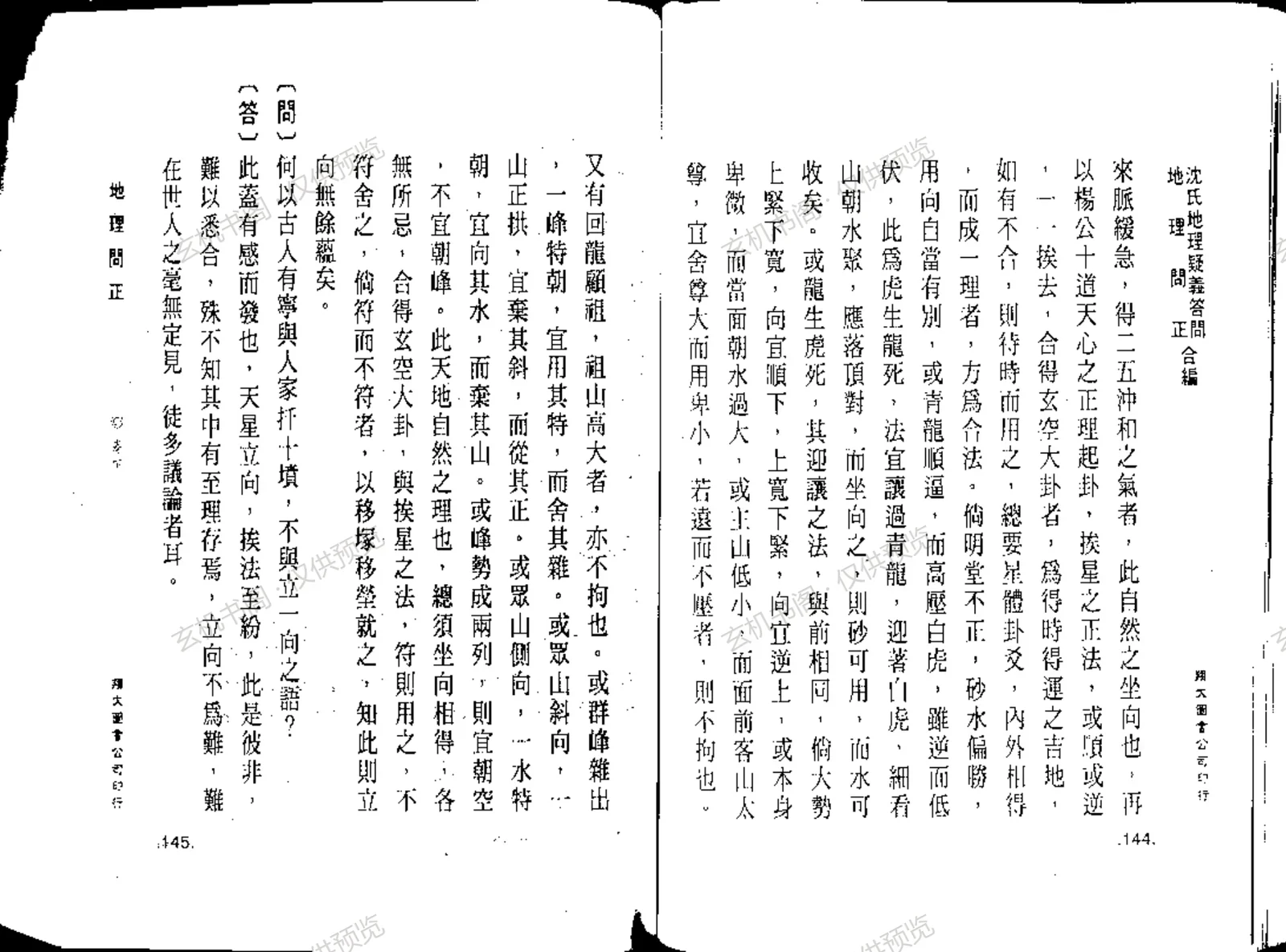
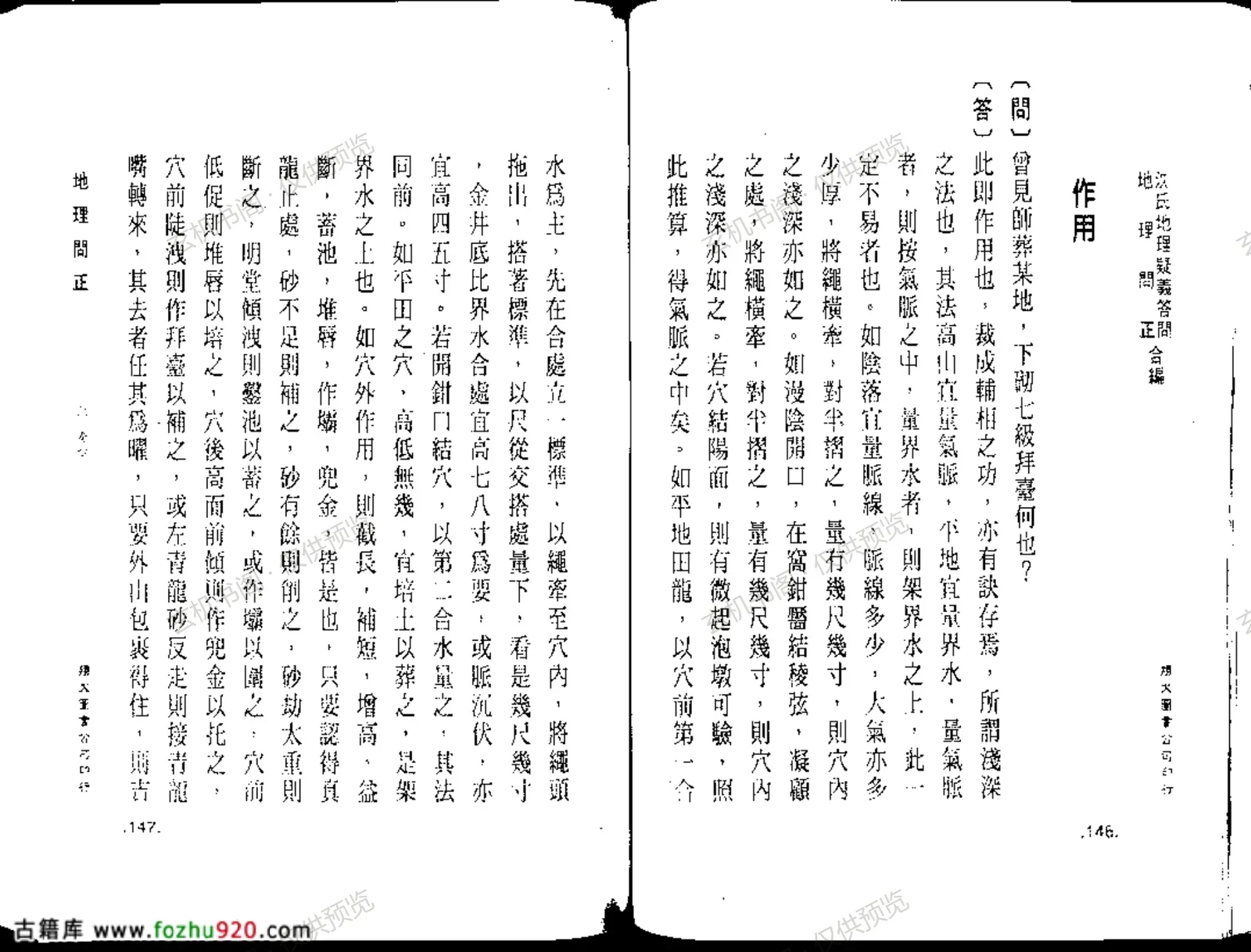
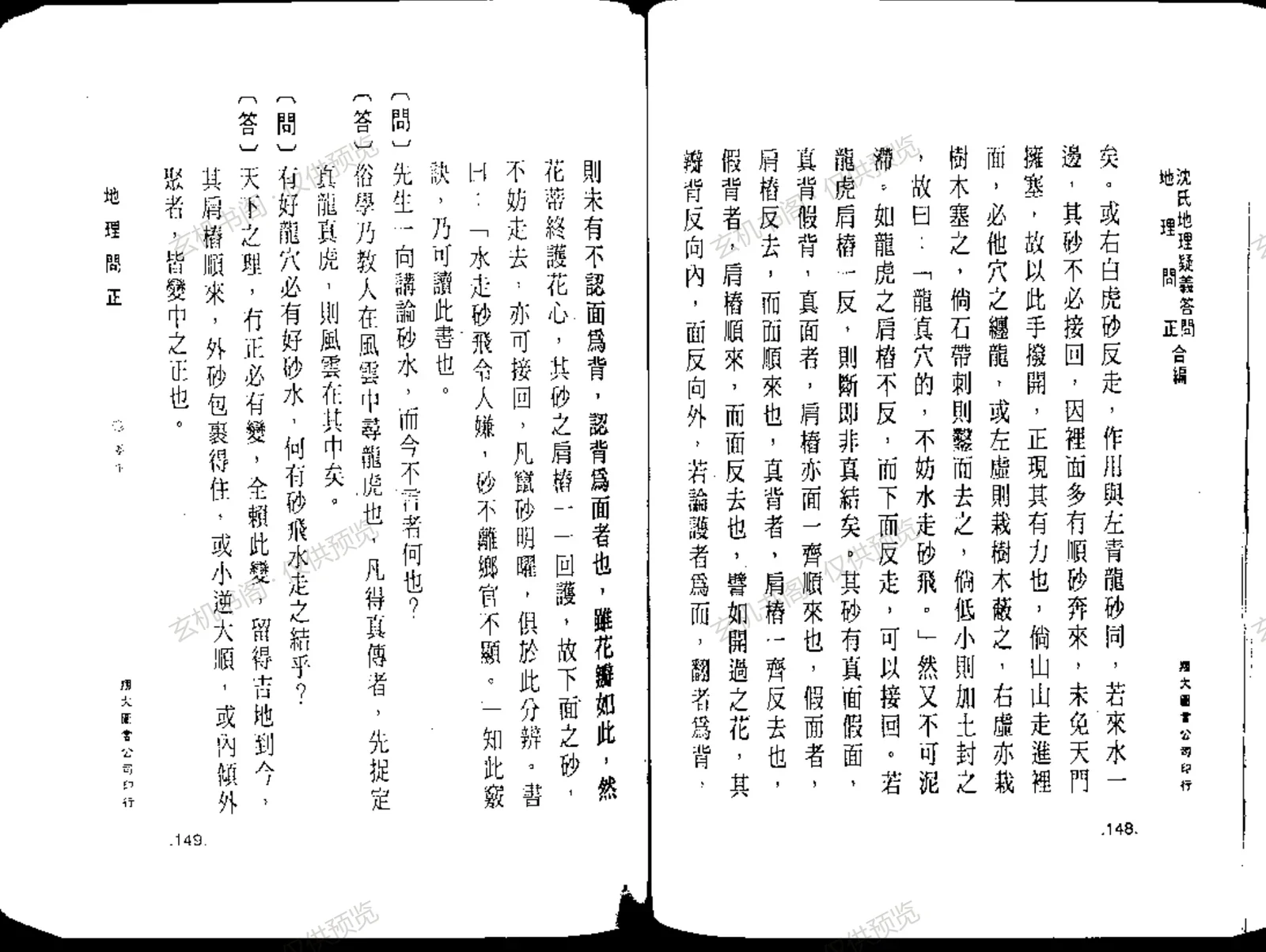
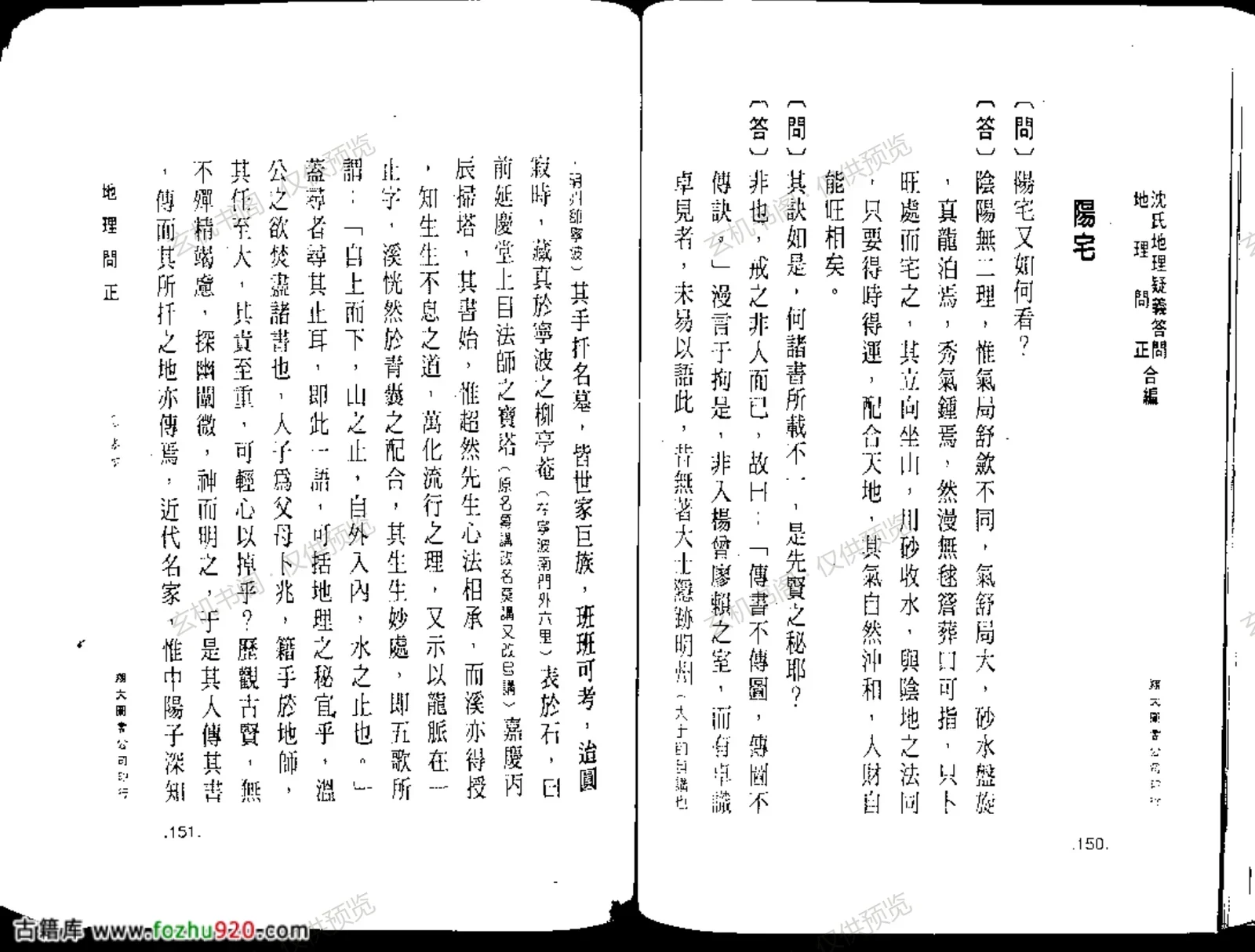
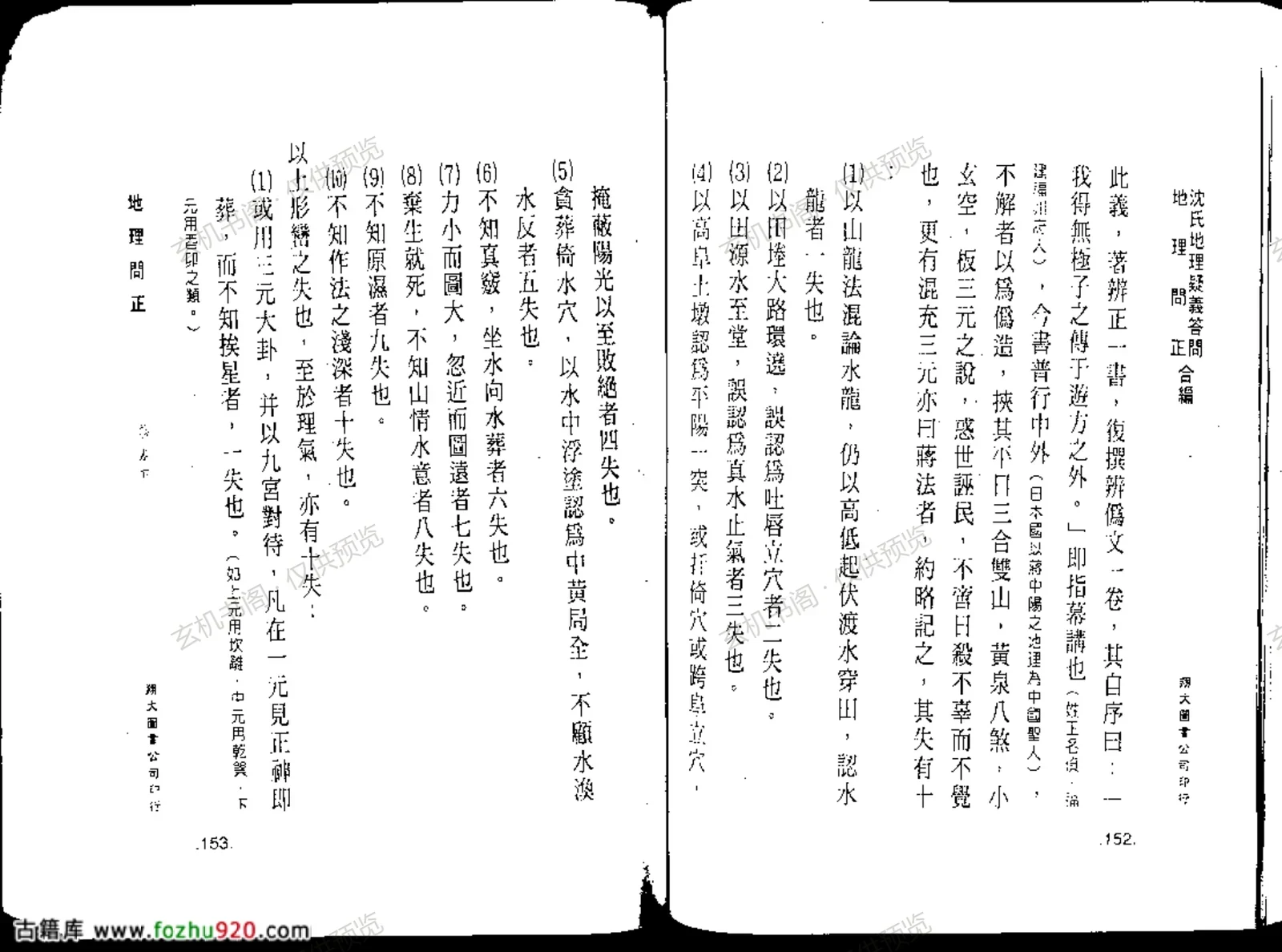
This is the lower volume of Dili Wenzheng, titled 'On Orientation,' composed in a question-and-answer format and combined with Shen's Questions on Geographical Doubts. Starting from how to establish orientation, the text argues that orientation must follow heavenly cycles and gather generative qi, using the compass to fix pointed and round forms and to align the cushion point with the round point. It repeatedly examines dragon formations such as the returning dragon and clustered peaks, stressing that dragon, point, sand, water, and orientation must all correspond. It also distinguishes mountain and flatland settings, discusses the Hall of Light, and later addresses practical methods of trimming and supplementing, measuring vein depth, and welcoming qi. A list of ten failures in siting serves as a cautionary checklist. The language is plain and practical, suited to readers with basic Form School knowledge who want to deepen their understanding of orientation and site adjustment.
Contents
Orientation must follow heavenly cycles and gather qi
Pointed and round points; aligning cushion with round
Returning dragon and clustered peaks
Differences between mountain and flatland siting
Measuring vein depth and welcoming qi
Ten failures in siting and Three-Epoch hexagrams
Key Points
Orientation is based on gathering generative qi and following heavenly cycles
Mountain dragons and flatland dragons require different siting methods
Early-arriving sand and water invite wealth but must match the point
Ten failures warn against greedy burial and misreading water mouths
Three-Epoch hexagrams and star shifting are mentioned but form remains central