Reading guide
Content guideOverview
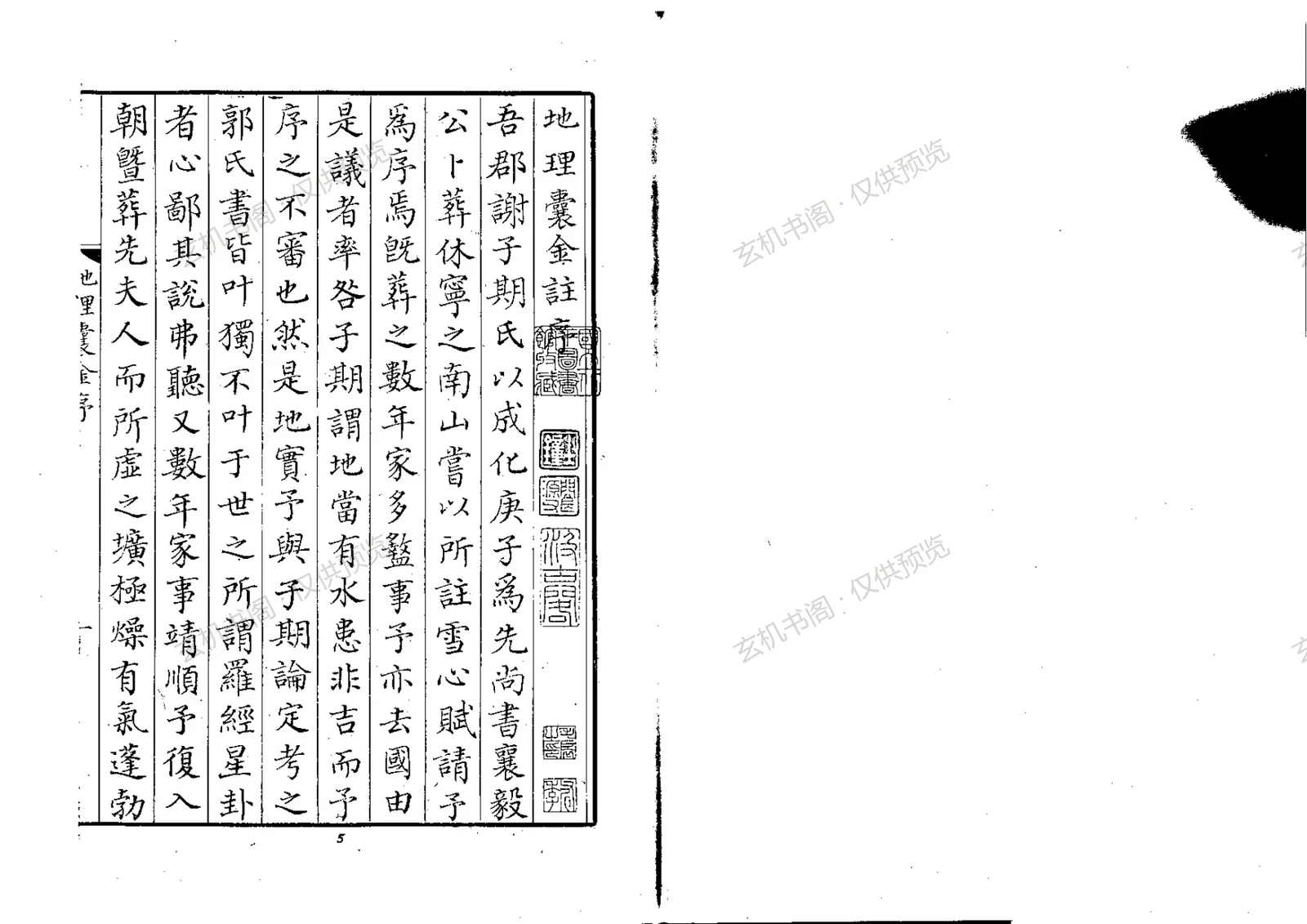
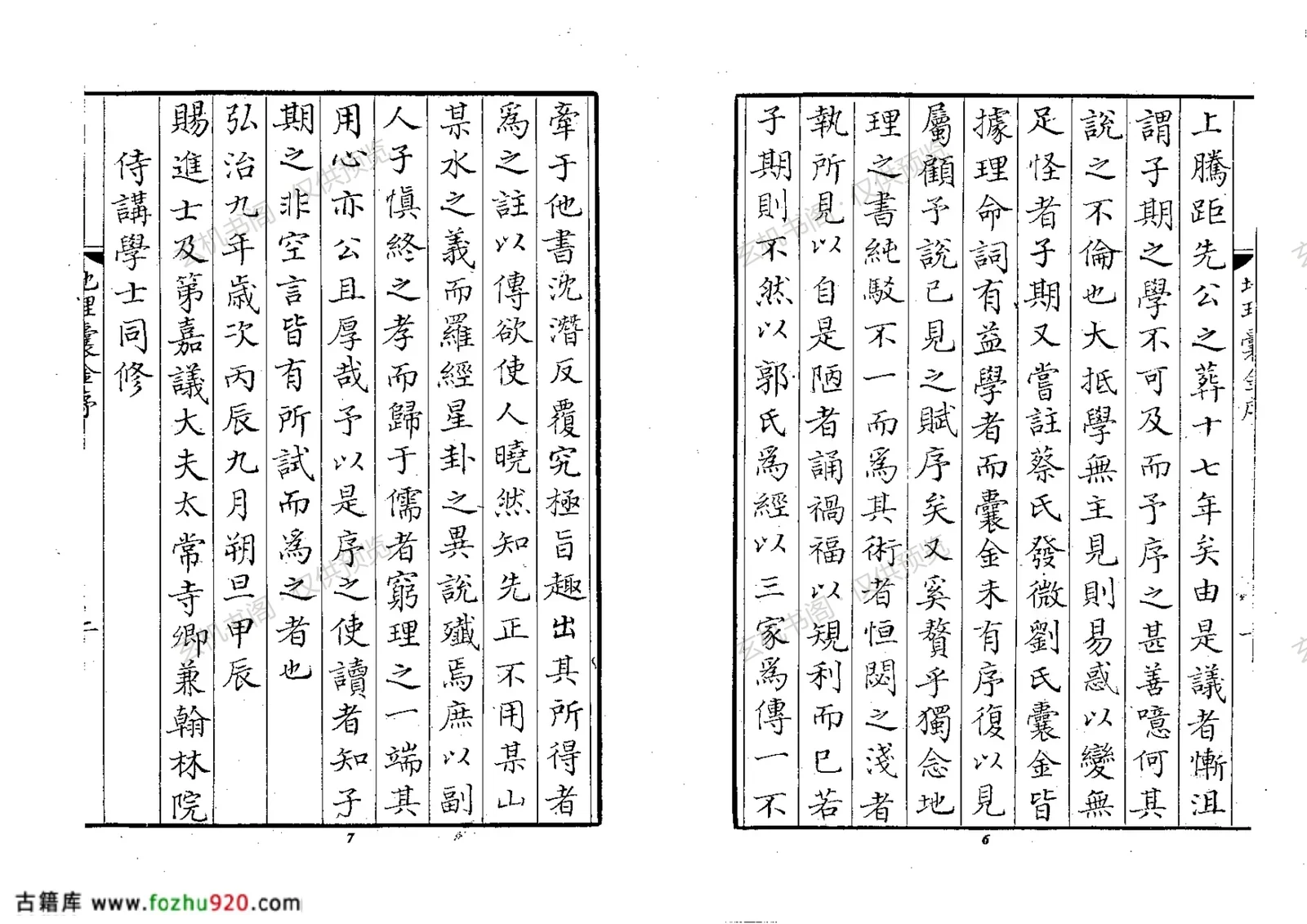
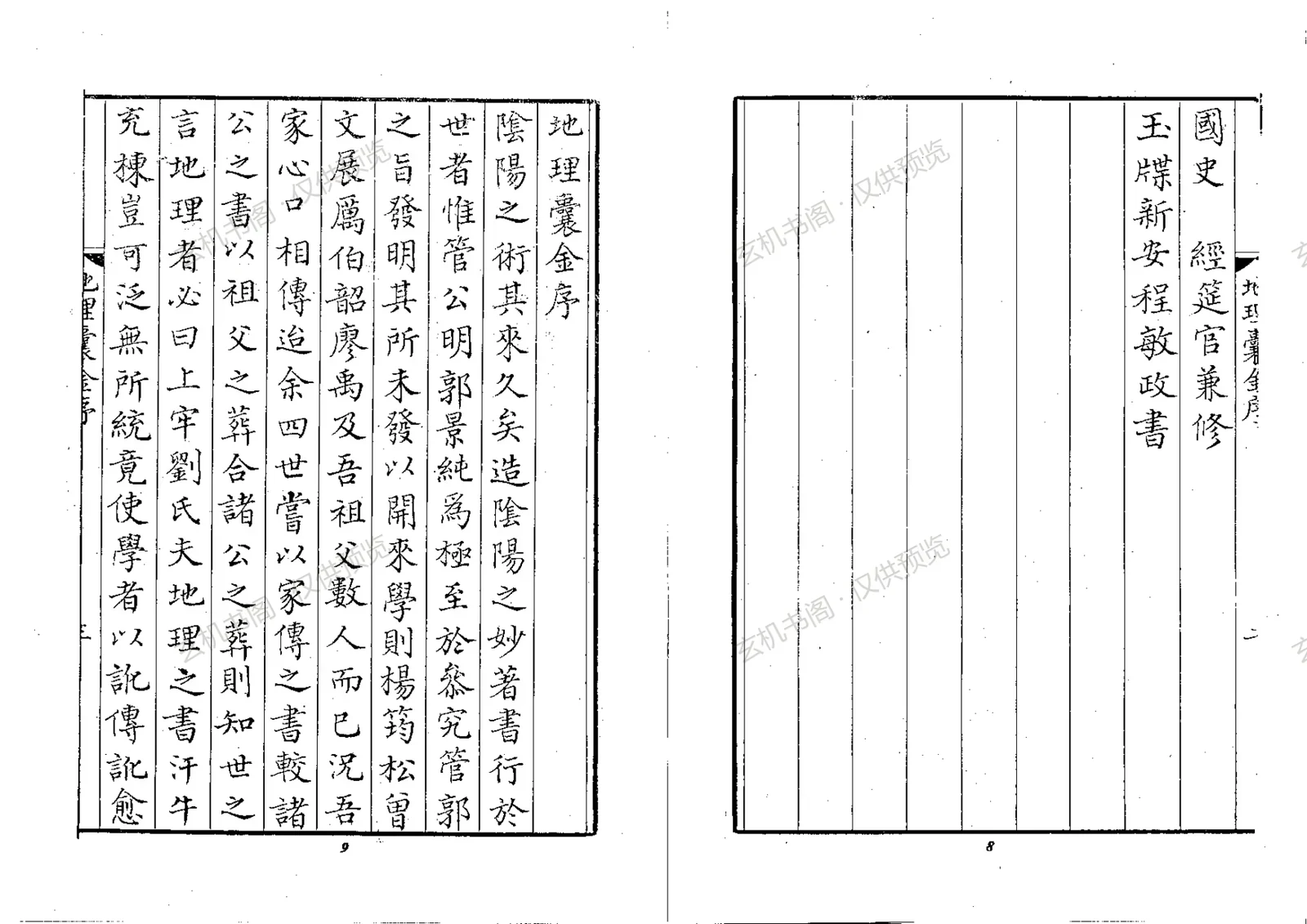
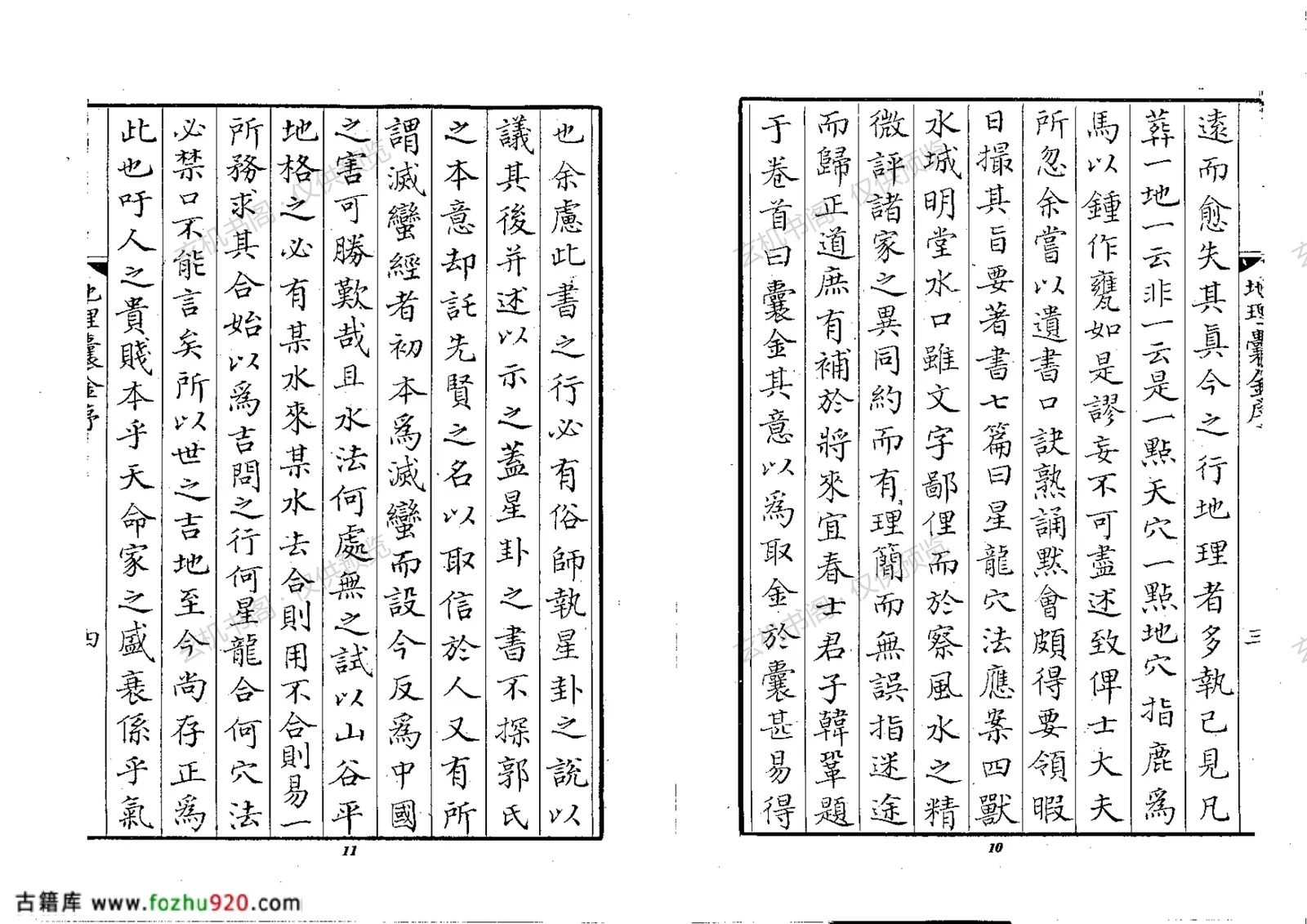
The Annotated Compendium of Geographical Treasures (Dili Nangjin Jizhu) is a Ming-era Fengshui text attributed to Xie Ziqi. Its preface, by Cheng Minzheng in 1496, traces the lineage from Guo Pu and Yang Junsong and describes Xie's use of the text for a family burial. The main body treats star-dragons, acupoint methods, facing mountains, four emblems, water cities, bright halls, and water mouths, combining form-based observation with positional and astrological considerations. It is a useful source for studying Ming dynasty xingshi Fengshui, burial practice, and Huizhou regional manuscript culture.
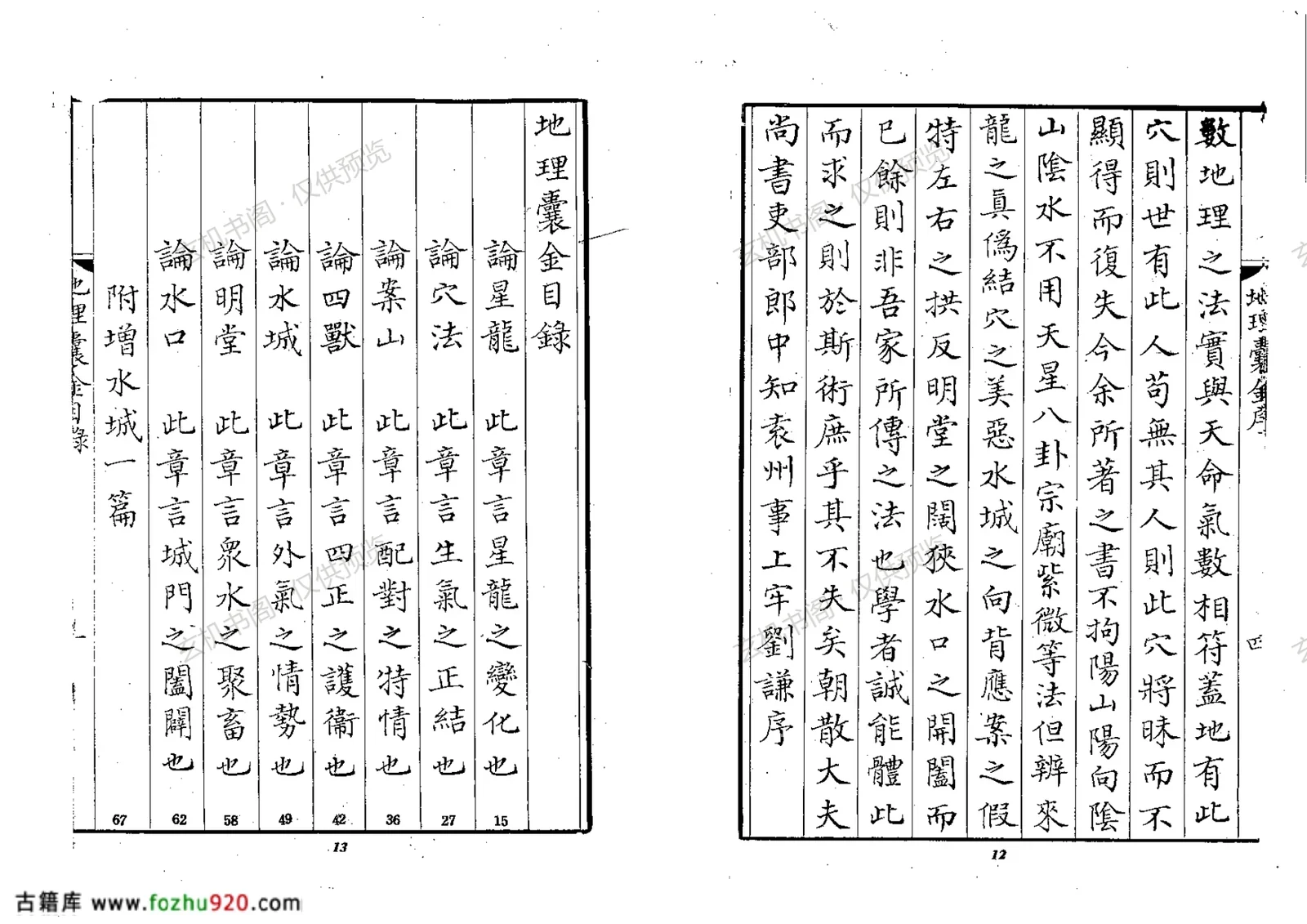
Contents
Prefaces by Cheng Minzheng and Liu Qian
On star-dragons and true/false acupoints
On acupoint methods and protective embrace
On facing mountains and special configurations
On the four emblems as guardians
On water cities and water-mouth closure
On bright halls and gathered waters
Appendix on water cities
Key Points
Uses 'gold in a bag' as a metaphor for recognizing true landscape potential
Emphasizes correspondence between dragon authenticity and acupoint orientation
Discusses water methods together with bright hall and water mouth
Combines form-based analysis with astrological and trigram frameworks
Prefaces offer clues to Ming Huizhou Fengshui transmission