Reading guide
Content guideOverview
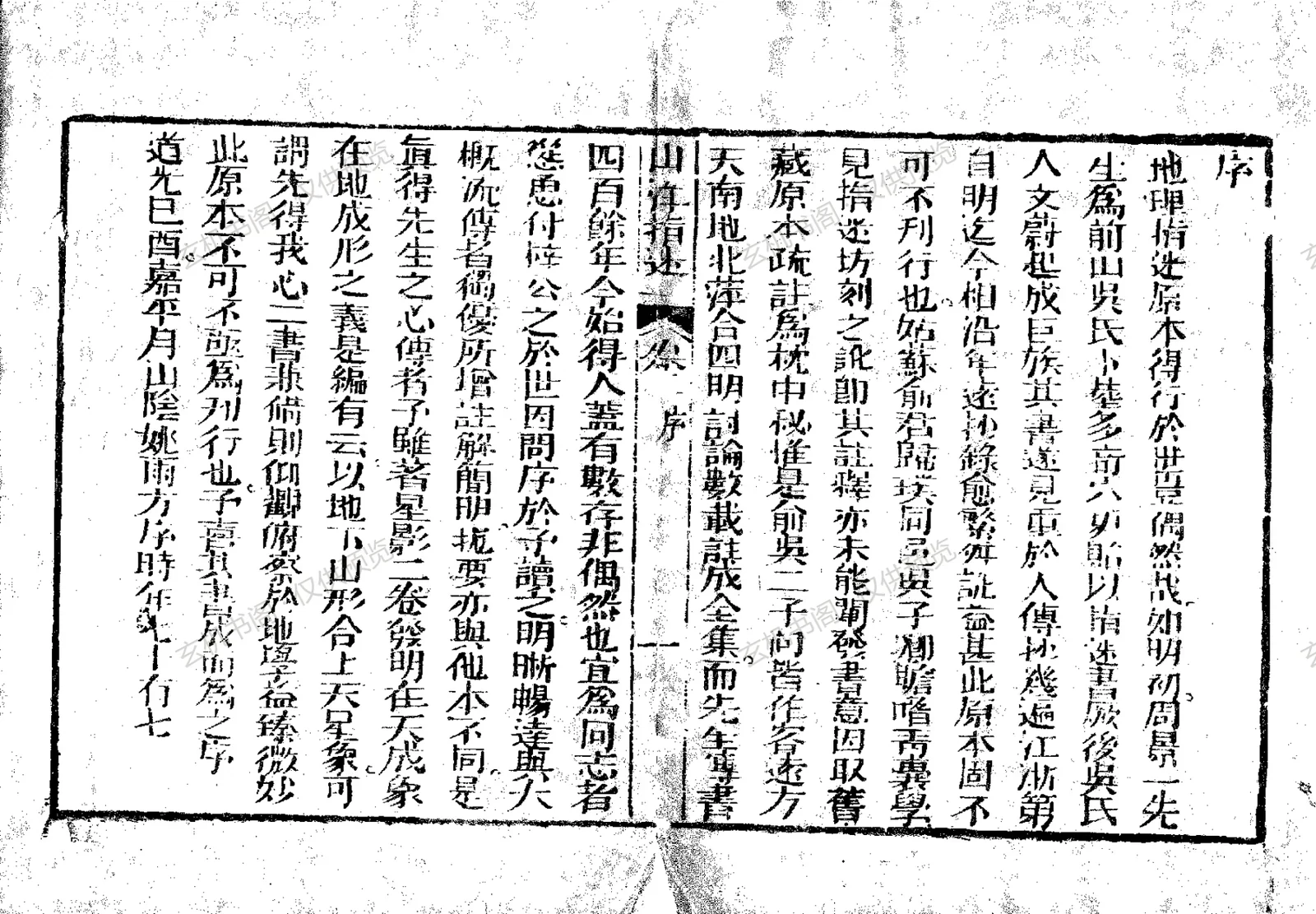
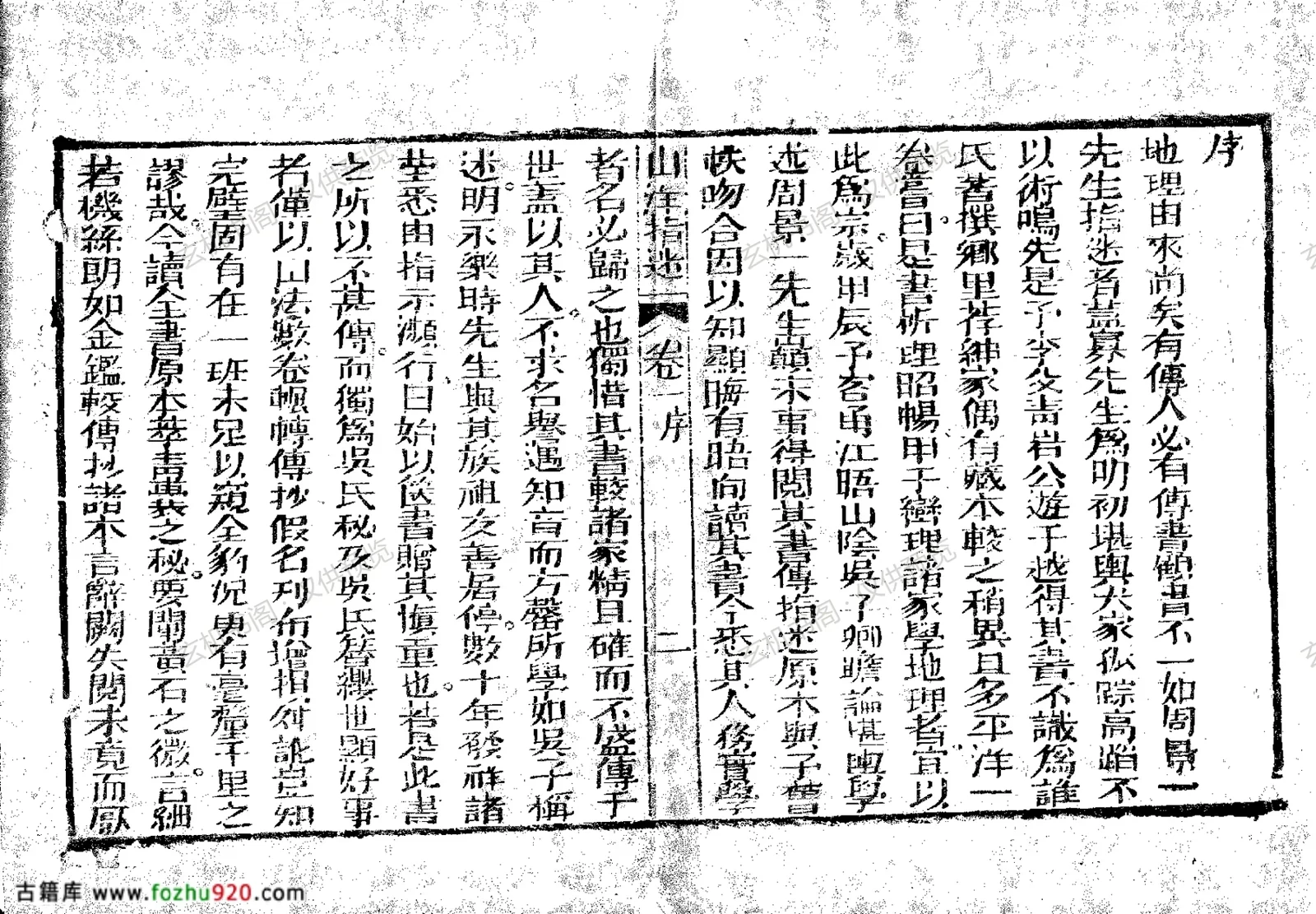
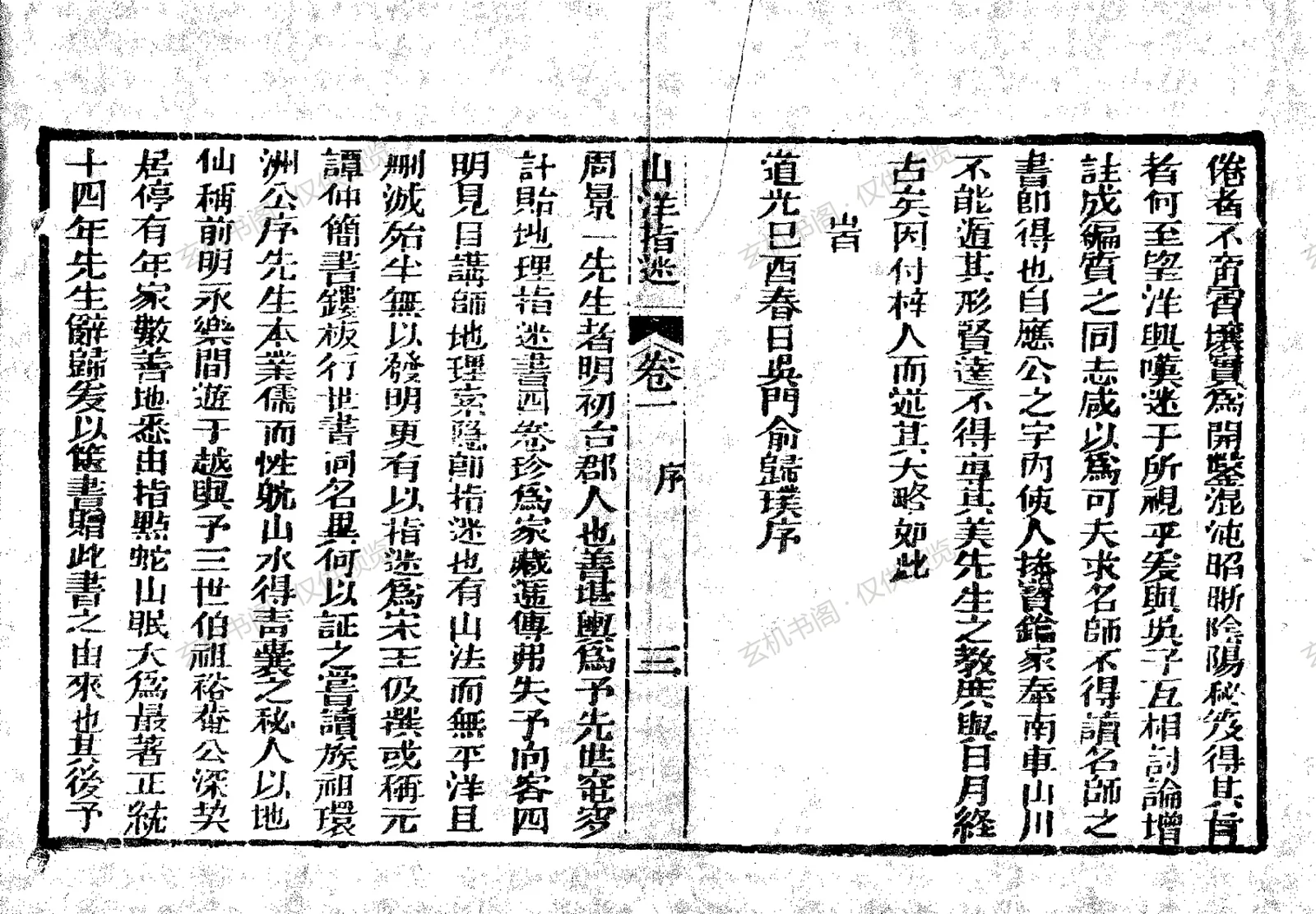
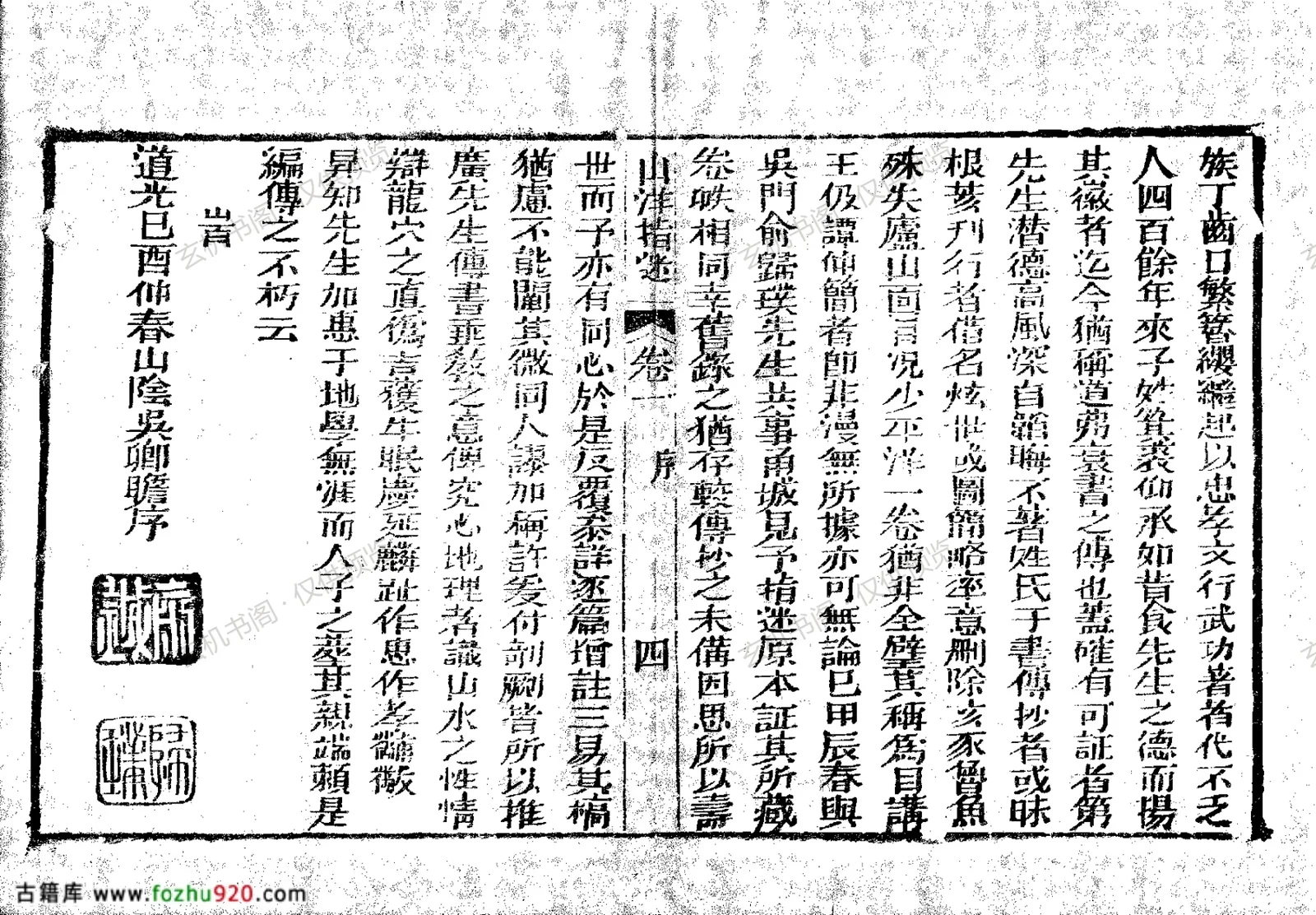
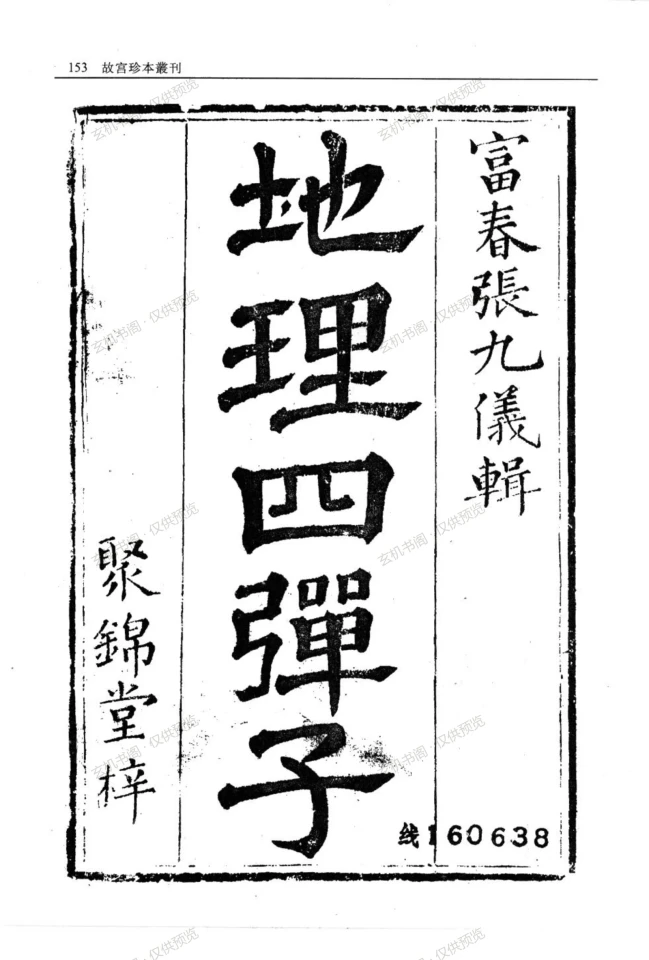
This Qing-dynasty text by Zhou Jingyi, prefaced in 1849 by Yao Nai of Shanyin, is a fengshui manual devoted to the study of mountain (shan) and plain (yang) landforms. It opens with the principle that terrestrial divination is rooted in “contracting the neck,” then discusses orientation, verticality and horizontality, completeness and partiality, and the gathering and dispersing of qi. Volume two examines facing and overlooking, cutting and joining, and various “face” configurations, while volume three classifies ancestral mountains and the site methods for high mountains, low hills, and flat plains. With numerous diagrams and succinct rubrics followed by detailed annotations, the book offers a practical reference for understanding the luantou (form-school) tradition of Chinese geomancy.
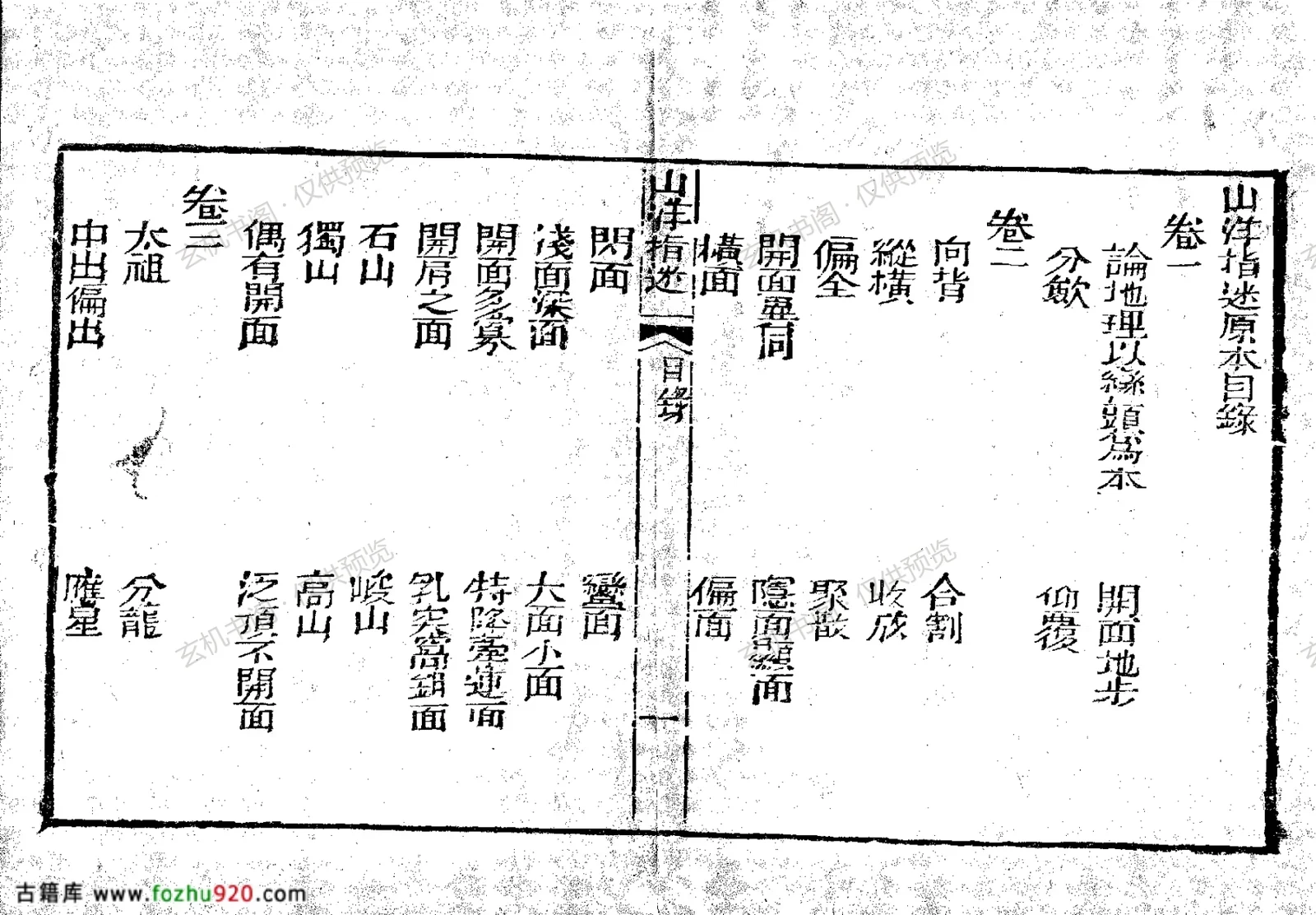
Contents
Vol. 1: Orientation, verticality, completeness, convergence
Vol. 2: Facing, cutting, gathering, dispersing
Vol. 2: Overlooking, hidden and visible faces
Vol. 3: Ancestral mountains, branching dragons, stars
Vol. 3: Site methods for mountains, hills, and plains
Key Points
Grounds the method in “contracting the neck” to gather qi.
Clarifies core form-school concepts of orientation and convergence.
Distinguishes site selection for mountains, hills, and plains.
Uses diagrams to explain terms such as “opening the face.”