Reading guide
Content guideOverview
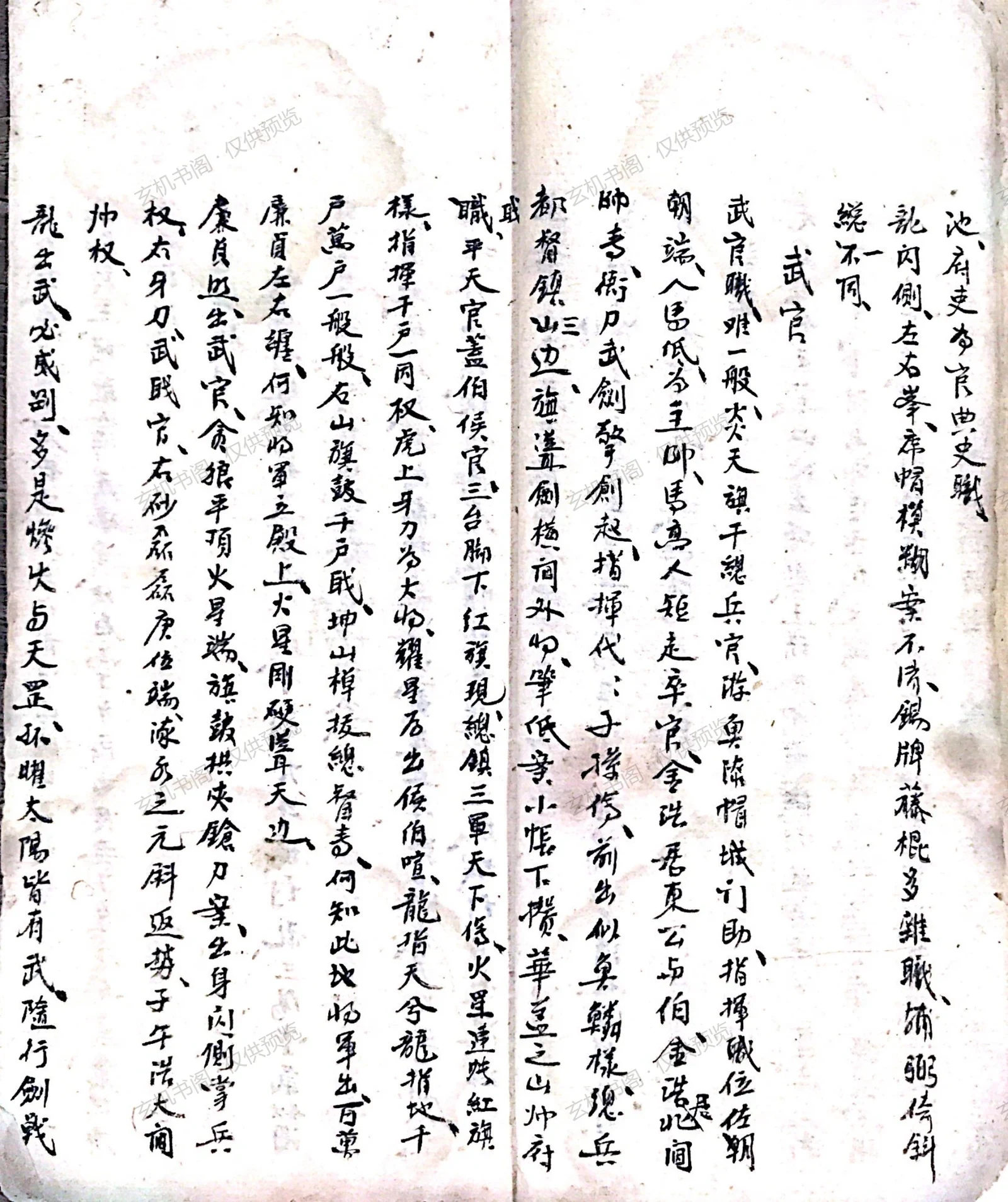
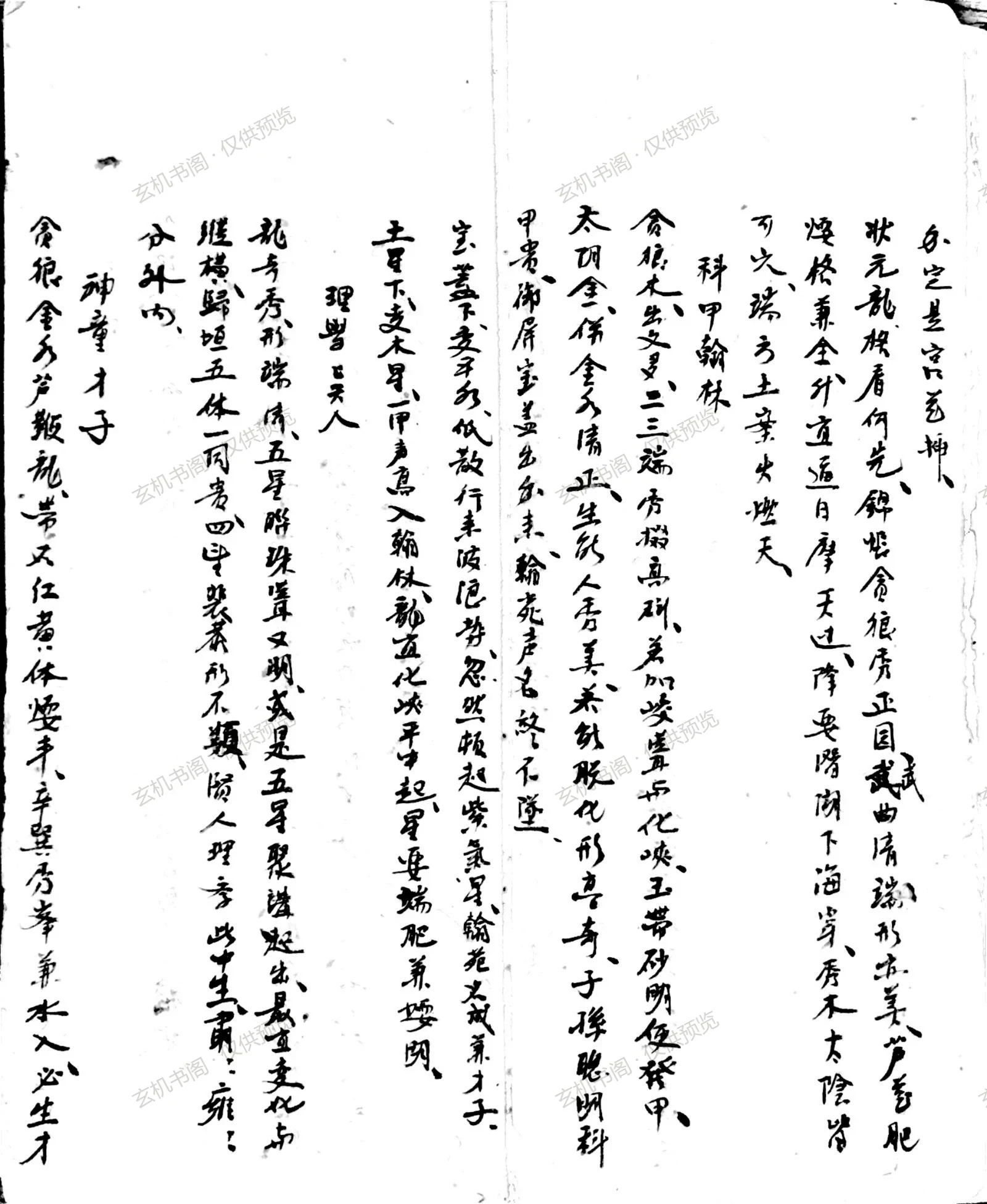
This handwritten manuscript titled Dili Yaofa (Essential Methods of Geography) presents traditional Chinese landform feng shui through a series of categorized sections such as Civil Official, Military Official, Marquis and General, Minister, Top Scholar, and Imperial Academy Graduate. It reads the shapes of dragons, points, sand, and water against ideals of flags, drums, swords, seals, jade belts, and towers, using star terms like Jupiter, Venus, Mars, and Sun/Moon to explain whether a site produces civil or military eminence. The text is written in a rapid cursive hand and has no visible author, preface, or table of contents in the supplied pages. It is useful for studying the practical application of the xingshi (landform) school and the transmission of feng shui knowledge in manuscript form.
Contents
Civil official patterns: wooden planets, triple terrace, city gate, and inspectorate landforms
Military official patterns: flags, drums, swords, horses, and fire-star formations
Marquis and general patterns: jade seals, jade belts, and noble symbolic forms
Minister and top-scholar patterns: point placement and facing elements
Imperial academy patterns: wood planets, moon, jade-belt sand, and examination success
Child prodigy patterns: five planets gathered and literary talent
Key Points
Organizes feng shui judgments around types of success: civil, military, and noble.
Focuses on landform shapes such as flags, drums, swords, seals, belts, and towers.
Uses star terminology to describe dragons and sand formations.
The cursive manuscript requires contextual reading to confirm some characters.