Reading guide
Content guideOverview
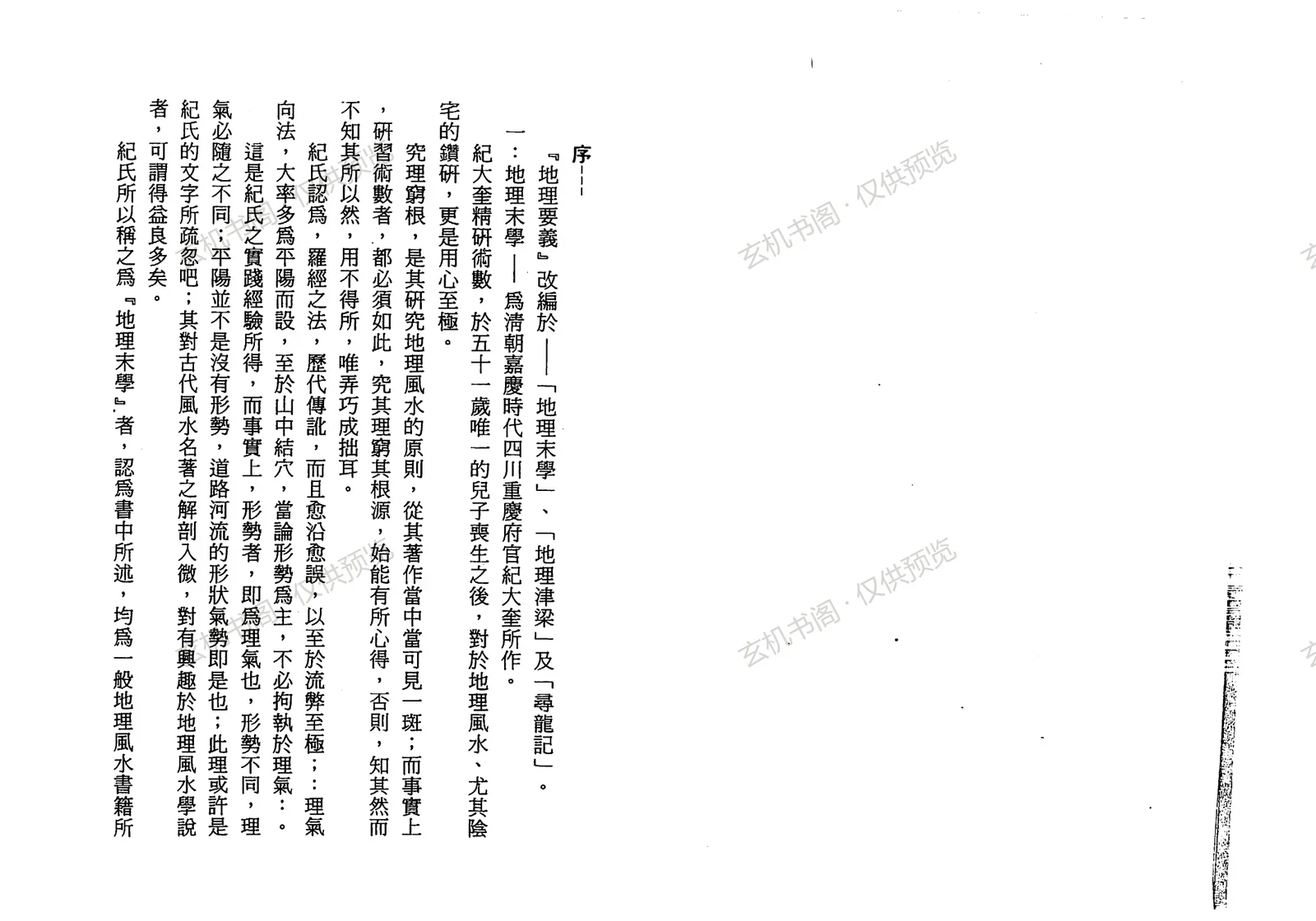
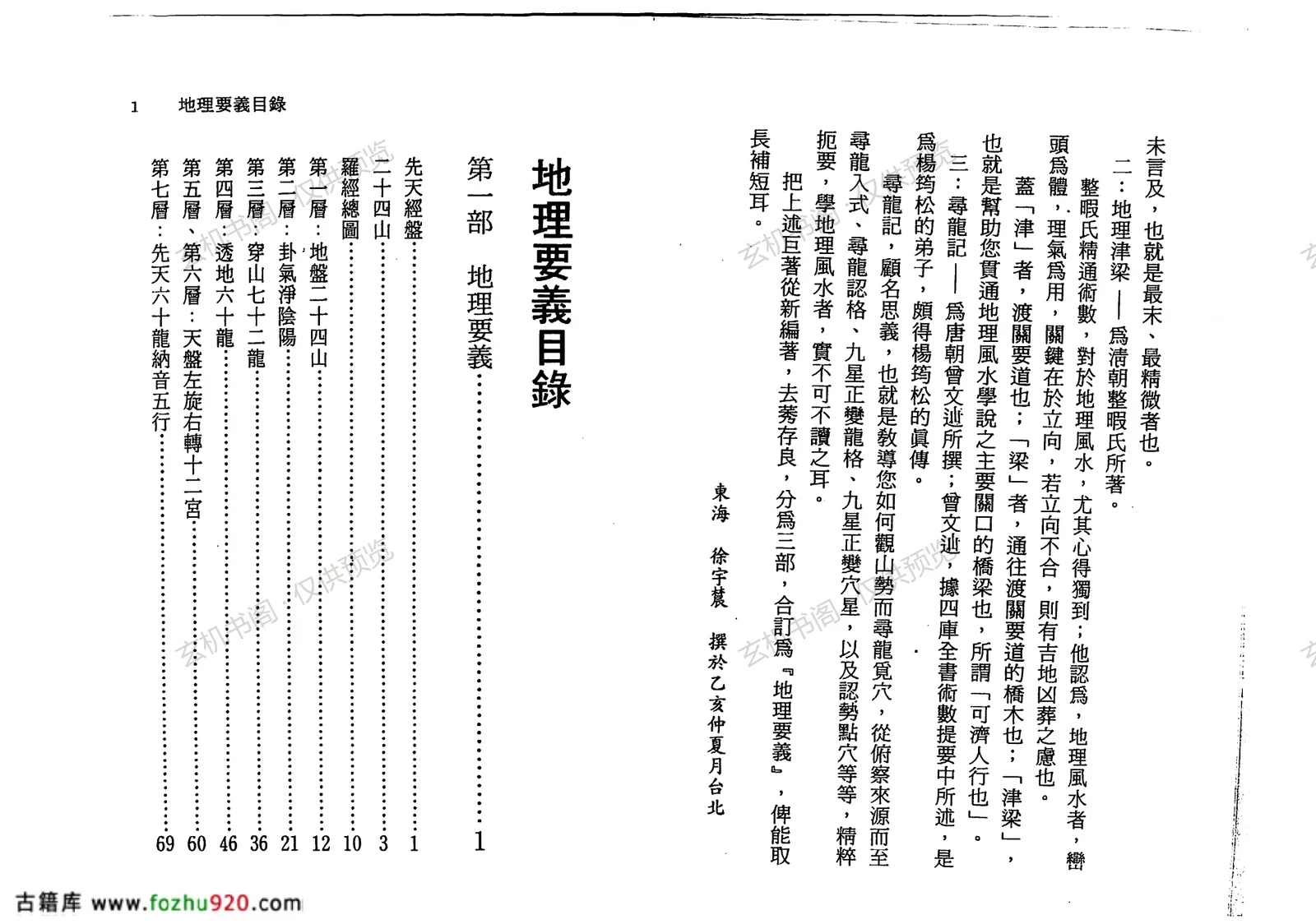
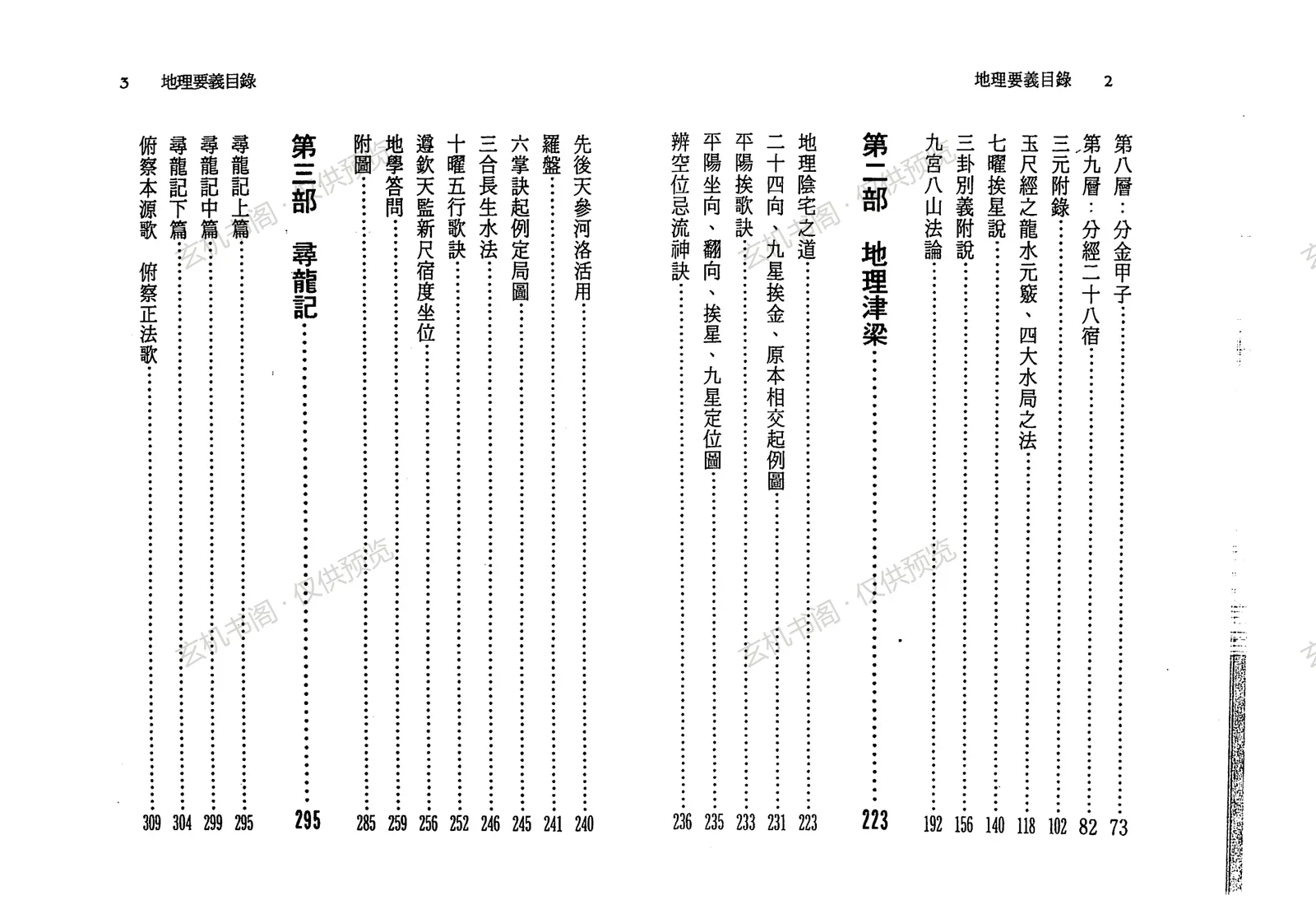
This modern compilation gathers three Fengshui writings by Qing scholar Ji Dakui: Dili Moxue, Dili Jinliang, and Xunlong Ji, edited by Xu Yukui. The preface notes that Ji devoted careful study to numerology and, after having a son at fifty-one, turned especially to geomancy, insisting that form is the substance and liqi the function. Part One lays out the Xiantian compass, the twenty-four mountains, and the layered luopan with penetrating and threading techniques, including the sixty dragons and their nayin elements. Part Two collects the Yuchi Jing, water-mouth methods, the four great water configurations, three-trigram distinctions, and nine-palace mountain methods, plus plain and marshland formulas. Part Three, the Xunlong Ji in three sections, covers recognizing dragons, reading mountain forms, spotting the acupoint, and assessing sand and water. With its table of contents and preface, the book balances liqi theory with practical form analysis and suits readers studying Sanhe Fengshui and luopan layer methods.
Contents
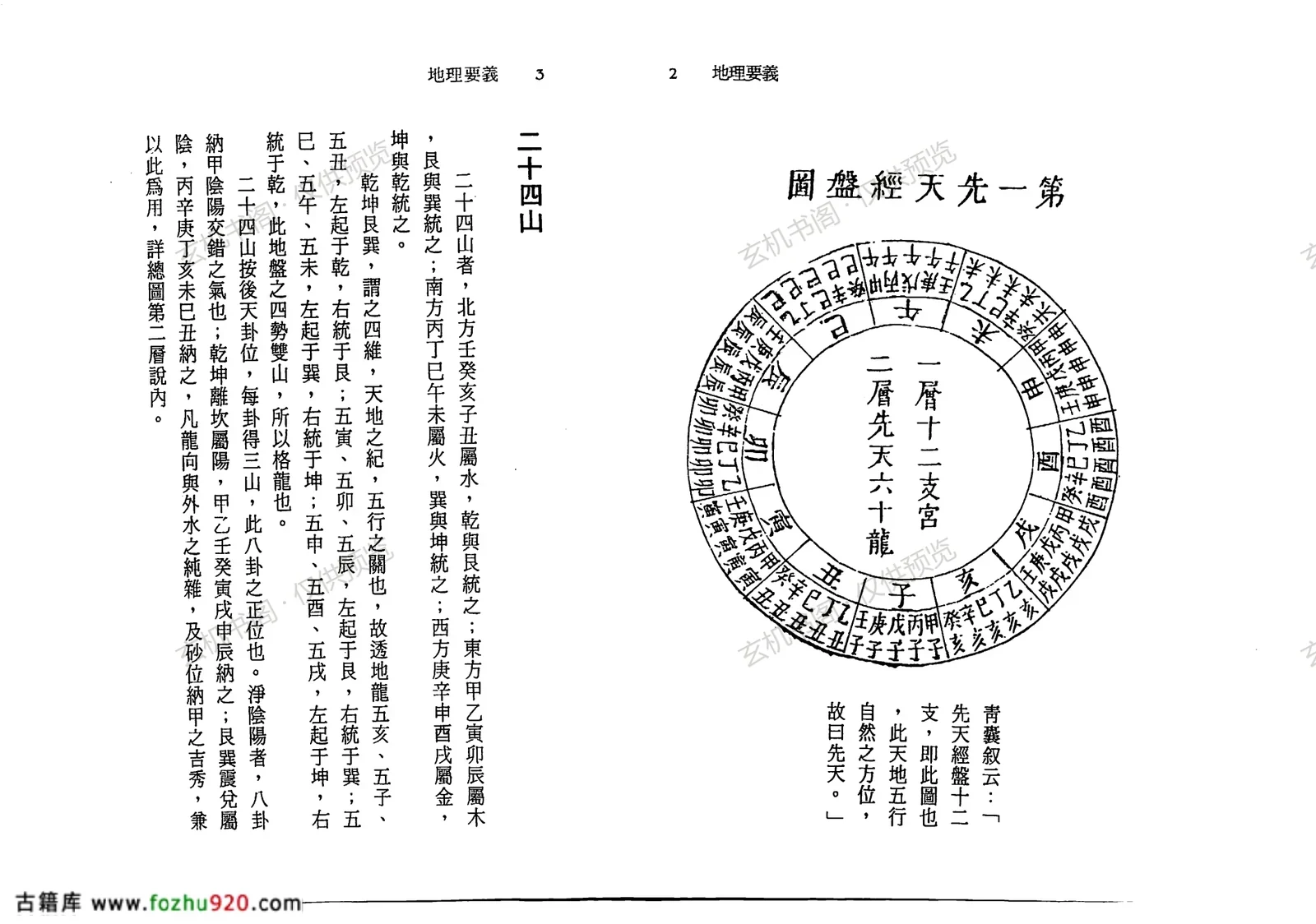
Part One: Xiantian compass, twenty-four mountains, luopan layers
Compass layers: rotating heaven plate, sixty-dragon nayin
Part Two: Yuchi Jing, water-mouth methods, four water configurations
Three-trigram distinctions, nine-palace methods, plain formulas
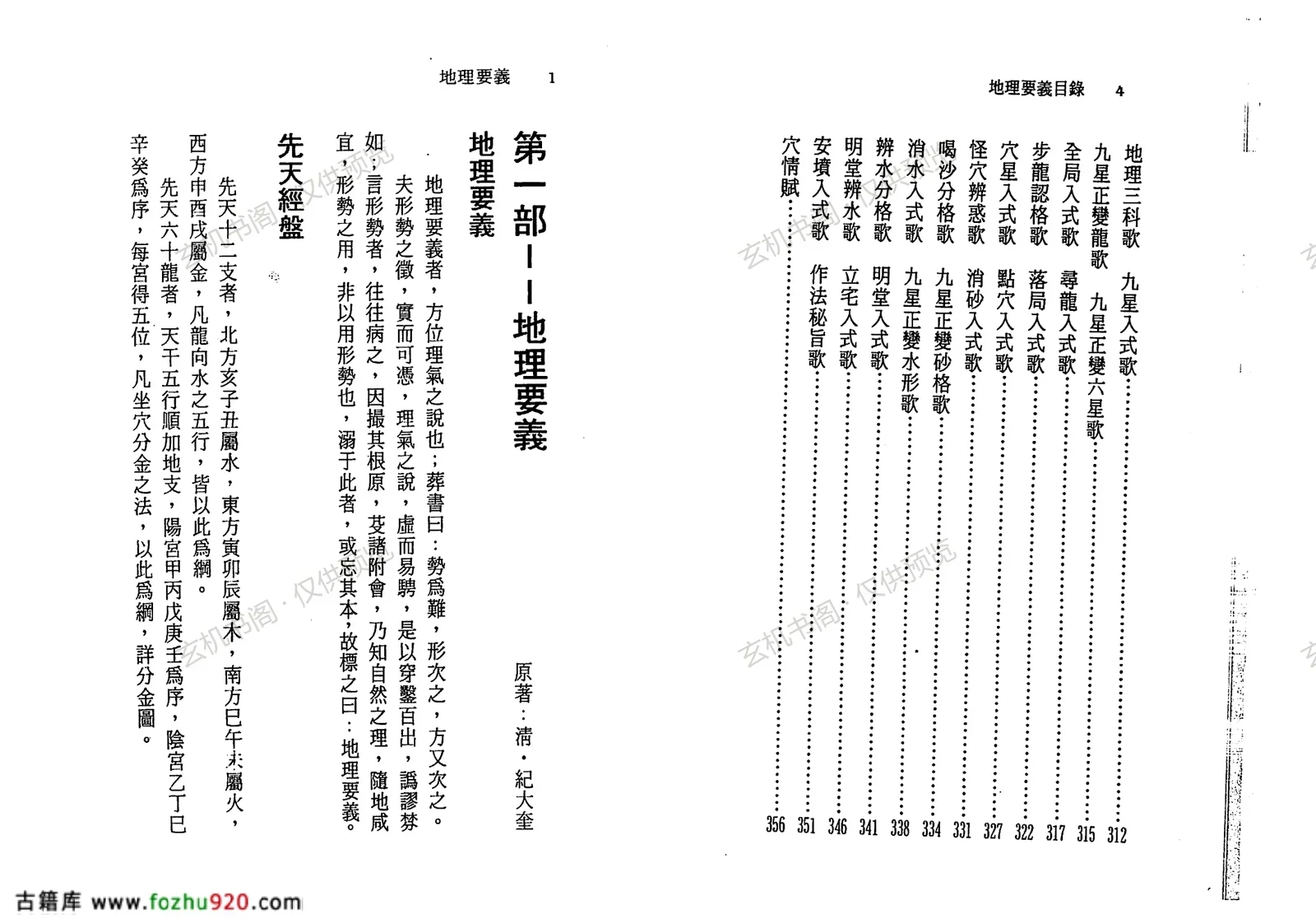
Part Three: Xunlong Ji on dragons, forms, and acupoints
Appendix: questions on earth studies, new ruler and degrees
Key Points
Combines Dili Moxue, Dili Jinliang, and Xunlong Ji in one volume
Stresses form as substance and liqi as function
Details luopan layers, twenty-four mountains, sixty-dragon nayin
Includes sanhe water methods and nine-palace mountain formulas
Xunlong Ji covers reading forms, patterns, and acupoints