Reading guide
Content guideOverview
This is the fourth lesson of a feng shui lecture series, spanning six pages of diagrams and oral-style commentary. It first contrasts two types of high-pressure dragon side: one continuous block that presses entirely on the dragon side, and one with a gap that also presses on the tiger side. From this it argues that pressure on both dragon and tiger sides causes severe mental strain, distinguishing 'dry depression' from pressure on the dragon and rear mountain from 'melancholy' from pressure on the tiger and bright hall. The middle section treats high-rise buildings pressing the bright hall as a guest overpowering the host, and reads ancestral and facing mountains in yin dwellings to judge unfilial descendants. The later pages use four mountain silhouettes to infer which sons' descendants will prosper, and a row of house positions to discuss backing and family support. The style is informal and diagram-driven, suited to readers with basic feng shui knowledge.
Contents
Comparison of two dragon-side pressure types
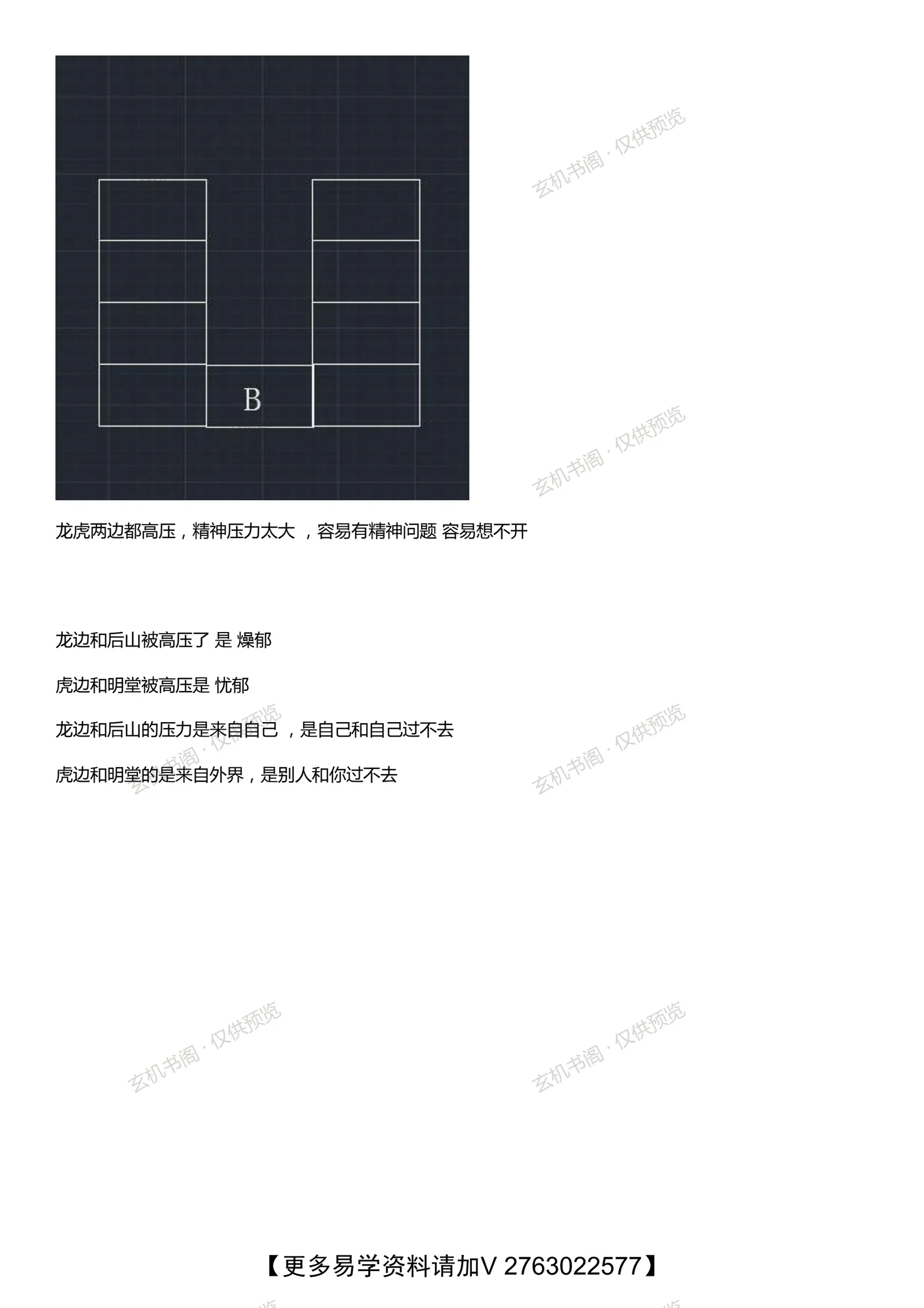
Mental effects of pressure on both sides
Dry depression versus melancholy pressure sources
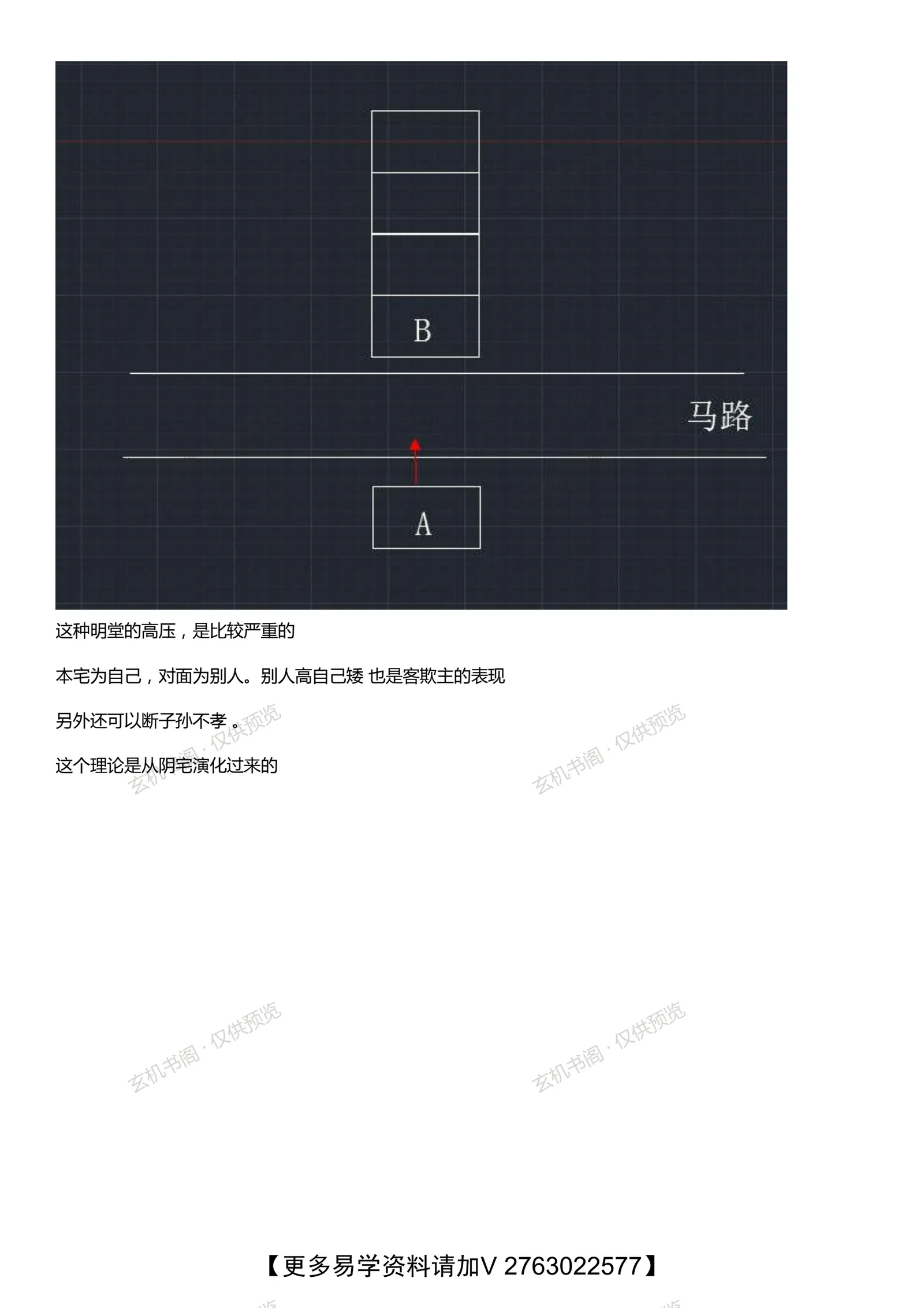
Bright hall pressure and guest-over-host
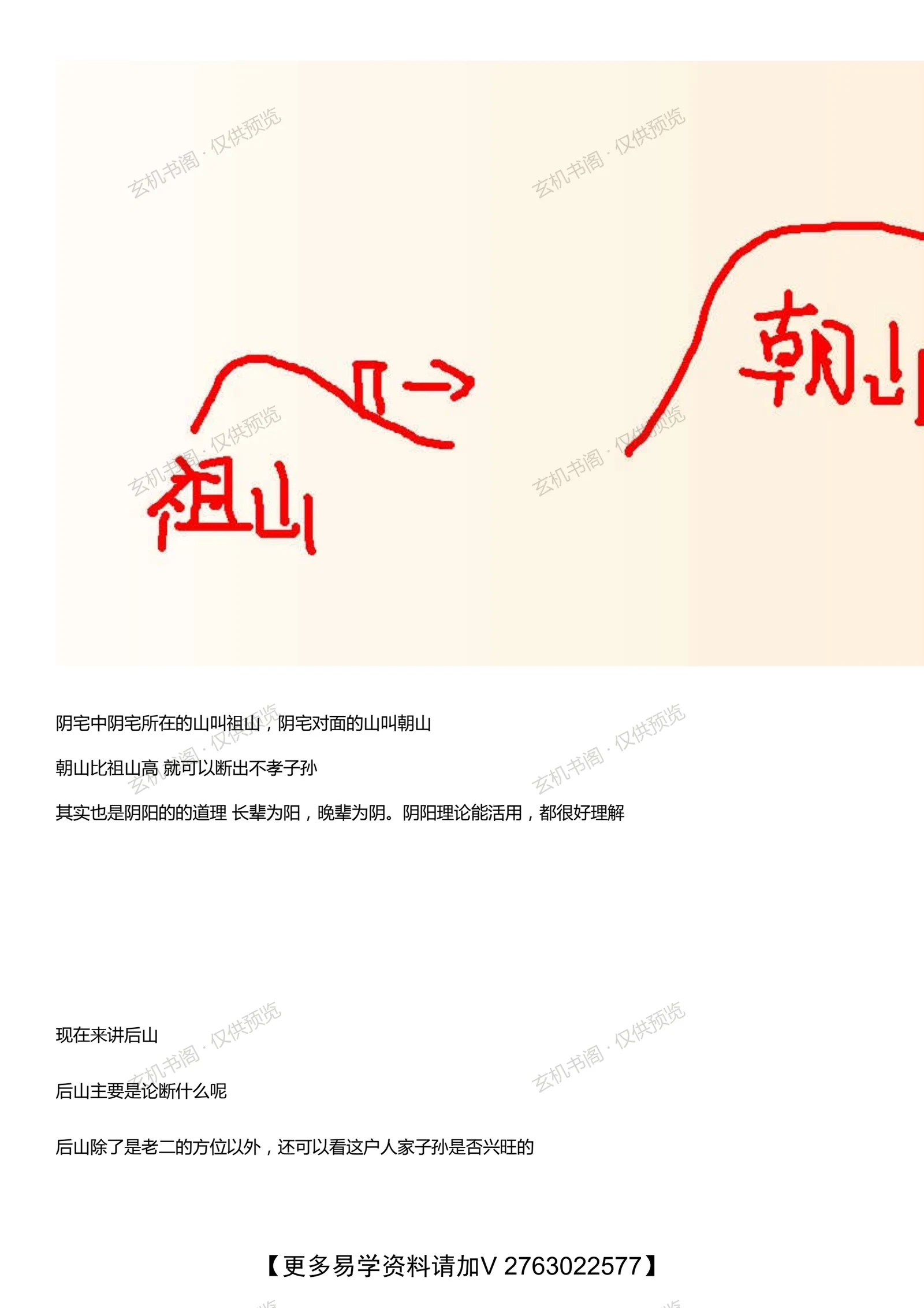
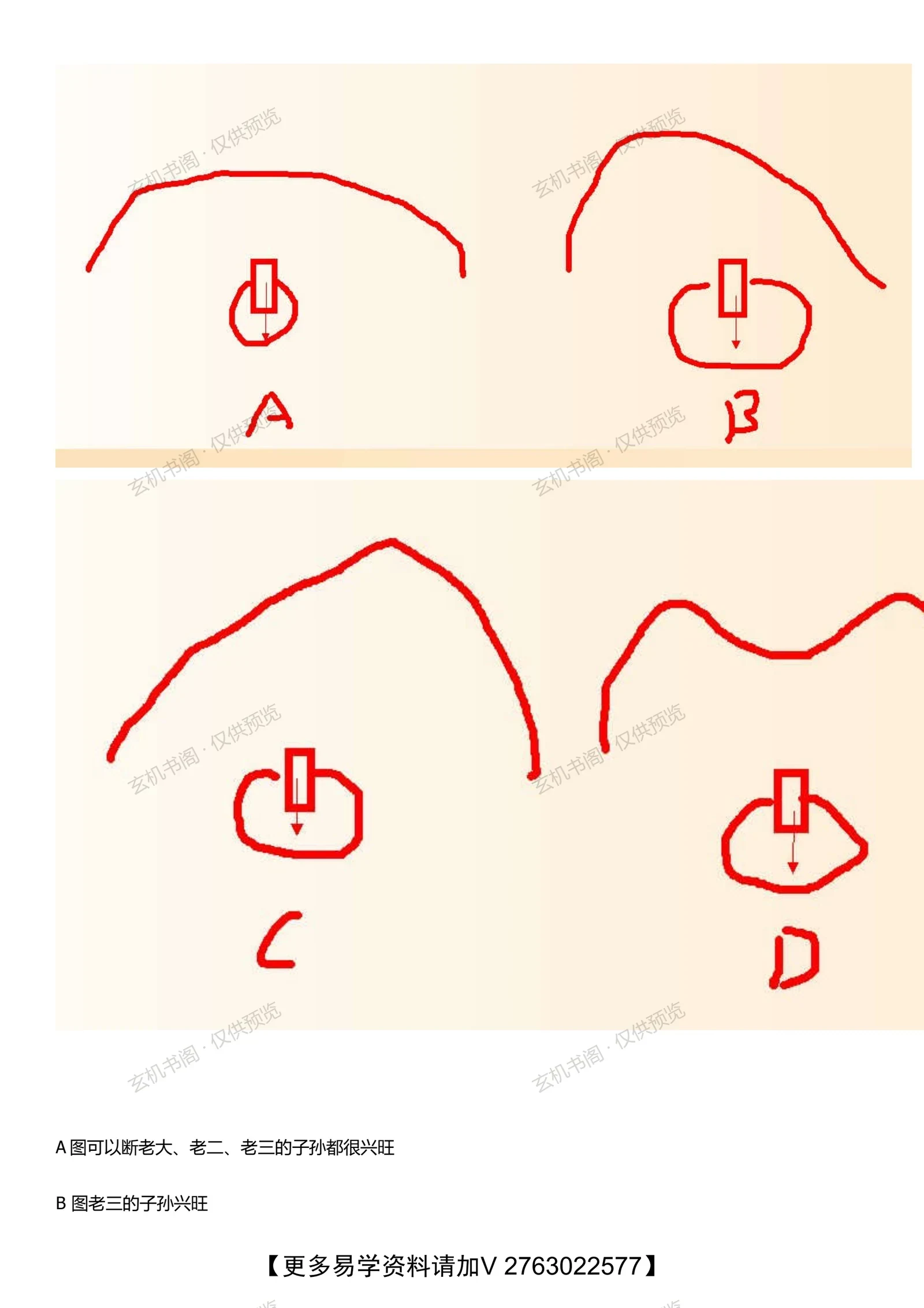
Ancestral, facing, and rear mountains judging descendants
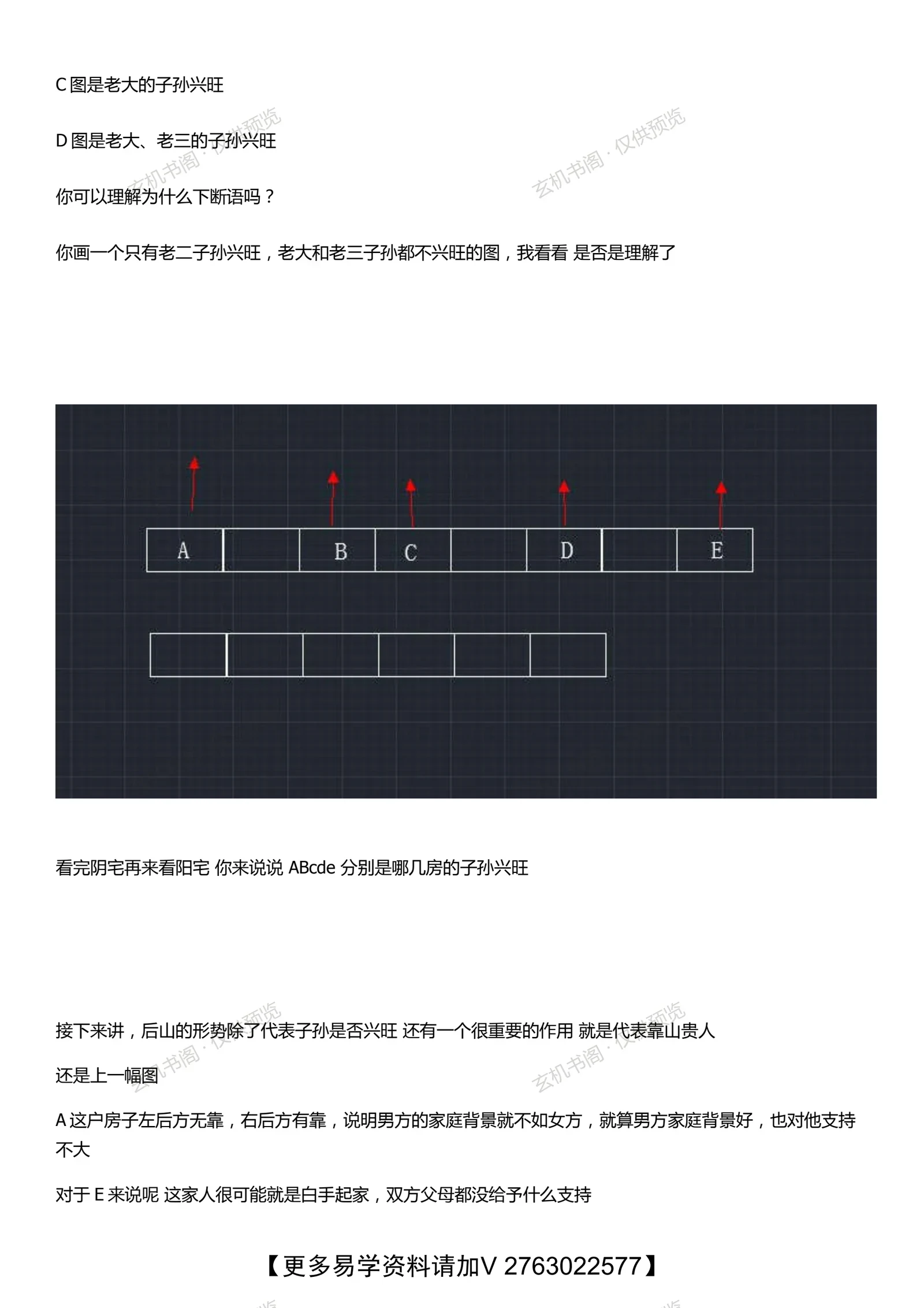
Rear mountain backing and family background
Key Points
Continuous versus gapped dragon-side pressure affects the tiger side differently.
Pressure on both sides indicates heavy mental strain.
Dragon and rear-mountain pressure means dry depression; tiger and bright-hall pressure means melancholy.
Bright hall pressure signals guest over host and unfilial descendants.
The rear mountain governs both descendants' prosperity and backing.