Reading guide
Content guideOverview
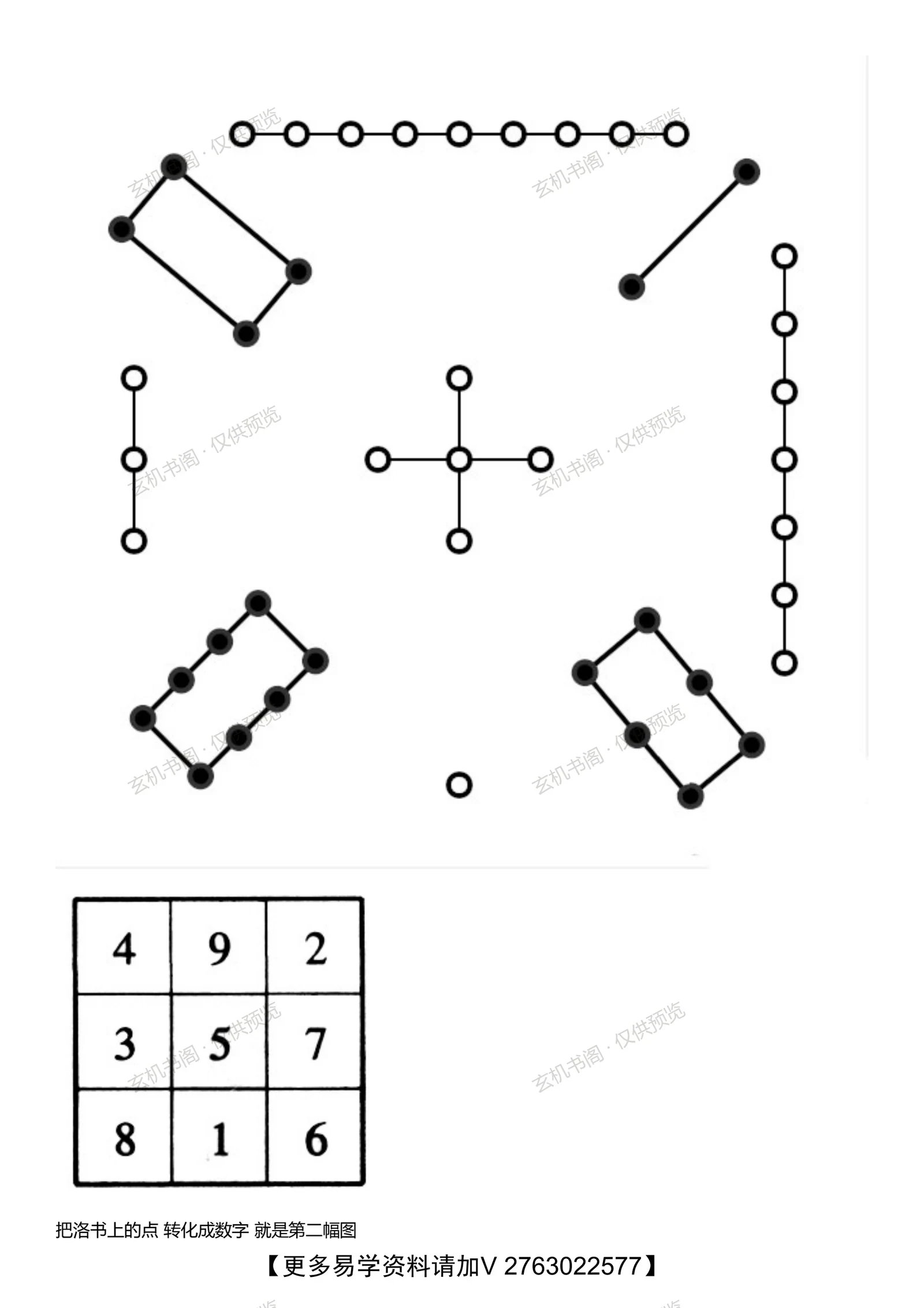
This is the fifth lesson of a fengshui course, focused on understanding the luopan and measuring orientation. It explains that for residential fengshui the eight trigrams and twenty-four mountains are sufficient, noting that each trigram covers 45 degrees and each mountain 15 degrees, and questions claims of one- to three-degree precision that cannot be verified. It then addresses magnetic declination, noting regional differences and the distinction between magnetic north and true north, and cites the Zhouli on using the earth gnomon to determine direction by solar shadow, as well as early records of the magnetic needle deviating toward bing. The lesson warns that reinforced concrete and electromagnetic fields in modern cities distort compass readings, so one should measure the building's orientation from an open area downstairs and then convert to the apartment's orientation, adding or subtracting 90 degrees when the door is at a right angle. It concludes by introducing the Hetu as the basis of form and the Luoshu nine palaces as the basis of liqi.
Contents
Basic understanding of the luopan, eight trigrams and twenty-four mountains
Debate over compass precision and feasibility of case verification
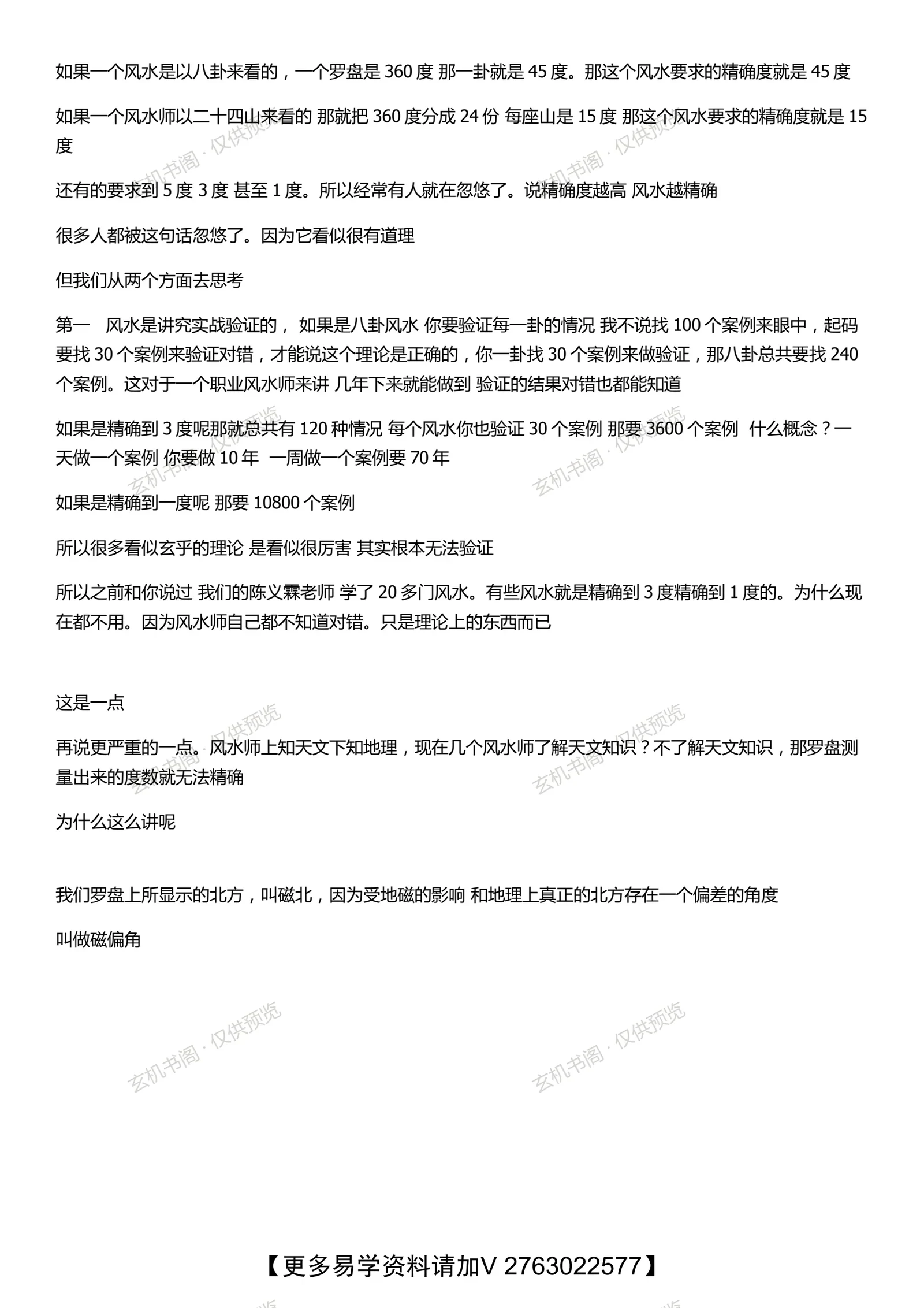
Magnetic declination, magnetic north and true north
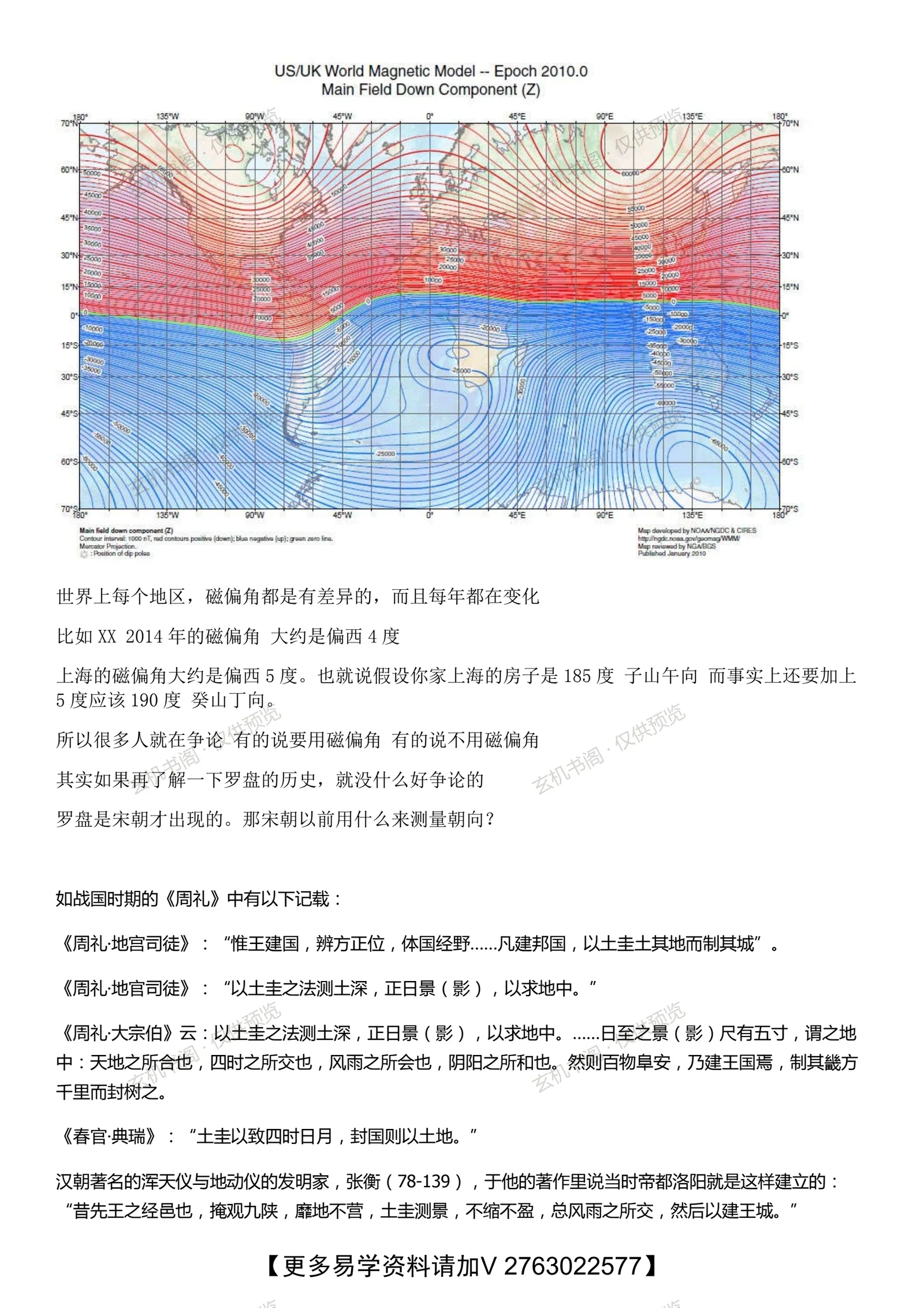
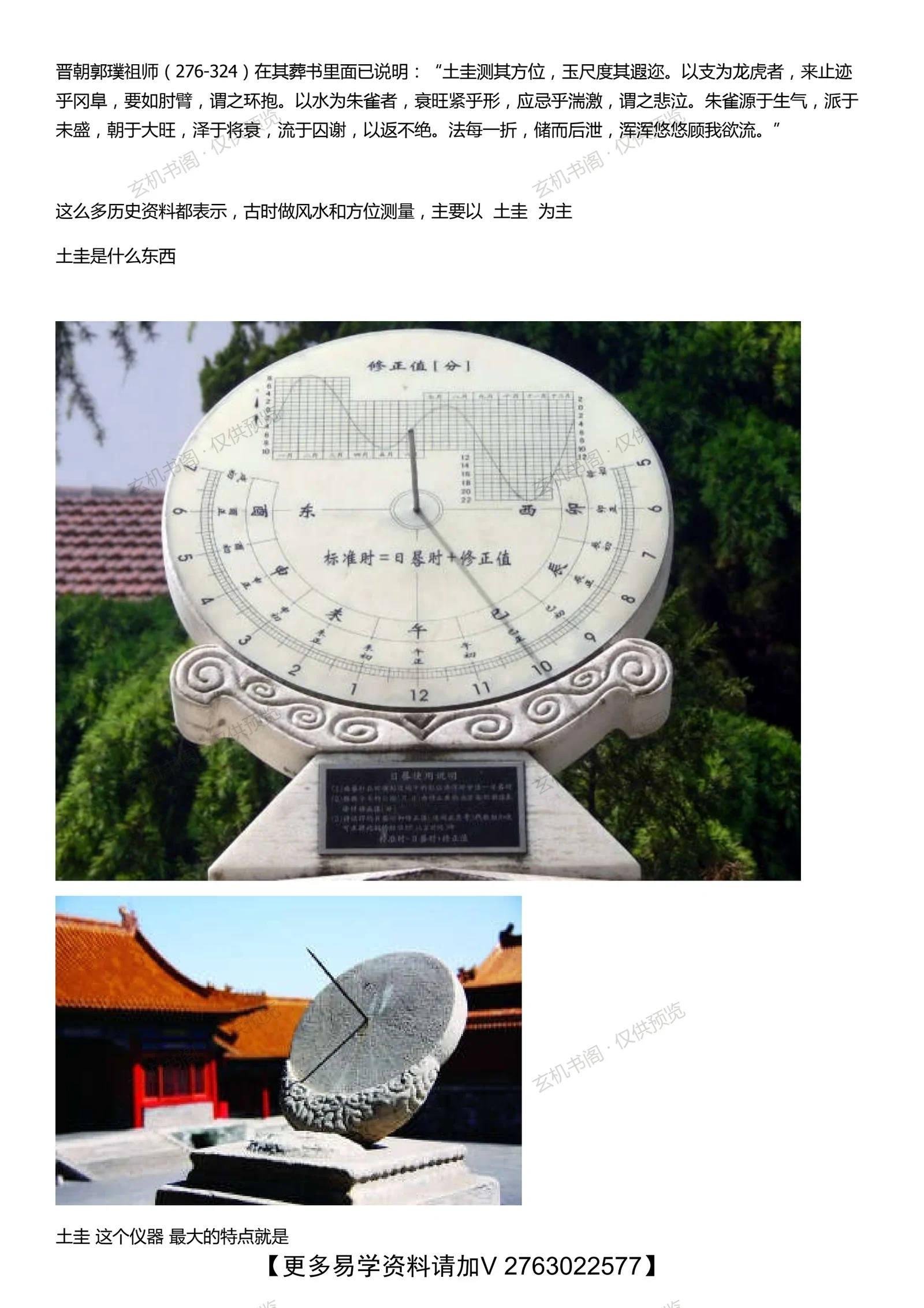
Earth gnomon orientation and related Zhouli records
Correct compass measurement in modern residential buildings
Hetu, Luoshu and their relation to form and liqi
Key Points
For residential fengshui, the eight trigrams and twenty-four mountains are sufficient
Compass degrees are affected by magnetic declination and must be corrected
Ancient orientation used solar shadows with the earth gnomon, free of magnetic interference
In cities, measure the whole building first, then convert to the apartment
Hetu underlies form methods; Luoshu nine palaces underlie liqi