Reading guide
Content guideOverview
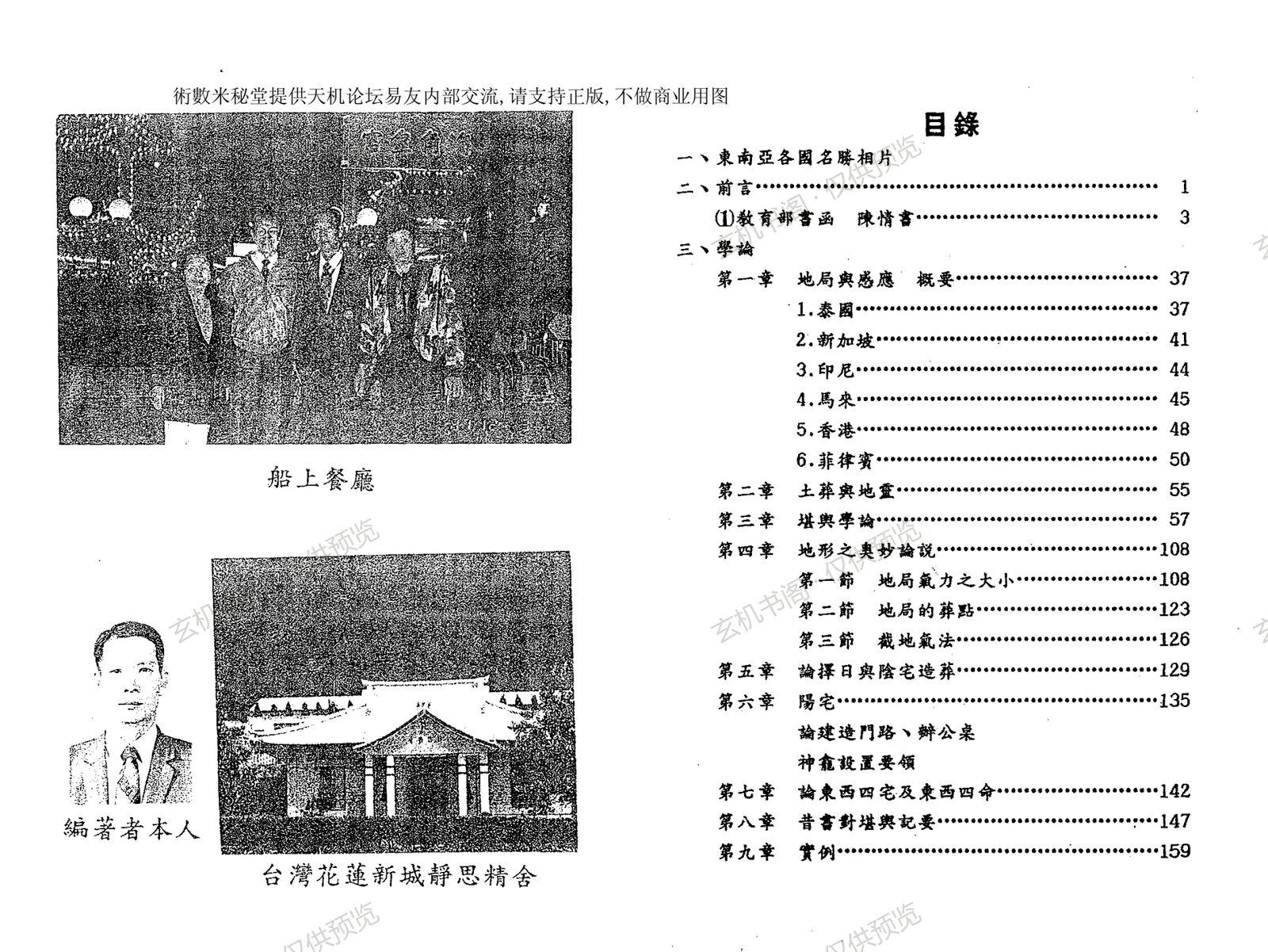
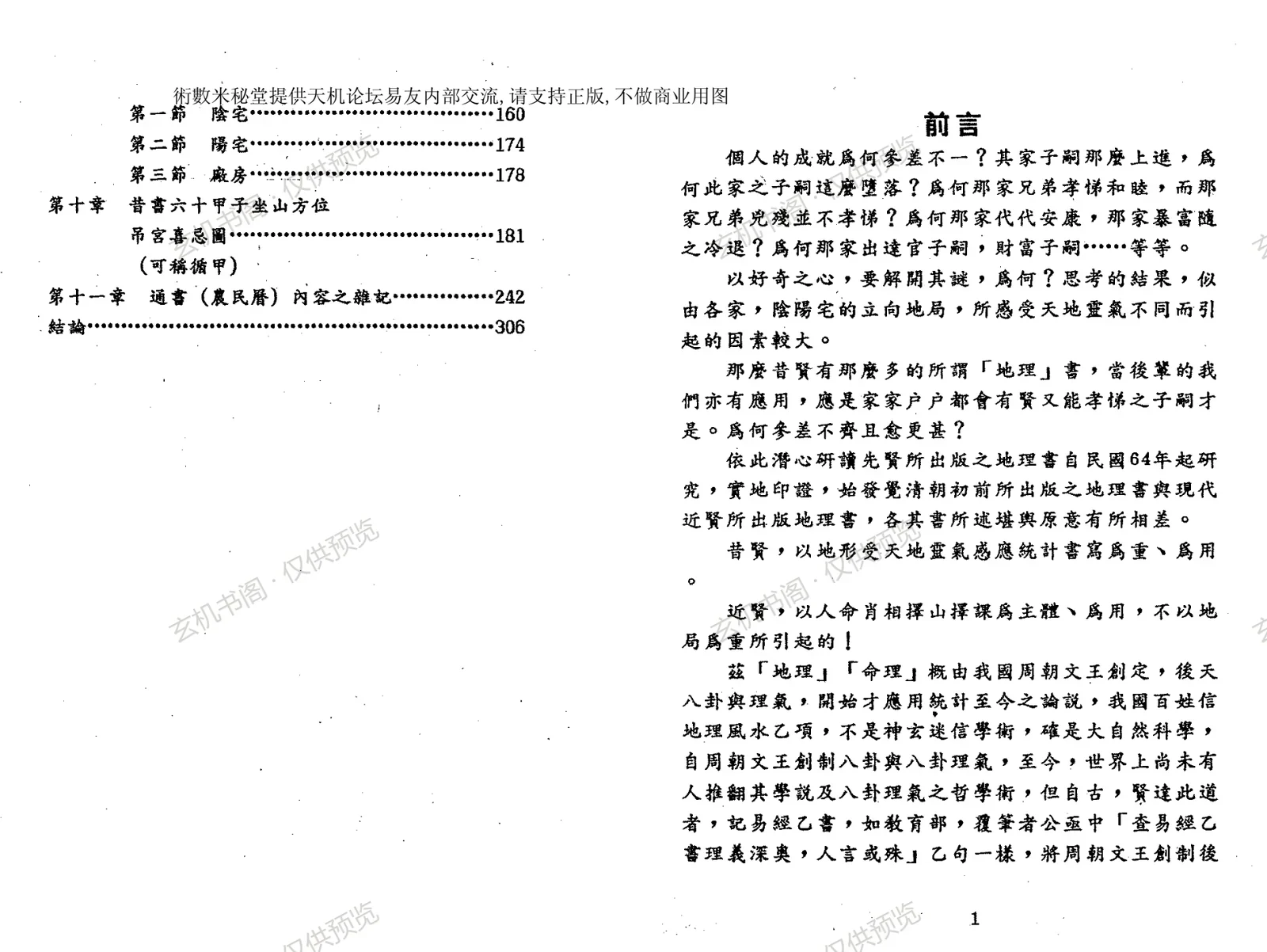
Compiled by Zhang Qinghe and printed by Ruicheng Publishing, Terrain and Life centers on the idea of 'site formation and resonance.' The visible table of contents and preface show a progression from photographs of famous sites in Thailand, Singapore, Indonesia, Malaysia, Hong Kong and the Philippines, to chapters on burial methods and earth energy, general feng shui theory, the subtleties of terrain (strength of site qi, identifying points, methods of drawing earth qi), date selection and yin dwelling burial, yang dwellings (gate paths, office desks, shrine placement), east-west four dwellings and four destinies, old texts on sealing pagodas, and case studies. Later chapters cover the sixty jiazi sitting-mountain directions, palace-alternation charts, and notes on almanac content. The preface asks why individual and family fortunes differ so widely, attributing it to the different heavenly and earthly qi received by yin and yang dwelling orientations, and criticizes modern practitioners who emphasize zodiac-based site and date selection over site formation. Illustrated with photographs and examples, the book suits readers interested in field feng shui, burial and dwelling layout, and traditional date selection.
Contents
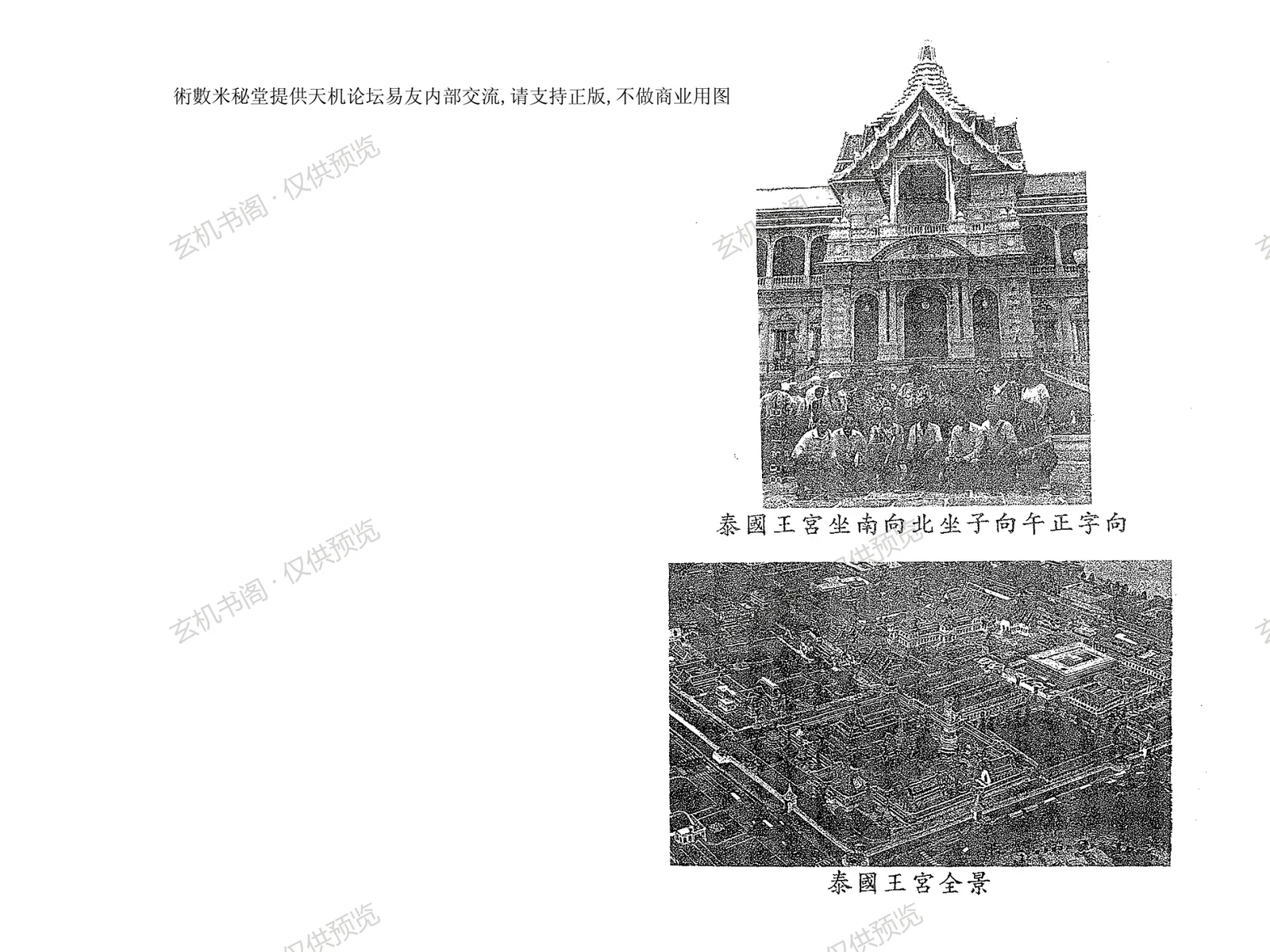
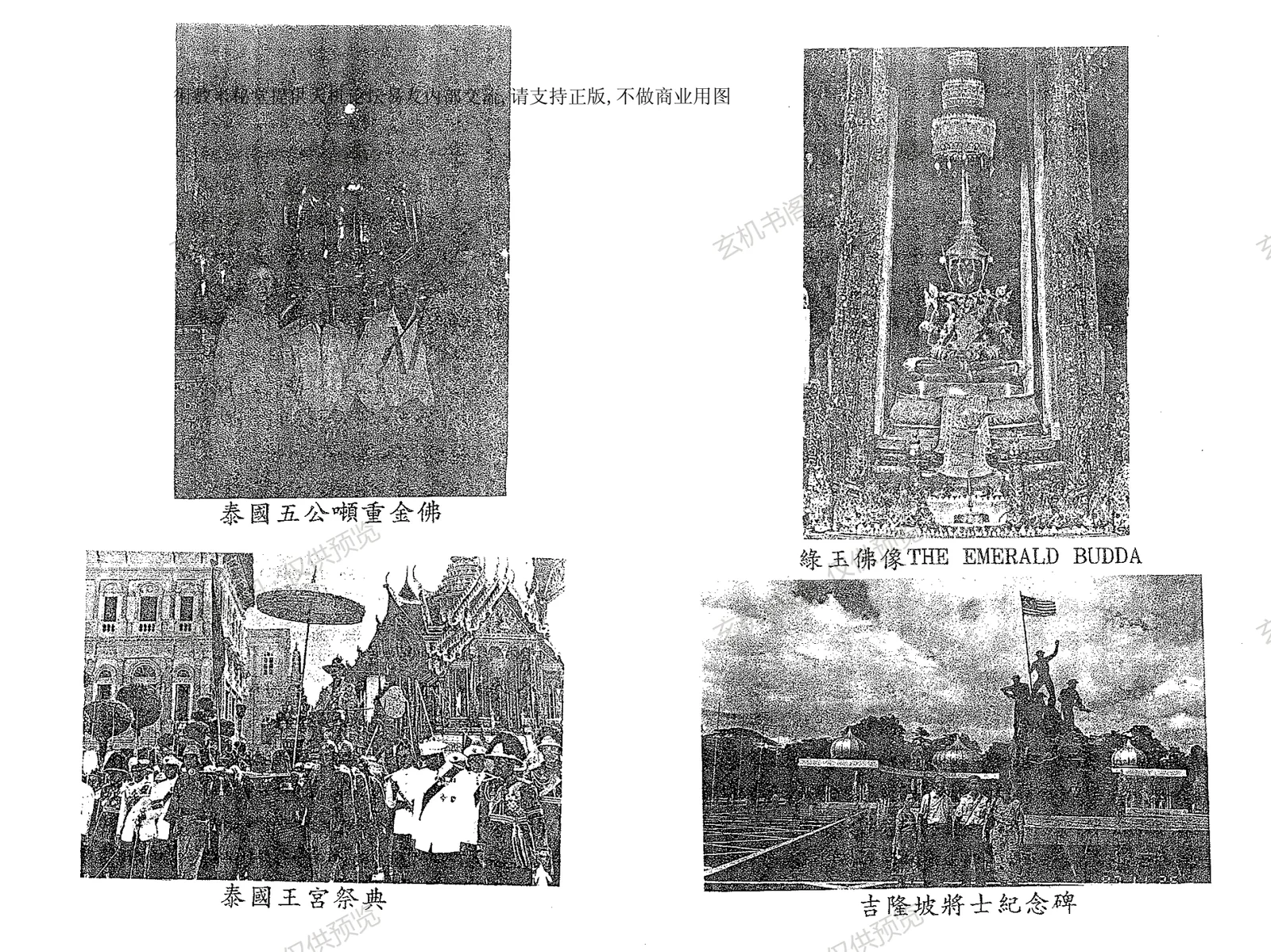
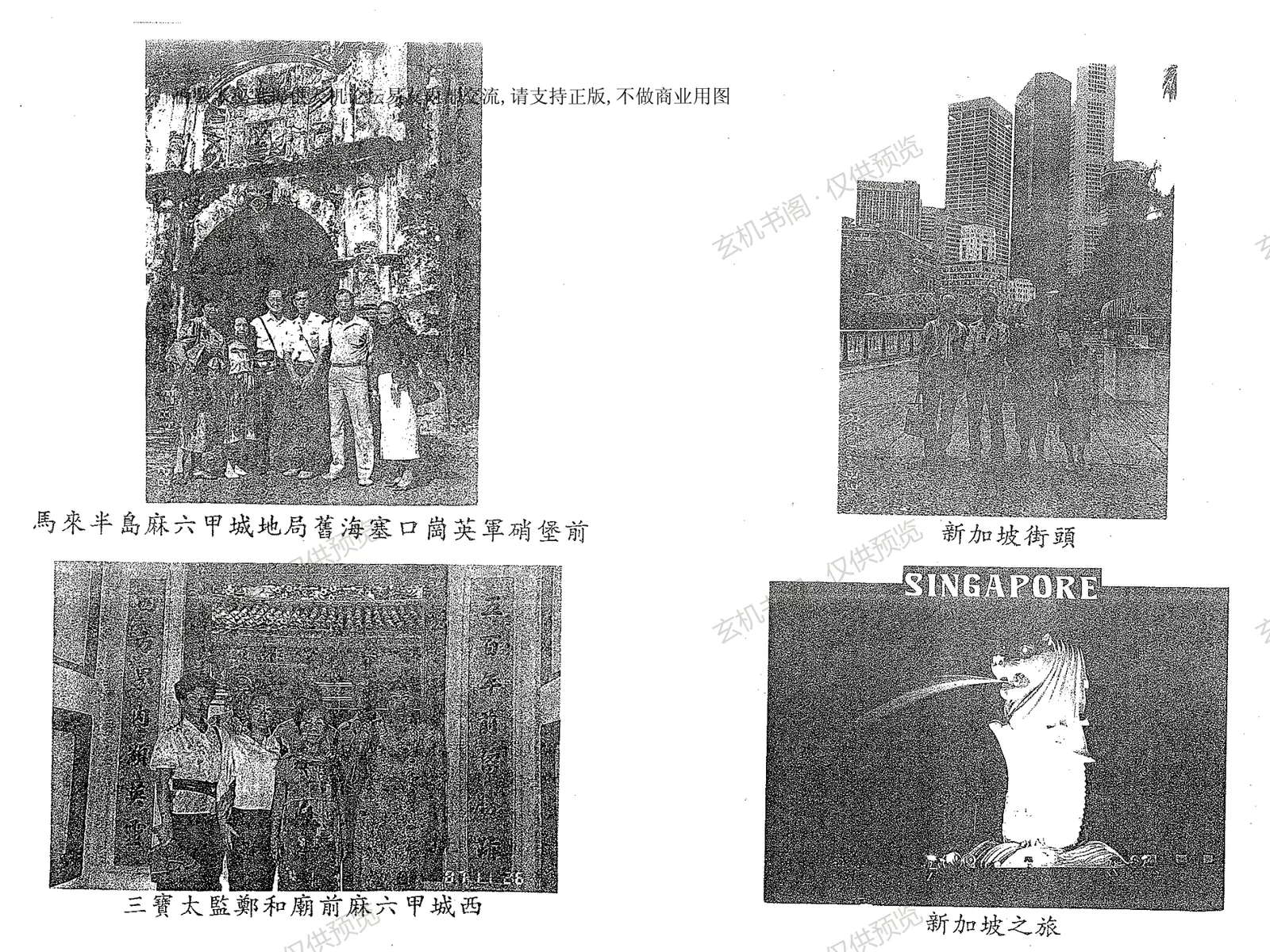
Photographs of Southeast Asian landmarks
Preface and theory: site formation and resonance
Burial methods and earth energy; feng shui theory
Subtleties of terrain: qi strength, points, drawing qi
Date selection and yin dwelling burial
Yang dwellings: gate paths, desks, shrines
East-west four dwellings and four destinies; cases
Sixty jiazi sitting directions, palace charts, almanac notes
Key Points
Uses field photos from Southeast Asia and Hong Kong-Taiwan to illustrate site-fortune resonance.
Stresses that terrain receives heavenly and earthly qi, criticizing zodiac-only site and date selection.
Covers concrete layouts for yin dwellings, yang dwellings, gate paths, desks and shrines.
Includes east-west four dwellings, four destinies, sixty jiazi sitting directions and palace-alternation charts.
Final chapters discuss almanac (nongli) content as a date-selection reference.