Reading guide
Content guideOverview
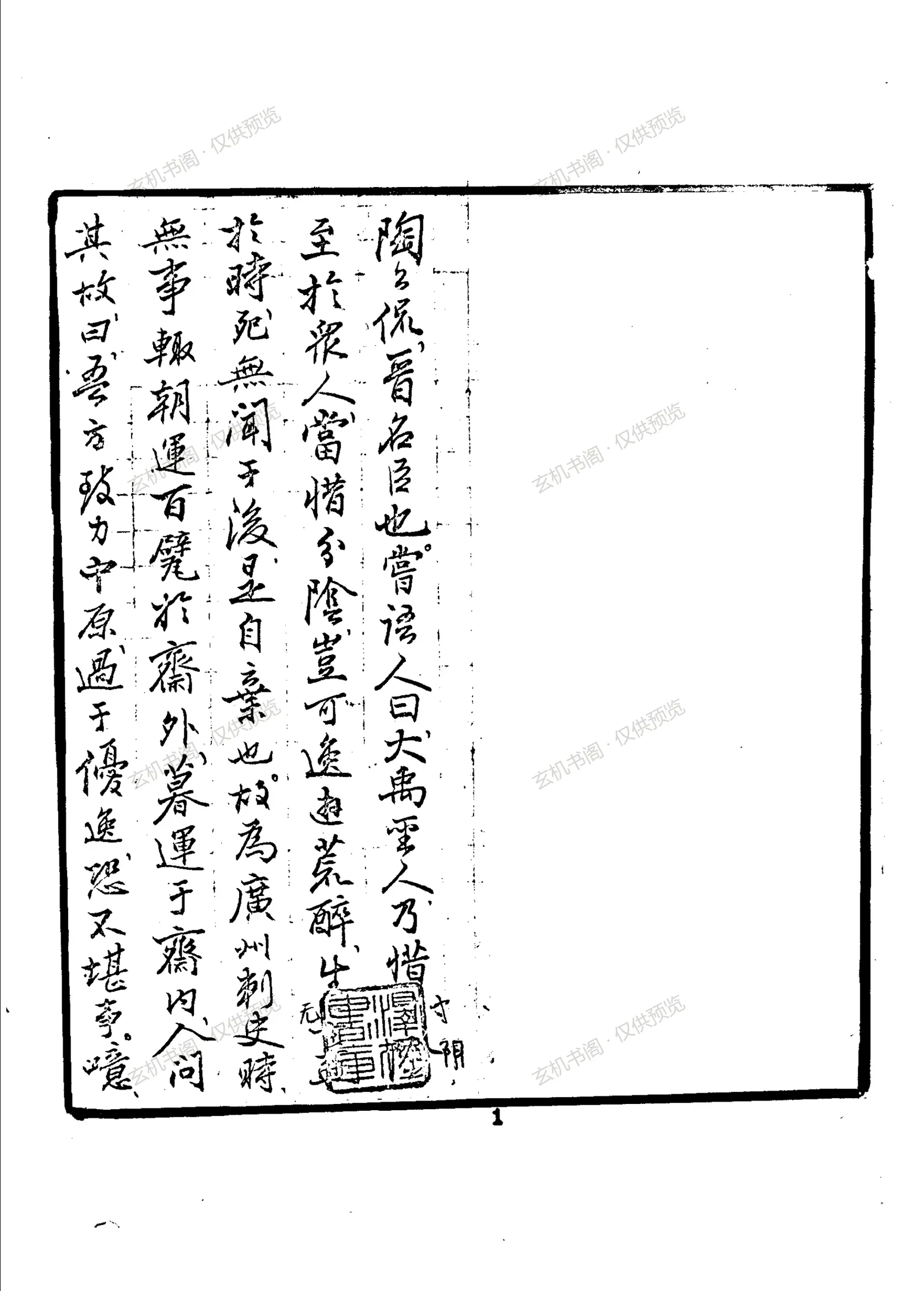
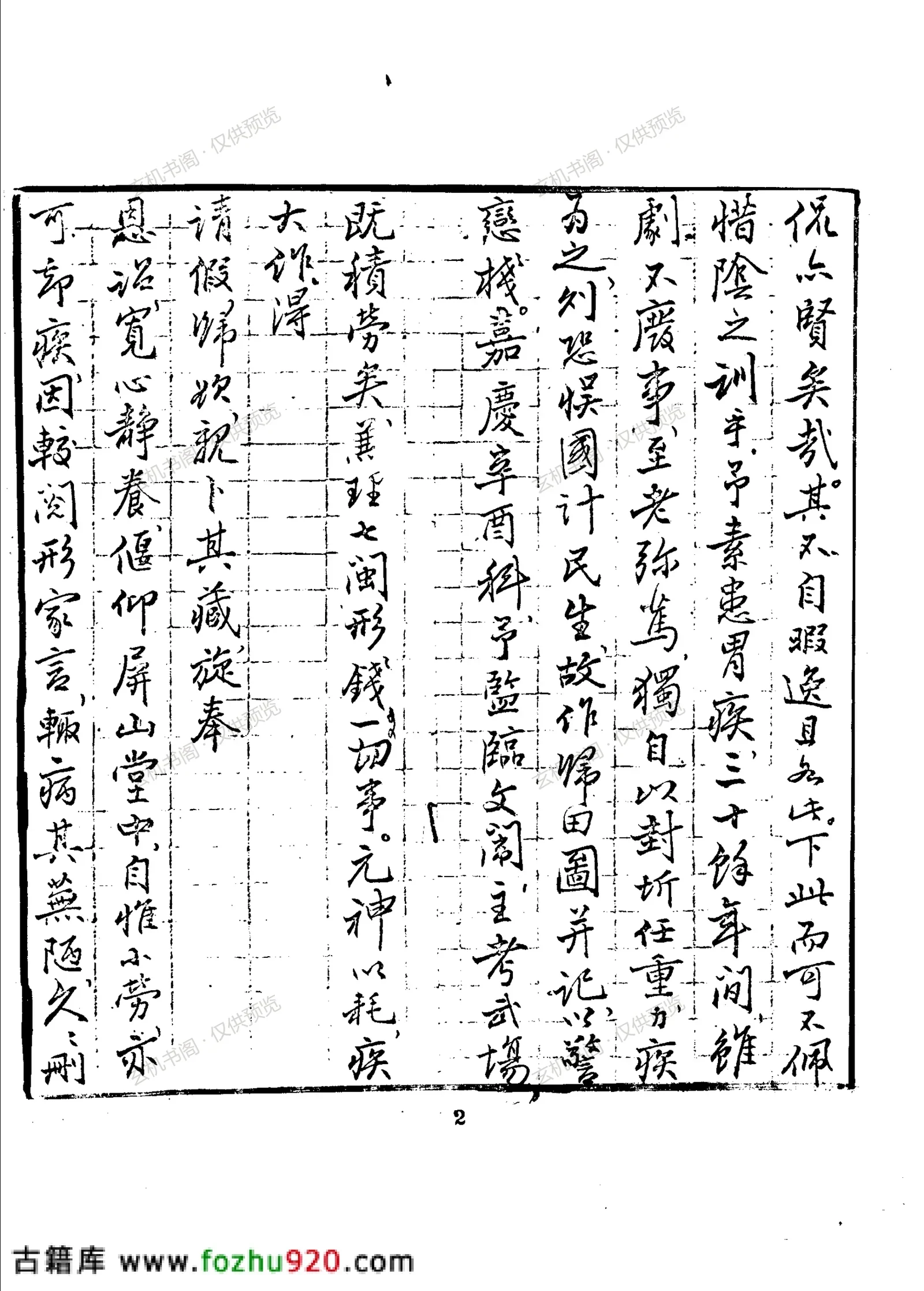
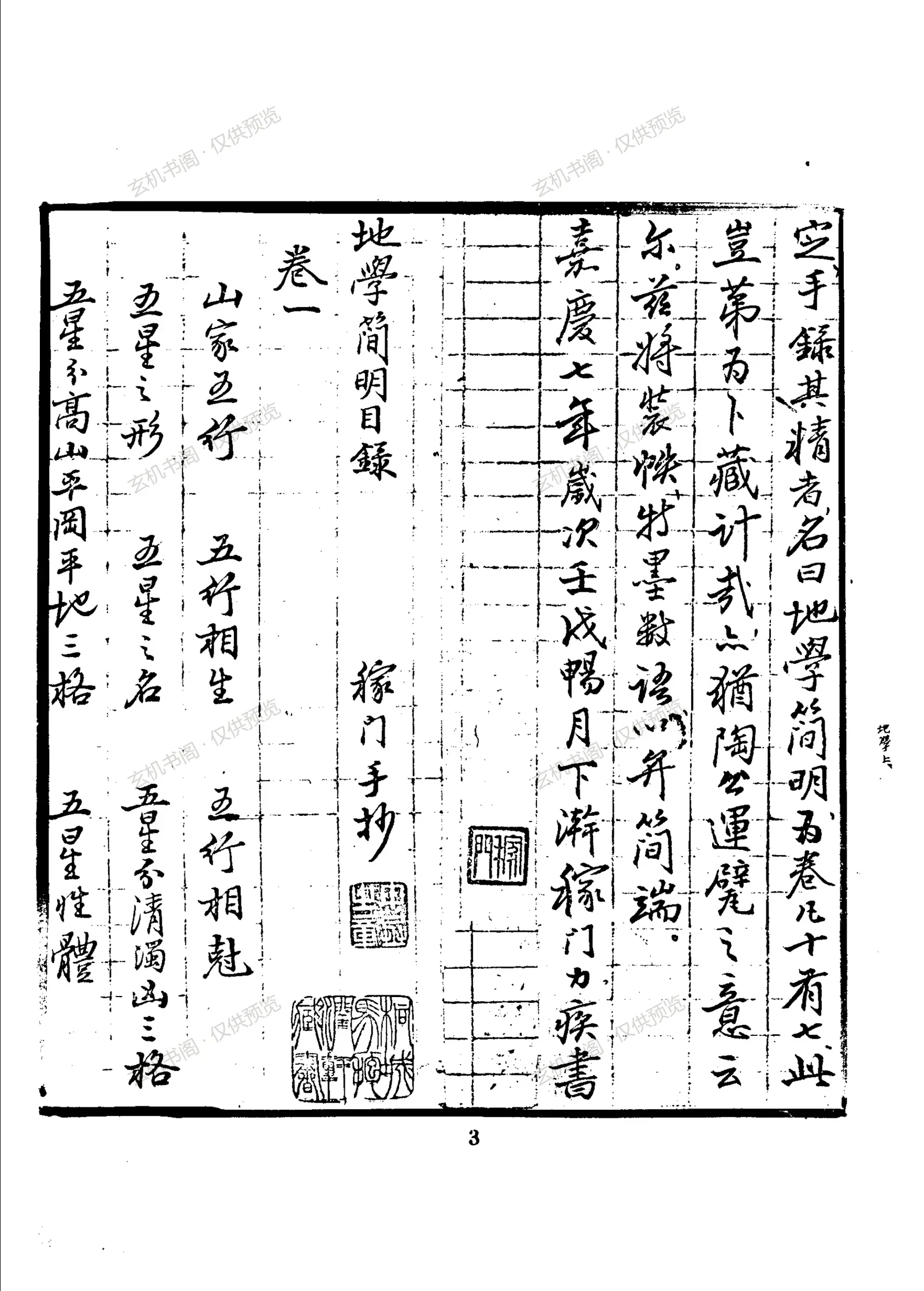
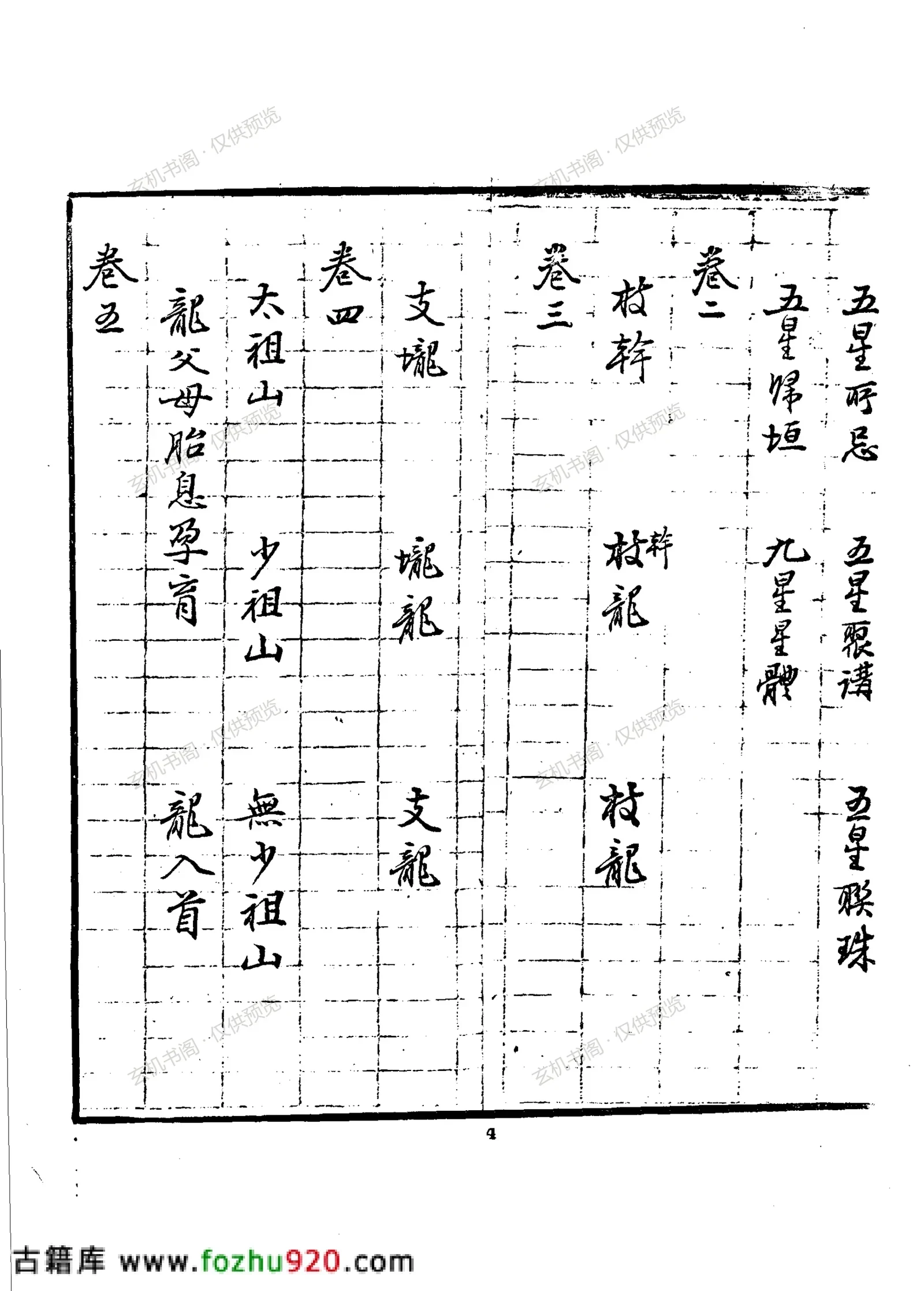
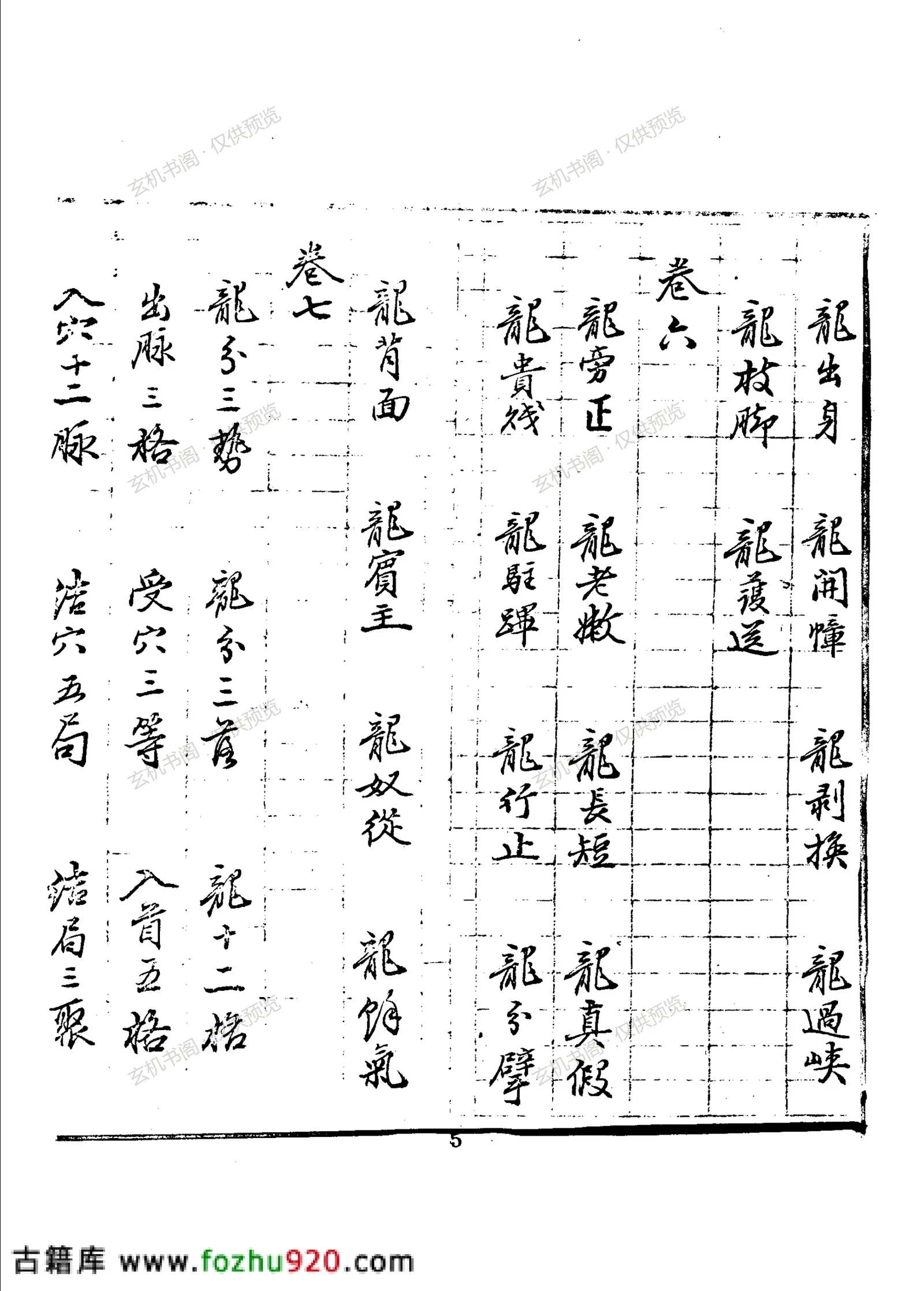
Dixue Jianming (Concise Earth Studies) is a seventeen-volume manuscript on Form School feng shui, compiled and edited by Wang Zhiyi in the Qing dynasty from a handwritten copy dated to the seventh year of the Jiaqing reign. The preface explains that Wang, dissatisfied with the clutter and crudeness of earlier geomantic writings, undertook to distill the essentials of the Form School (xingjia) into a concise manual. The work centers on the Five Stars (wuxing) as metaphors for mountain shapes, discussing their forms, names, mutual generation and overcoming, and their nature and body. It distinguishes three terrain types—high mountains, sloping ridges, and flat plains—and catalogs what the Five Stars avoid, along with assemblies, enclosures, the nine-star bodies, and linked pearls. Subsequent volumes treat branches and trunks, branch dragons and their feet, great and lesser ancestor mountains, the dragon's parents, gestation, and entry, the three configurations, three falls, and three marvels of dragons, the three grades of outgoing veins, the three ranks of receiving acupoints, and the five entry patterns. Further sections examine the dragon's back and face, host and guest, servants and followers, true and false, noble and base, strong and weak, old and tender, long and short, movement and rest, and the various acupoint layouts. The text is systematic and concise, making it valuable for studying Qing Form School theory and manuscript transmission.
Contents
Opening chapters: Five Stars, five phases, and three terrain types
Vol. 1: mountain-family five phases and the nature of the Five Stars
Vol. 2: star assemblies, enclosures, and nine-star bodies
Vol. 3: trunks, branches, and branch-dragon feet
Vol. 4: great ancestor, lesser ancestor, and absent ancestor mountains
Vol. 5: dragon parents, gestation, and dragon entry
Vol. 6: dragon origin, opening canopies, and transformations
Vol. 7: three configurations, three falls, three marvels, and outgoing veins
Key Points
Uses the Five Stars and five phases to classify mountain forms into high, sloping, and flat terrain.
Traces dragon methods from ancestor mountains through entry and acupoint formation.
Emphasizes distinguishing a dragon's back and face, host and guest, true and false, noble and base.
Covers branches, branch feet, outgoing veins, and acupoint reception in practical detail.
A Qing handwritten recension valuable both as a geomantic text and as calligraphy.