Reading guide
Content guideOverview
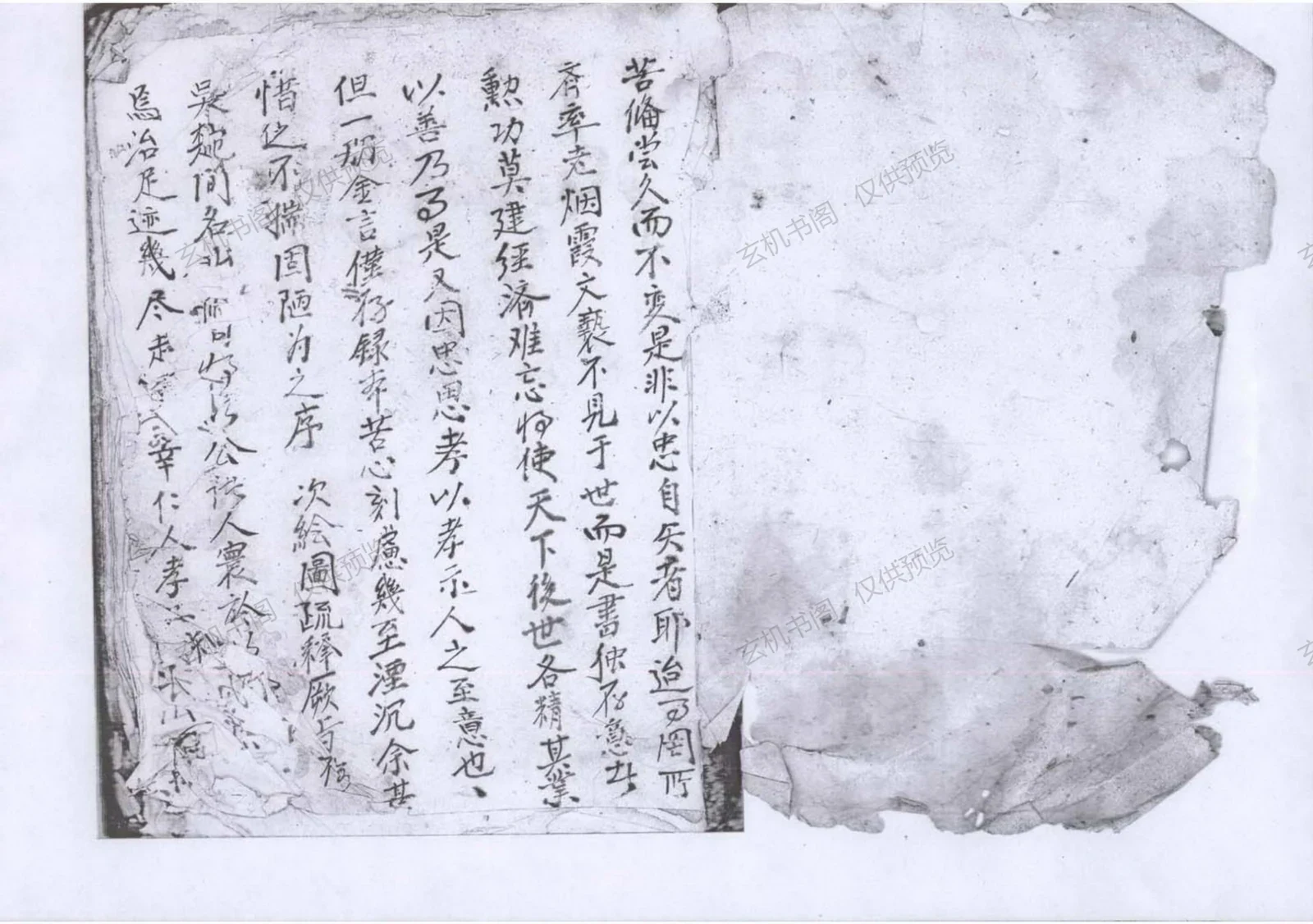
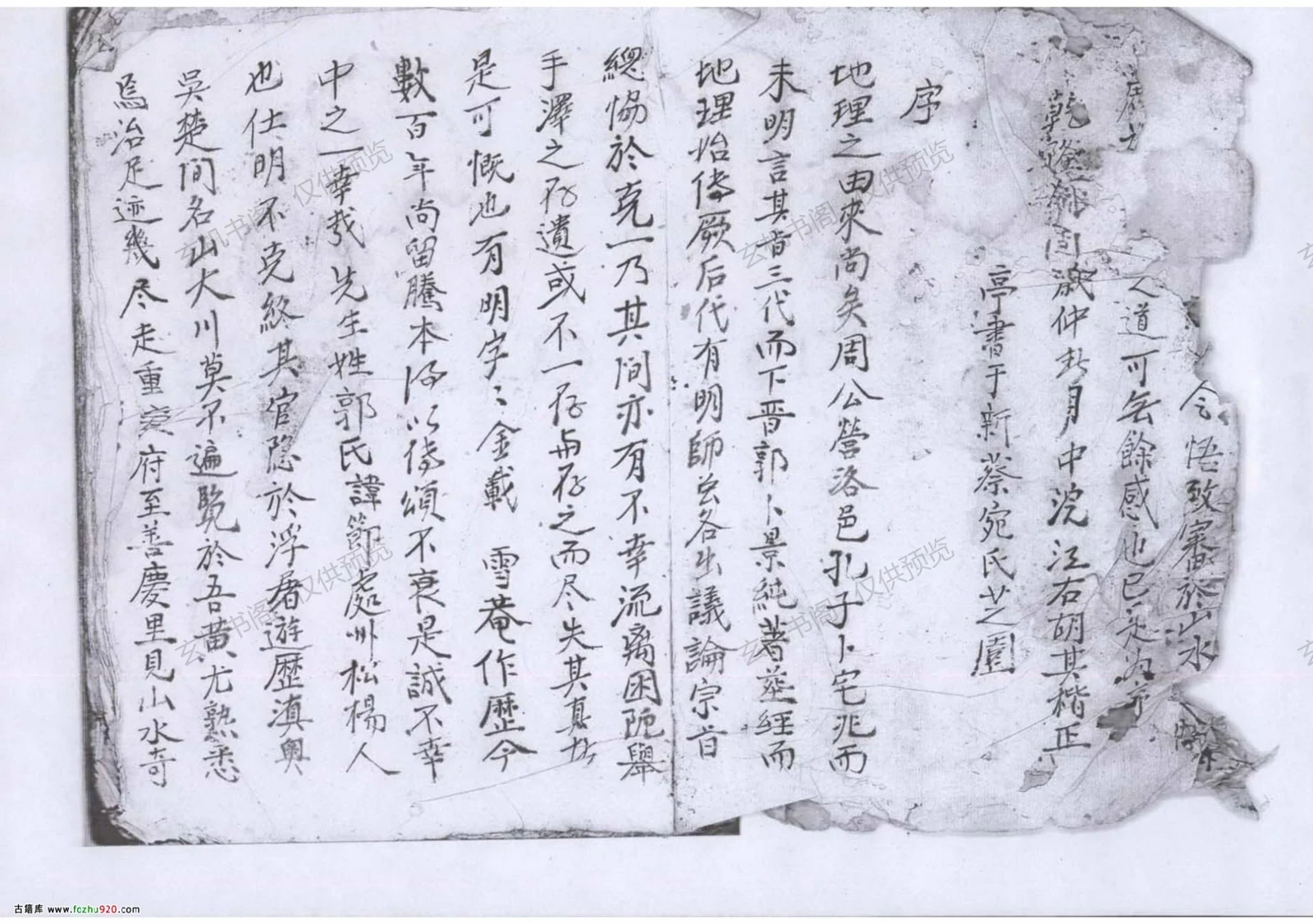
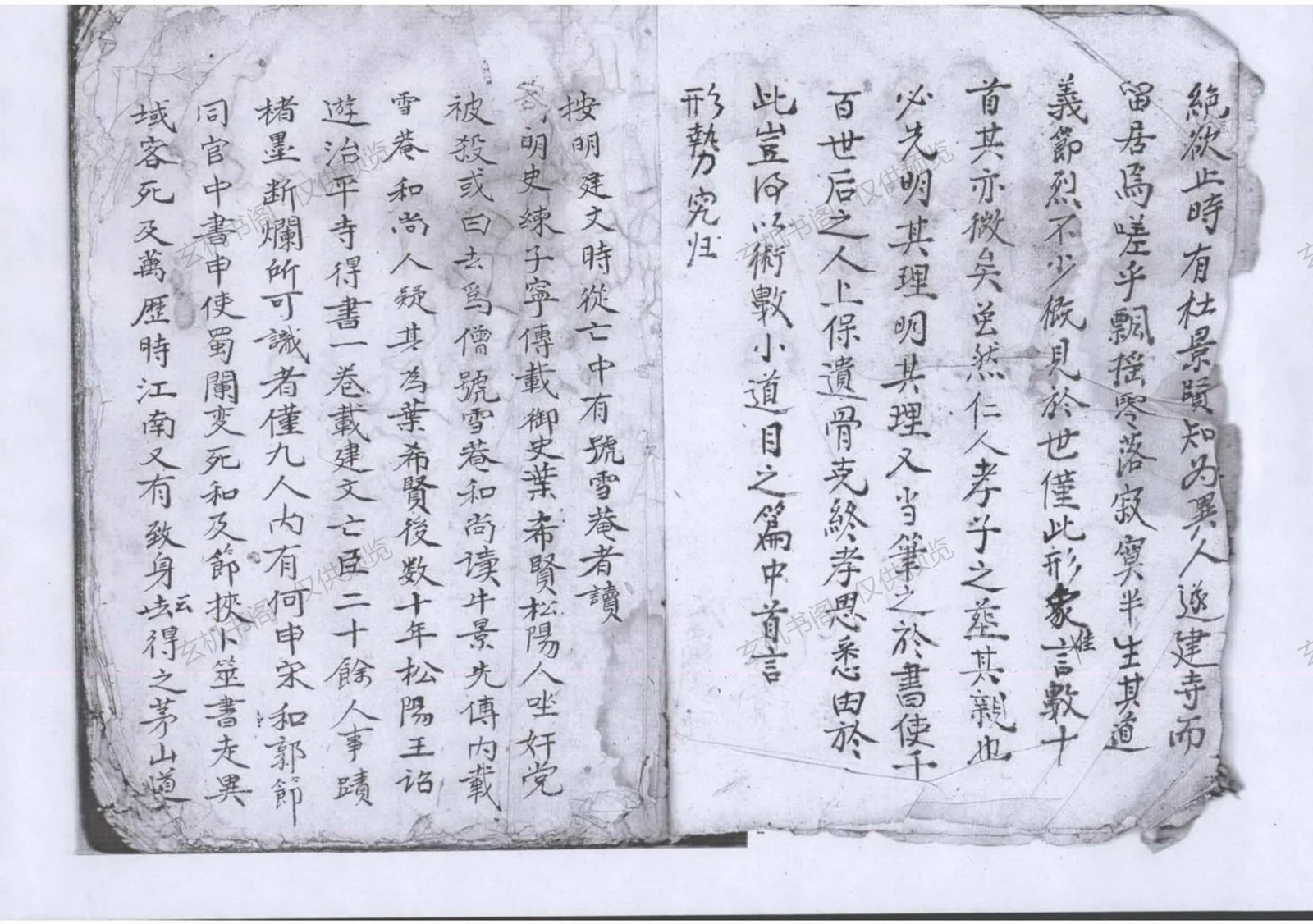
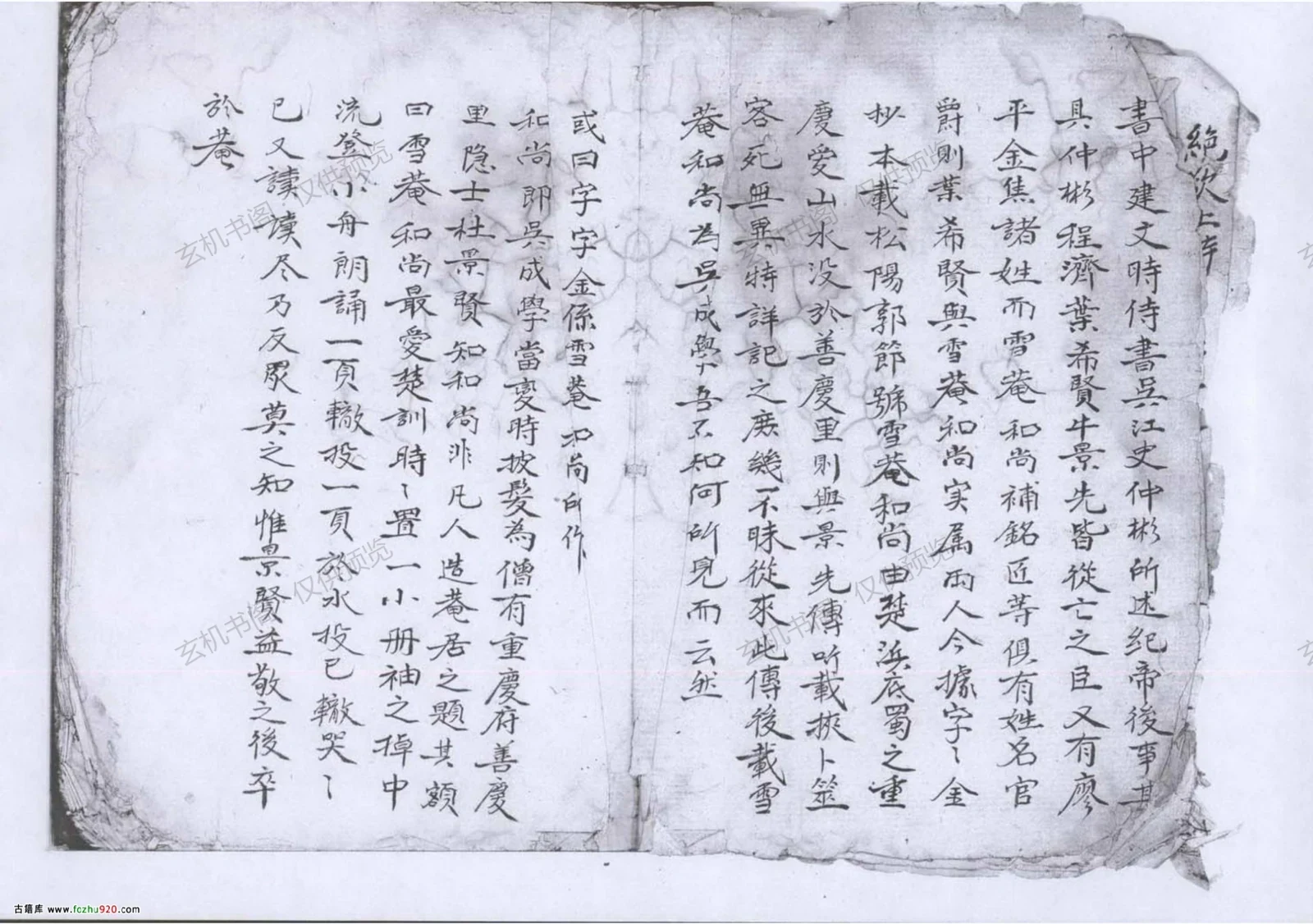
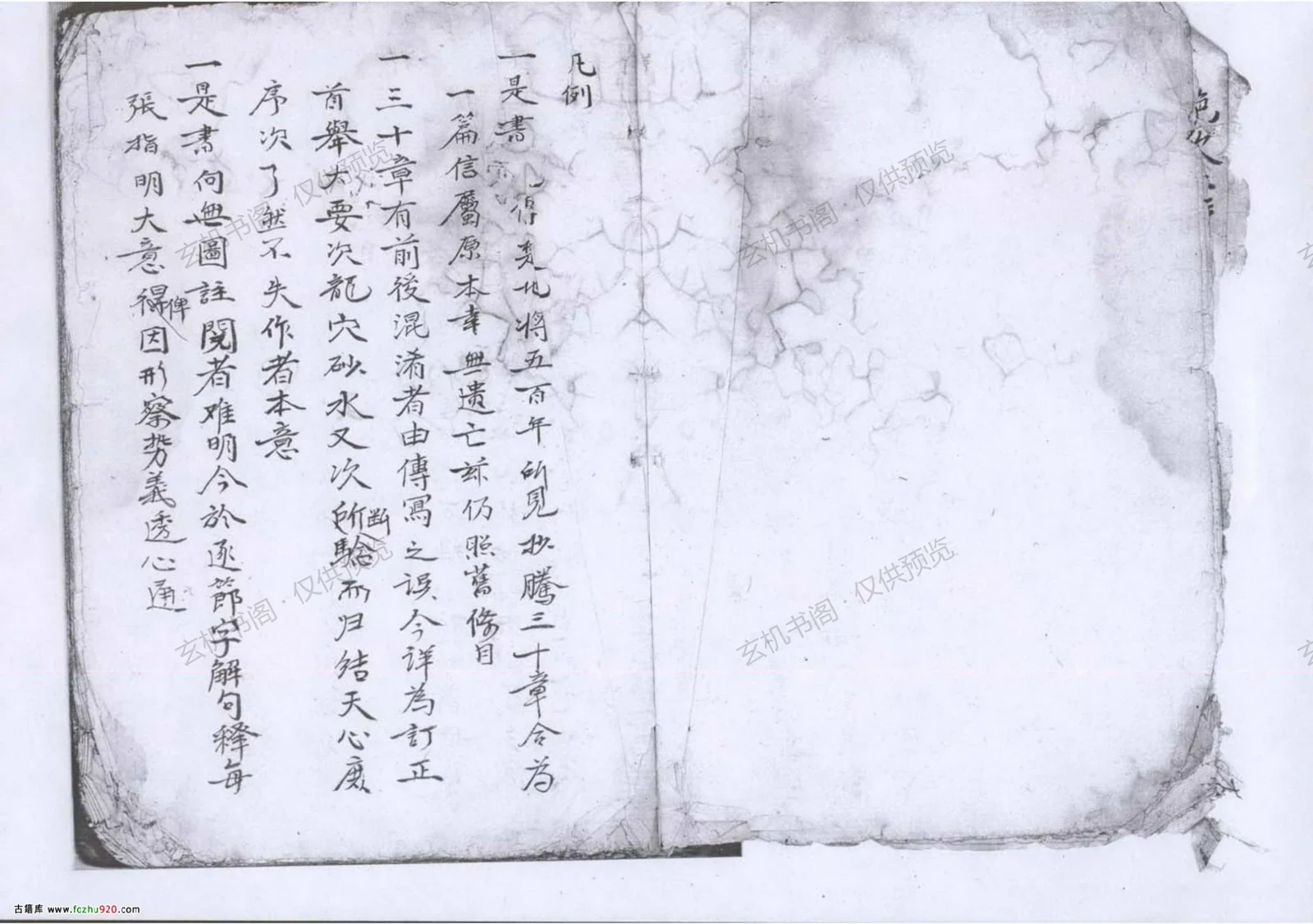
This is a Qing dynasty fengshui geography text compiled by Hu Qikai (courtesy name Zhengting). The preface states the work originated from the teachings of Monk Xue'an (believed to be from the early Ming period). Hu encountered the manuscript during his travels, recognized the value of its concise 'golden' instructions, and edited it into its current form. The book is structured into thirty chapters, systematically explaining the rules of analyzing dragons, acupoints, sand (surrounding hills), and water. It emphasizes the importance of 'understanding the forms and penetrating the heart,' requiring students to grasp the theory before applying techniques. The content not only inherits the classic Yang Gong fengshui tradition but also includes the author's own observations from field trips. The 'Fanli' (general principles) section highlights the reorganized structure of the thirty chapters, guiding the reader from essential outlines to detailed landscape analysis and ultimately to the 'Tianxin' (Heavenly Heart) verification. With its concise language, this text is considered a key primer for students of fengshui.
Contents
Preface (Hu Qikai's own account and investigation of Monk Xue'an)
General Principles (Explanation of the thirty-chapter structure)
Chapters 1-10: Essentials of dragons, acupoints, sand, and water
Chapters 11-20: Analysis of forms, configurations, and principles
Chapters 21-30: Verification of the Heavenly Heart and mental techniques
Key Points
Named 'Golden Words,' stressing the precision of geomancy formulas
Inherits the landscape-based theories of Yang Gong and Monk Xue'an
Emphasizes field verification over empty theorizing
General principles clarify the thirty-chapter structure and mental methods
Valuable for studying Ming-Qing fengshui literature and folk traditions