Reading guide
Content guideOverview
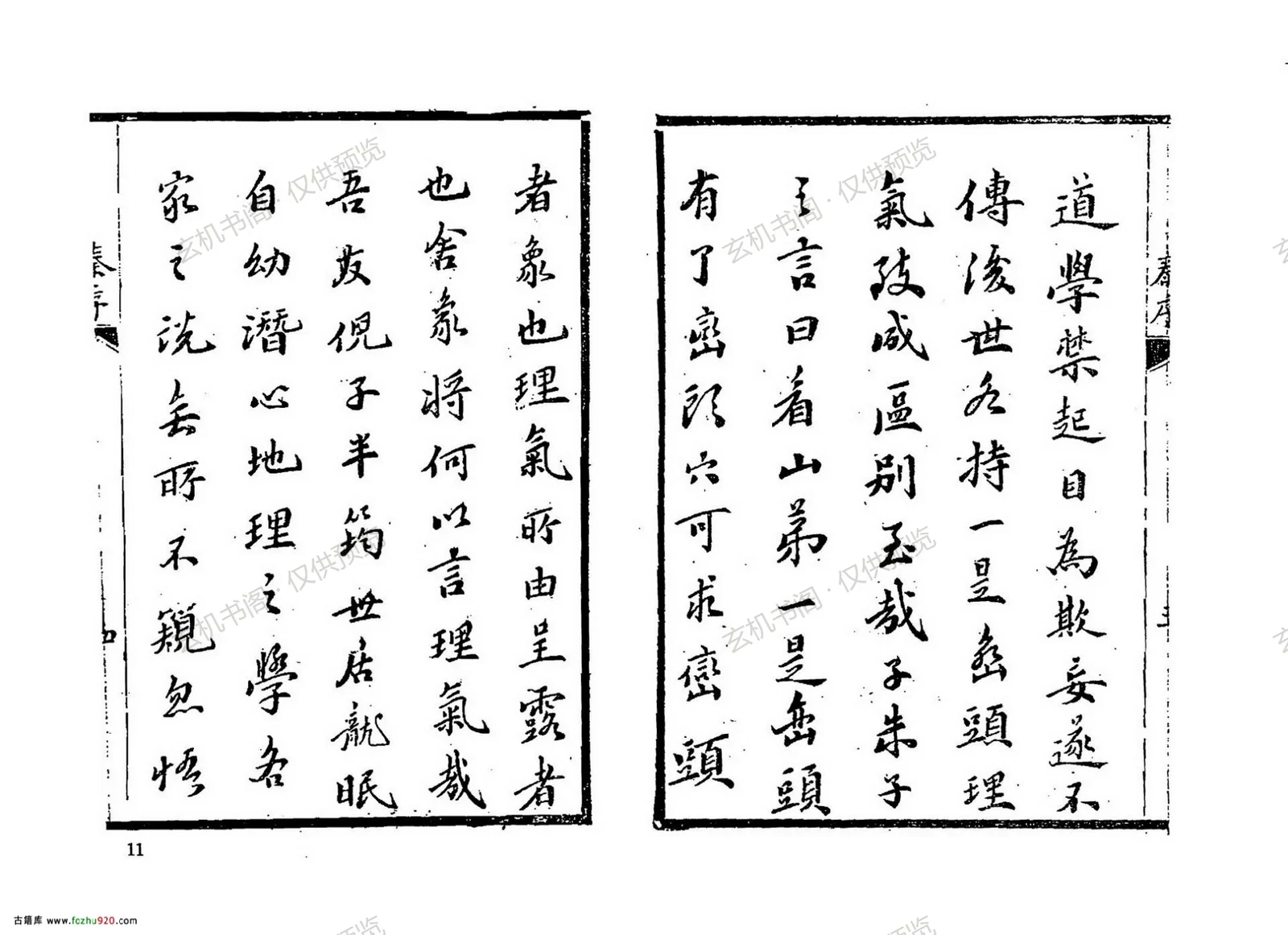
This Qing-dynasty geomancy work by Ni Hua'nan is a Form-School (xingshi pai) treatise on terrestrial studies. The title page names Chen Lezhai, Qin Qiutian and Tao Muting as collators, with the Baode Tang as publisher. Its preface invokes the Duke of Zhou, the Cheng brothers and Zhu Xi to elevate geomancy to a branch of moral-philosophical inquiry, then argues that landscape forms make qi visible and that sound siting requires reading qi through form. The text discusses mountain veins, dragon configurations, the five-element shaping of sites and the interplay of yin-yang and forward-reverse sequences, while criticizing the fragmented jargon of popular manuals. It preserves references to the Yu Sui, Guo Jingchun, Zhu Xi and Cai Yuanding, and is useful for studying how Qing-era Form-School geomancy absorbed qi-pattern reasoning and how books were vetted by named examiners.
Contents
Title page: Dixue Xingshi Ji, Baode Tang edition
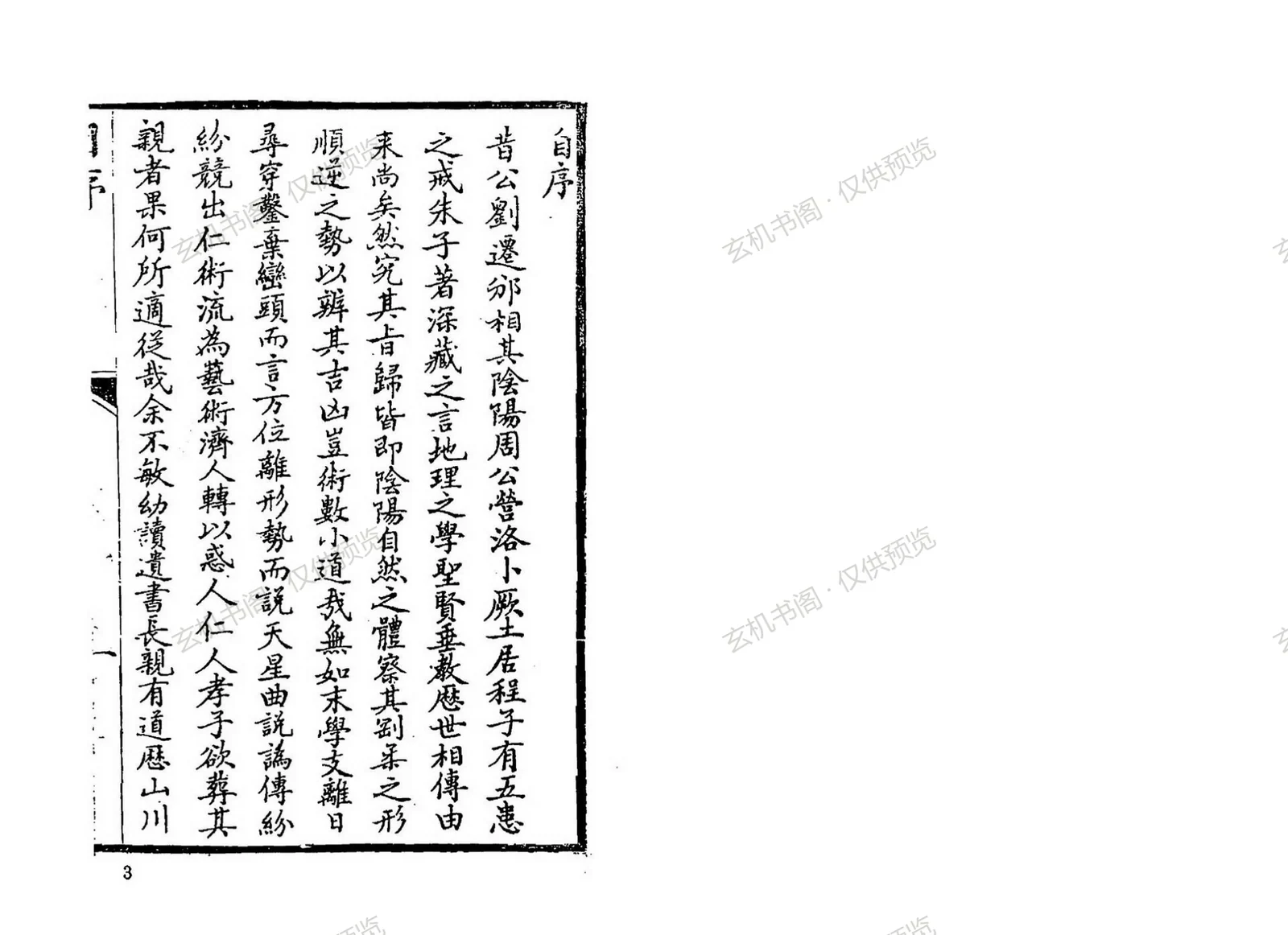
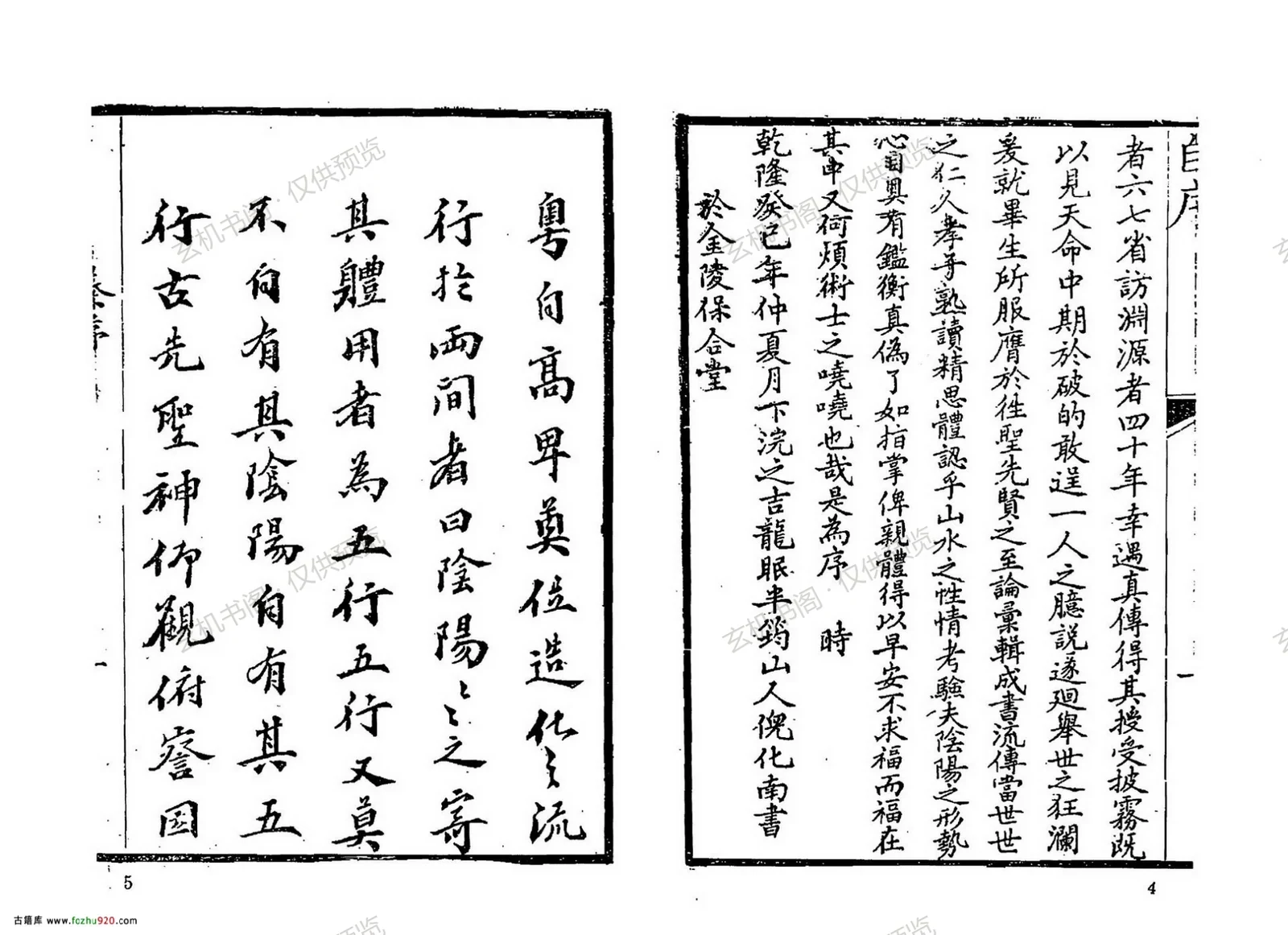
Author's preface on the Zhou, Cheng and Zhu lineage
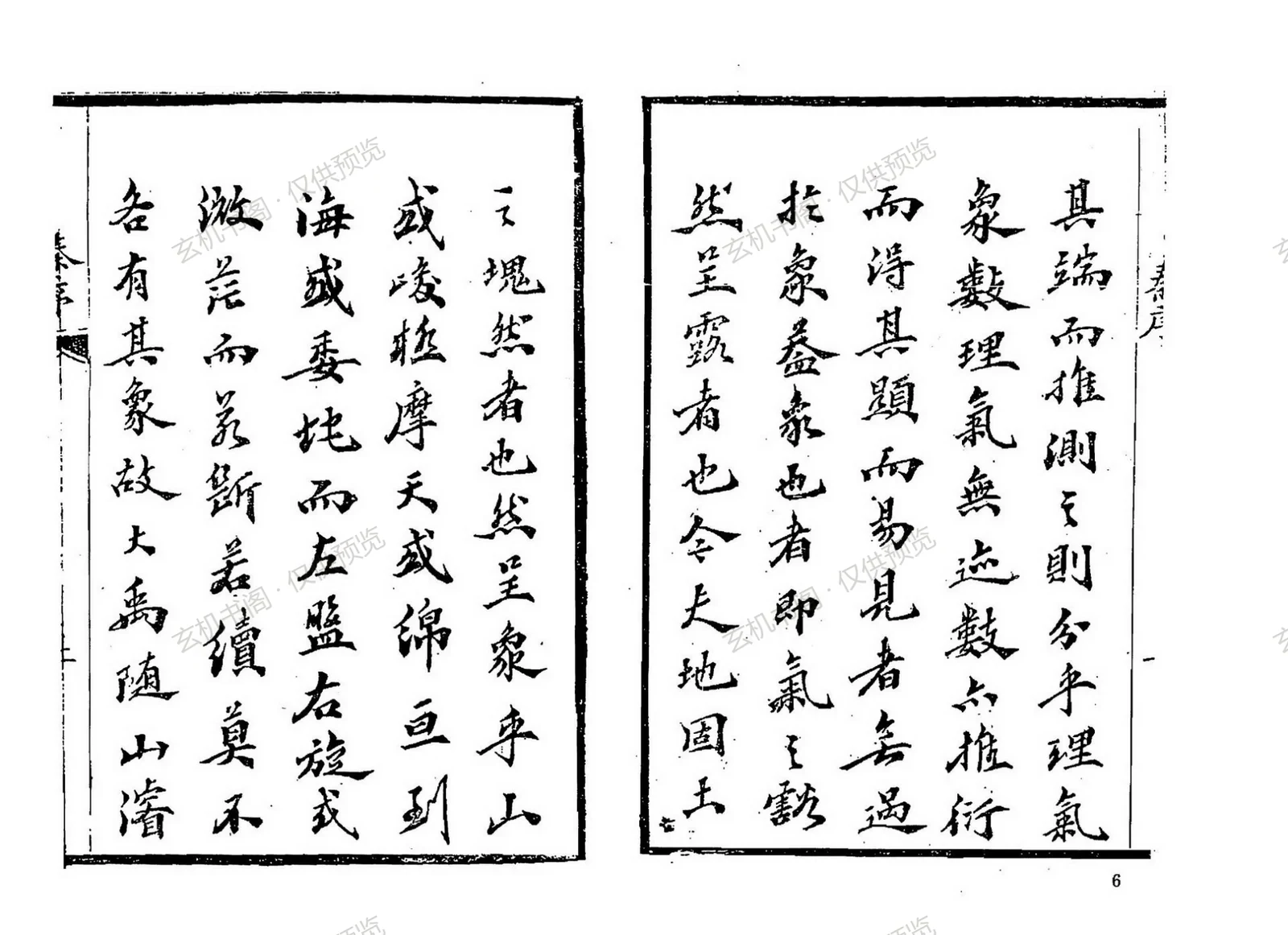
Main text: distinguishing qi from form
Discussion of mountain orientations, dragon veins and five-element forms
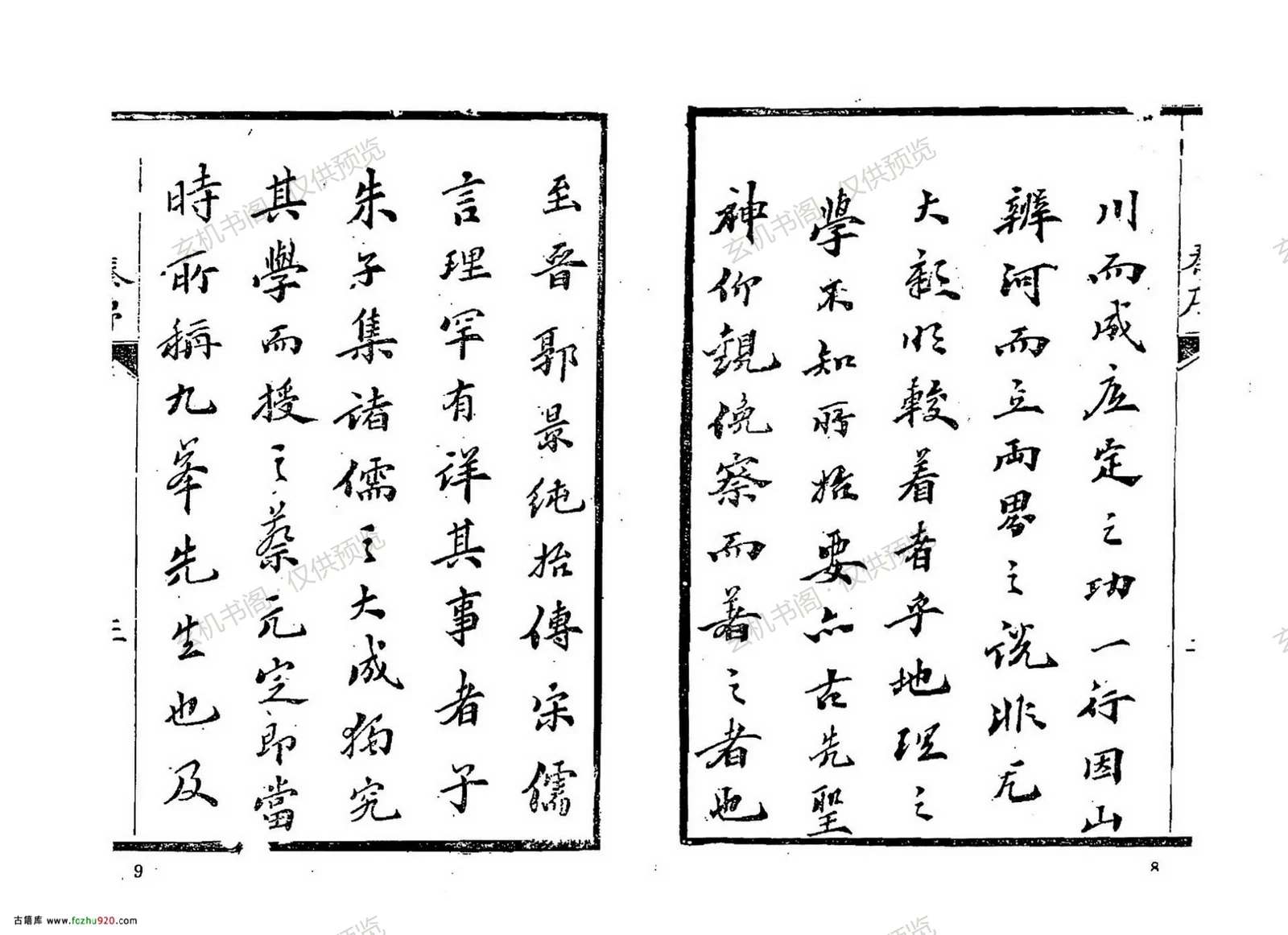
Citations of Guo Pu, Zhu Xi and Cai Yuanding
Key Points
A Qing Form-School geomancy text stressing reading qi through visible form
Title page lists three examiners, showing contemporary vetting practice
Preface legitimizes geomancy through Confucian classical authority
Five-element forms and yin-yang sequences structure site assessment
Valuable for the fusion of form and qi-pattern methods in Qing geomancy