Reading guide
Content guideOverview
This material covers an advanced Zi Wei Dou Shu concept: overlapping palaces (die gong). It explains how to layer the natal chart, decade chart, and yearly chart to interpret events across different time dimensions. Using the case of the Life Palace in Yin-Hai dark harmony, it demonstrates how to combine palace stems, flying transformations, and stars to determine auspiciousness and event details. It also discusses connections between palaces via palace stem transformations, such as the Spouse Palace transforming into the Children Palace, offering practical guidance for learners with a foundation in Zi Wei Dou Shu.
Contents
Concept of overlapping palaces: natal, decade, yearly charts
Roles: yearly activates, decade events, natal receives
Case: Life Palace in Yin-Hai dark harmony
Palace stem transformations: Spouse and Children palaces
Stars and palaces: inner stars determine events
Topic palace sets environment, stars define nature
Key Points
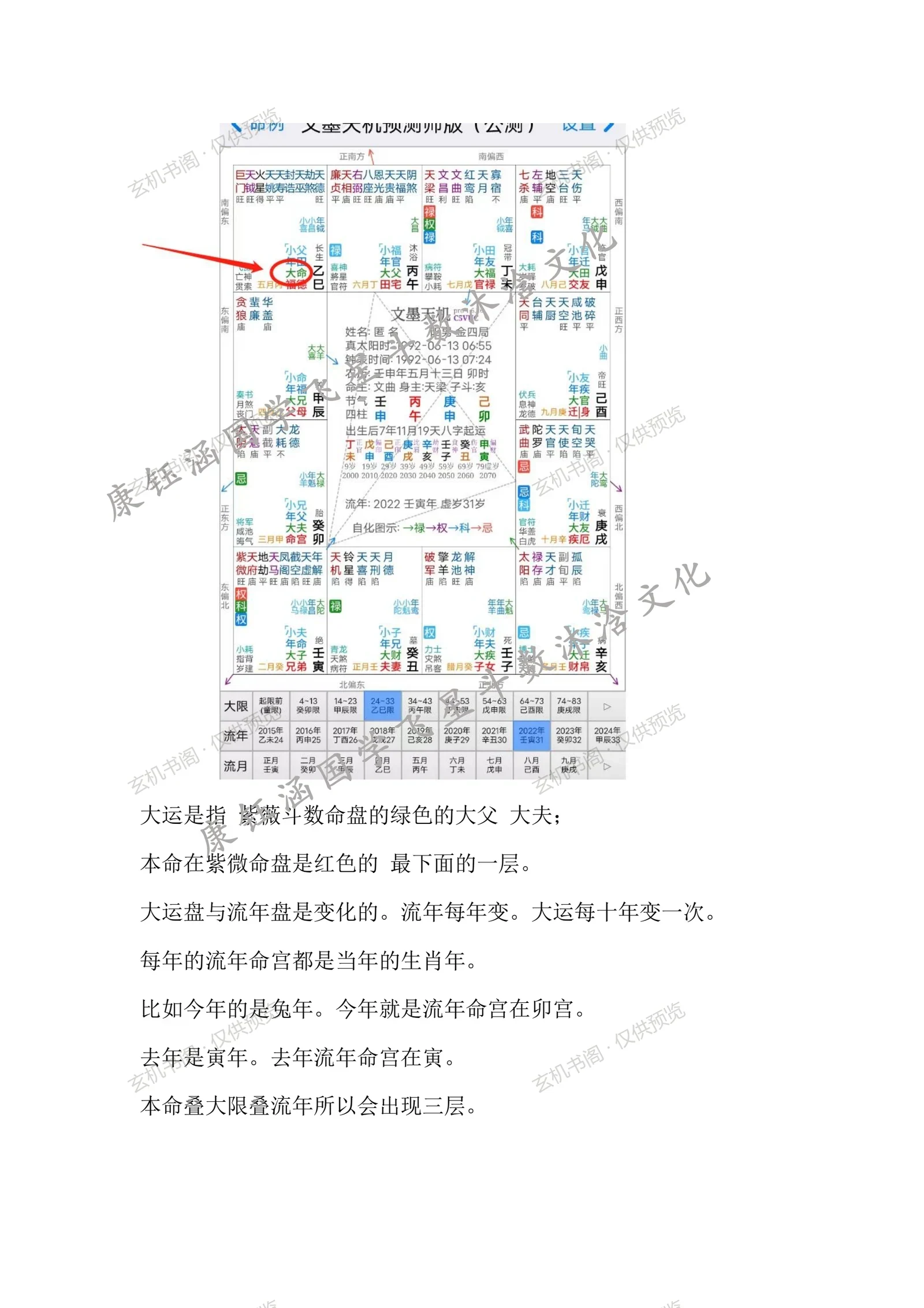
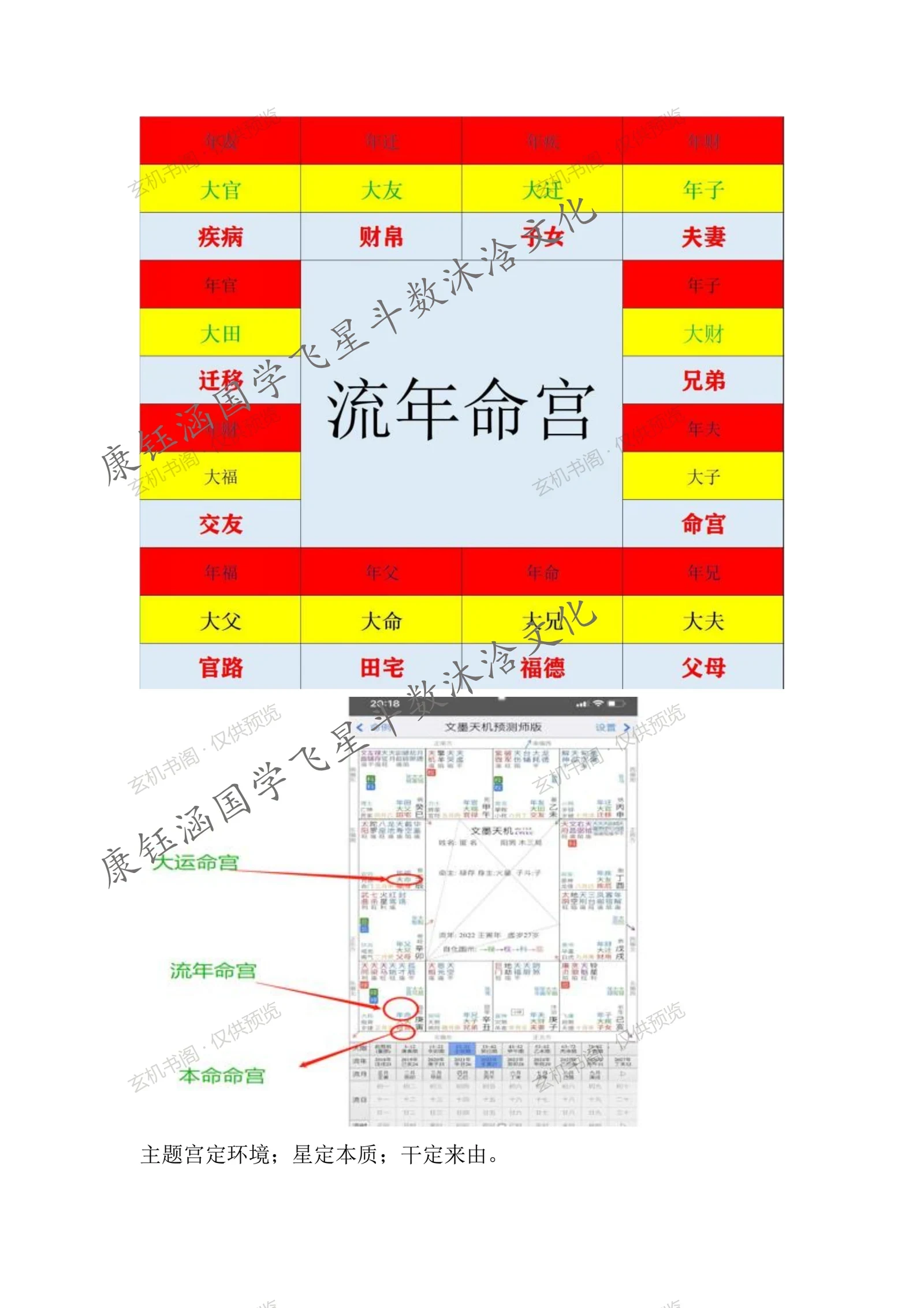
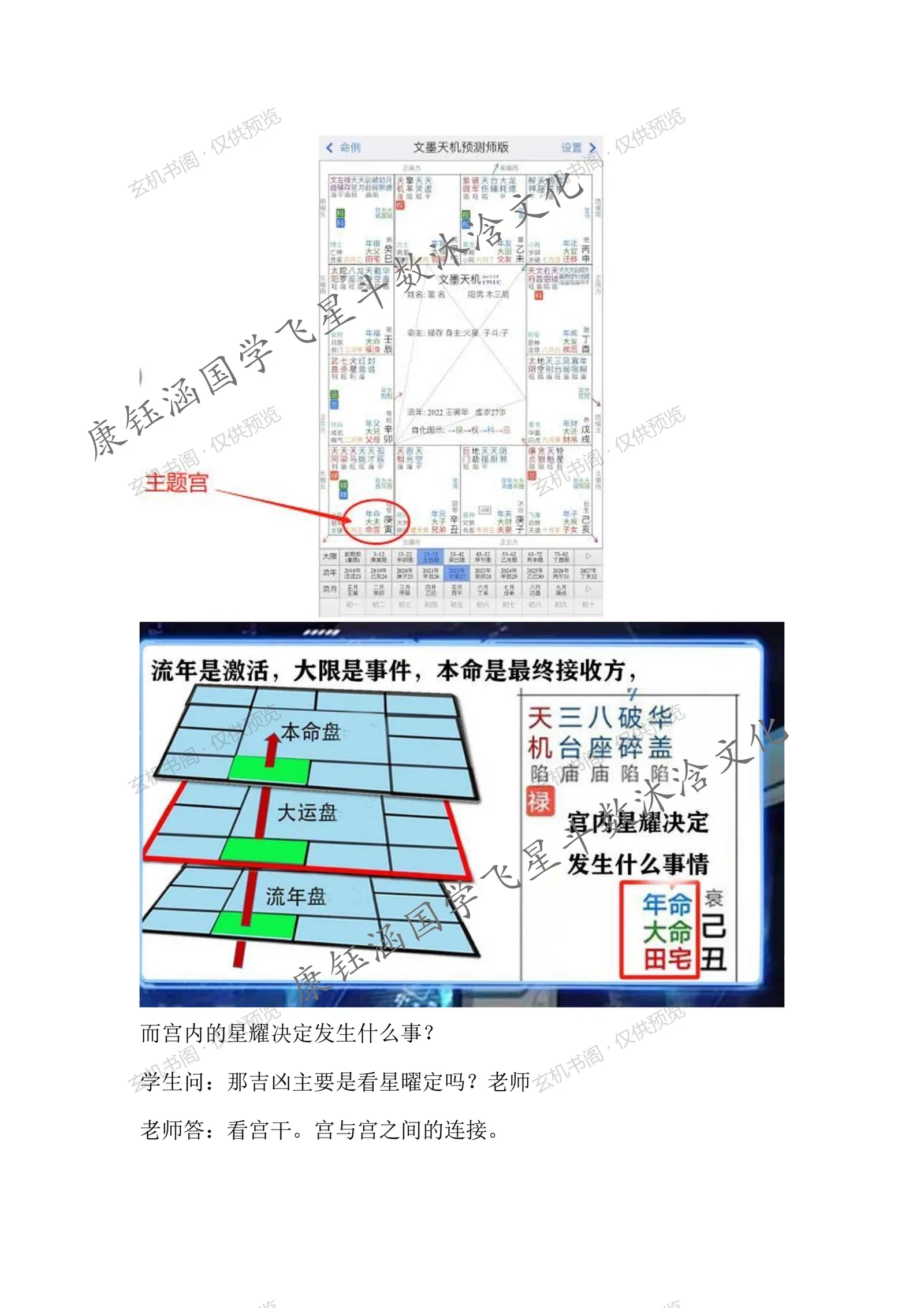
Overlapping palaces consist of natal, decade, and yearly charts, representing receiver, event, and activator respectively.
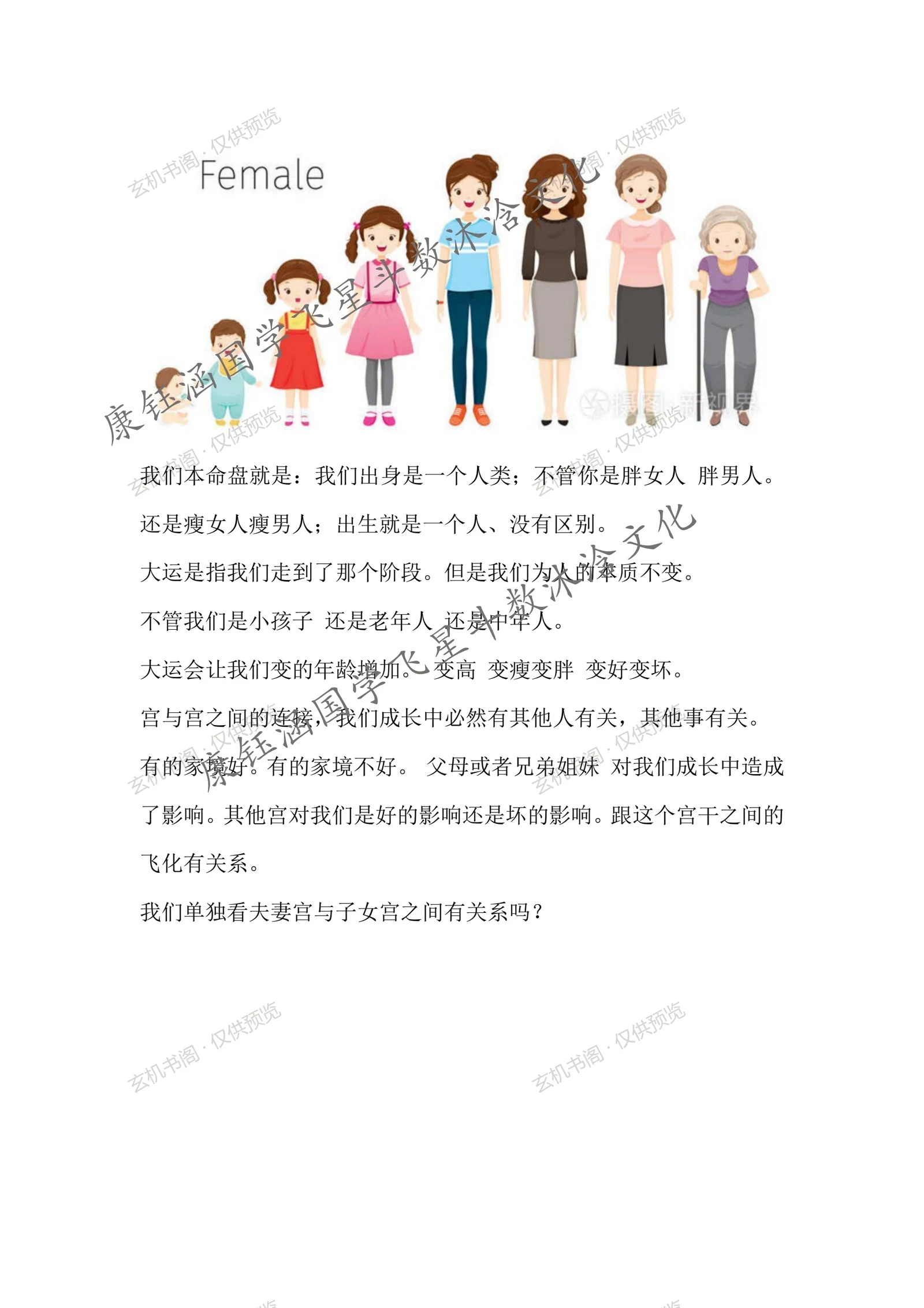
The yearly chart changes annually, the decade chart every ten years, while the natal chart remains fixed.
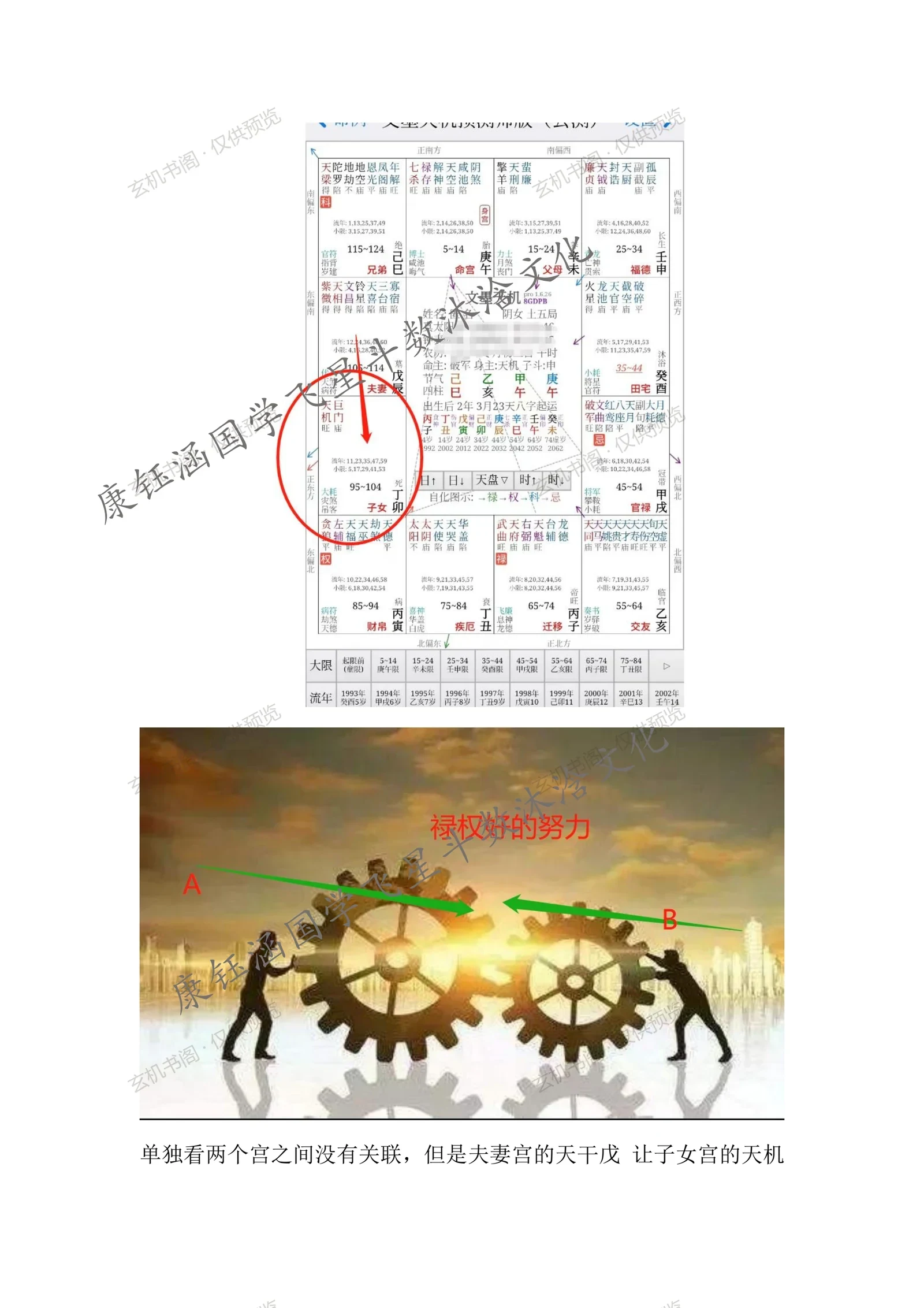
Palace stem flying transformations are key to connecting palaces and determining whether other palaces influence this palace positively or negatively.
When the Life Palace is in Yin-Hai dark harmony, events are analyzed through palace stems and stars.
Individual palaces are unrelated unless connected through palace stem transformations.