Reading guide
Content guideOverview
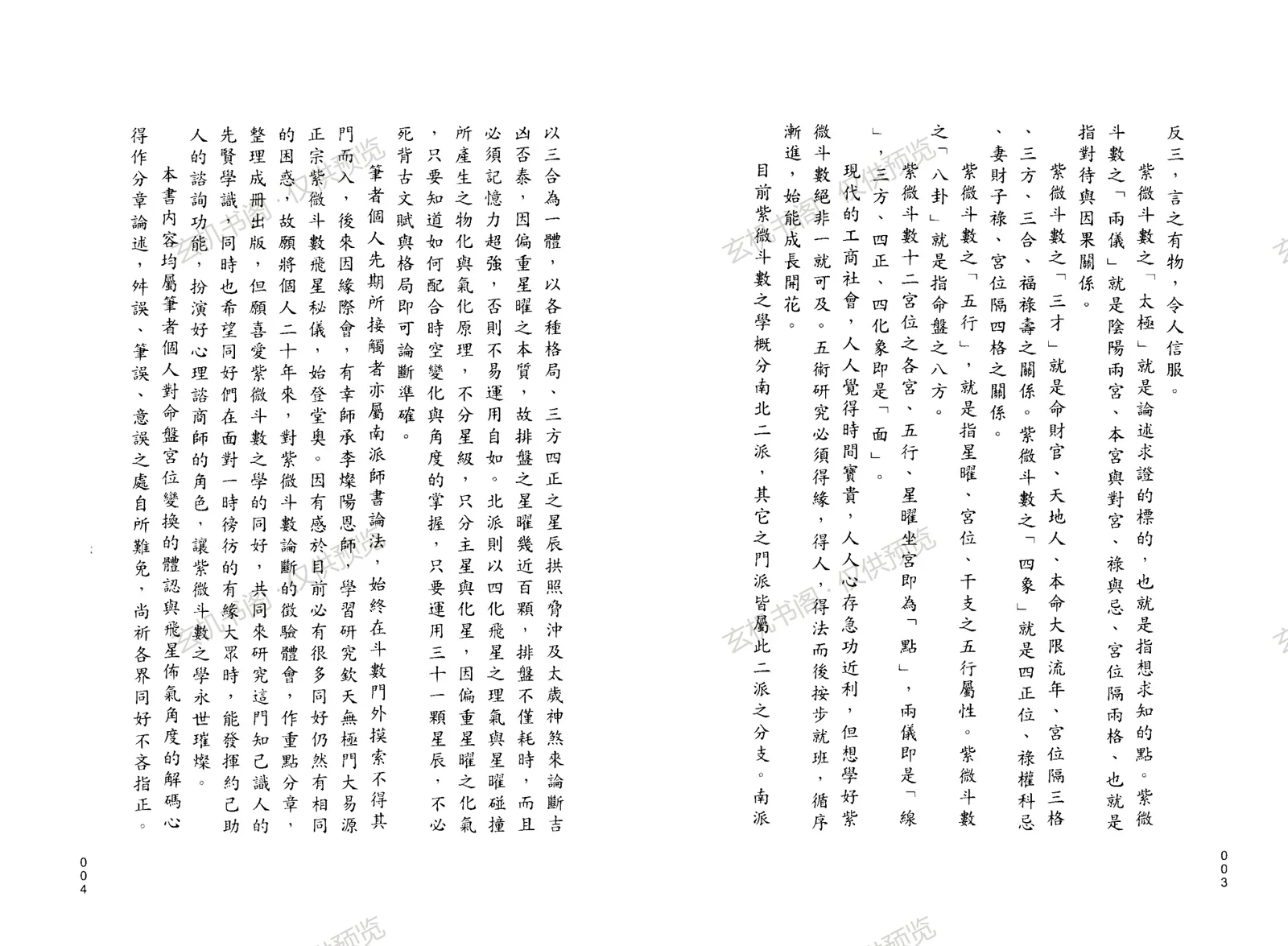
This is the third volume in Weng Fuyu's Zi Wei Dou Shu series. The cover and spine title it Decoding the Flying Stars of Dou Shu, while the inner title page identifies it as the third collection of the Hongran Liu Destiny Numerology Series. The preface notes that most popular Zi Wei Dou Shu books follow the Southern sanhe approach, while few genuinely present the Northern flying-star four transformations; it also criticizes mixing ancient textual formulas with annual tai-sui stems in ways that do not match. The author therefore organizes years of practical flying-star four-transformation experience, explaining how to decode flying stars, overlap flying palaces for image-taking, use yin-yang as body and function, apply the three powers as principle, and judge fortune through transformed qi. The visible text also discusses the relation of Zi Wei Dou Shu to Yijing principles, the three powers, four images, five phases, and eight trigrams, and distinguishes the Southern sanhe school from the Northern flying-star school. The table of contents is not fully visible, and the main text shown consists largely of prefaces and methodological discussion, making this an advanced research-oriented work.
Contents
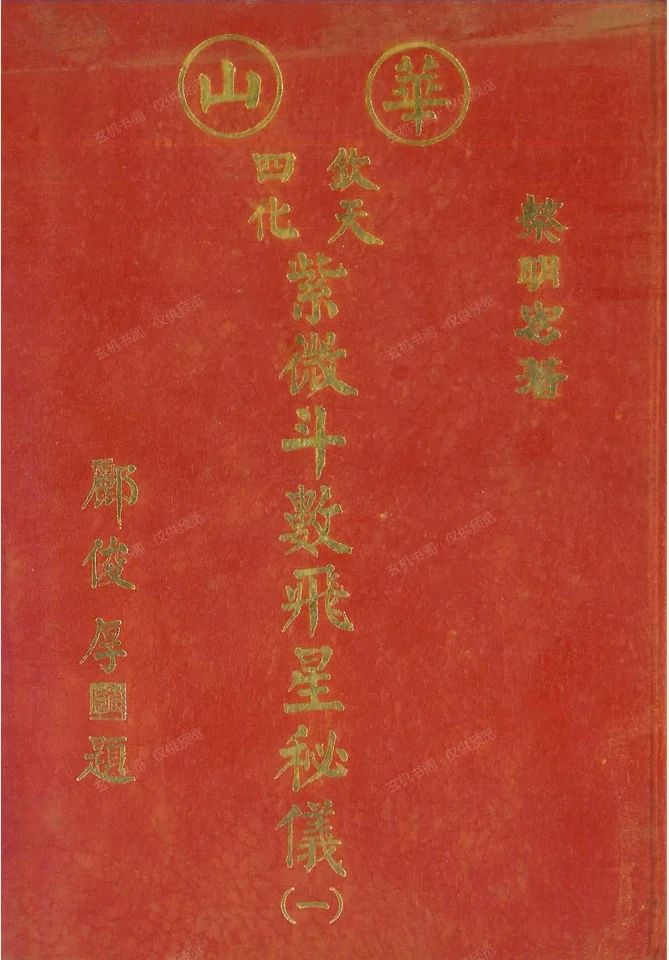
Cover, spine, and back cover: title, author, series
Inner title: Decoding the Flying Stars of Dou Shu, Hongran Liu Destiny Numerology Series, Vol. 3
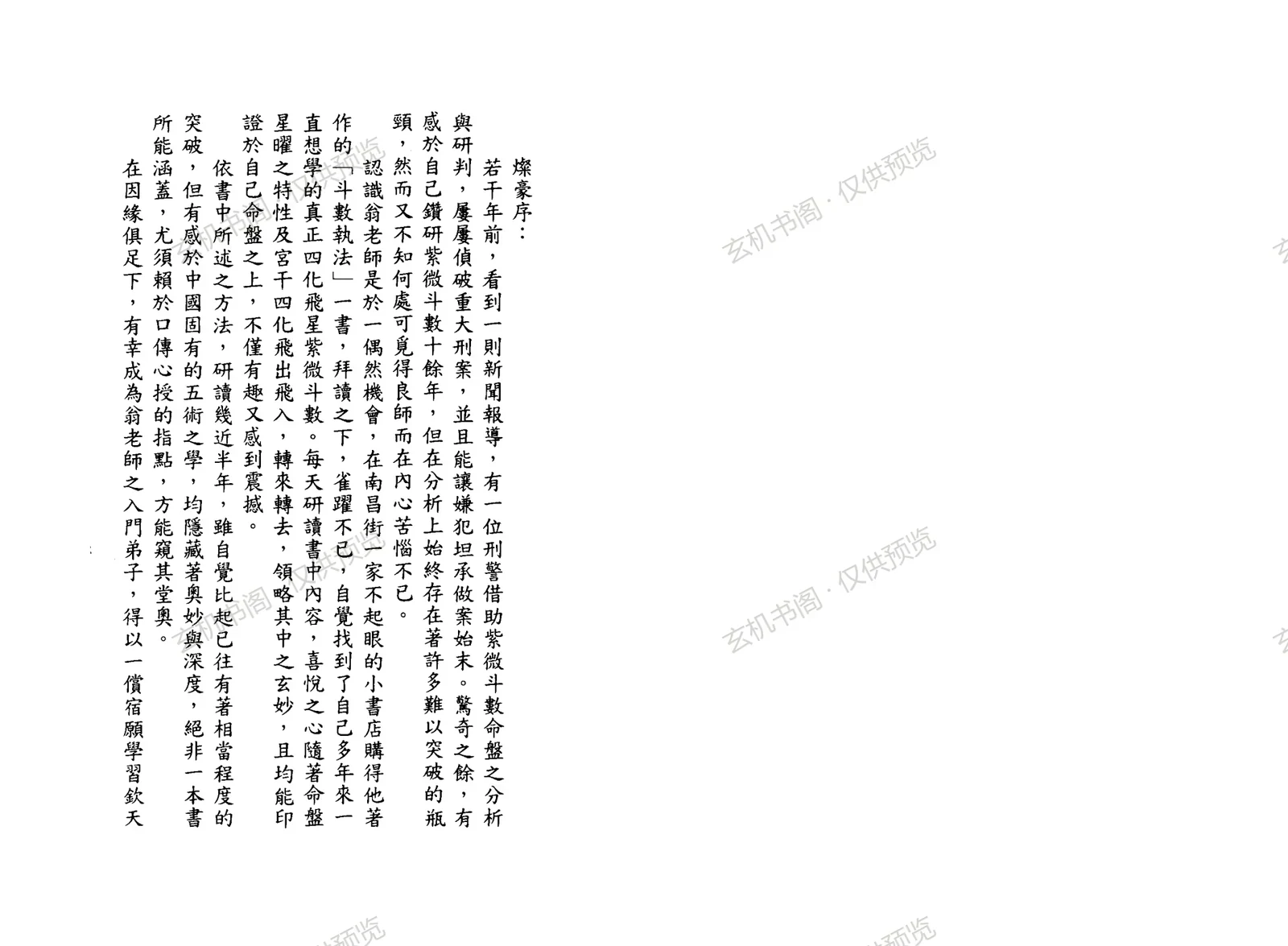
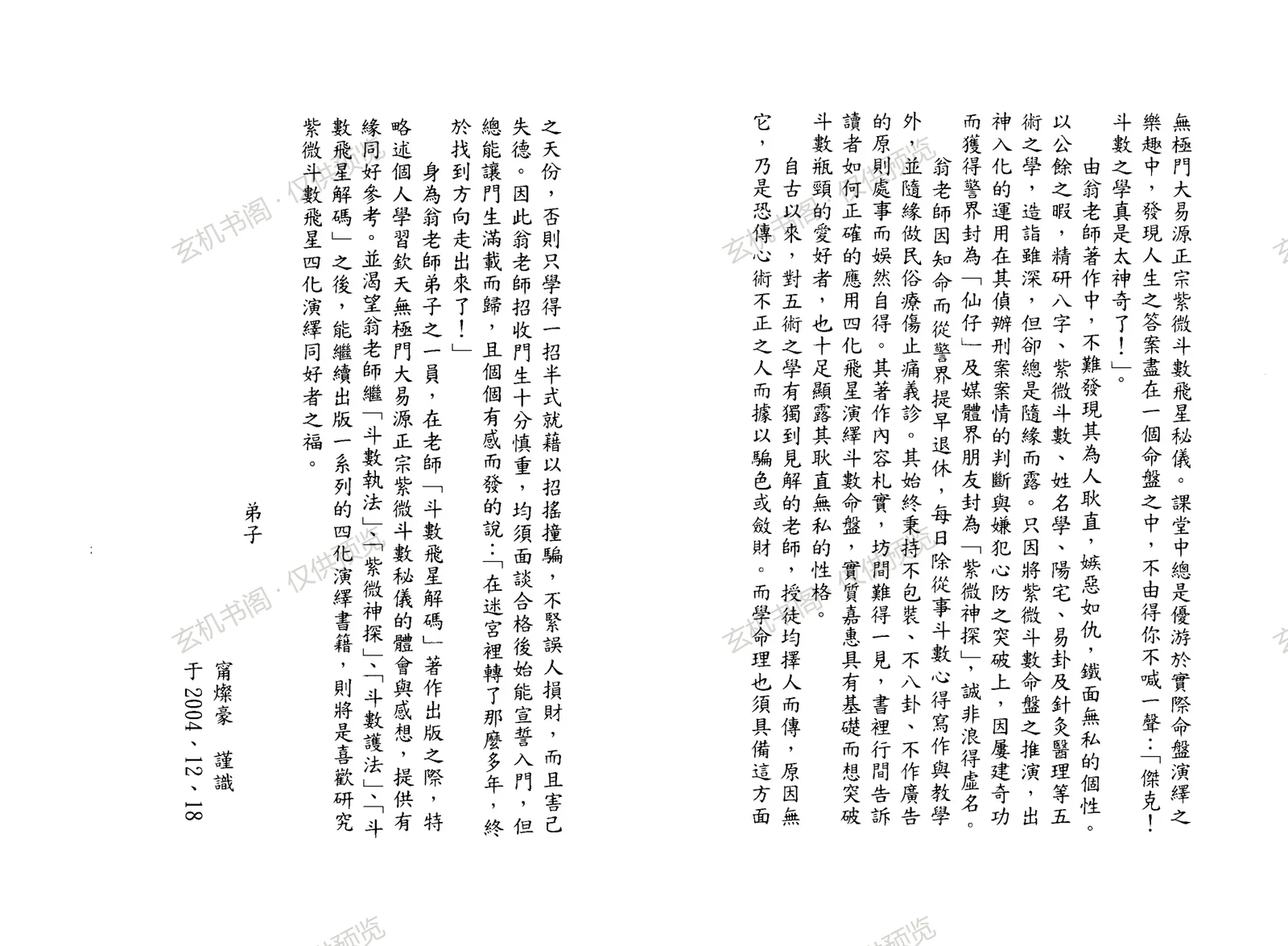
Preface by Canhao: a criminal-investigation chart case and the efficacy of Dou Shu
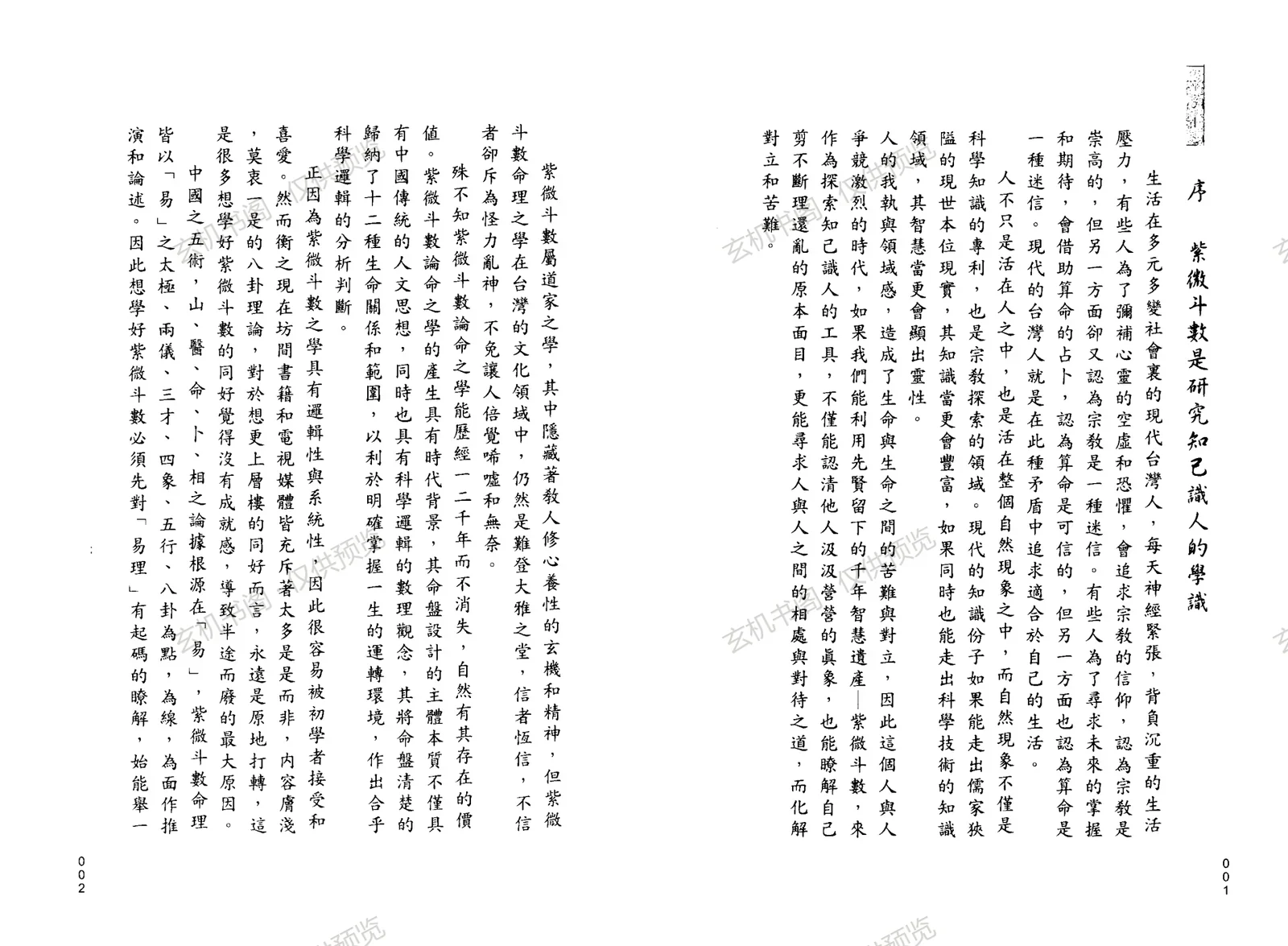
Preface: Zi Wei Dou Shu as a study of self-knowledge and reading others
Main text on the Southern and Northern schools, three powers, four images, five phases, and eight trigrams
Methods of flying-star four transformations and overlapping flying palaces
Key Points
Distinguishes the Southern sanhe school from the Northern flying-star four-transformation school
Explains decoding flying stars and overlapping flying palaces for image-taking
Uses yin-yang as body, the three powers as principle, and transformed qi to judge fortune
Emphasizes the links between Zi Wei Dou Shu, Yijing principles, five phases, and eight trigrams
Prefaces cite a criminal-investigation chart as a case of Dou Shu verification