Reading guide
Content guideOverview
This book explores the four transformations (lu, quan, ke, ji) as energetic symbols rather than numerical values in Zi Wei Dou Shu. It explains how palace linkage and the interactions of lu, quan, ke, and ji reveal the direction and severity of events. The first four chapters cover the basic logic of the four transformations, the derivation of lu-to-ji and ji-to-ji, the formation of double and triple ji through palace connections, and methods for interpreting auspicious and inauspicious patterns. A broad chapter applies the theory to marriage, talent, disputes, education, social status, health, property, lawsuits, and investments. The book also touches on the concept of Dou Shu feng shui and related topics, making it suitable for readers with prior knowledge of Zi Wei Dou Shu who want to deepen their understanding of the Flying Star system.
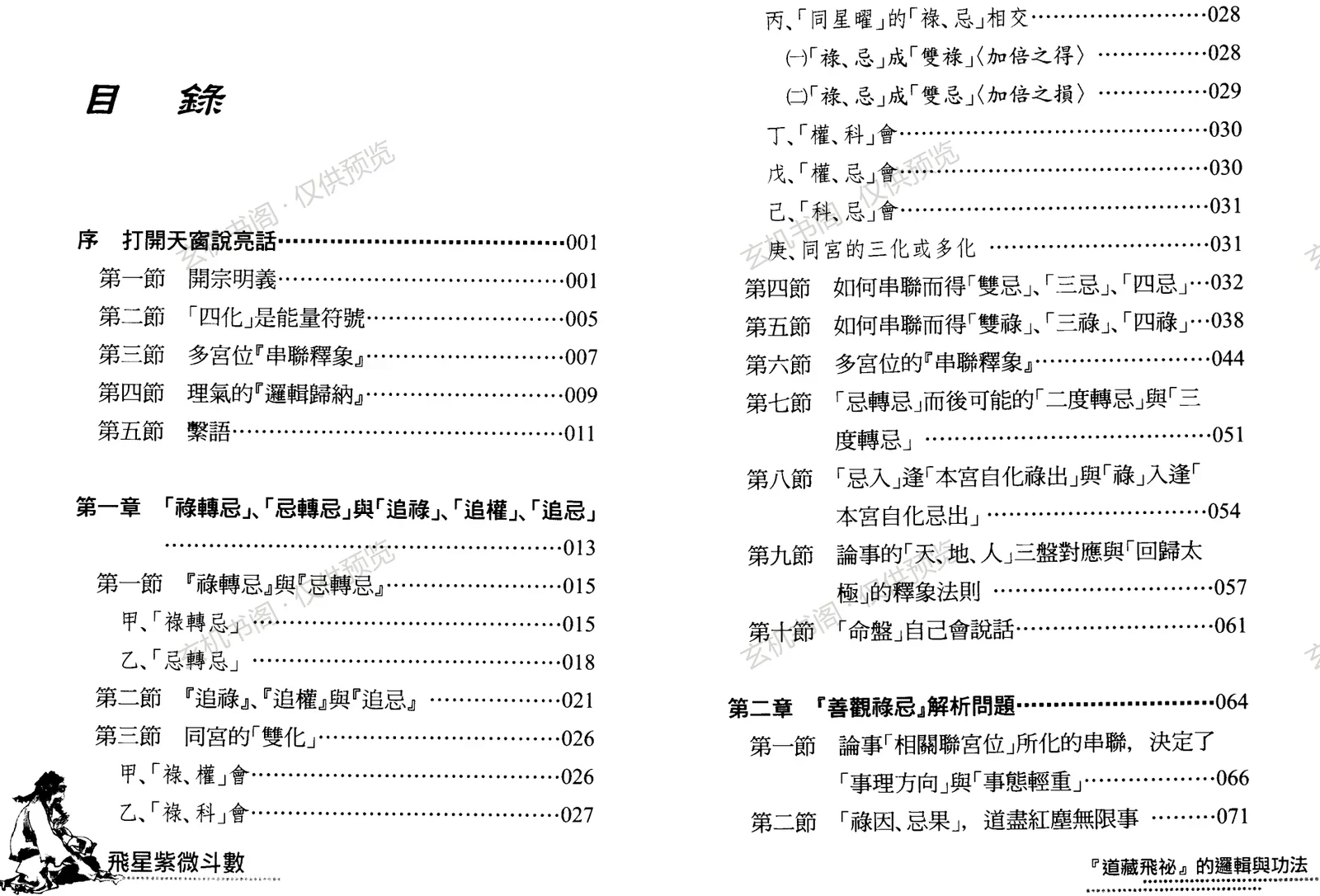
Contents
Preface: Opening the skylight
Chapter 1: Lu-to-ji, ji-to-ji, and tracing lu, quan, ji
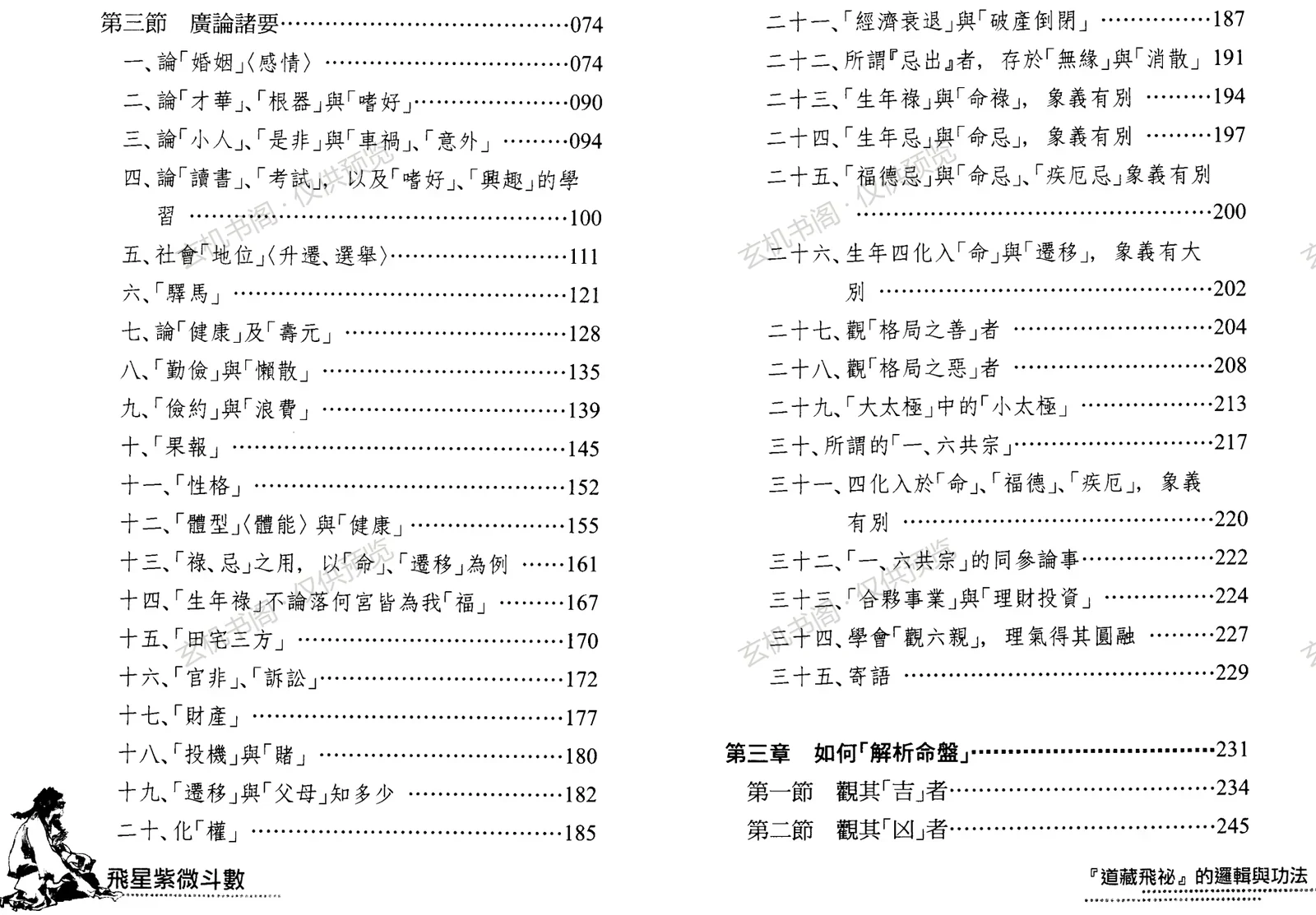
Chapter 2: Interpreting through lu and ji, broad topics
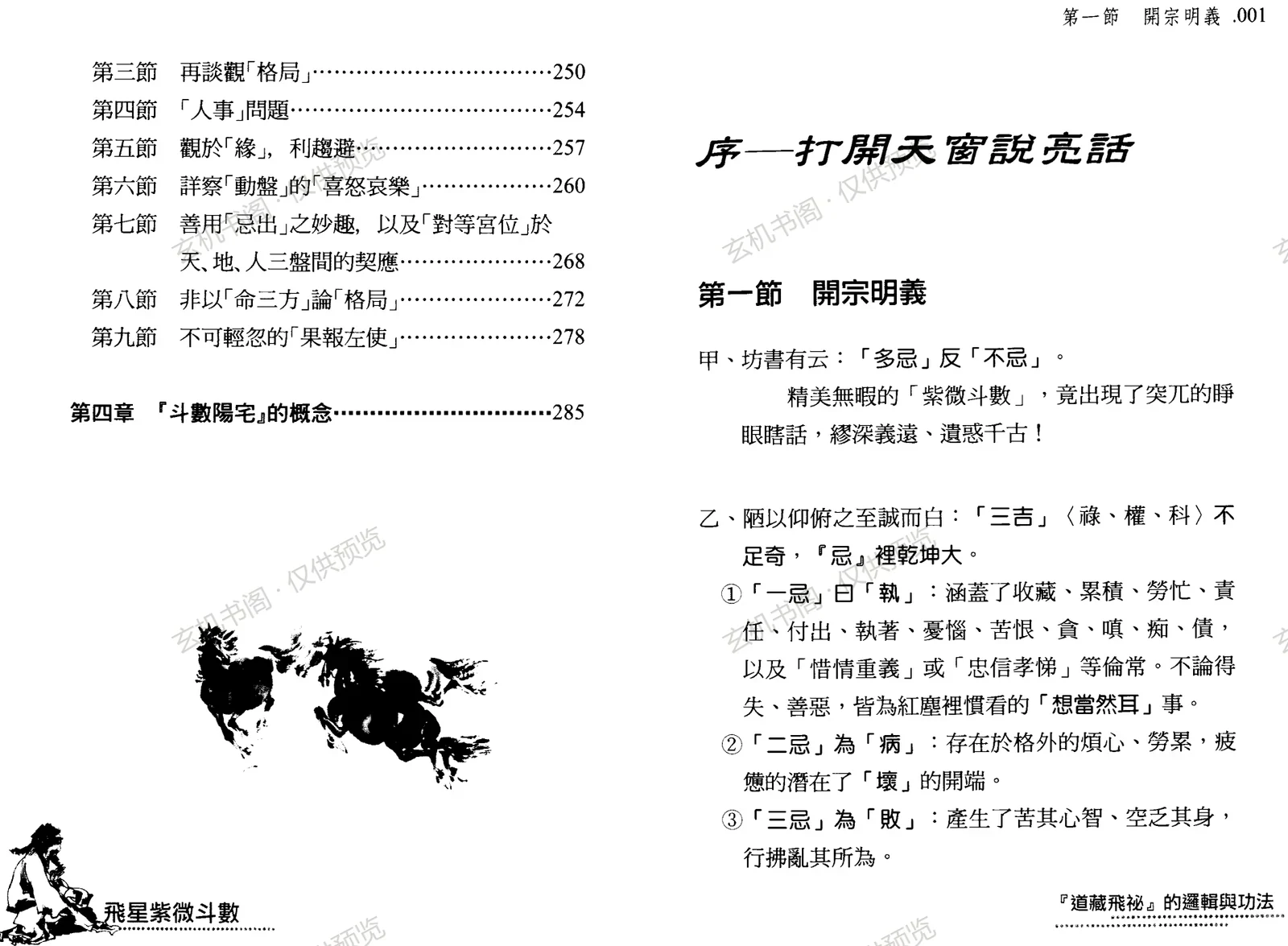
Chapter 3: How to analyze a chart, auspicious and inauspicious
Chapter 4: The concept of Dou Shu feng shui
Key Points
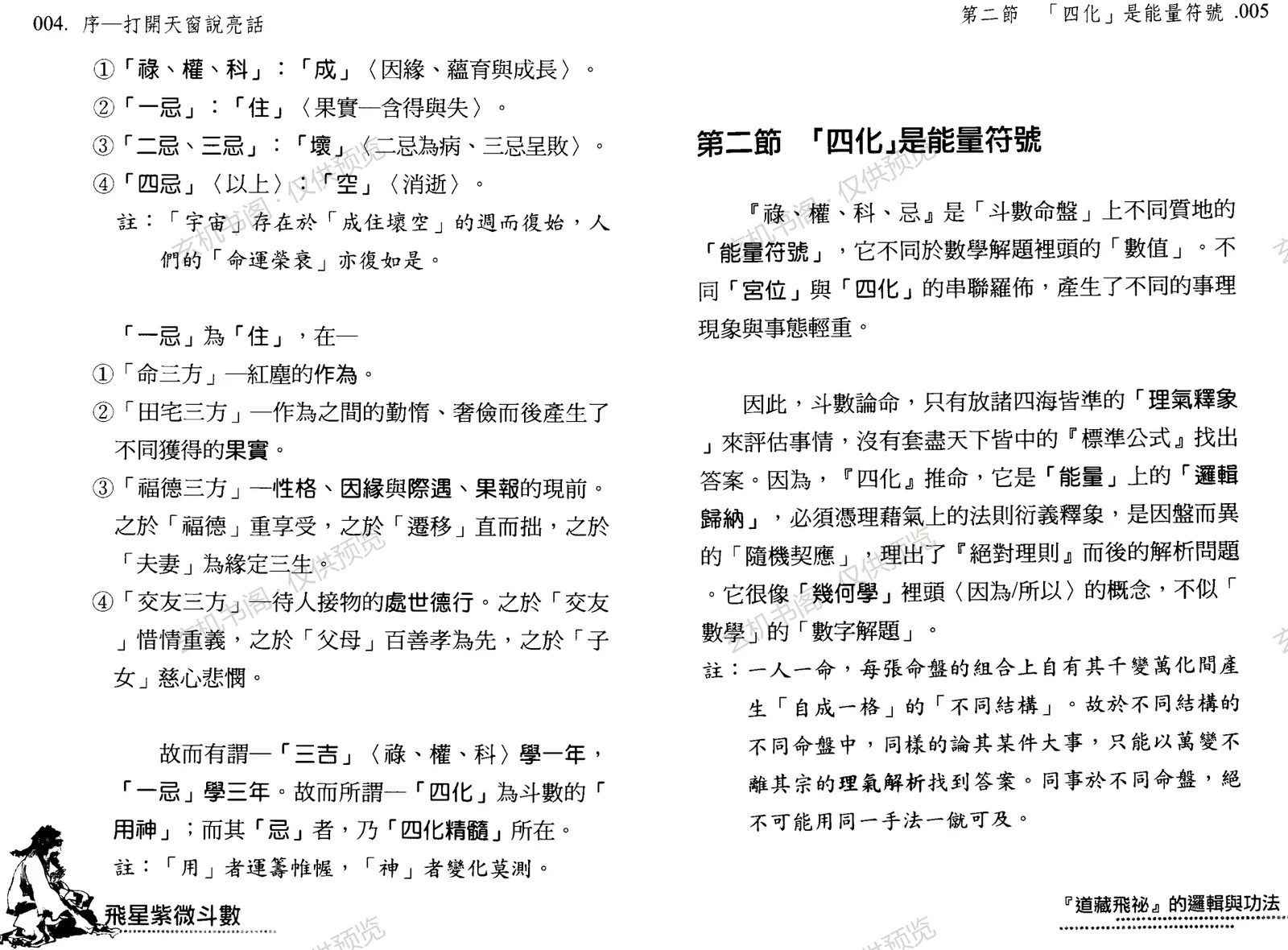
The four transformations are energetic symbols, not numbers, and must be evaluated through principle-based interpretation.
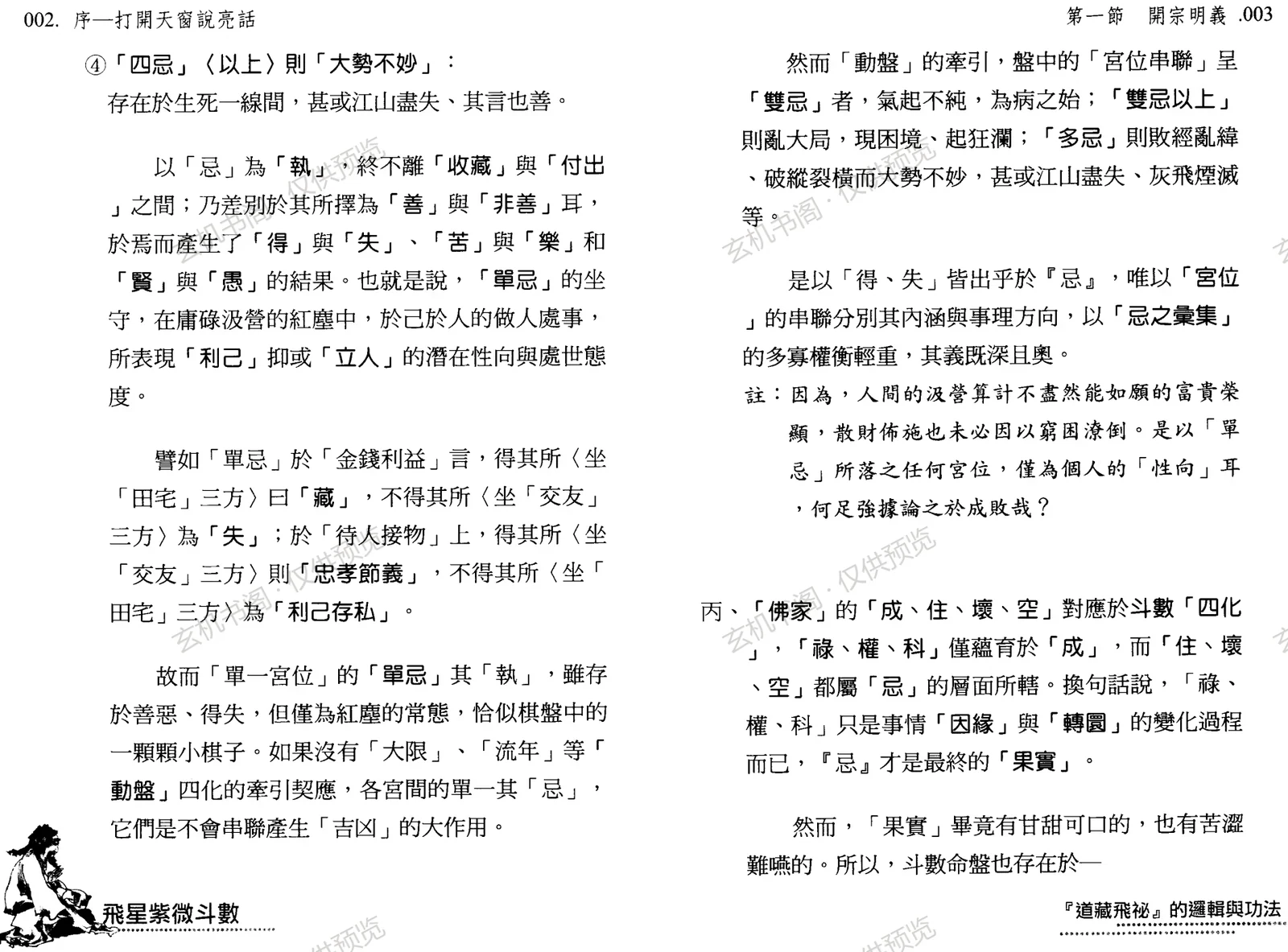
Ji represents collection and expenditure; a single ji shows tendency, while double ji or more affects the overall situation.
Palace linkage determines the direction and severity of events.
Birth-year lu, life lu, birth-year ji, and life ji have distinct meanings and should not be confused.
Chart analysis requires distinguishing auspicious from inauspicious and considering the dynamic plate.