Reading guide
Content guideOverview
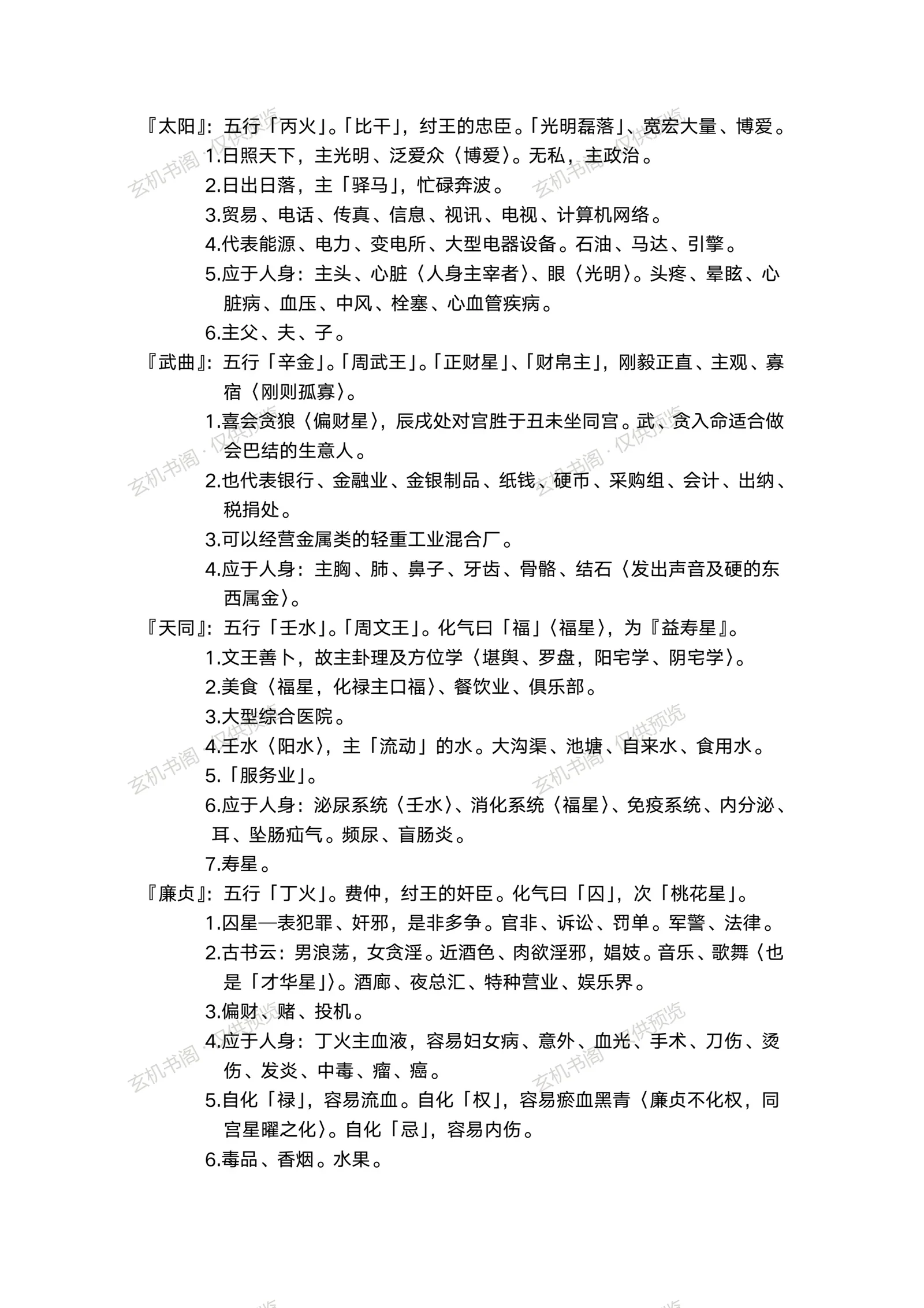
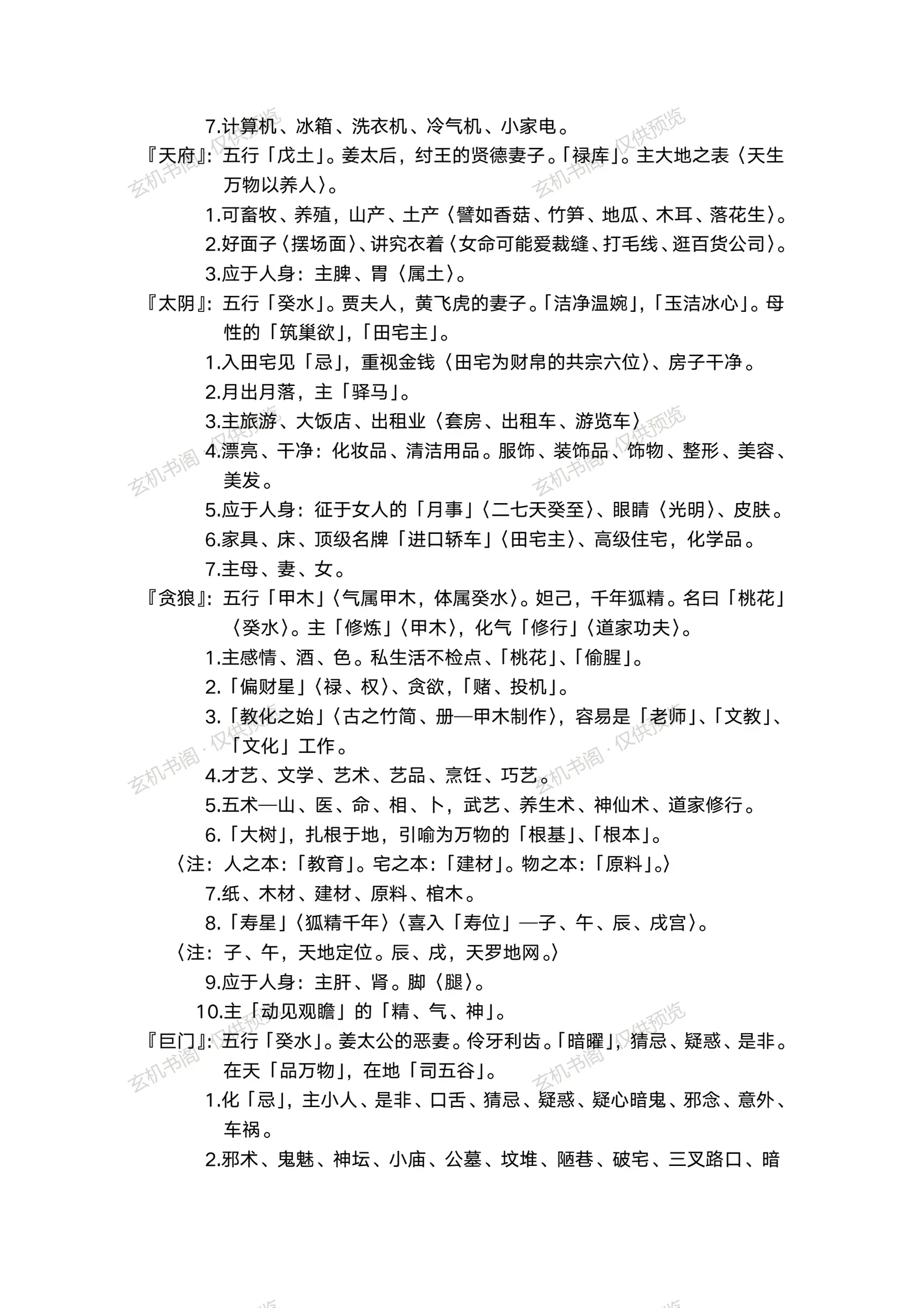
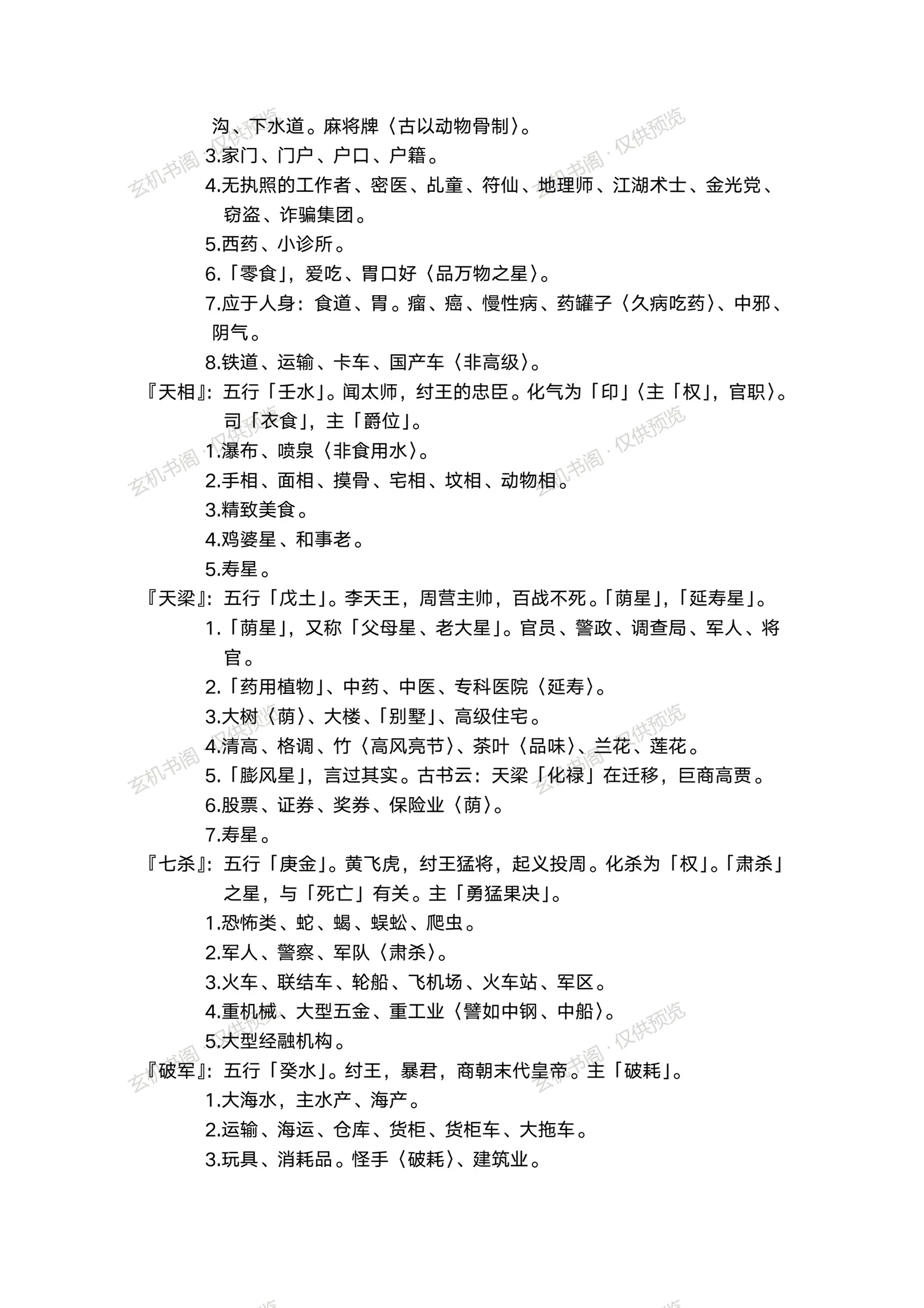
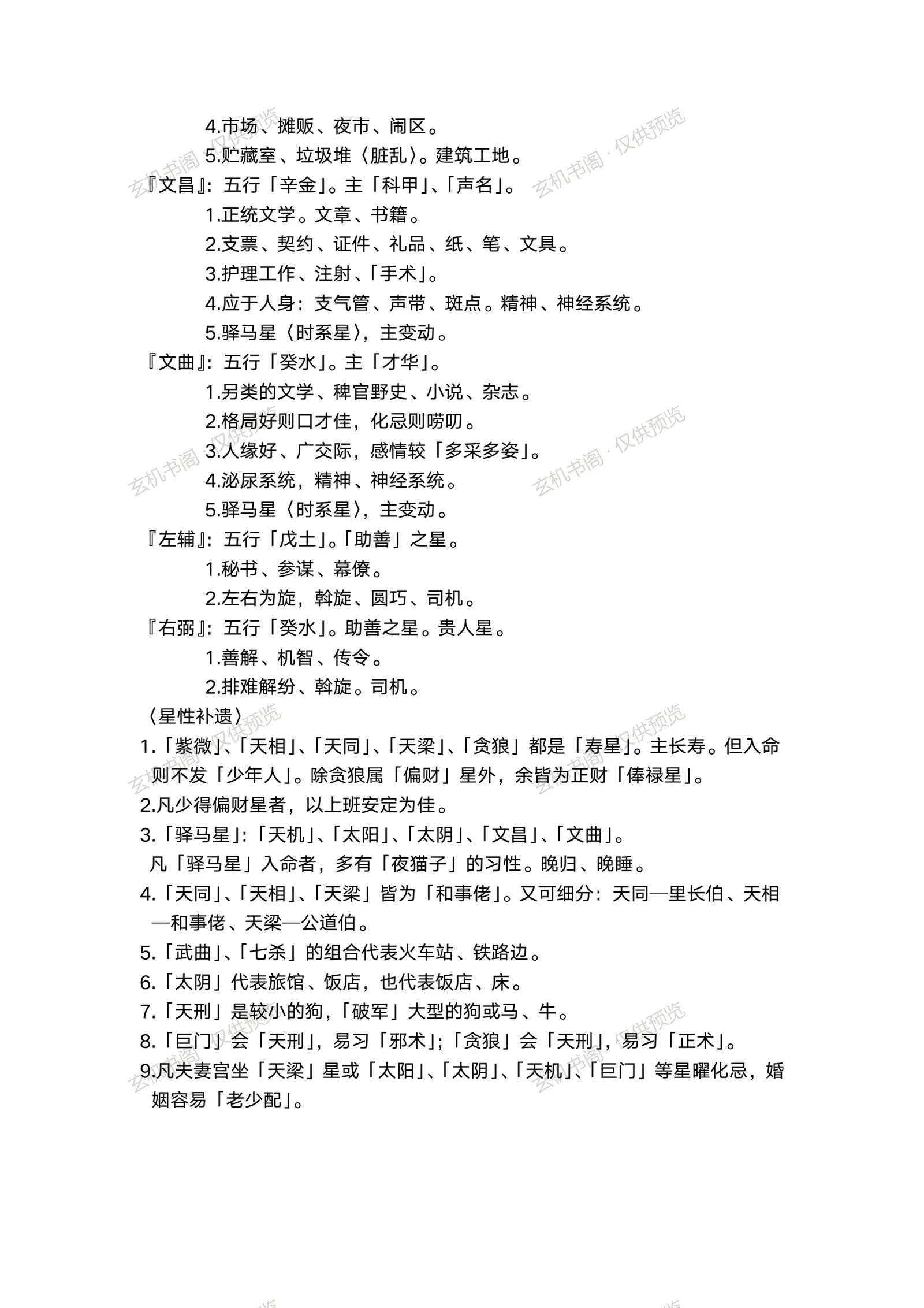
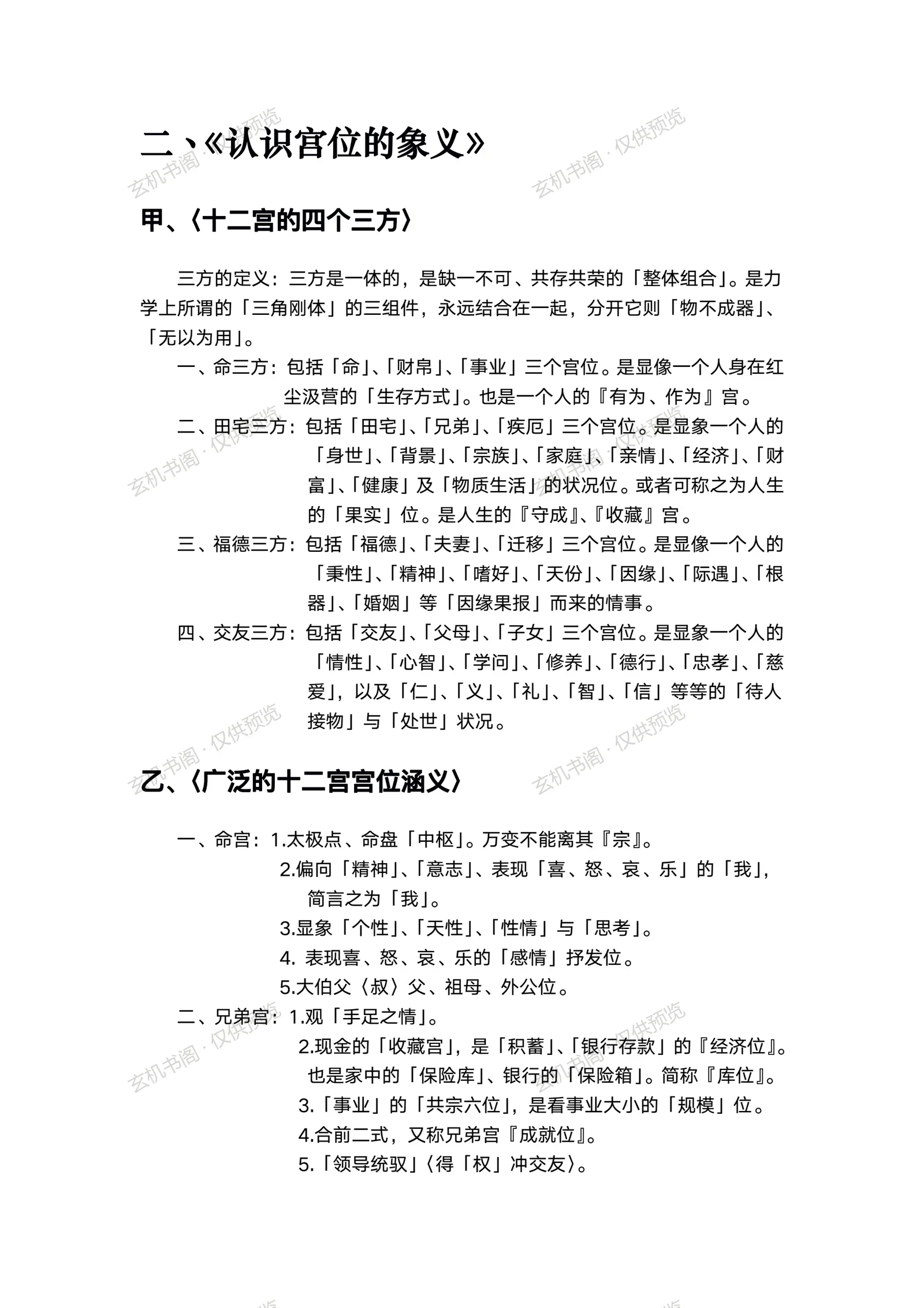
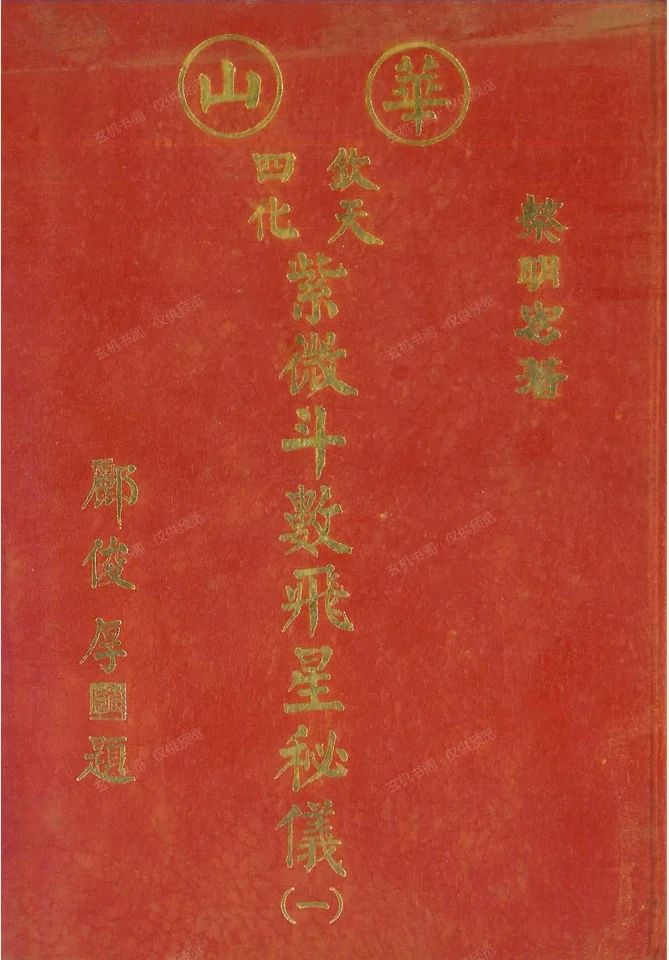
This introductory volume of Liang Ruoyu's Flying Star Zi Wei Dou Shu presents the core framework of the Flying Star school: only eighteen stars are commonly used, with the twelve palaces as the main axis and the Four Transformations as the operating principle, requiring palaces, stars, and transformations to be read together. The text explains that star symbolism derives from characters in the Investiture of the Gods, and recommends readers study that classic first. It details the Five Elements, mythological figures, transformations, and multi-layered correspondences of stars such as Ziwei, Tianji, Taiyang, Wuqu, Tiantong, Lianzhen, Tianfu, Taiyin, Tanlang, Jumen, Tianxiang, Tianliang, Qisha, Pojun, Wenchang, Wenqu, Zuofu, and Youbi, covering objects, industries, physical ailments, and relatives. The latter part introduces the symbolism of the palaces, first explaining the four triads and then the broad meanings of each of the twelve palaces. It is a foundational text for those with basic Zi Wei Dou Shu knowledge who wish to study the Flying Star school.
Contents
Chapter 1: Star symbolism of the Flying Star school (eighteen main stars)
Supplementary notes on star nature: longevity, travel, peacemaking, combinations
Chapter 2: Understanding the symbolism of the palaces
A. The four triads of the twelve palaces
B. Broad meanings of the twelve palaces (Life Palace, Siblings Palace, etc.)
Key Points
The Flying Star school uses only eighteen stars, with palaces as axis and Four Transformations as function.
Palace, star, and transformation must be read together to determine structure and fortune.
Star symbolism comes from Investiture of the Gods characters; study that classic first.
Star correspondences cover objects, industries, ailments, and relatives at multiple levels.
The twelve palaces form four inseparable triads.