Reading guide
Content guideOverview
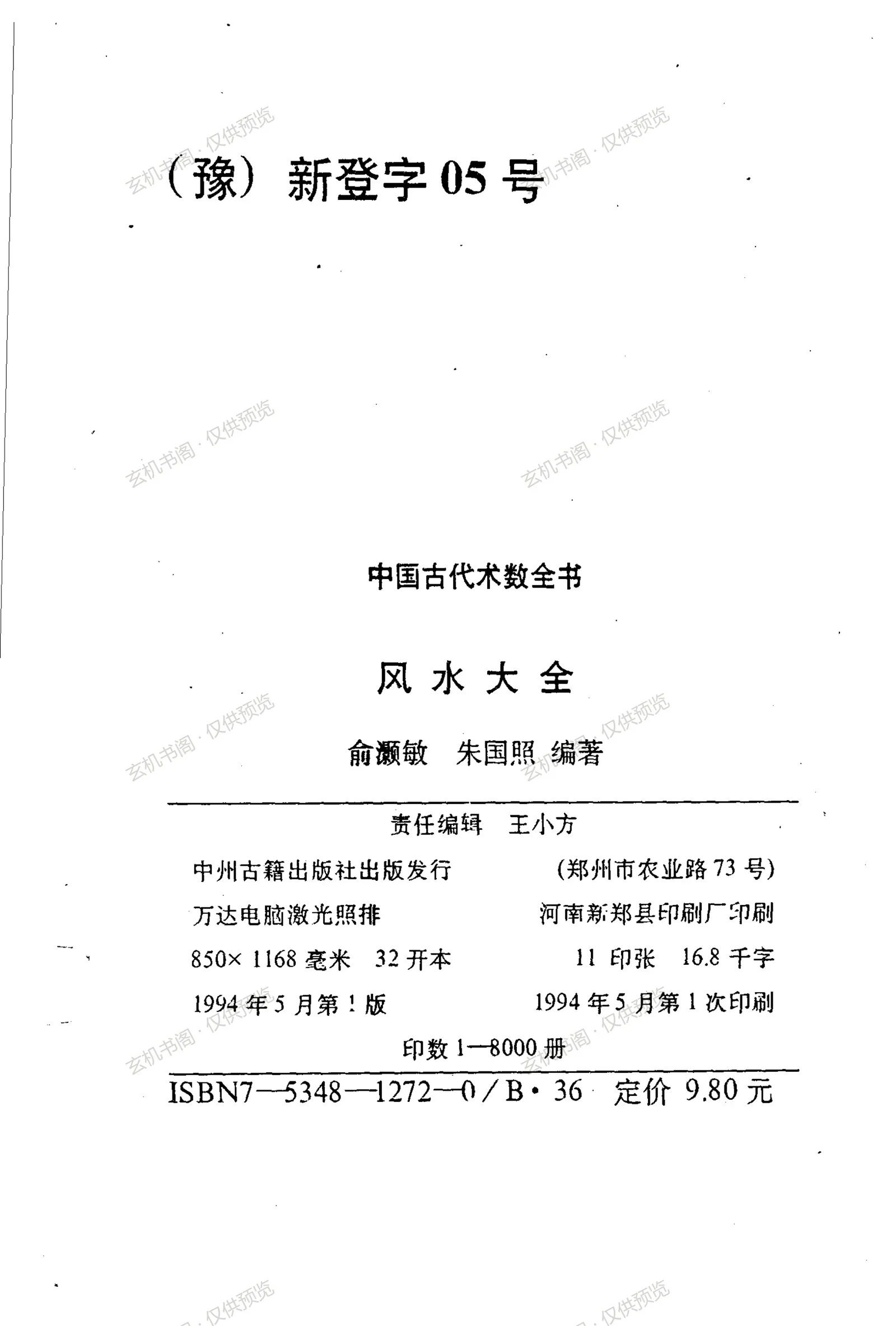
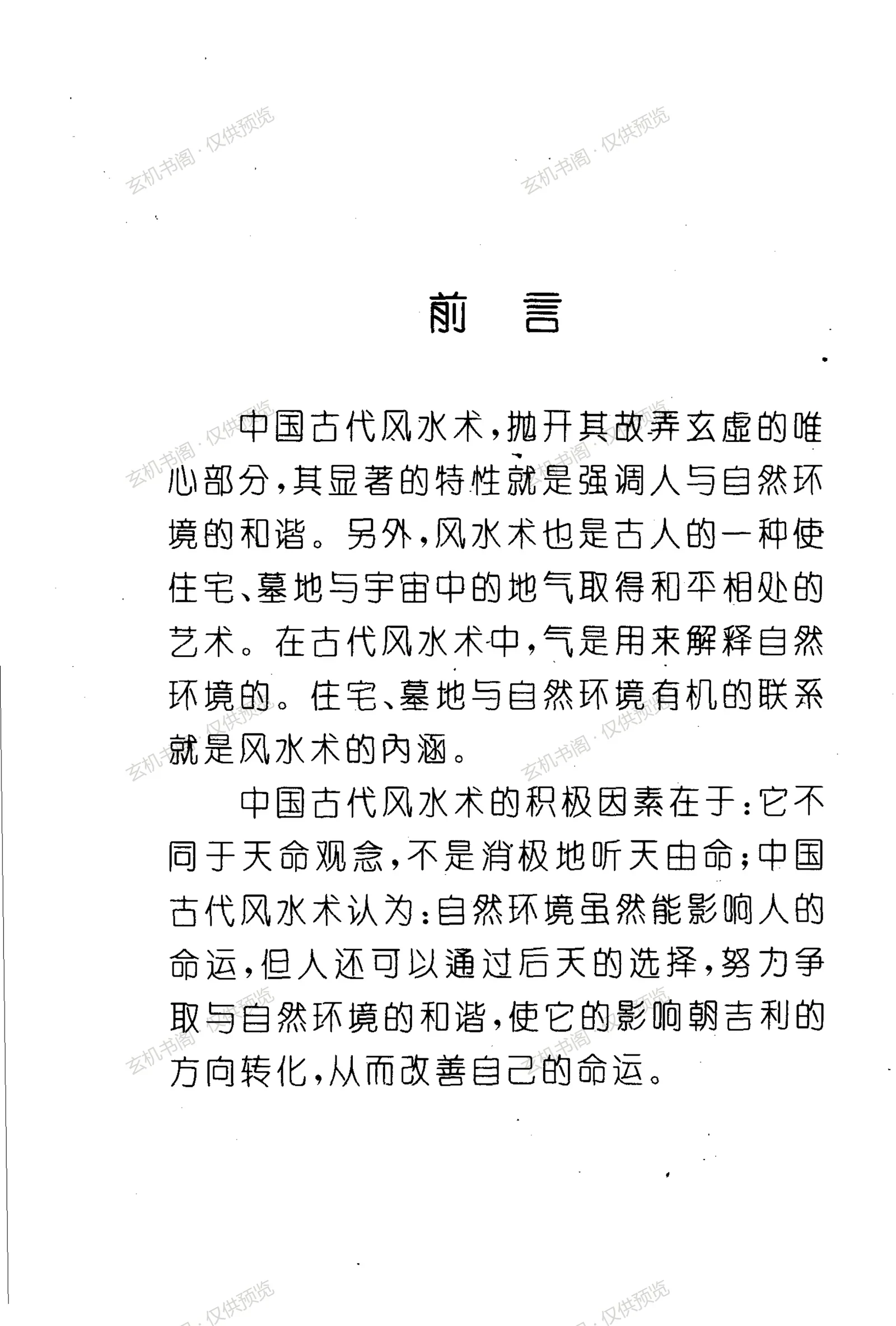
Compiled by Yu Haomin and Zhu Guozhao and published in 1994 by Zhongzhou Guji Press, The Complete Book of Feng Shui belongs to the series Complete Books of Ancient Chinese Divination. Centered on the concept of qi, it discusses how dwellings and graves relate to the natural environment and argues that people can improve their fate through deliberate choices. The book traces the origins and branches of feng shui, explains foundational ideas such as yin-yang correspondence, the five phases, the Three Powers, and bagua imagery, and then moves on to mountains and water, the luopan, flying stars, the You Nian song, and annual Taboo directions including San Sha and Tai Sui. Later chapters address dwelling fortune and divination, followed by reflections on religion, ethics, and technology. An appendix includes the Qing-dynasty Dili Qingnang Jing Jie by Wang Zongchen and a set of diagrams.
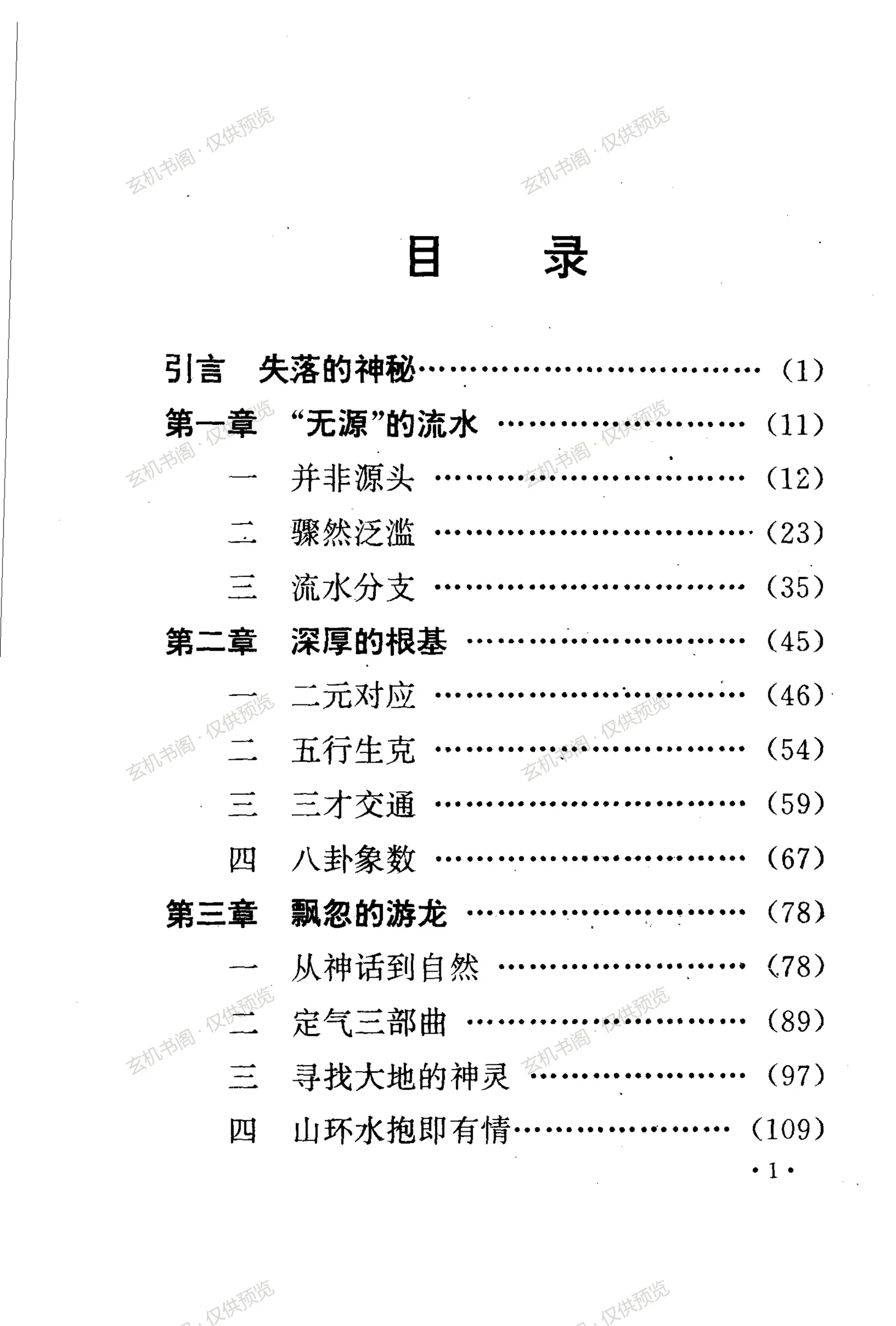
Contents
Introduction: The Lost Mystery
Chapter 1: The 'Sourceless' Stream—origins and branches
Chapter 2: Deep Foundations—yin-yang, five phases, bagua
Chapter 3: The Elusive Dragon—qi and landscape
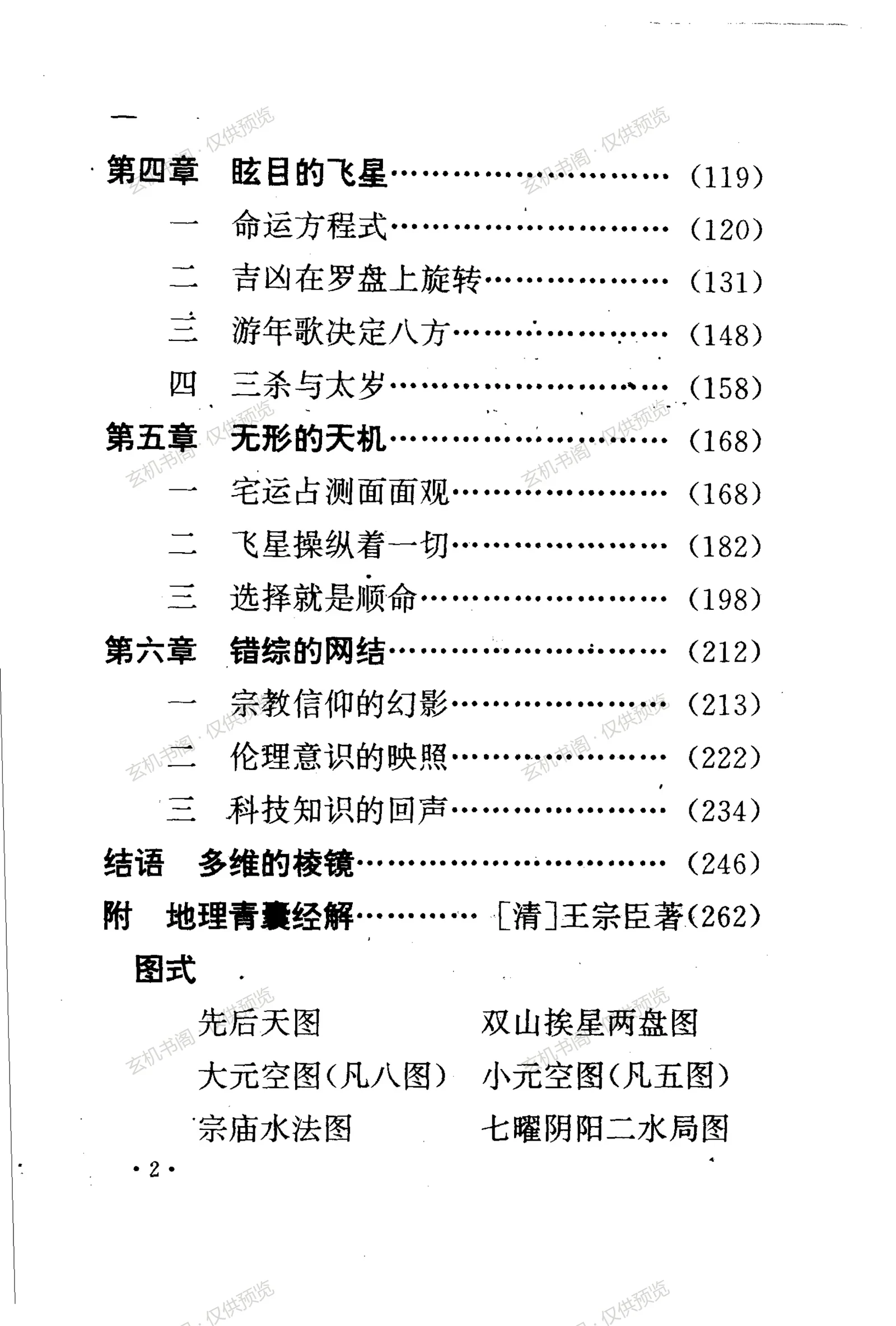
Chapter 4: Dazzling Flying Stars—luopan, You Nian, Tai Sui
Chapter 5: Invisible Mechanisms—dwelling fortune and choice
Chapter 6: Tangled Web—belief, ethics, and technology
Appendix: Dili Qingnang Jing Jie and diagrams
Key Points
Explains dwellings, graves, and nature through the concept of qi
Introduces yin-yang, five phases, Three Powers, and bagua as foundations
Focuses on luopan flying stars, You Nian song, San Sha, and Tai Sui
Appends the Qing-dynasty Dili Qingnang Jing Jie and multiple diagrams
Combines technical exposition with cultural reflection