Reading guide
Content guideOverview
This feng shui treatise by Tang Zhengyi opens with several prefaces by Wu, Hu, Liao, and the author himself, tracing his inheritance of the San Yuan (Three Cycles) kanyu tradition associated with Jiang Dahong. The prefaces stress that form (xingtou) and qi (liqi) must work together: form without qi gives no basis for fortune or misfortune, while qi without form cannot verify outcomes. The book reviews and critiques earlier masters such as Yang Junsong and Jiang Dahong, discusses site selection and burial or house construction, and includes annotations on technical terms like lifa and jieyu. Drawing on classical kanyu texts, it balances theory with practical application and will interest readers studying traditional feng shui and its transmission in Taiwan.
Contents
Author biography and lineage
Preface by Wu: yin-yang and geography
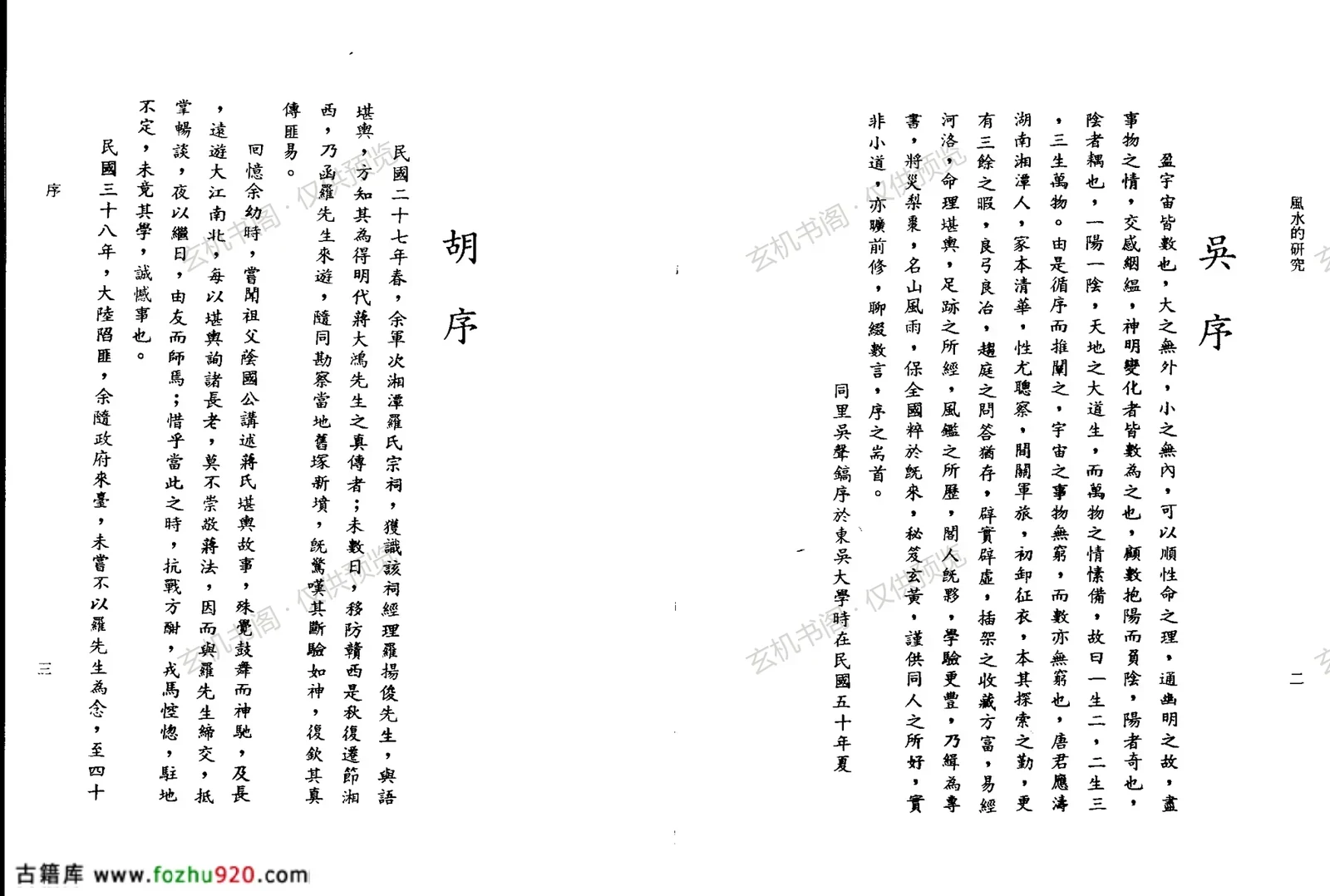
Preface by Hu: Qingnang classic and San Yuan
Preface by Liao: form and qi in tandem
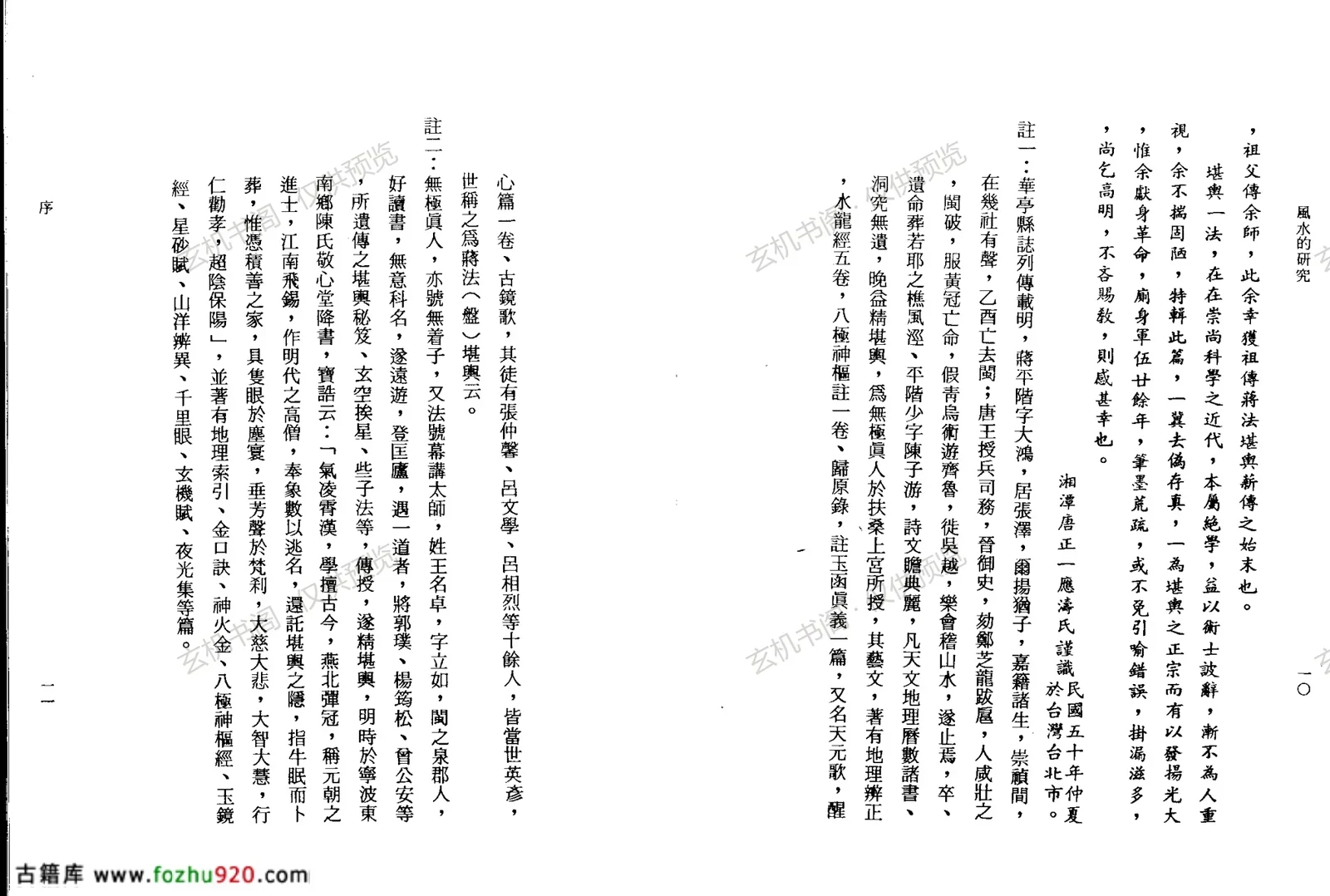
Author's preface: family learning and purpose
Notes on terms such as lifa and jieyu
Key Points
Form and qi are inseparable and must be combined
Inherits Jiang Dahong's San Yuan lineage and Qingnang system
Critiques earlier masters for one-sided emphasis on form or qi
Covers site selection, burial, and house construction
Annotates technical kanyu terms