Reading guide
Content guideOverview
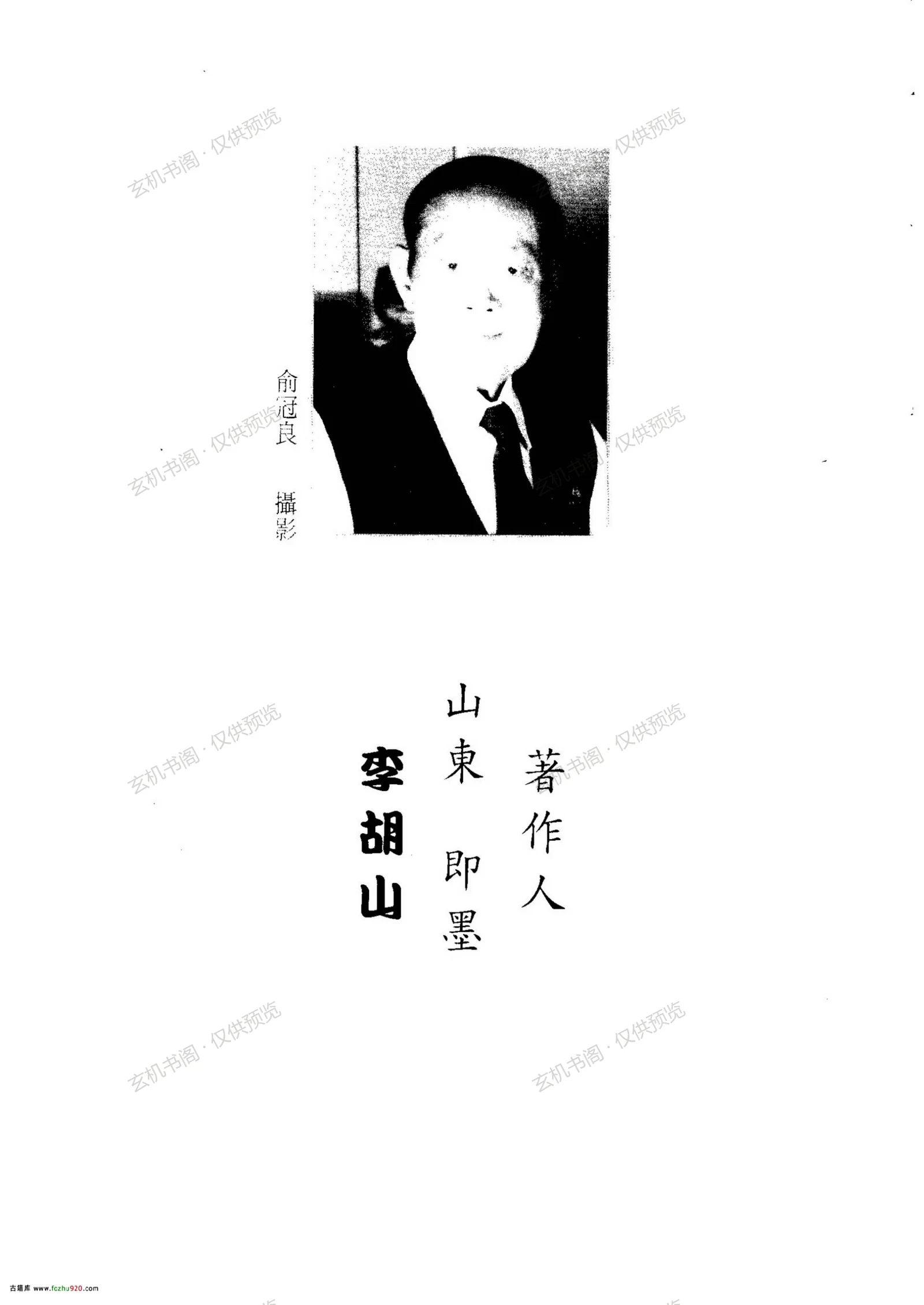
This is a feng shui manual on yang dwellings (residential and other occupied buildings) attributed to Li Hushan, whose cover carries the subtitle claiming that lost true methods of yin and yang dwellings are being made public. The table of contents shows a systematic progression. Chapter One, an overview of geography, lays out the post-heaven bagua, yin-yang diagrams, the wuxing natures of the bagua symbols, the five great yin-yang bagua, single- and double-mountain wuxing, and the nine stars with their orientations and attributes. Chapter Two, a general treatise on yang dwellings, covers the post-heaven luopan, the four eastern and four western gua, the younian song formulas, the entry of the four auspicious and four inauspicious stars, clashes between palace and star, room-and-layout interactions, water discharge, water courses around the house, interior and exterior auspiciousness, and missing corners. Chapter Three classifies dwellings as static, transformed, moving, storied, and multi-storey buildings, with diagrams of yin-yang forward and reverse sequences. Later chapters add floor plans, eight-mansion nine-star analysis, and methods for determining the ruling star of factories, offices, schools, temples, basements, and staircases. The book moves from conceptual foundations to practical rules, making it useful for readers with prior knowledge of the bagua and nine stars who want to apply traditional methods to modern multi-storey buildings.
Contents
Ch.1 Overview of geography: bagua, yin-yang diagrams, wuxing
Bagua natures, single and double mountain wuxing, nine stars
Ch.2 Yang dwelling theory: luopan use, four eastern/western gua
Younian songs, four auspicious and inauspicious stars, palace-star clashes
Water discharge, water courses, interior/exterior auspiciousness, missing corners
Ch.3 Static, transformed, moving and storied dwellings
Ch.4-7 Floor plans, eight-mansion nine stars, factories and temples
Key Points
Uses post-heaven bagua and nine-star wuxing to judge gates and orientations
Includes luopan usage, younian songs, and star-entry rules
Classifies dwellings by form: static, moving, transformed, storied
Extends methods to factories, offices, schools, temples and basements
Addresses staircases and other features of modern buildings