Reading guide
Content guideOverview
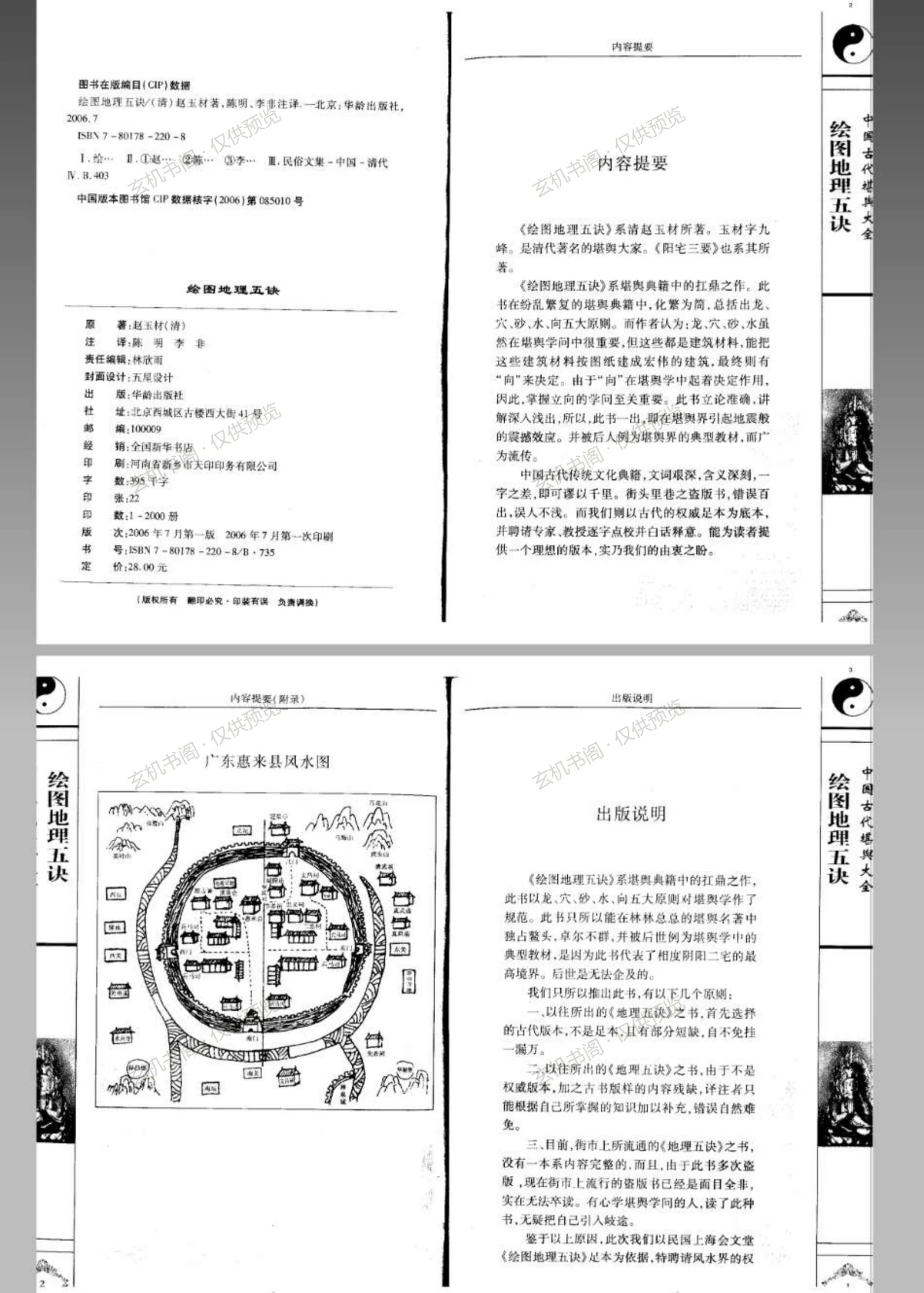
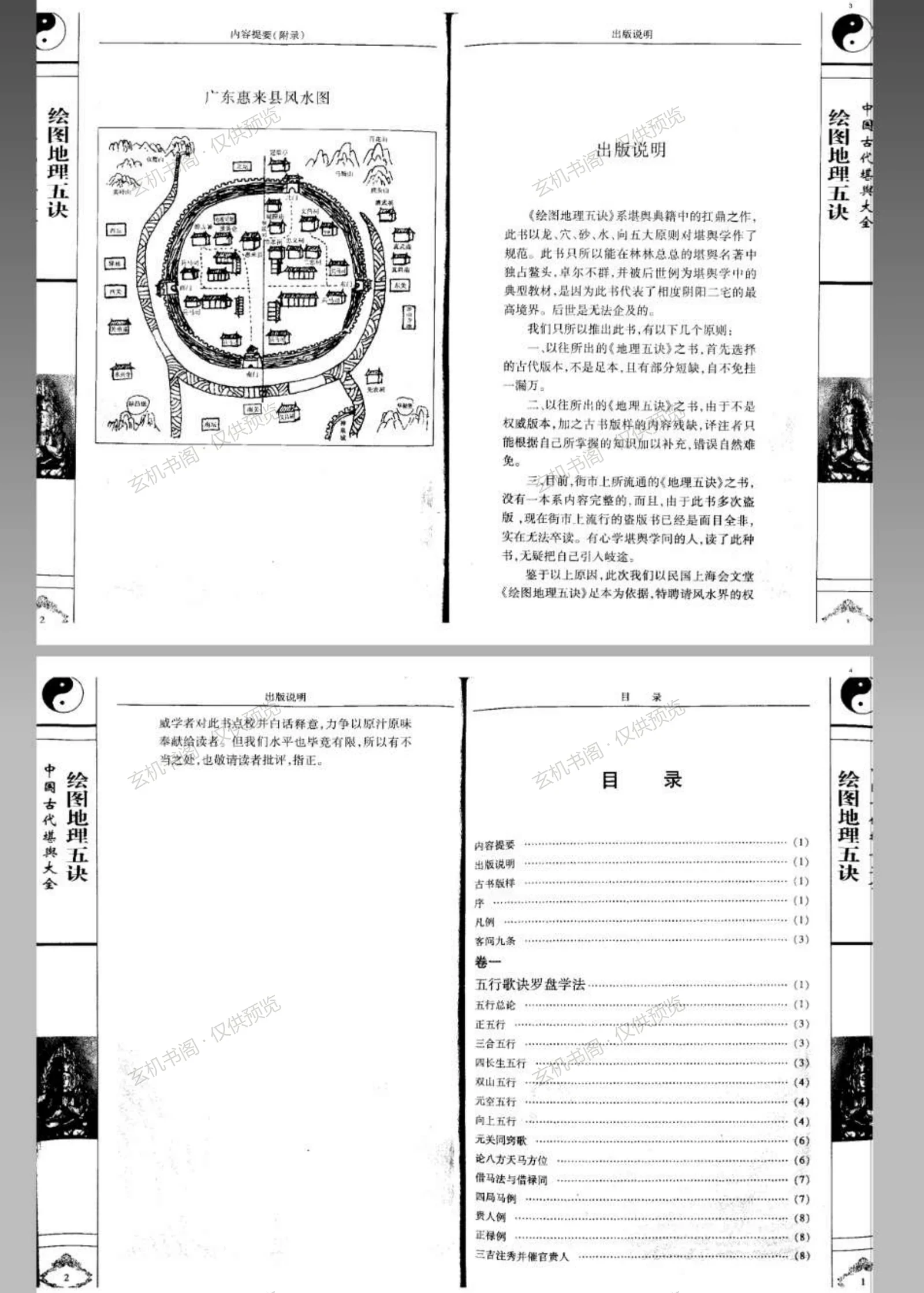
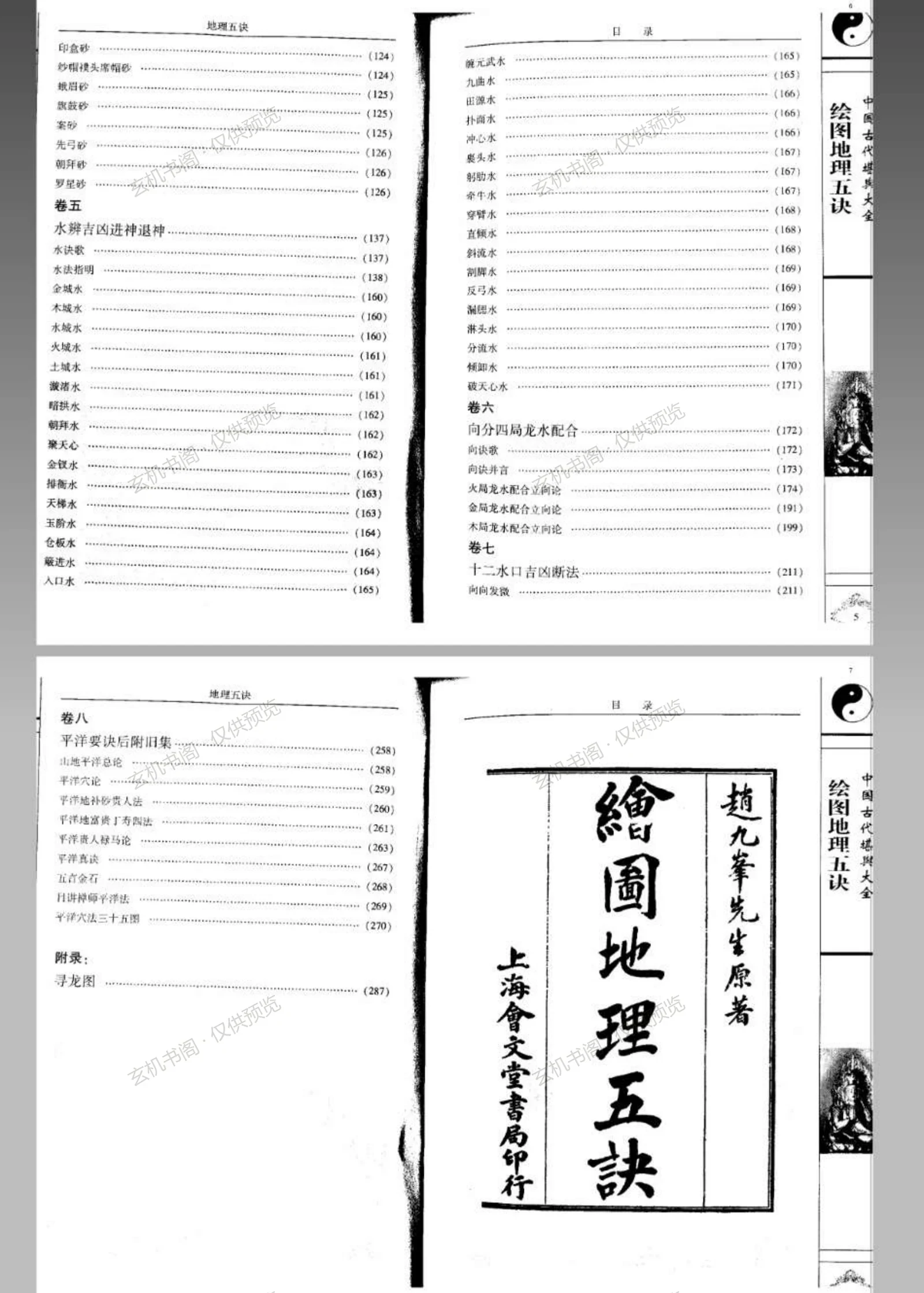
This is a modern Chinese annotated edition of the Qing-dynasty fengshui classic Dili Wujue (Five Secrets of Geography) by Zhao Jiufeng, with vernacular explanations by Chen Ming and Li Fei. The text is organized around five governing principles—dragons, caves, sand, water, and facing—and argues that facing is the decisive factor in siting. Its eight fascicles cover the five-element chants and luopan method, the rise and fall of dragon forms, cave classification by yin-yang and rank, sand formations and their auspicious or inauspicious positions, water methods for judging fortune, the matching of dragon and water across the four bureaus, twelve water-mouth judgments, and plain-terrain methods with an appended dragon-seeking chart. The book is concise and accessible, widely treated as a textbook of Sanhe fengshui, and suits readers studying traditional siting and luopan theory.
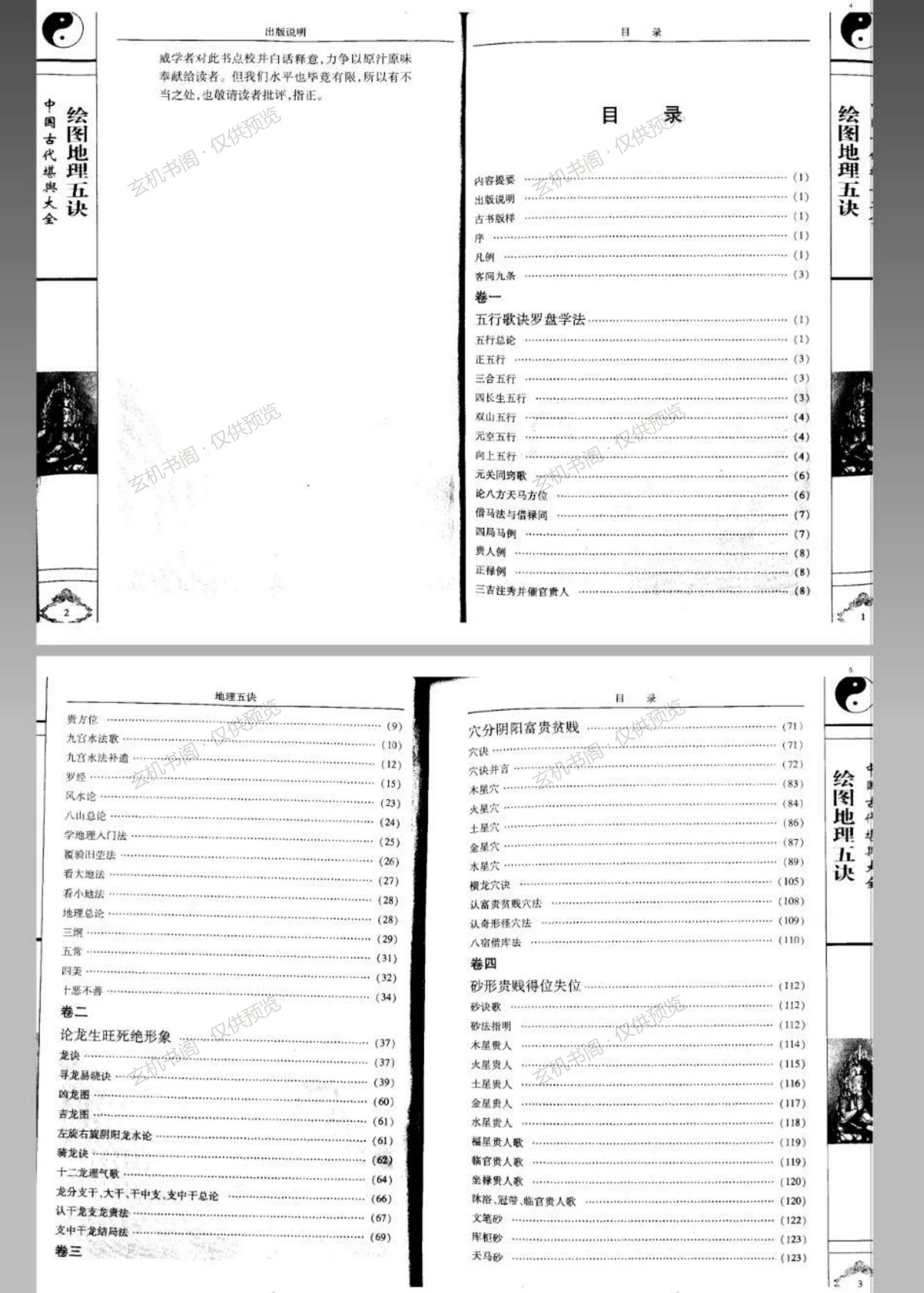
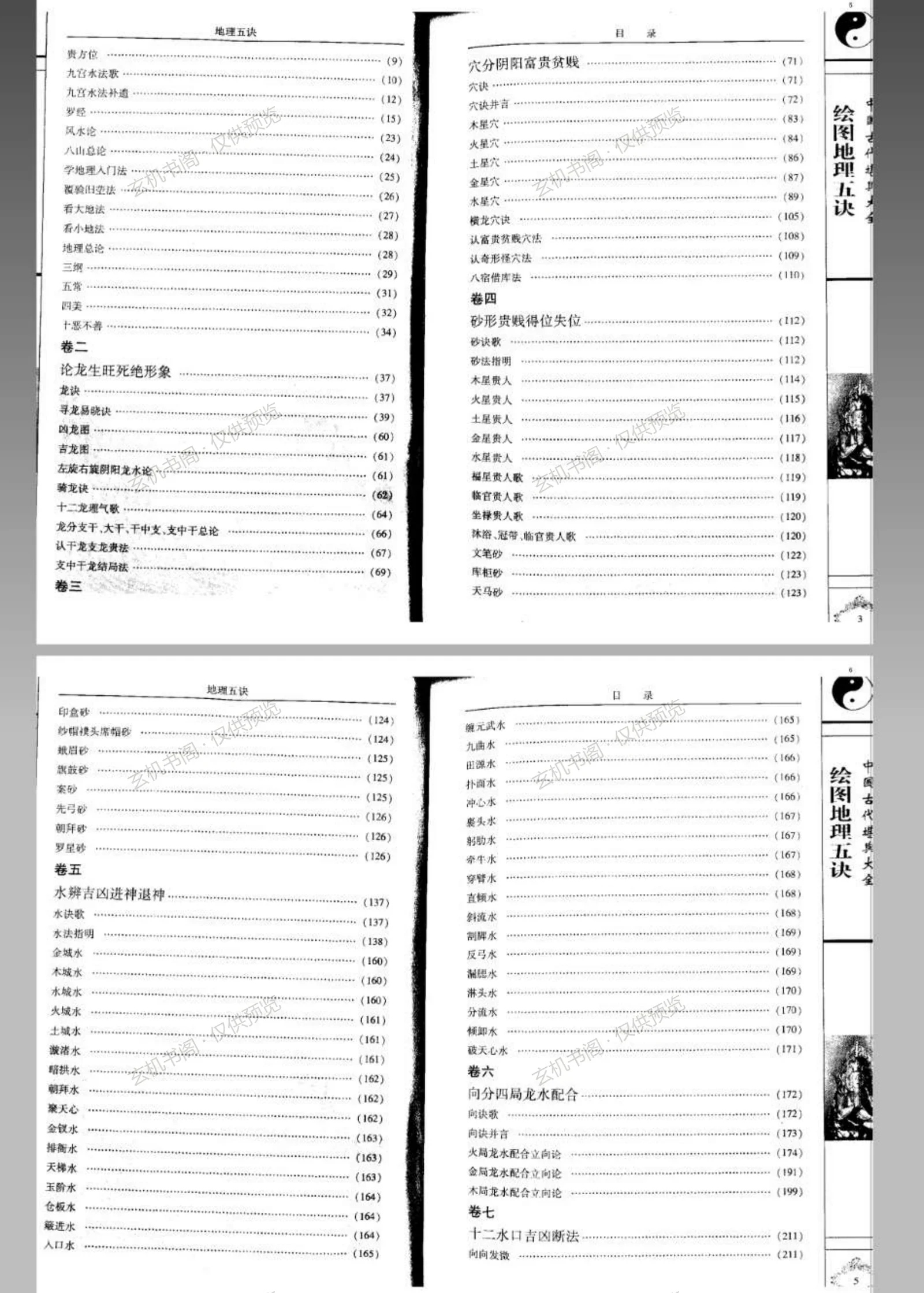
Contents
Fascicle 1: Five-element chants and luopan method
Fascicle 2: Dragon forms and their rise and fall
Fascicle 3: Cave classification by yin-yang and rank
Fascicle 4: Sand formations, auspicious and inauspicious positions
Fascicle 5: Water methods for judging fortune
Fascicle 6: Matching dragon and water across the four bureaus
Fascicle 7: Twelve water-mouth judgments
Fascicle 8: Plain-terrain methods and dragon-seeking charts
Key Points
The five principles of dragons, caves, sand, water, and facing frame the whole book, with facing given decisive weight.
Fascicle 1 covers five-element categories and luopan method, the basis of Sanhe fengshui theory.
Fascicles 3 to 5 treat caves, sand, and water through form-based judgments.
Fascicles 6 and 7 apply theory through four-bureau facing and twelve water-mouth judgments.
Fascicle 8 addresses plain terrain and includes dragon-seeking charts for both mountain and flatland settings.