Reading guide
Content guideOverview
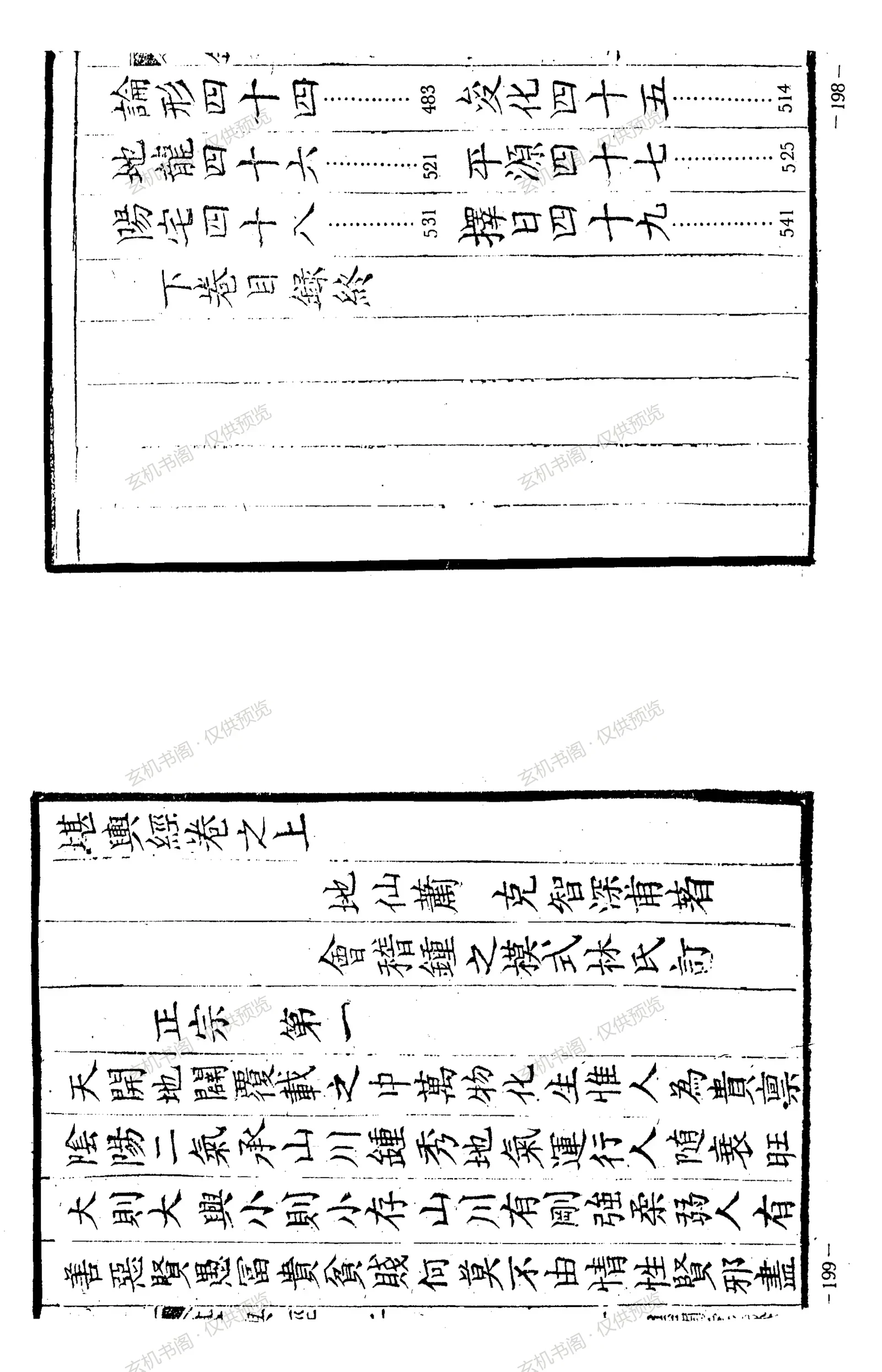
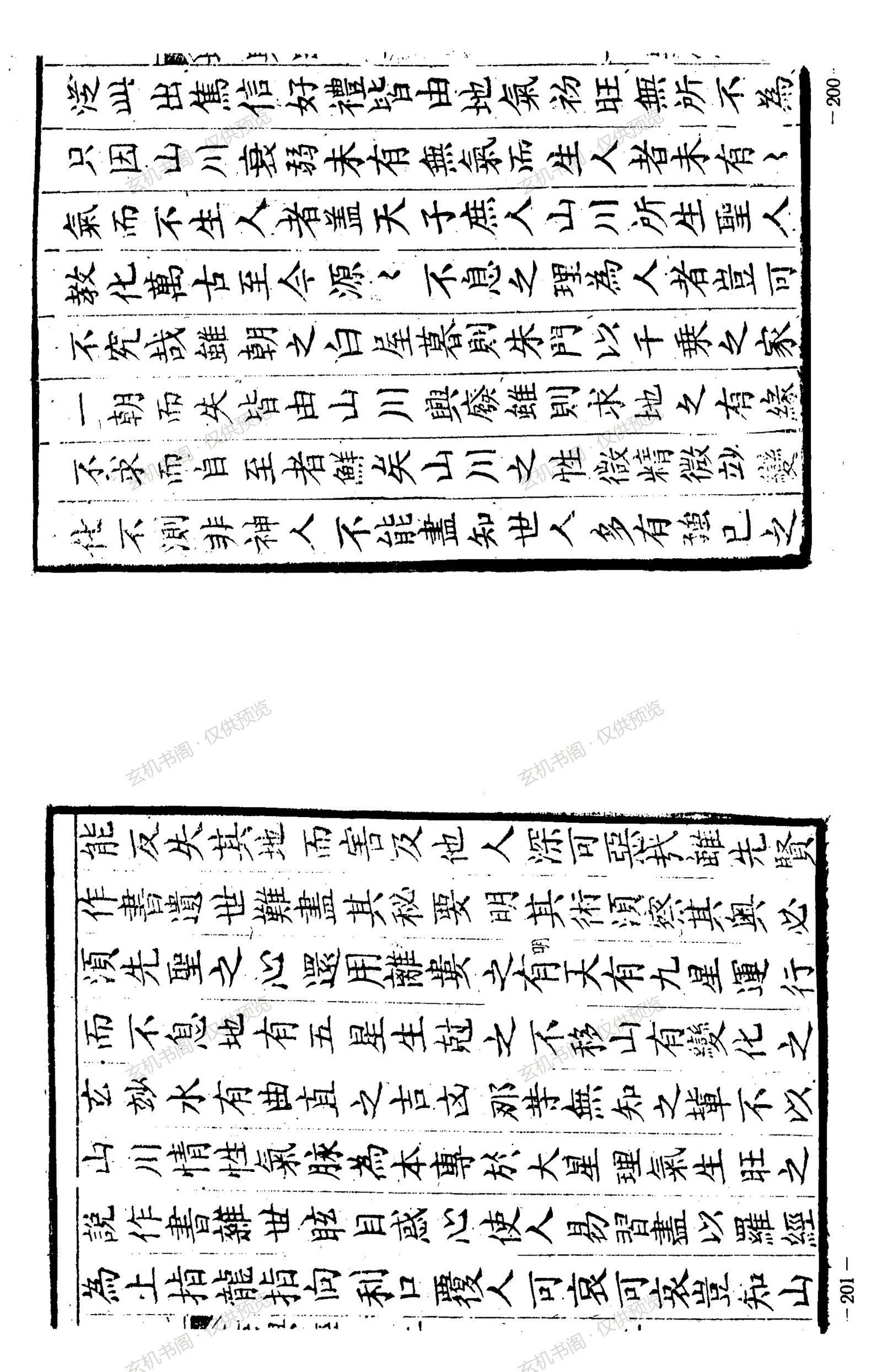
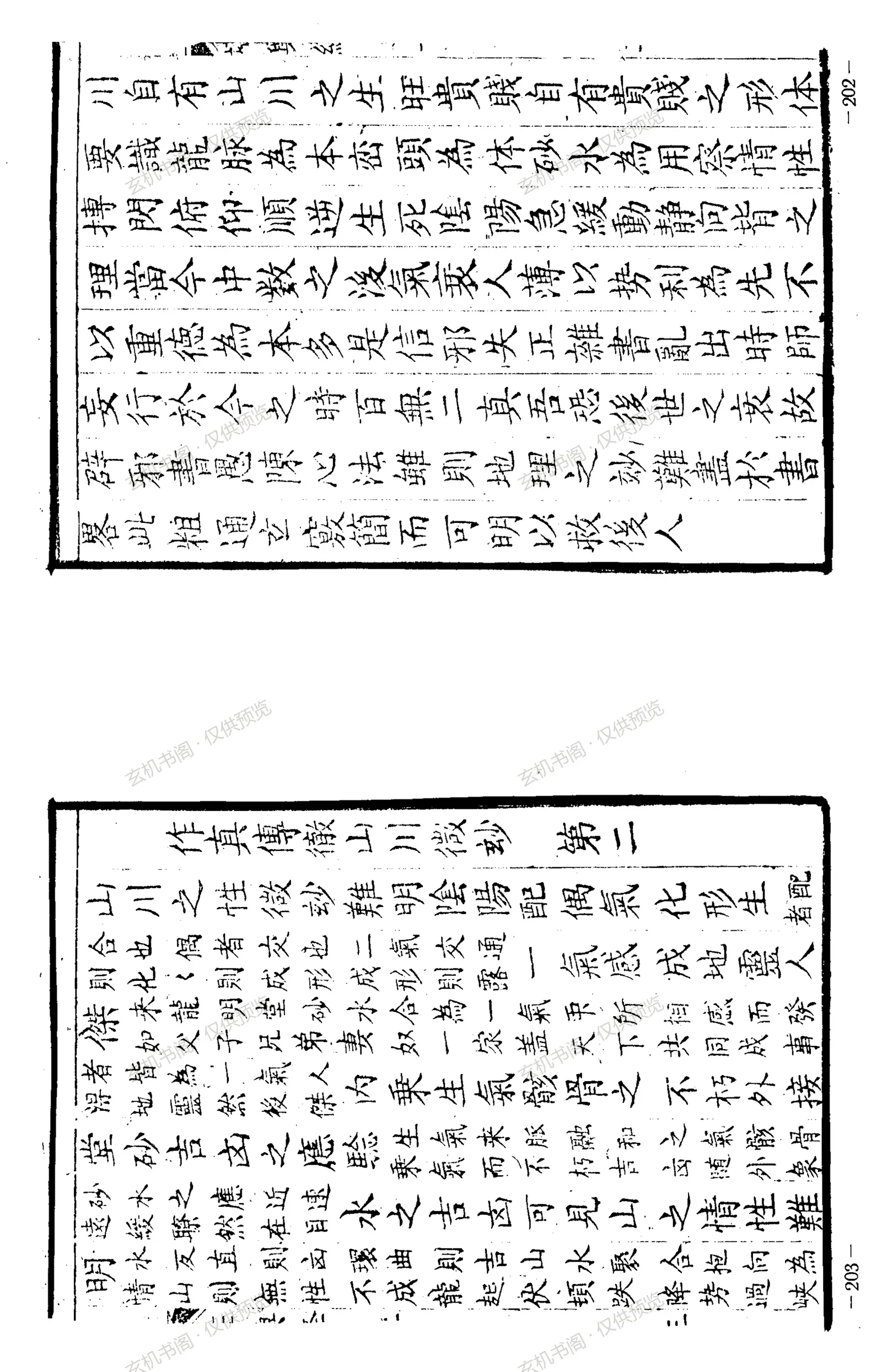
The ancient Kanyu Jing is a form-oriented fengshui text. Its preface laments the abundance of unreliable geographic writings and warns against relying on a single method; instead, one must understand the underlying principles. The main body opens with a discussion of the nature of mountains and rivers, the doctrine that mountains are substance and water is function, and the interplay of yin and yang that gives rise to form. It then addresses the core practices of dragon-spotting, point selection, sand assessment, and water evaluation, including the true and false aspects of dragon veins and the auspicious or inauspicious shapes of sand and water. The table of contents shows a multi-juan structure with numbered sections, covering a broad range of topics from locating dragons to establishing orientations. The work belongs to the practical landscape school and is a valuable reference for the study of traditional Chinese geography and fengshui.
Contents
Preface: geographic texts are mixed in quality, no single method suffices
Juan 1: nature of mountains and rivers, form and principle, yin-yang pairing
Juan 2: dragon-spotting and distinguishing true from false veins
Juan 3: point selection and methods of fixing the spot
Juan 4: sand assessment and auspicious sand forms
Juan 5: water evaluation and the auspiciousness of water flow
Juan 6: orientation and facing
Key Points
Primarily a landscape (xingfa) text emphasizing the relationship between form and qi.
States the principle that mountains are substance and water is function.
Stresses practical methods for spotting dragons, choosing spots, assessing sand and water.
The preface criticizes false methods and advocates reasoned understanding.
The table of contents shows a clear multi-juan structure with numbered sub-sections.