Reading guide
Content guideOverview
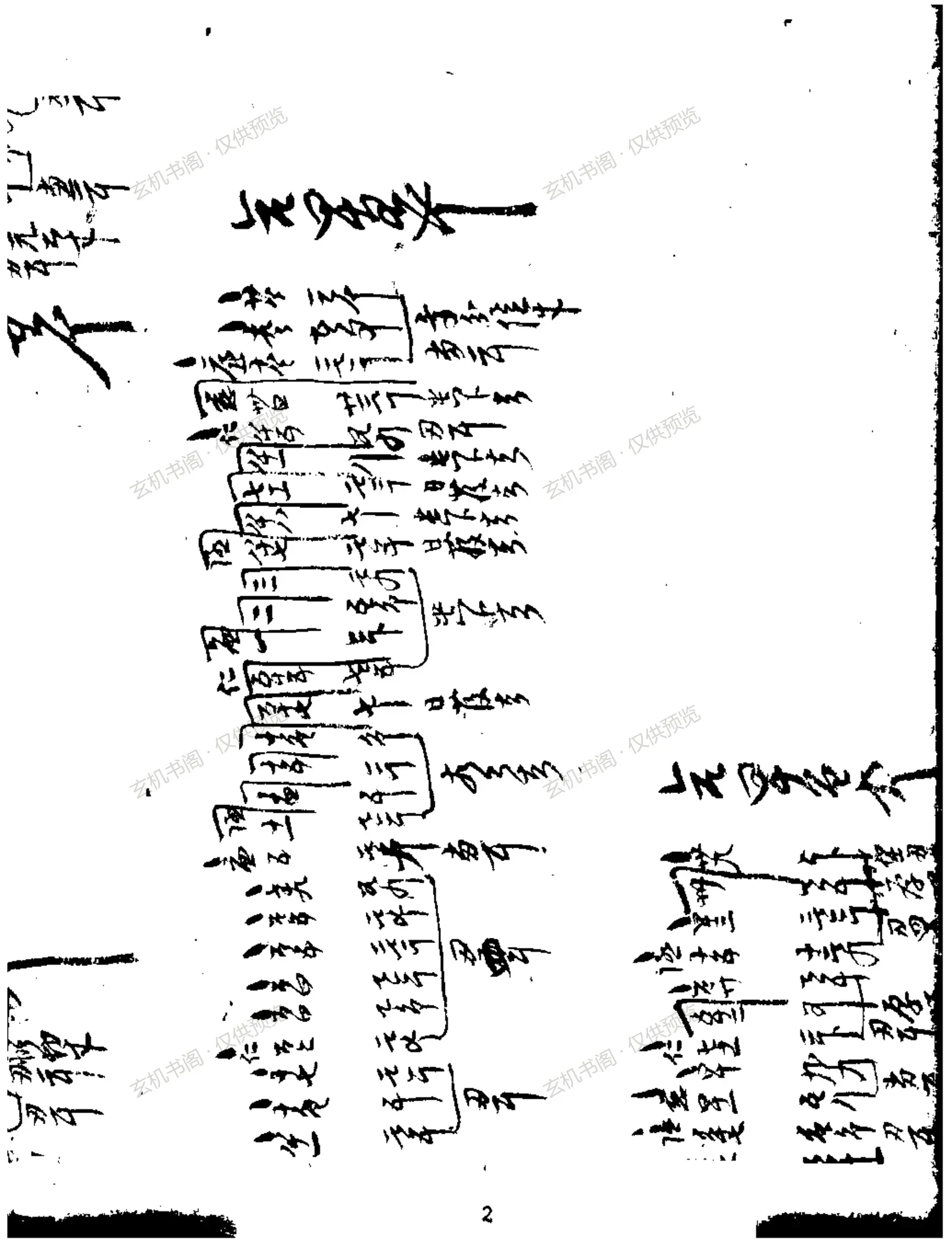
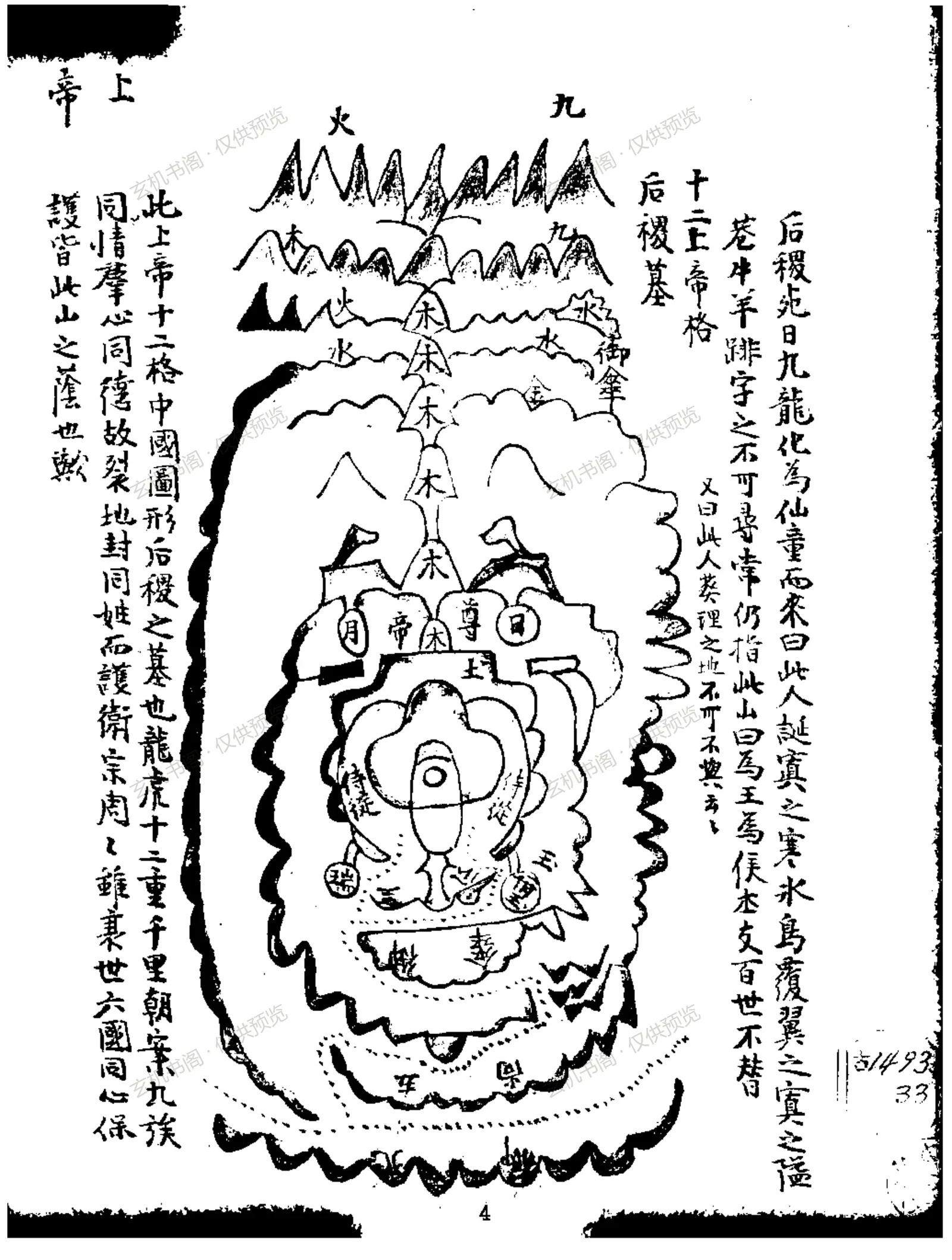
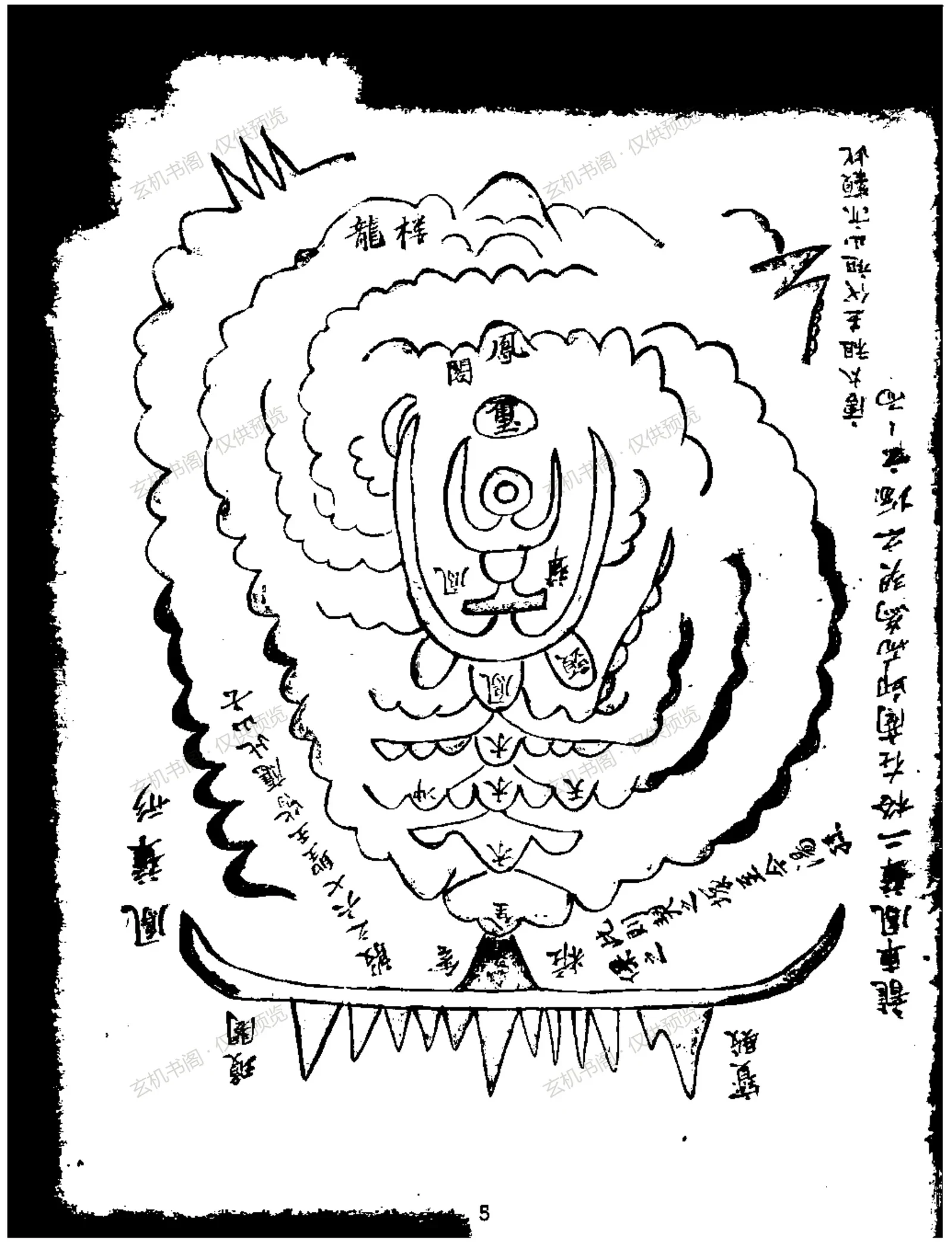
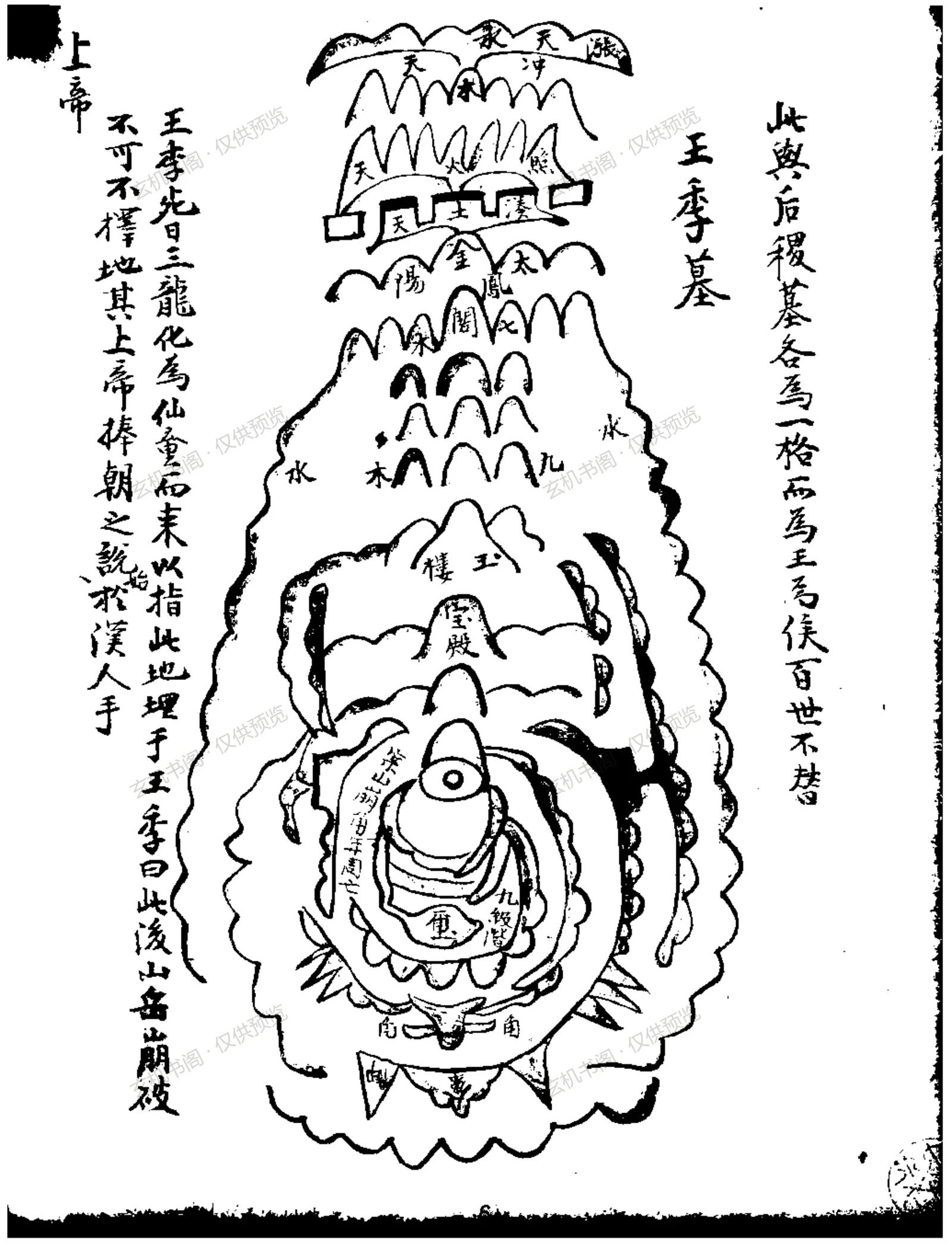
This old volume, titled Kanyu Tu (Illustrated Geography) with the added note 'Appended Human Form', presents feng shui through diagrams rather than dense prose. Page 2 is a handwritten table of contents listing entries such as Hou Ji's Tomb, King Ji's Tomb, and the Appended Human Form. The main pages pair drawings with brief annotations. One diagram depicts the tomb of Hou Ji, labeling the 'Twelve Emperor Formation', with text describing twelve-fold dragon and tiger embrace, distant court mountains, and auspicious forms likened to a divine youth, cold ice, or bird wings, said to ensure enduring nobility. Another page shows the 'Appended Human Form', a human-like figure surrounded by layered mountains labeled Dragon Tower, Precious Hall, and Bright Hall. A further diagram presents King Ji's Tomb, with layered labels of Heaven, Fire, Wood, Metal, Water, and nine tiers, accompanied by a textual account of three dragons transforming into a divine youth, while warning of eventual mountain collapse and water breach. The work belongs to the xingshi (form) school of feng shui, emphasizing dragon veins, surrounding sand and water, and court-mountain configurations. It is useful for studying traditional feng shui diagrammatic conventions and imperial tomb siting. As a scanned old manuscript in cursive script, some entries remain difficult to read.
Contents
Cover title Kanyu Tu, with added note 'Appended Human Form'
Handwritten contents listing Hou Ji's Tomb, King Ji's Tomb, and more
Diagram and text on Hou Ji's Tomb and the Twelve Emperor Formation
Appended Human Form diagram with Dragon Tower and layered guards
Diagram of King Ji's Tomb with dragon-vein auspice and warning
Key Points
Diagrams dominate, showing mountain dragon configurations visually
Annotations correlate dragon veins, court mountains, sand and water with fortune
Hou Ji and King Ji tombs serve as models of imperial tomb siting
Emphasizes naming forms after likenesses such as divine youth or bird wings
The human-form diagram maps bodily structure onto landscape