Reading guide
Content guideOverview
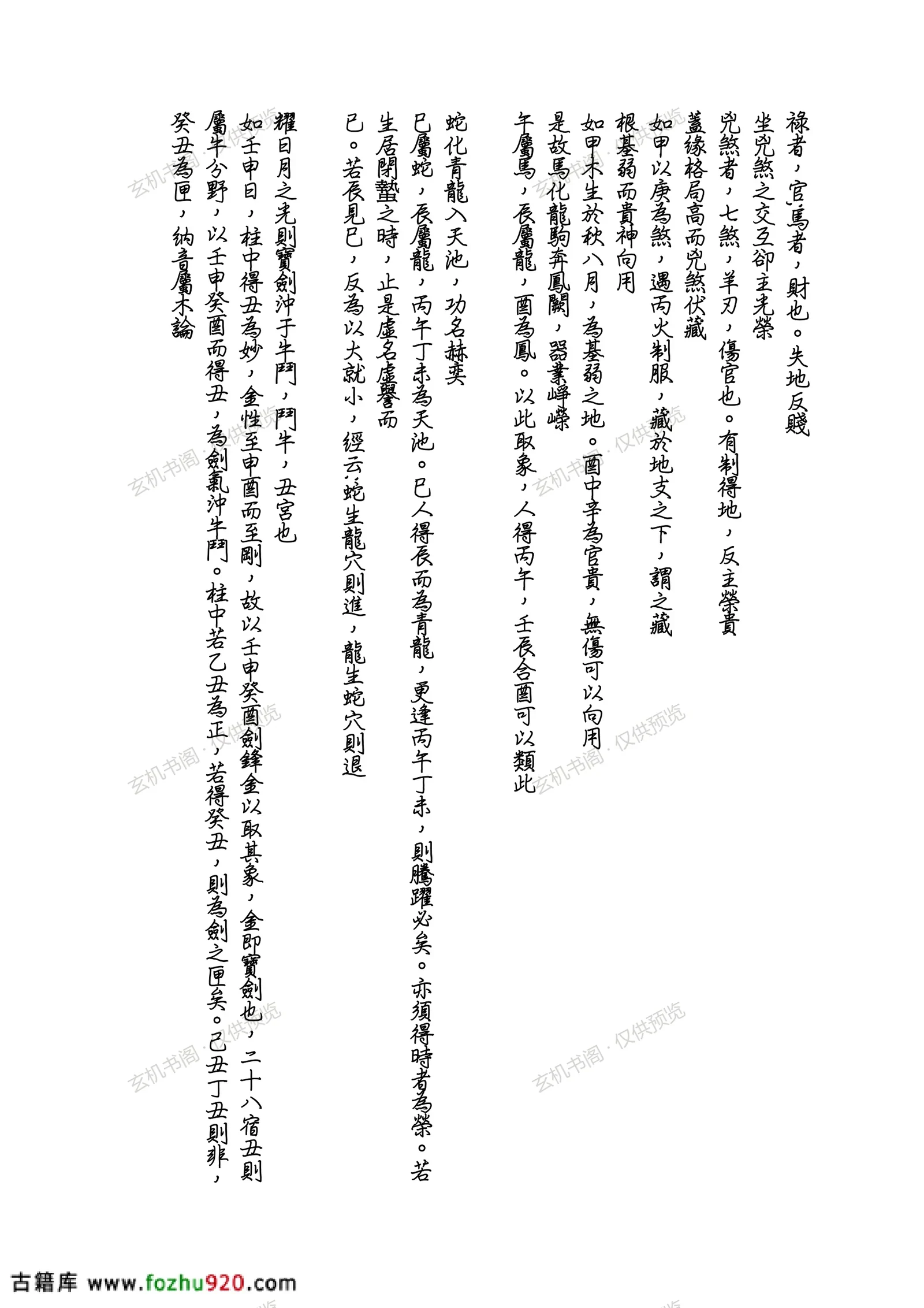
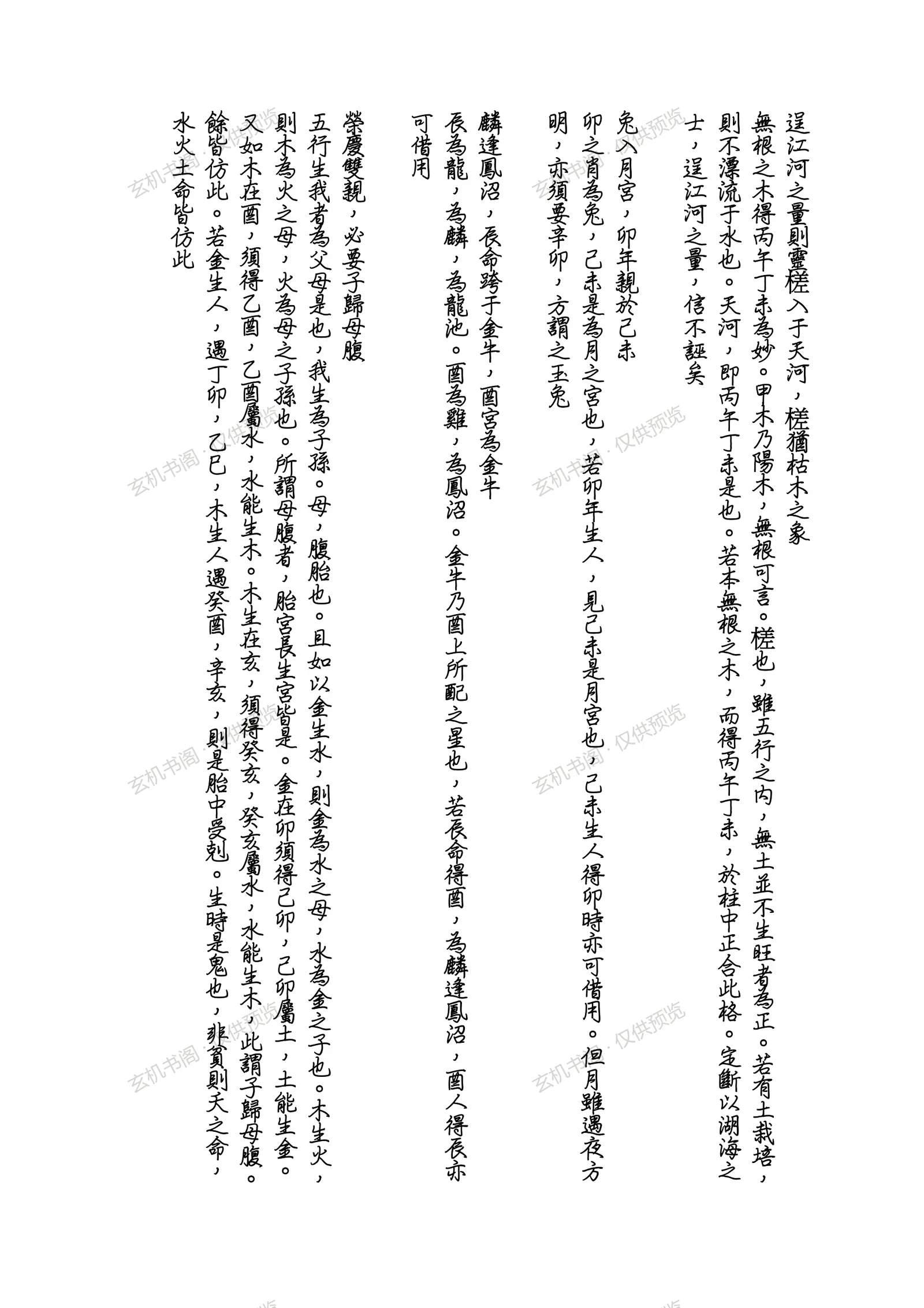
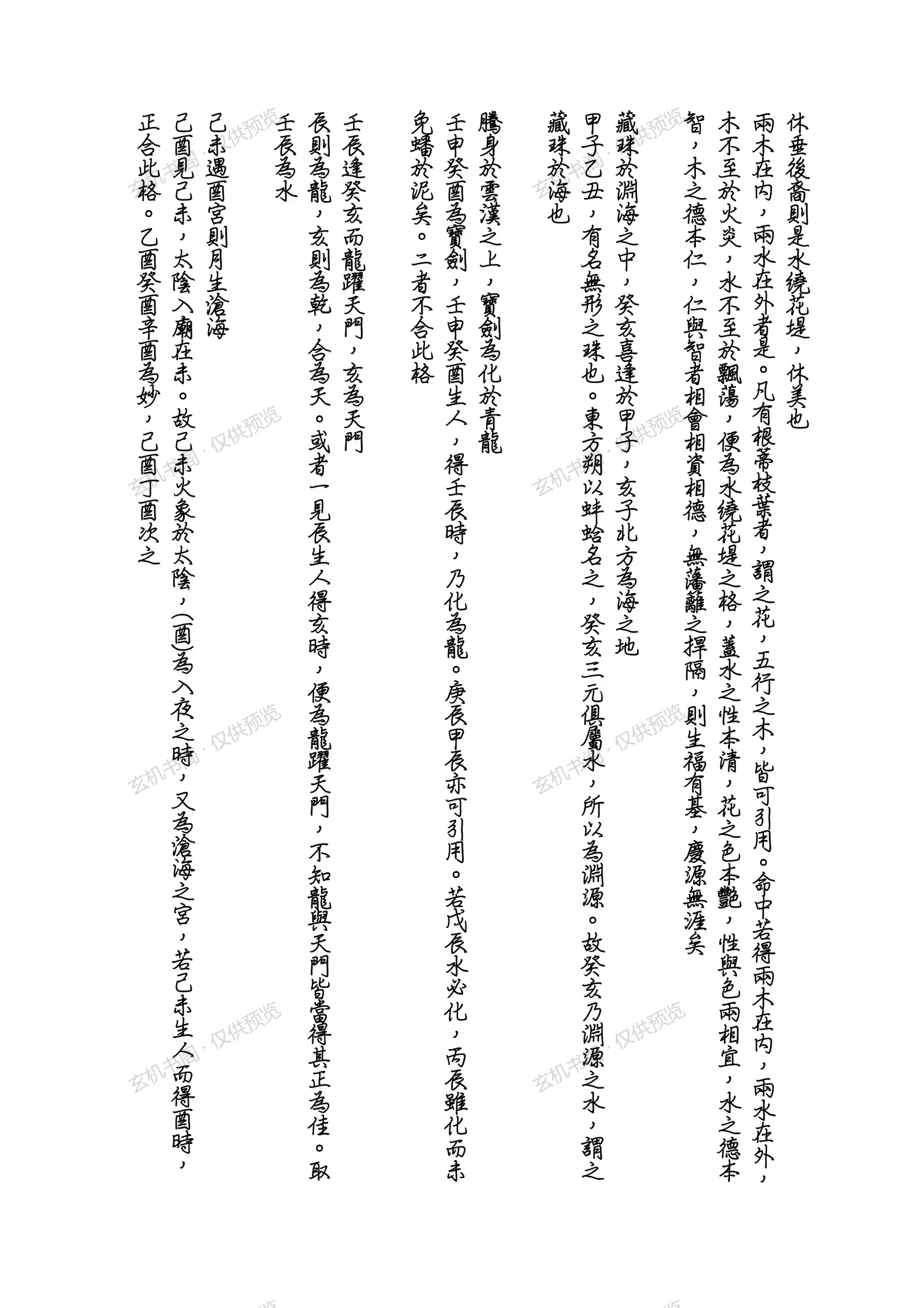
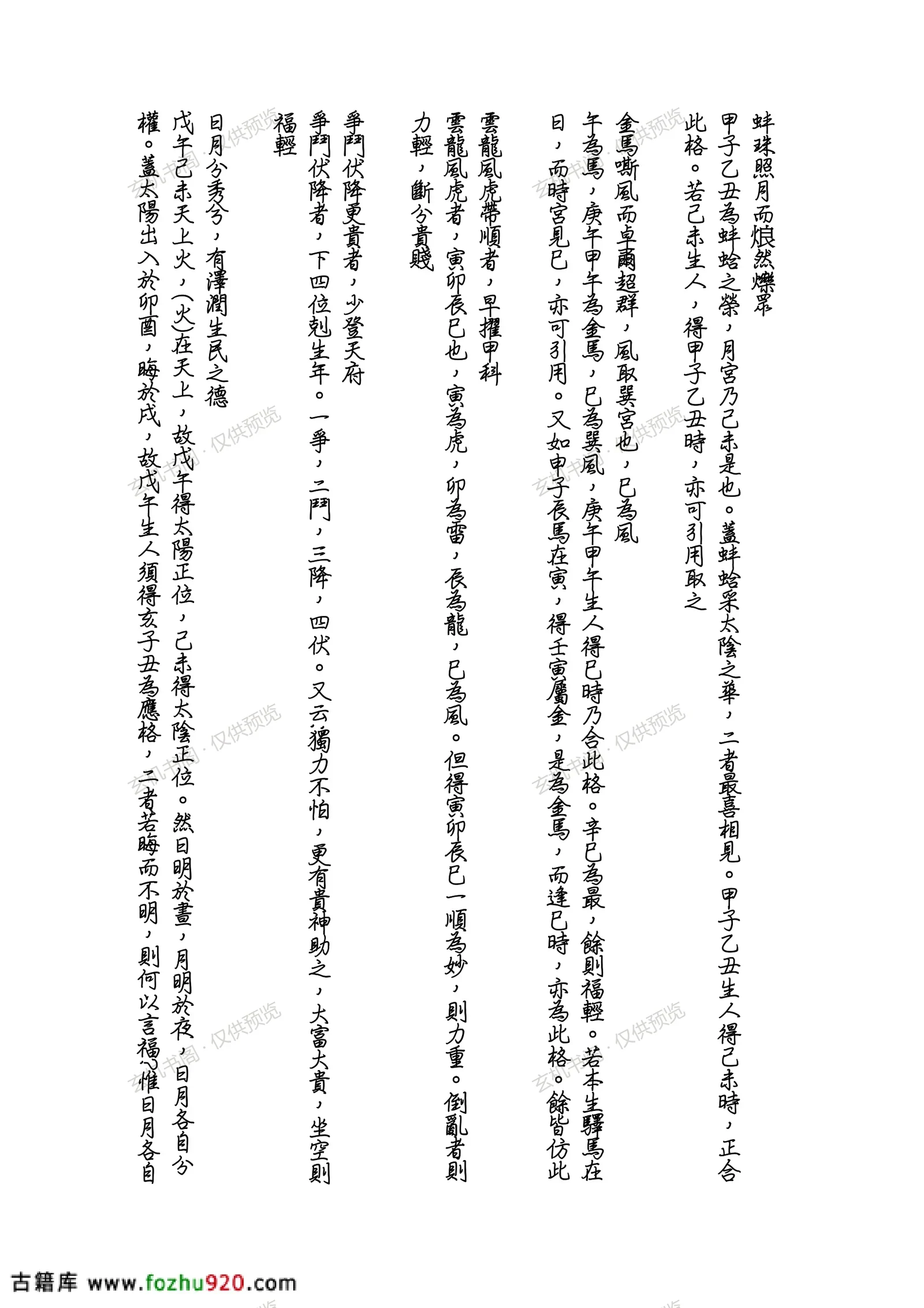
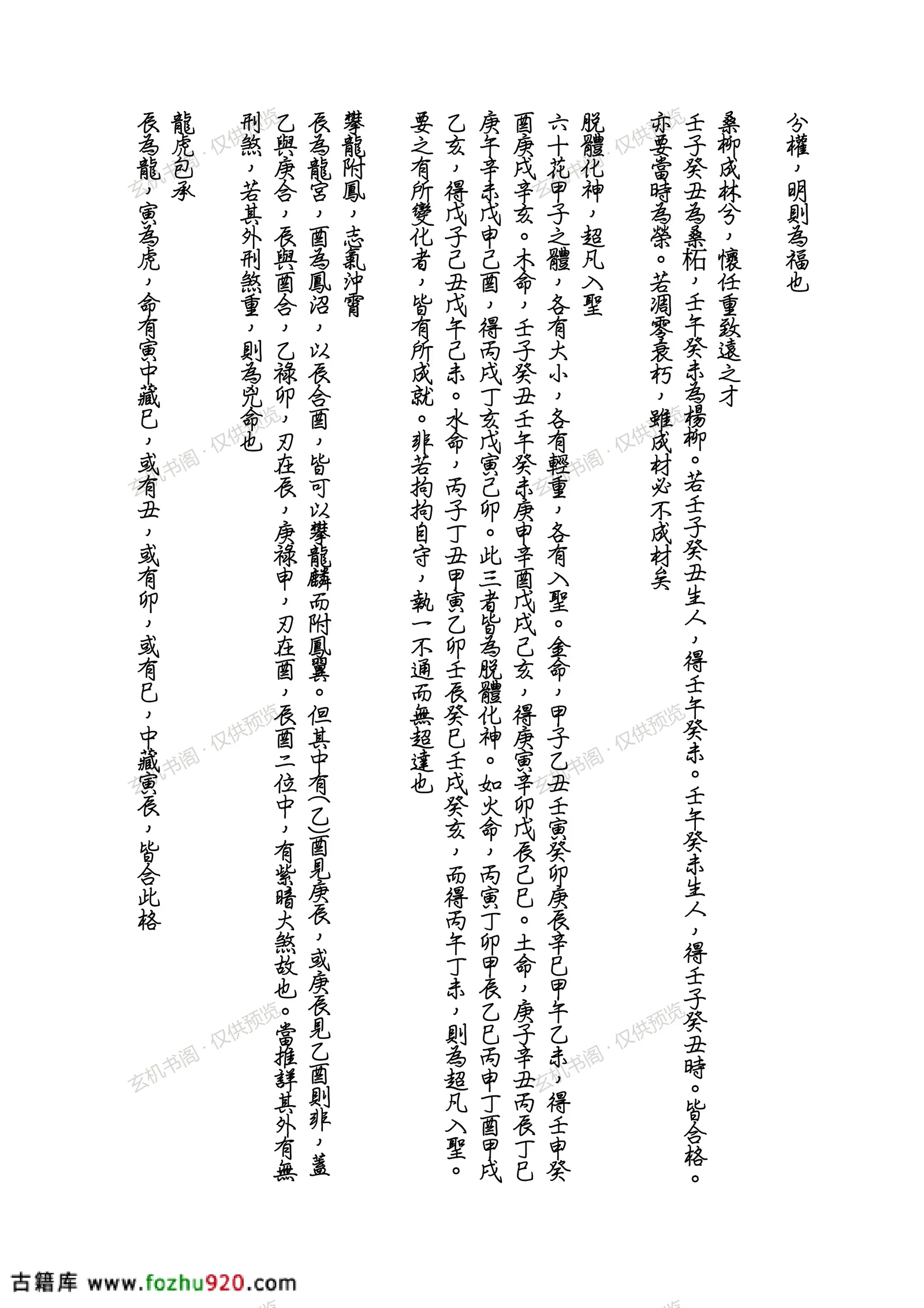
This handwritten edition presents Lantai Miaoxuan with modern commentary. The preface cites the Ming History bibliographic record, noting the text was traditionally attributed to Xichuang Laoren and was an important early Ming nayin-based fortune-telling work collected in Xingping Huihai and the Gujin Tushu Jicheng. The author acknowledges later criticism, especially from Ren Tieqiao's Ditiansui, and reinterprets the classical verses item by item. The text covers patterns such as stable roots, roaming lu and ma, the sword rushing the Dipper, snake transforming into dragon, pearls hidden in the deep sea, soaring into the clouds, and wind-cloud tiger sequences. It explains stem-branch imagery, nayin combinations, and the conditions for pattern formation, making it useful for readers with basic four-pillar knowledge who want to study classical pattern texts.
Contents
Preface: origins and evaluation of Lantai Miaoxuan
Stable roots and roaming lu and ma
Sword rushing the Dipper; snake transforming into dragon
Pearls hidden in the deep sea; soaring into clouds
Wind-cloud tiger sequence; transforming body and spirit
Climbing dragon and phoenix; dragon-tiger embrace
Key Points
Lantai Miaoxuan is traditionally attributed to Xichuang Laoren and uses nayin patterns.
The book preserves the original text with handwritten modern commentary.
It focuses on nayin five-element and stem-branch pattern judgment.
The commentary balances classical meaning with later critiques.
Best suited to readers with four-pillar basics.